The Lotus Eaters
Odysseus lost his men to a fruit so sweet they forgot home. The coast he described looks like Morocco.
Nine days south from Cape Malea, driven by a storm, Odysseus reached the land of the Lotus Eaters.
Homer describes it simply: a place where the natives ate the fruit of the lotus, and anyone who tasted it lost all desire to return home. Odysseus sent scouts. They ate. They forgot. He had to drag them back to the ships by force.
Where was this land?
Homer doesn't say. "Nine days' sail" in a storm could mean almost anywhere. The Odyssey is myth, not cartography. But for 2,800 years, scholars and dreamers have tried to pin the Lotus Eaters to real geography.
The leading candidate is Djerba, an island off Tunisia. The name fits: Djerba may derive from the Greek word for lotus. The island has been identified with the Lotus Eaters since antiquity. Herodotus mentioned it. The tourism board promotes it.
But the Moroccan coast has its advocates.
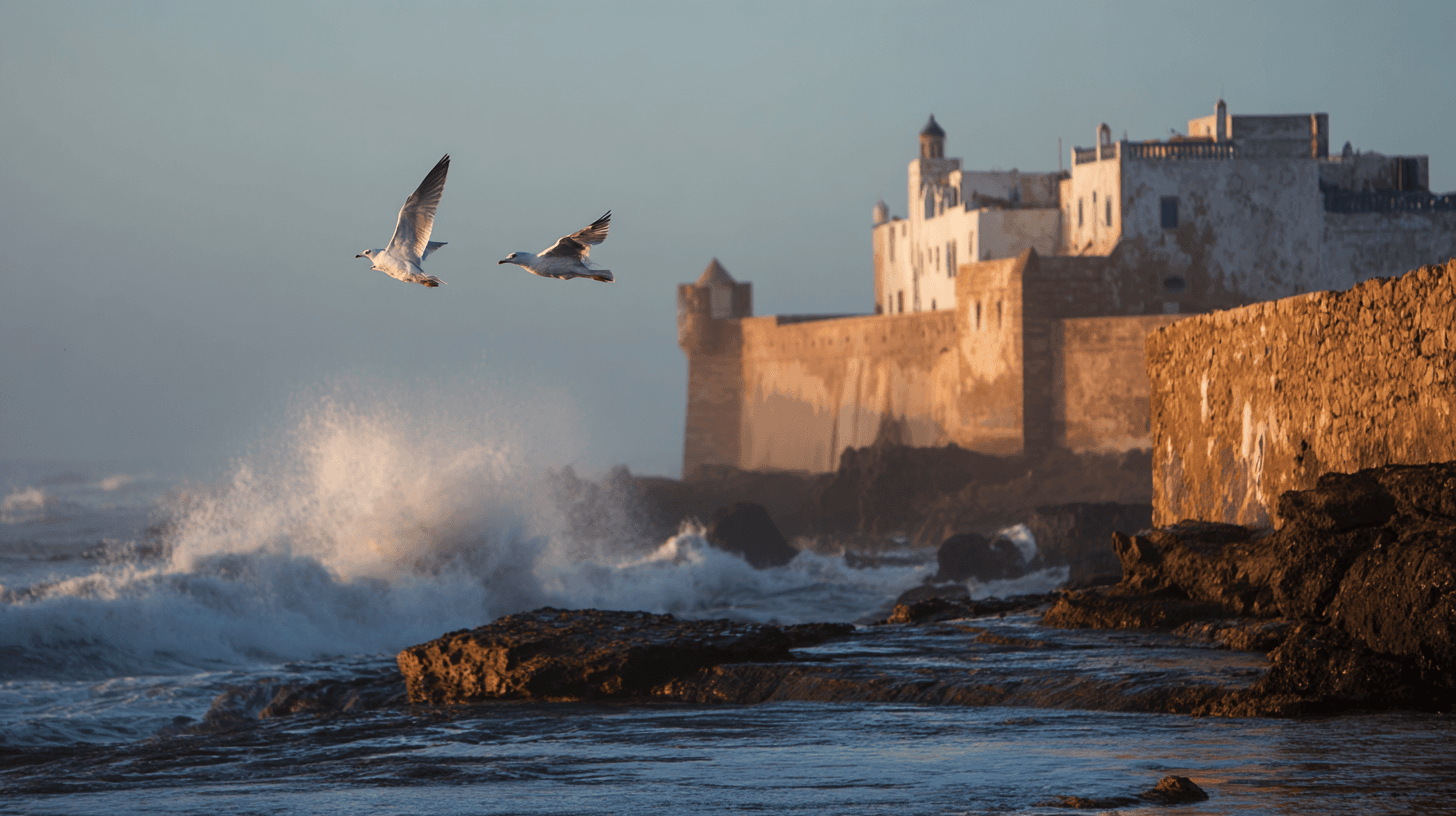
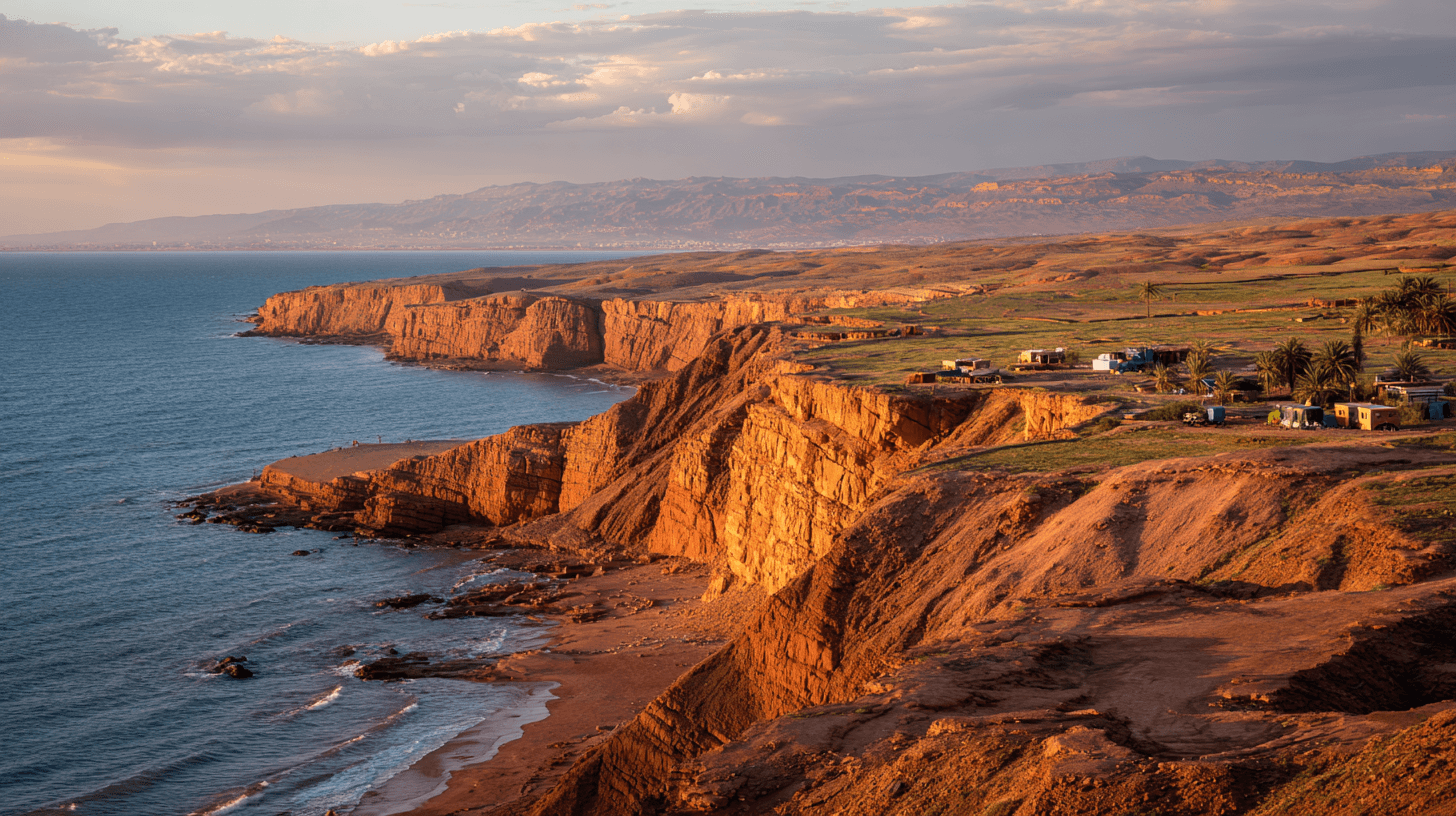
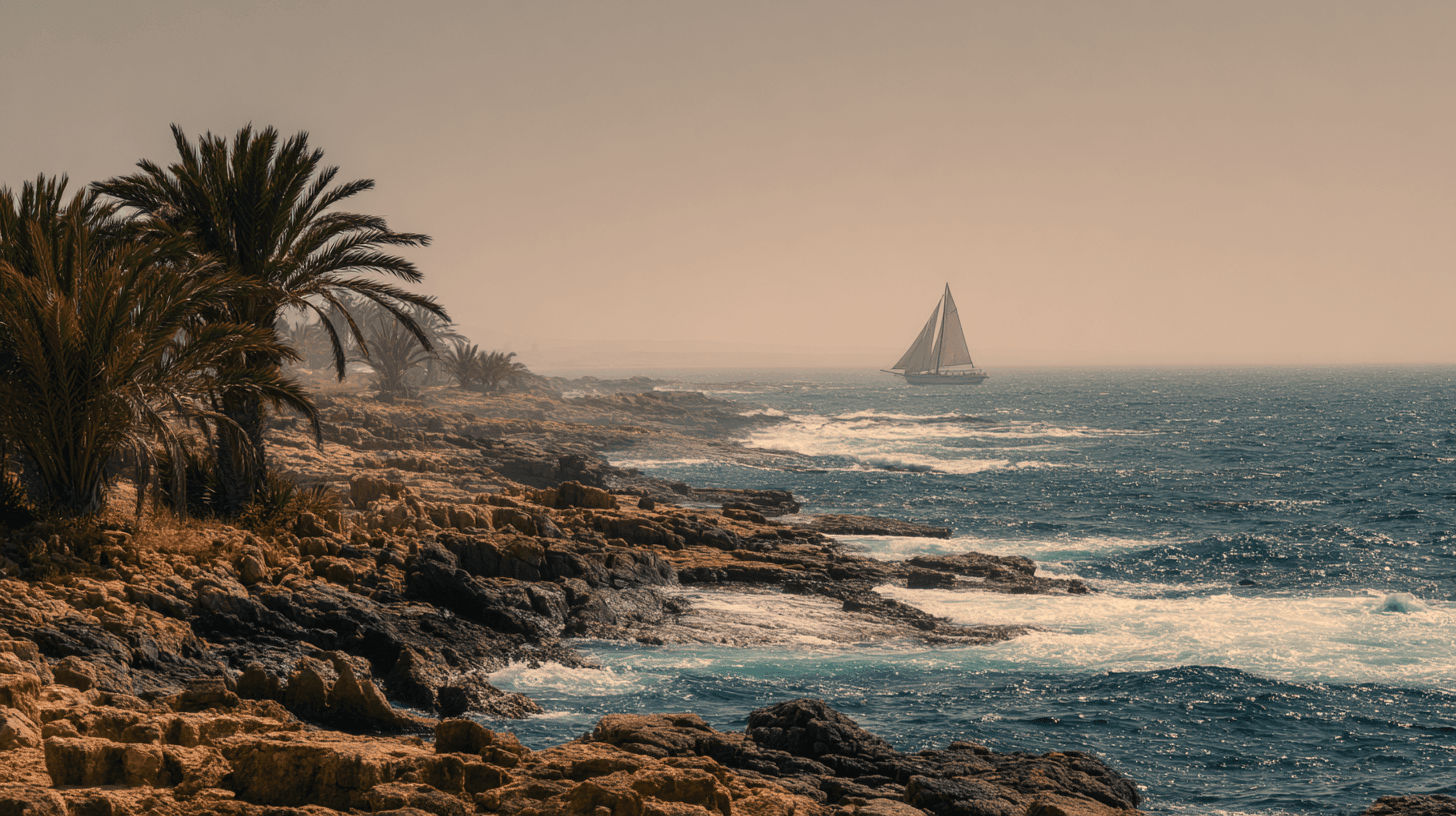
Homer's geography places the Lotus Eaters at the edge of the world — which for Greeks meant west and south. The Atlantic coast of Morocco fits that description better than any Mediterranean island. The prevailing winds and currents from Greece push toward these shores. The coastline has the dreamlike quality Homer describes: hazy, fertile, lost in time.
And the lotus itself? Probably not a flower at all. The leading theory is jujube fruit — Ziziphus lotus — which grows wild across North Africa. The fruit is sweet and mildly sedative. Eat enough, and you might not feel like sailing anywhere.
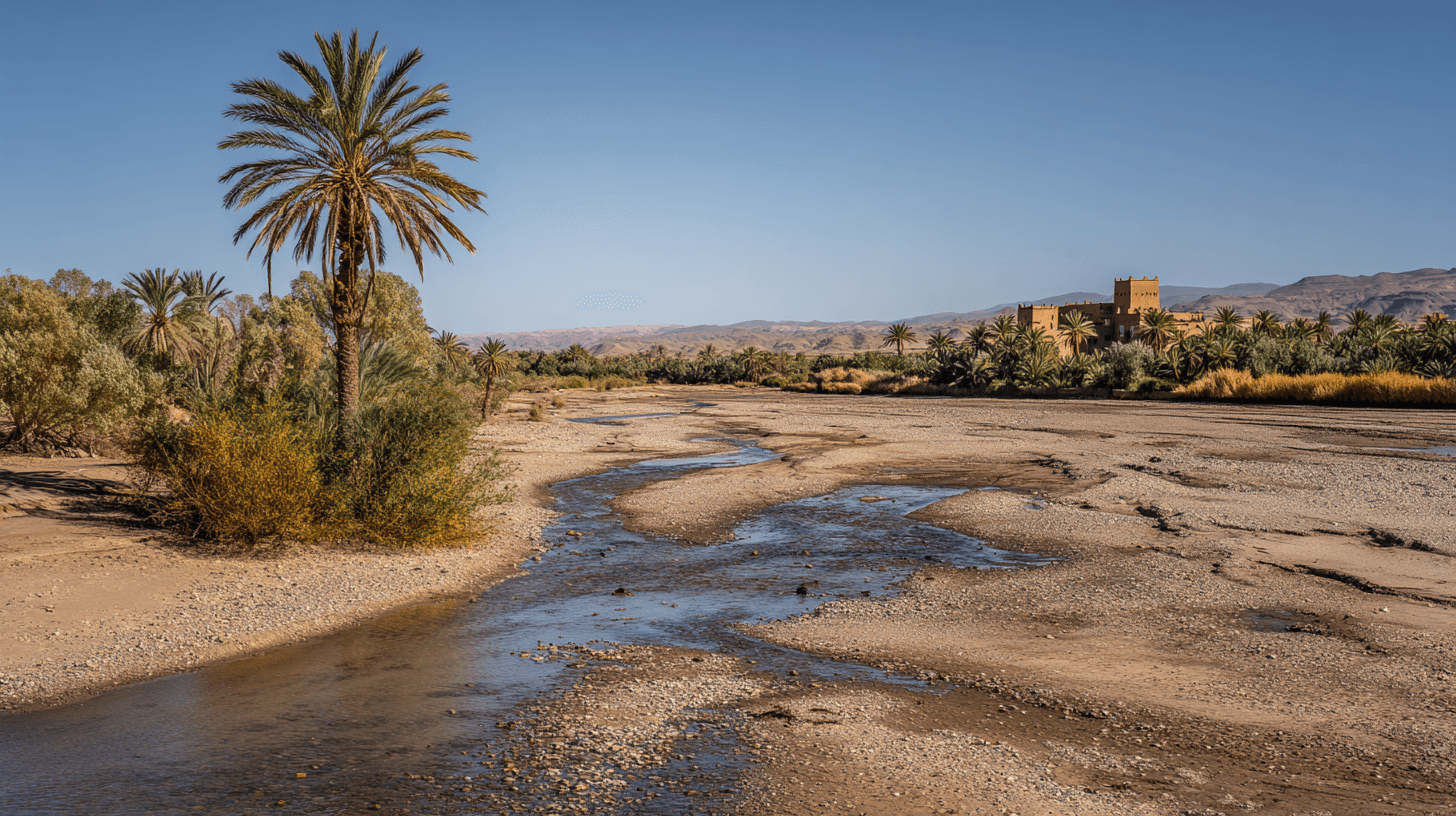
Date palms are another candidate. The word "lotus" was applied to several North African fruits by Greek writers who didn't distinguish carefully between them. The date palm's fruit could make a hungry sailor forget his hurry.
None of this is provable. The Odyssey is a poem, not a pilot's guide. But standing on the Moroccan coast, watching the Atlantic haze roll in, eating dates under a palm tree — you understand the myth. Some places make you want to stay. Some places make you forget why you ever wanted to leave.
The Facts
- •The Lotus Eaters appear in Book IX of the Odyssey
- •Homer says Odysseus reached them after nine days' storm-driven sailing
- •Djerba (Tunisia) is the traditional identification
- •Ziziphus lotus (jujube) is the most likely botanical candidate
- •The fruit has mild sedative properties
- •Greek 'lotus' was applied to several North African plants
Sources
- Homer. 'Odyssey.' Book IX
- Herodotus. 'Histories.' Book IV
- Strabo. 'Geographica.'
- Malkin, Irad. 'The Returns of Odysseus.' University of California Press