The French Protectorate
1912–1956 — Lyautey's dual city, the Berber Dahir, the resistance, independence
The Treaty of Fes was signed on March 30, 1912. Sultan Moulay Hafid ceded sovereign authority to France under military pressure. Spain received the northern zone and the far south. Tangier became an international zone. The rest — the largest and richest territory — went to France.
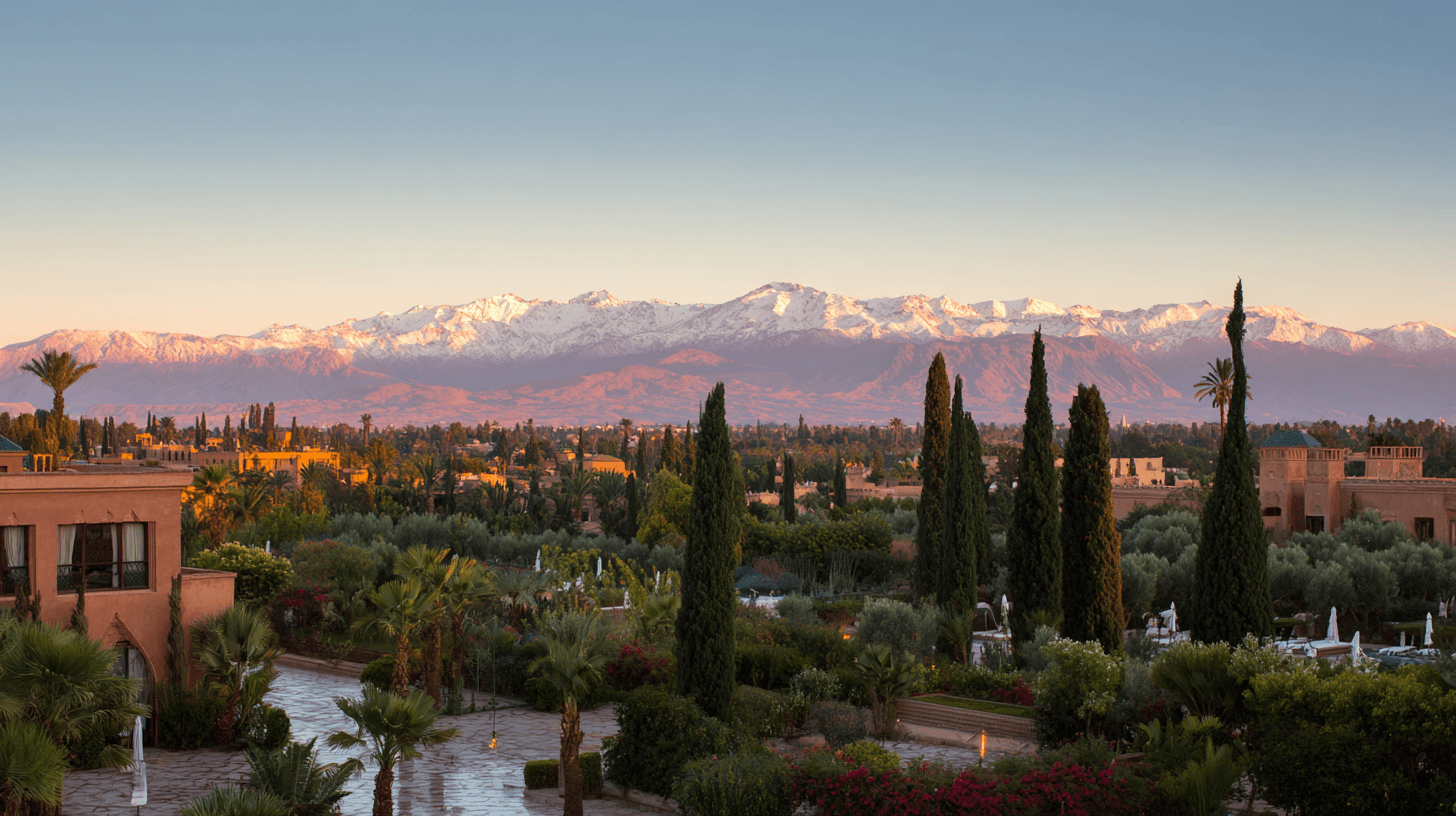
Maréchal Lyautey, the first Resident-General, made a decision that shaped Morocco permanently: he would not demolish the old cities. Instead, he built new European quarters — villes nouvelles — adjacent to but separate from the medinas. Rabat, Casablanca, Fes, Marrakech, Meknes — each got a modern grid city alongside its ancient core. The medinas were preserved as living heritage. The separation was also social engineering — colonial and indigenous populations in parallel worlds.
The Berber Dahir of 1930 was the catalyst for nationalism. The decree attempted to place Amazigh populations under customary law rather than Islamic courts — effectively dividing Amazigh and Arab Moroccans along ethnic and legal lines. The backlash was immediate and united. The Latif prayer — a collective supplication against the decree — became the first mass act of Moroccan nationalist protest.
The independence movement grew through the 1930s and 1940s. The Istiqlal Party published a Manifesto of Independence in 1944. Sultan Mohammed V publicly aligned with the nationalist cause. When the French exiled him to Madagascar in 1953, it backfired — the exile turned him into a symbol of resistance and united the country behind the throne.
Independence came on March 2, 1956. Mohammed V returned in triumph. The protectorate left behind roads, railways, ports, hospitals, universities, and an administrative structure that the new state adapted rather than dismantled. It also left behind a French-speaking elite, a dual-city urban pattern, and a complex relationship with France that persists seven decades later.
Explore the full interactive module — with territorial maps, timeline, and the political architecture of the protectorate period — at Dancing with Lions: https://www.dancingwiththelions.com/data/french-protectorate
Interactive Module
Data and visualisation by Dancing with Lions