The Golden Apples
The Garden of Hesperides was here — and the apples were real
The eleventh labor was supposed to be impossible.
Hercules had to steal the golden apples from the Garden of the Hesperides — an orchard at the western edge of the world, tended by nymphs, guarded by a hundred-headed dragon, and owned by the gods themselves. The apples granted immortality. They were not meant for mortal hands.
But where was this garden?
The Greeks placed it at Lixus.
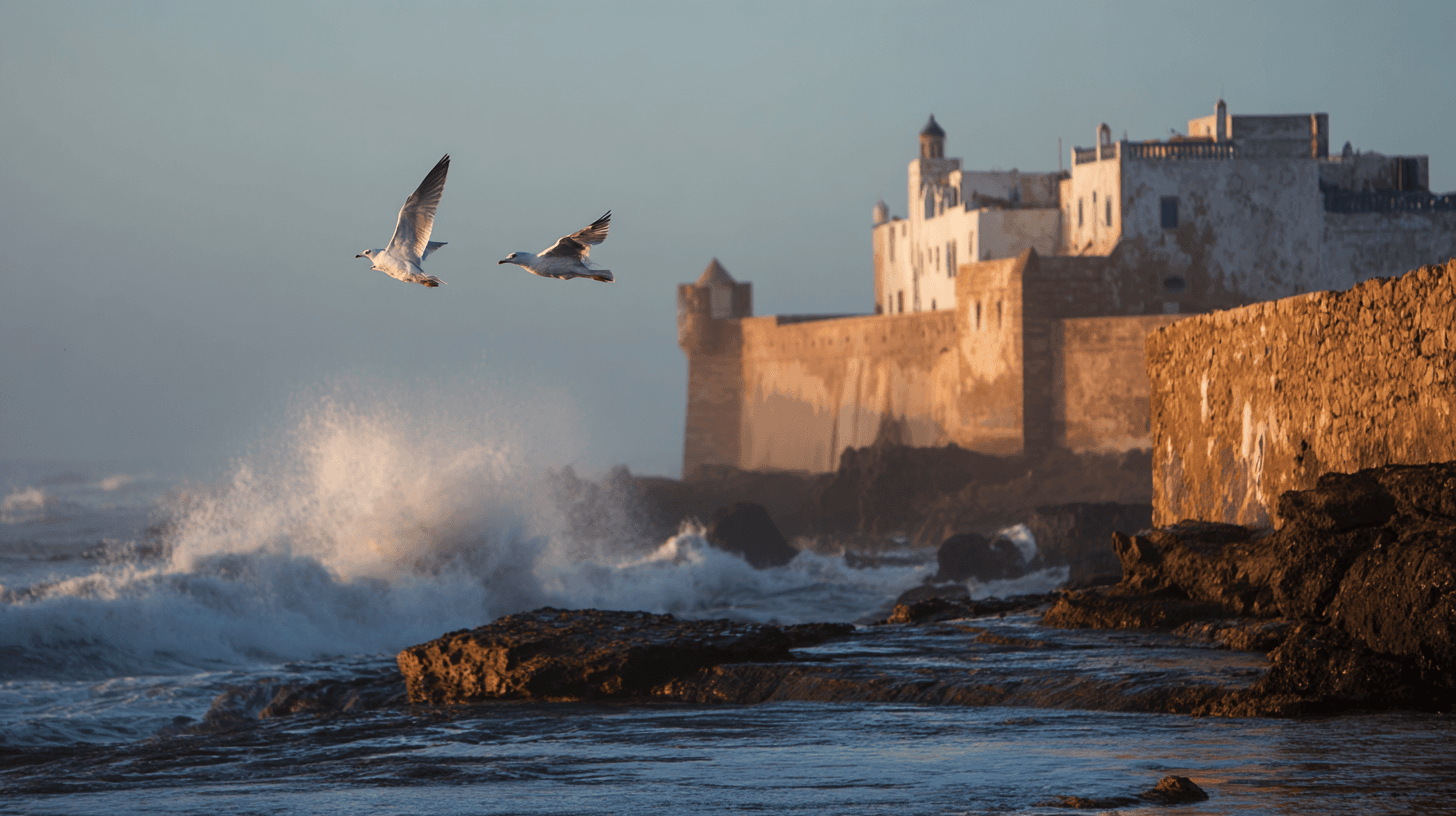
Lixus was a Phoenician trading post on the Atlantic coast of Morocco, near modern Larache. By Greek standards, it was impossibly remote — beyond the Pillars of Hercules, beyond the edge of their maps, in the land of the setting sun. The Hesperides were the "Daughters of the Evening." Their garden belonged where the sun died every night.
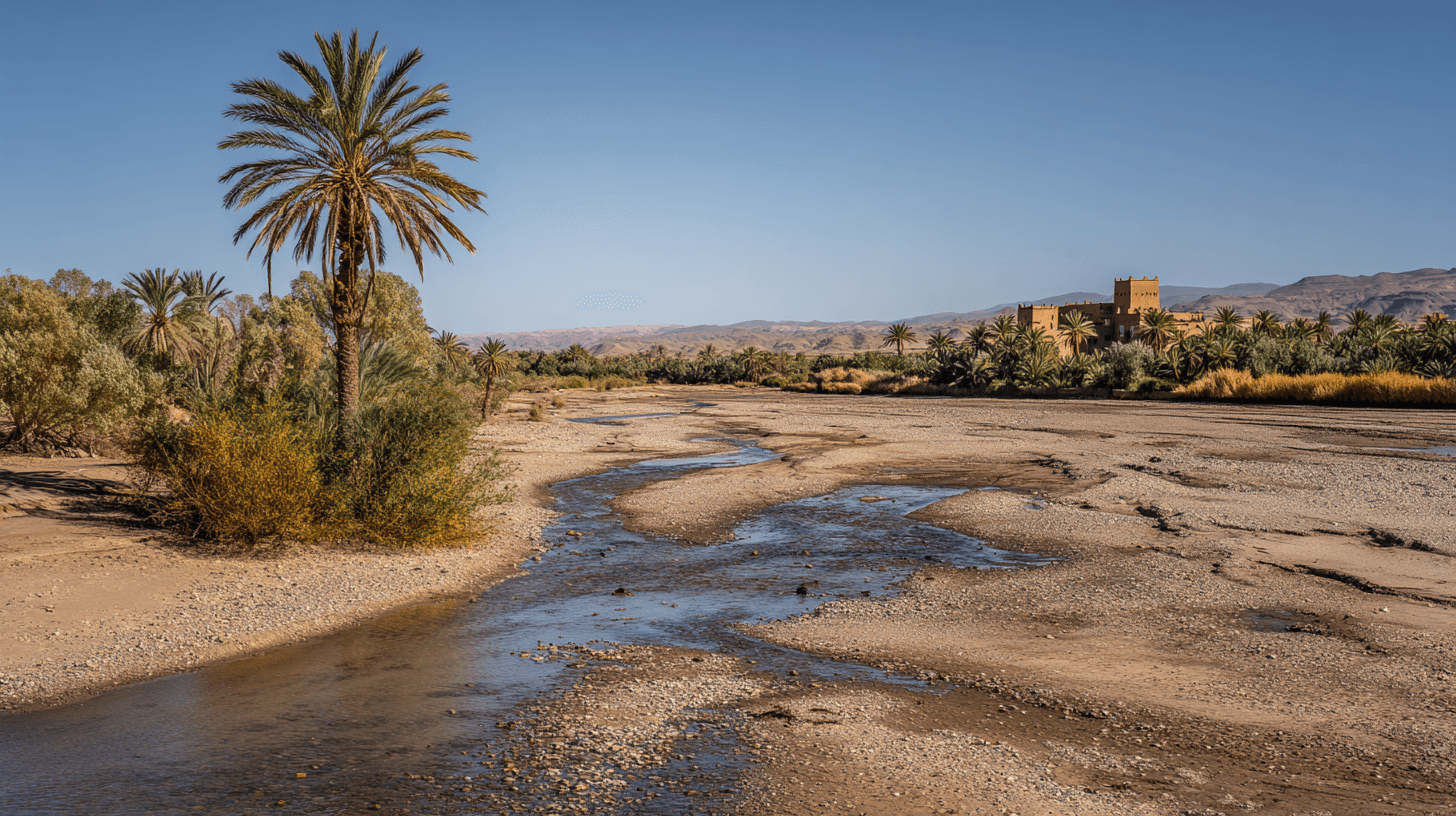
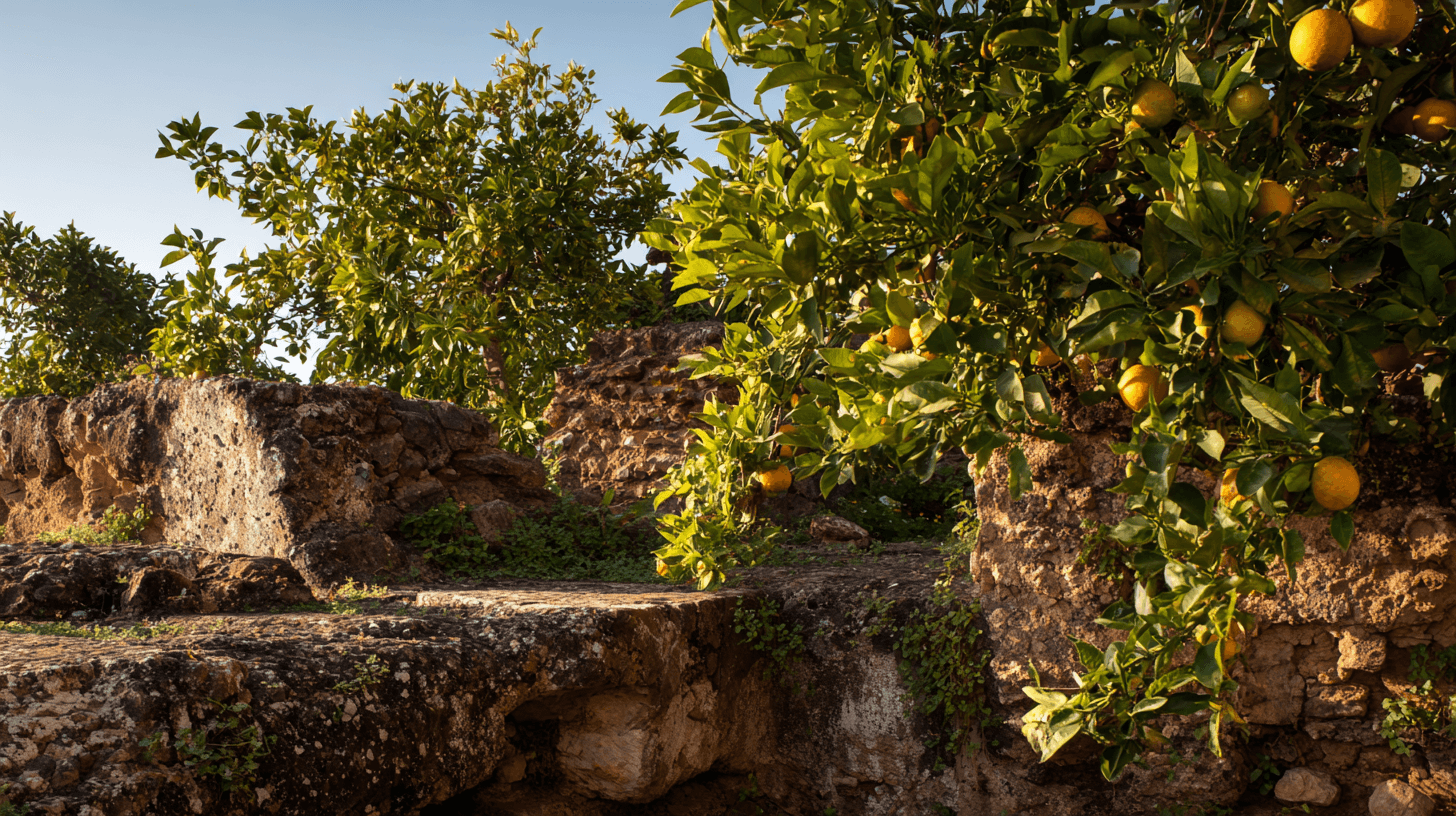
The ruins of Lixus still stand above the Loukkos River. Roman temples, Phoenician walls, a fish-salting factory that exported garum across the Mediterranean. And everywhere — then as now — citrus trees.
The golden apples weren't magical. They were oranges.
Citrus originated in Southeast Asia, but by the time of the Greeks, it had reached the far western Mediterranean. The Hesperides' "golden apples" were almost certainly citrons or early oranges — fruit that Europeans had never seen, growing in a garden at the edge of the known world. What else would you call them but gifts of the gods?
Morocco remains one of the world's great citrus producers. The orchards around Marrakech and the Souss Valley export millions of tons of oranges, clementines, and lemons every year. The golden apples are still here.
And if you visit Lixus at sunset, when the light turns the Loukkos River to bronze and the citrus groves glow against the Atlantic haze, you can see why the Greeks believed they had found paradise.
The Facts
- •Lixus was founded by Phoenicians around 1100 BCE
- •It became a major Roman city producing garum
- •The site is 4km north of modern Larache
- •The Hesperides were Atlas's daughters in Greek mythology
- •Citrus reached the western Mediterranean by 300 BCE
- •Morocco exports over 1 million tons of citrus annually
Sources
- Pliny the Elder. 'Natural History.' Book V
- Strabo. 'Geographica.' Book XVII
- Aranegui Gascó, Carmen. 'Lixus.' Saguntum