The Pillars of Hercules
Where the ancient world ended and the unknown began
The Greeks had a word for it: the end.
Beyond the Strait of Gibraltar, the known world stopped. The Mediterranean — their sea, their civilization — gave way to the Atlantic, which they called the "Sea of Darkness." No Greek ship had ever returned from its far shores. For all they knew, none ever would.
So they built a myth to explain the boundary.
Hercules, performing his tenth labor, had to fetch the cattle of Geryon from the edge of the world. When he reached the strait, mountains blocked his path. Rather than climb them, he smashed through — tearing Africa from Europe with his bare hands, leaving two pillars to mark where the continents had once been joined.
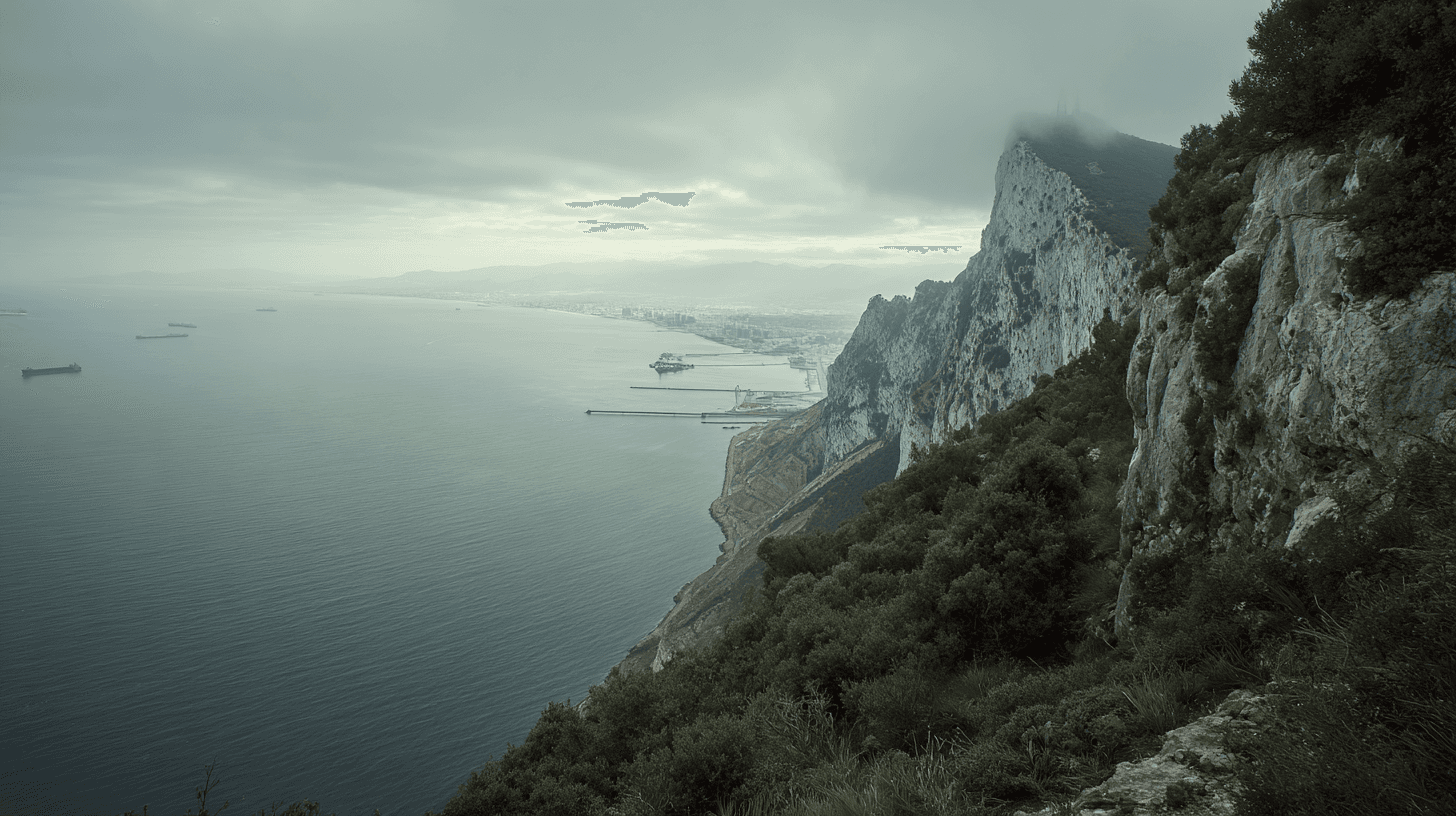
The northern pillar was the Rock of Gibraltar. The southern pillar — the African one — was Jebel Musa in Morocco, or perhaps Monte Hacho in Ceuta. The ancients weren't sure. What they were sure of was the meaning: this is where the world ends. Do not pass.
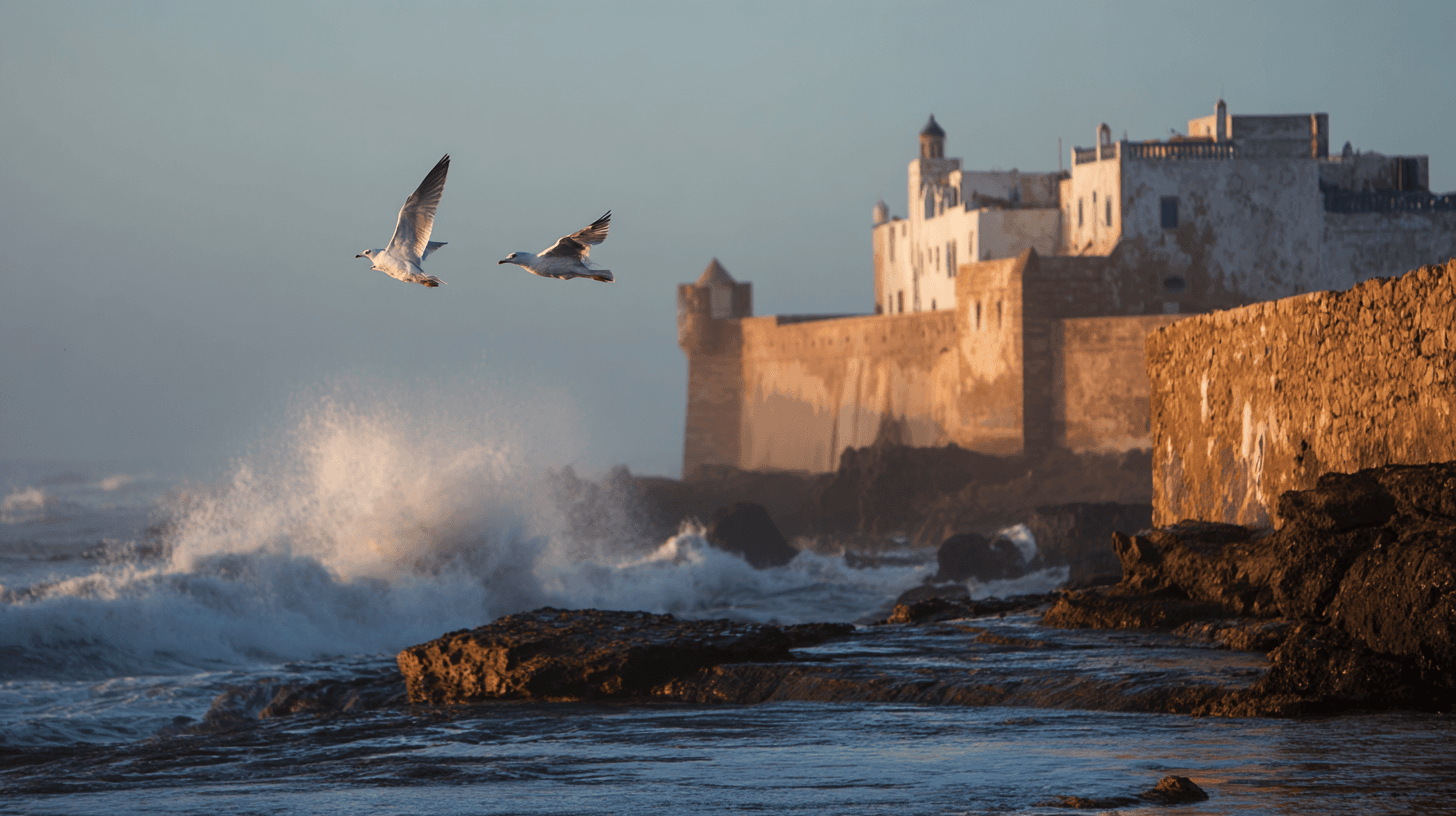
Stand at Cap Spartel today — the northwestern tip of Africa — and you're standing where mythology did its work. The Atlantic spreads before you, endless and dark. The Mediterranean lies behind, orderly and known. The two waters don't mix easily; you can see the currents fighting where they meet.
The Phoenicians ignored the warning. They sailed past the pillars and down the African coast, trading for gold and ivory. The Carthaginians followed. Eventually, so did everyone else.
But for a thousand years, this was the edge. The place where maps ran out. The boundary between the human world and whatever lay beyond it.
Hercules isn't here anymore. But the pillars remain.
The Facts
- •The Strait of Gibraltar is 14km wide at its narrowest point
- •Jebel Musa (851m) and Gibraltar (426m) are the traditional 'pillars'
- •The Phoenicians established trading posts beyond the strait by 1100 BCE
- •The Atlantic was called the 'Sea of Darkness' by Greek geographers
- •Cap Spartel marks the exact meeting point of Atlantic and Mediterranean
Sources
- Strabo. 'Geographica.' Book III
- Herodotus. 'Histories.' Book IV
- Jodin, André. 'Les Phéniciens à Mogador.' Hespéris-Tamuda
- Pliny the Elder. 'Natural History.' Book V