The Zone
For 30 years, Tangier belonged to no one. Everyone came.
The treaty that made Tangier strange was signed in 1923.
France and Spain controlled Morocco, but neither trusted the other with the strategic port overlooking the Gibraltar Strait. Their solution: give it to everyone. Britain, France, Spain, Italy, Belgium, Netherlands, Portugal, Sweden, and eventually the United States would jointly administer Tangier. It would belong to all of them and none of them.
The result was chaos — beautiful, productive chaos.
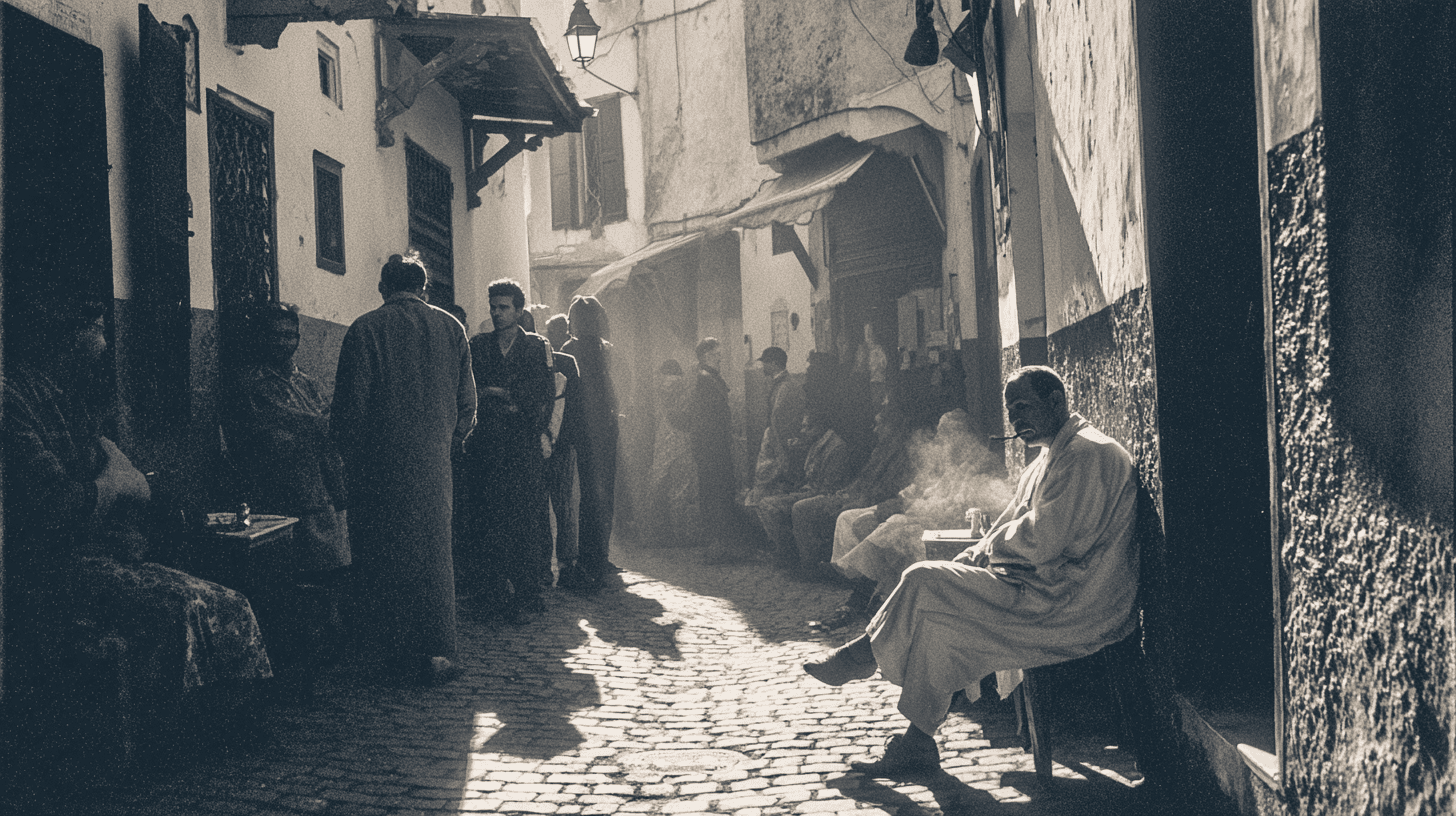
With no clear authority, Tangier became a place where rules were negotiable. Banking laws were loose; fortunes could be hidden. Currency restrictions didn't apply; money flowed freely. Residency was easy; no one asked too many questions. The city filled with people who needed to disappear: exiled monarchs, tax evaders, arms dealers, gay men fleeing prosecution, writers fleeing censorship, spies fleeing each other.
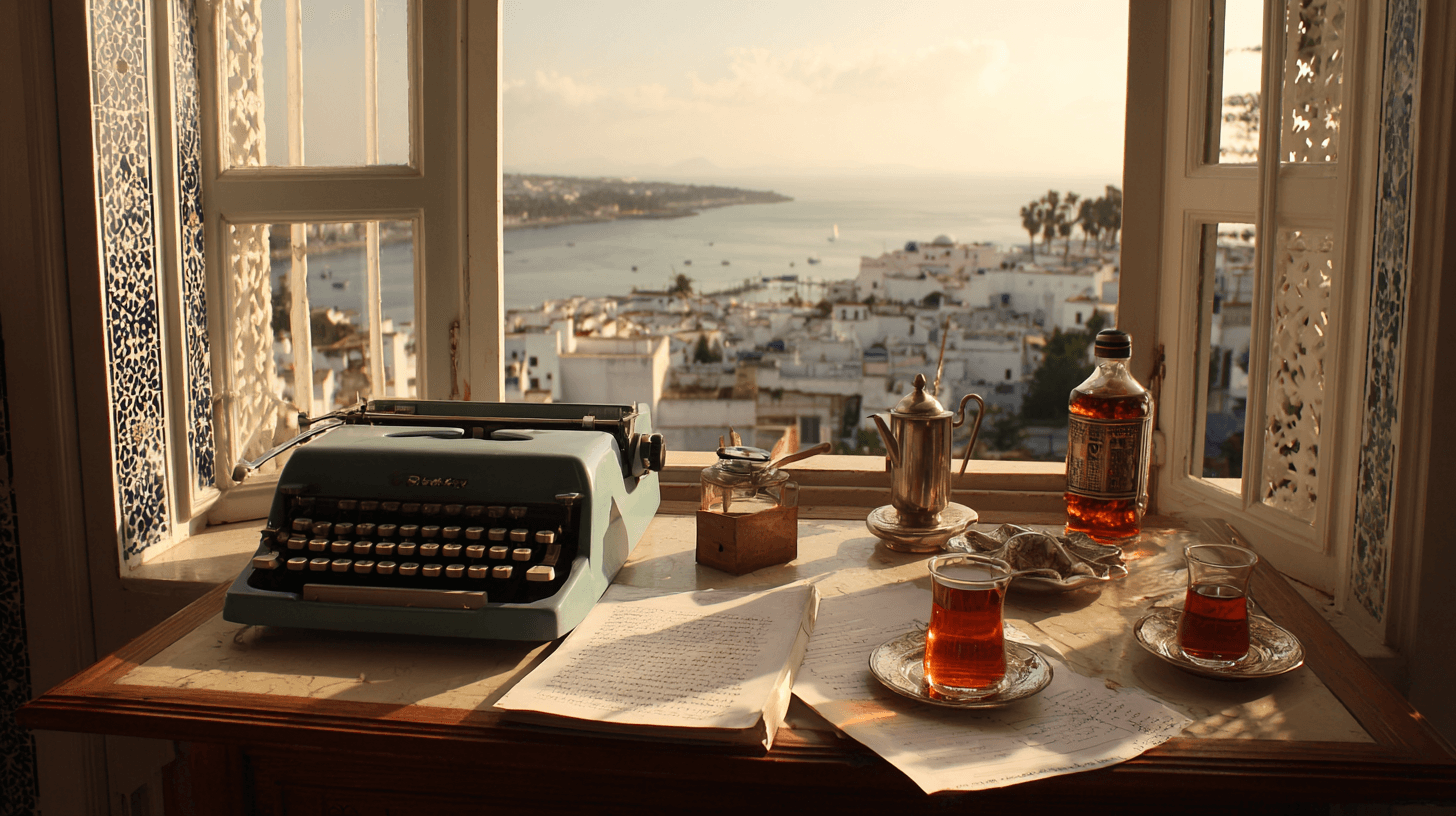
The Beats arrived in the 1950s. William Burroughs wrote "Naked Lunch" in a room at the Hotel El Muniria, high on everything the Zone allowed. Paul Bowles had been there since 1947 and would never leave. Allen Ginsberg, Jack Kerouac, Tennessee Williams — they all came through, drawn by the freedom and the light.
The Cold War made it stranger. The CIA ran operations from Tangier. The KGB did too. Smugglers moved goods through the port without customs interference. The banks asked no questions. Information and money crossed borders that didn't quite exist.
It ended in 1956 when Morocco gained independence. Tangier was absorbed into the nation. The banks were regulated. The spies went elsewhere. The writers mostly stayed — Bowles died in Tangier in 1999, having spent 52 years in the city.
The cafés where Burroughs wrote are still there. The hotel rooms still rent. But the Zone itself — that strange pocket of lawlessness — exists now only in books.
The Facts
- •The International Zone existed 1923-1956
- •Nine nations jointly administered the city
- •Population grew from 40,000 (1939) to 150,000 (1952)
- •William Burroughs lived there 1954-1958
- •Paul Bowles lived in Tangier from 1947 until his death in 1999
- •The Tangier Legation (est. 1821) is the oldest U.S. diplomatic property in the world
Sources
- Stuart, Graham. 'The International City of Tangier.' Stanford University Press
- Edwards, Brian. 'Morocco Bound: Disorienting America's Maghreb.' Duke University Press
- Green, Michelle. 'The Dream at the End of the World.' Harper