Cannabis in the Rif
Ketama, kif culture, legalisation debate — Morocco's complex relationship with its most controversial crop
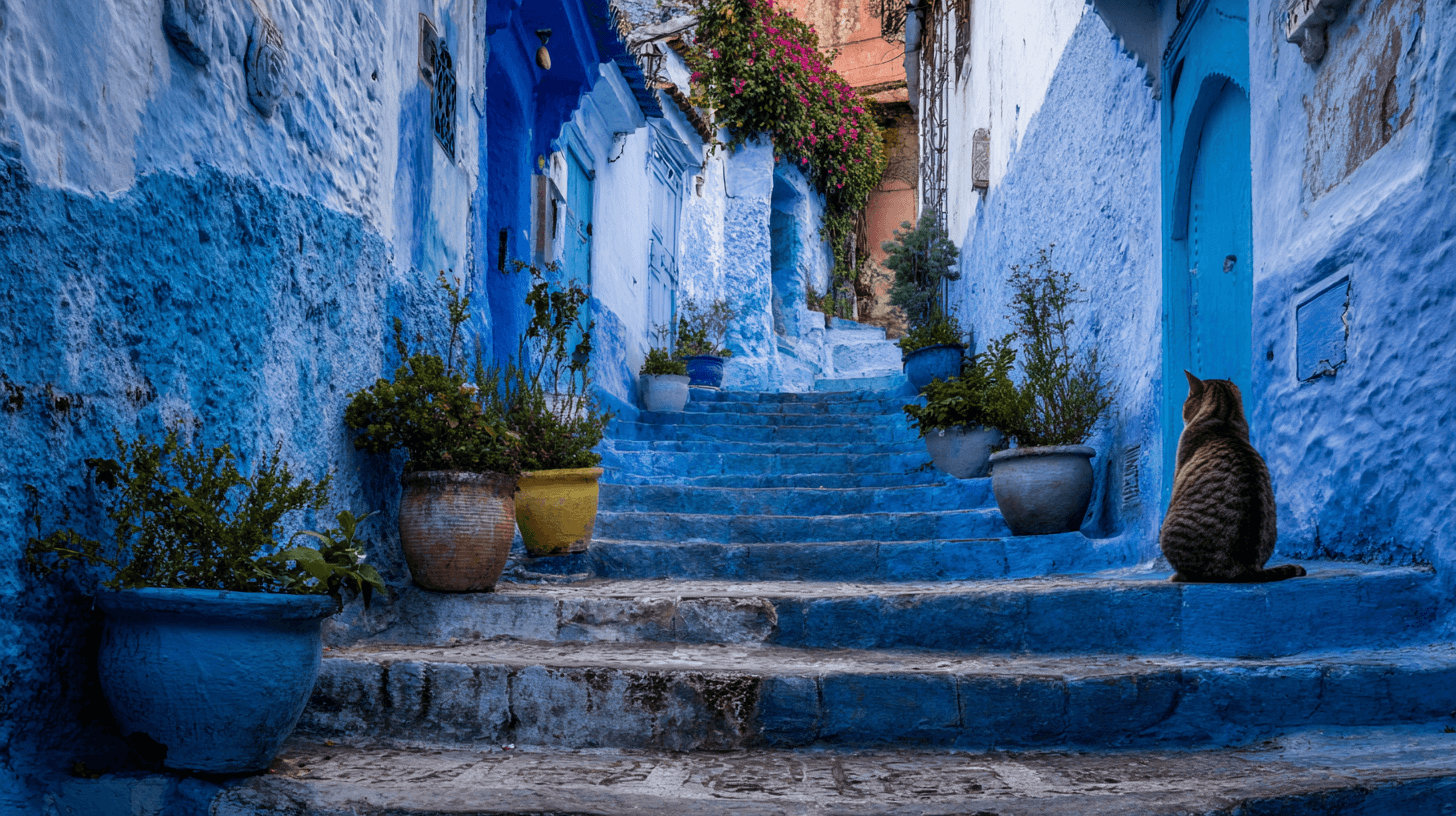
The Rif Mountains of northern Morocco — particularly the Ketama and Chefchaouen regions — have grown cannabis for centuries. The plant was traditionally cultivated for kif — a mixture of dried cannabis flowers and tobacco smoked in a long-stemmed pipe (sebsi). Kif culture was embedded in rural Riffian society, tolerated by authorities, and largely ignored by the rest of the country.
The scale changed in the 1960s and 1970s. European demand for hashish — concentrated cannabis resin — transformed subsistence cultivation into an industrial crop. The Rif became one of the world's largest hashish-producing regions. Estimates suggest Morocco produces thousands of tonnes of cannabis resin annually, with most exported to Europe via Spain.
The economics are stark. In the Rif's mountainous terrain, cannabis is significantly more profitable than any legal alternative. A hectare of cannabis earns a farmer roughly ten times what a hectare of wheat or barley produces. With limited irrigation, poor roads, and thin soil, the Rif has few viable alternatives. An estimated 80,000 to 120,000 families depend on cannabis cultivation.
Law 13-21, passed in 2021, legalised cannabis cultivation for medical, pharmaceutical, and industrial purposes. The law created a regulatory framework — licensed growers, processing facilities, and export permits. The stated goal is to transition farmers from illegal hashish production to legal medical cannabis and hemp, capturing value in the formal economy.
Implementation is slow. The regulatory agency — ANRAC — has begun licensing, but the transition from illicit to legal supply chains is complex. International pharmaceutical companies have expressed interest. The potential is significant — Morocco's climate, existing agricultural knowledge, and low labour costs position it competitively in the global medical cannabis market.
The social reality is layered. Cannabis sustains the Rif economically but also traps it in illegality and vulnerability. Farmers are subject to arrest under laws that coexist uneasily with the new legalisation framework. The Rif's cannabis economy is both a survival strategy and a development challenge.
Explore the full interactive module — with cultivation maps, economic data, and the regulatory framework detailed — at Dancing with Lions: https://www.dancingwiththelions.com/data/cannabis-rif
Interactive Module
Data and visualisation by Dancing with Lions