The Reconquista Exodus
1492 and after — the Muslim and Jewish expulsion from Spain and its impact on Morocco
The fall of Granada on January 2, 1492 ended 781 years of Muslim presence in the Iberian Peninsula. The Treaty of Granada initially promised religious freedom to the remaining Muslim population. That promise lasted eight years. By 1502, the Mudéjars — Muslims living under Christian rule — were ordered to convert or leave. The Jews had already been expelled in 1492, the same year Columbus sailed.
The exodus was massive. Exact numbers are debated — estimates range from 300,000 to 800,000 Muslims and 100,000 to 200,000 Jews leaving Spain and Portugal over the following century. Many went to Morocco. Tetouan, Chefchaouen, Fes, Rabat, and Salé received the largest numbers. The Moriscos — Muslims who had nominally converted to Christianity — were expelled in a final wave between 1609 and 1614.
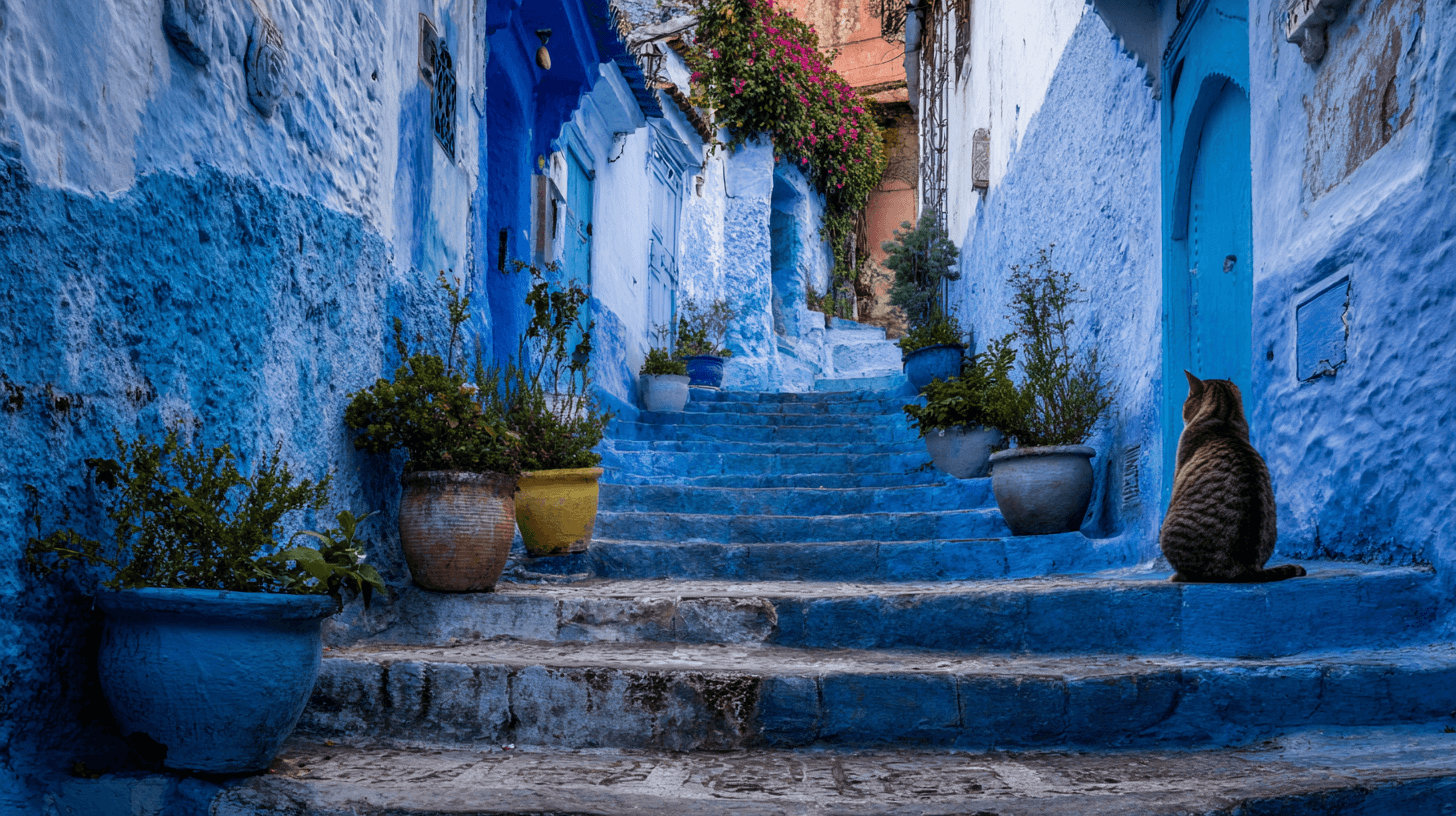
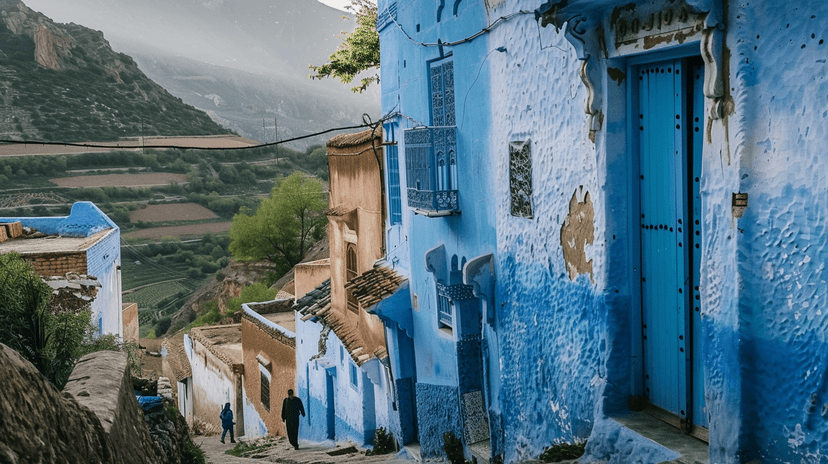
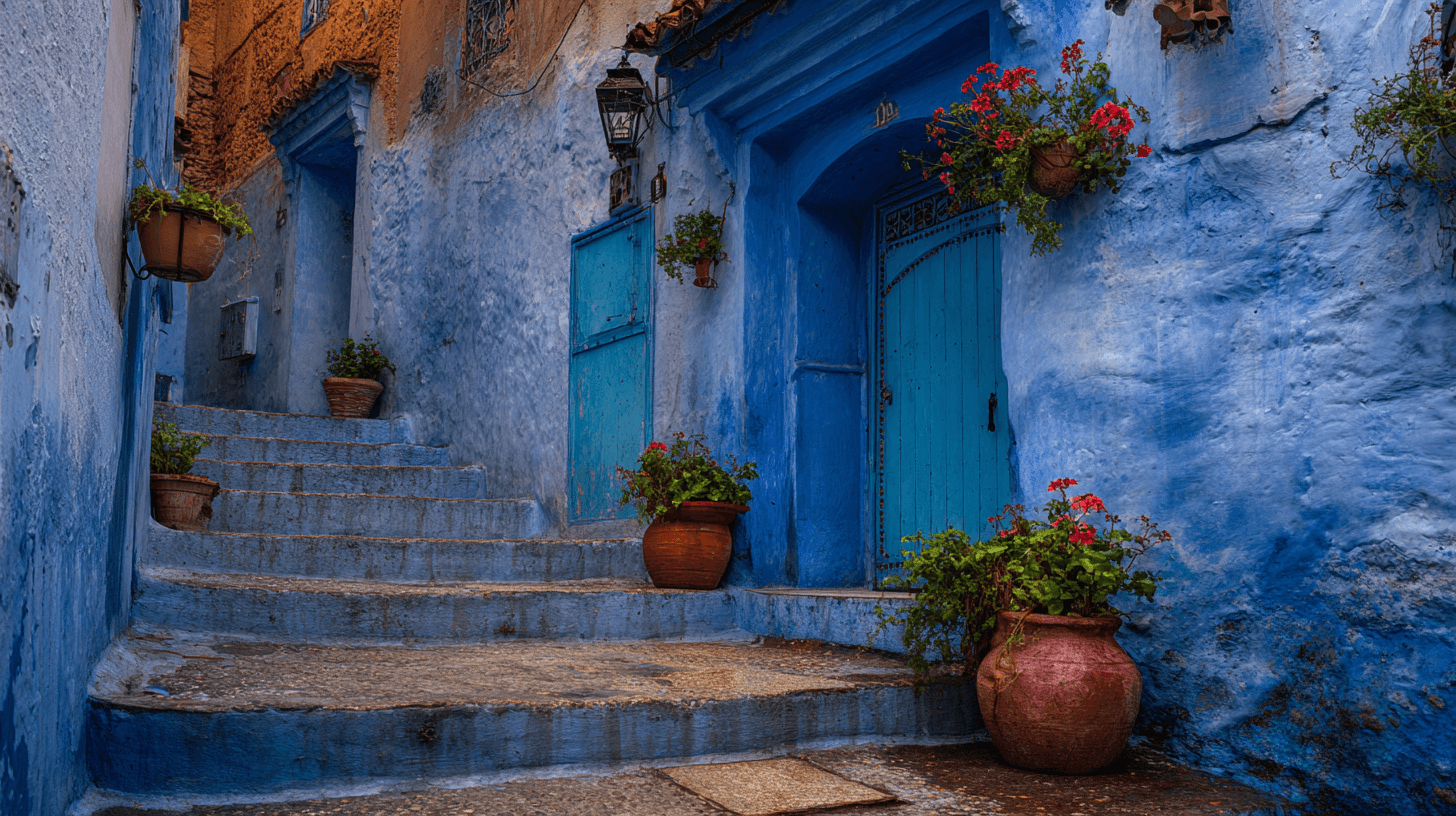
The impact on Morocco was transformative. Tetouan was essentially rebuilt by Andalusian refugees. Its medina — a UNESCO World Heritage site — has the whitewashed walls, tiled courtyards, and wrought-iron balconies of Andalusian architecture. Chefchaouen was founded in 1471 by Moulay Ali ibn Rashid as a fortress against Portuguese expansion, and populated largely by Andalusian refugees.
The Andalusi tradition in music — the nouba orchestral suites — arrived with the refugees and survives today in Fes, Tetouan, and Oujda. Moroccan pastilla (the layered pigeon or chicken pie with almonds, cinnamon, and sugar) is widely attributed to Andalusian influence. The orange blossom water that flavours Moroccan pastries likely came from Seville.
Rabat's Kasbah des Oudayas was settled by Andalusian Moriscos in the early 17th century. The Hornacheros — from the Spanish town of Hornachos — established the Republic of Bou Regreg at Rabat-Salé and became corsairs, raiding European shipping. The expelled became pirates.
Explore the full interactive module — with migration maps, settlement patterns, and the Andalusian cultural transfer documented — at Dancing with Lions: https://www.dancingwiththelions.com/data/reconquista-exodus
Interactive Module
Data and visualisation by Dancing with Lions