The Blue Boats
Why Essaouira paints its fleet a single color
The sardines are attracted to blue. Or so the fishermen say.
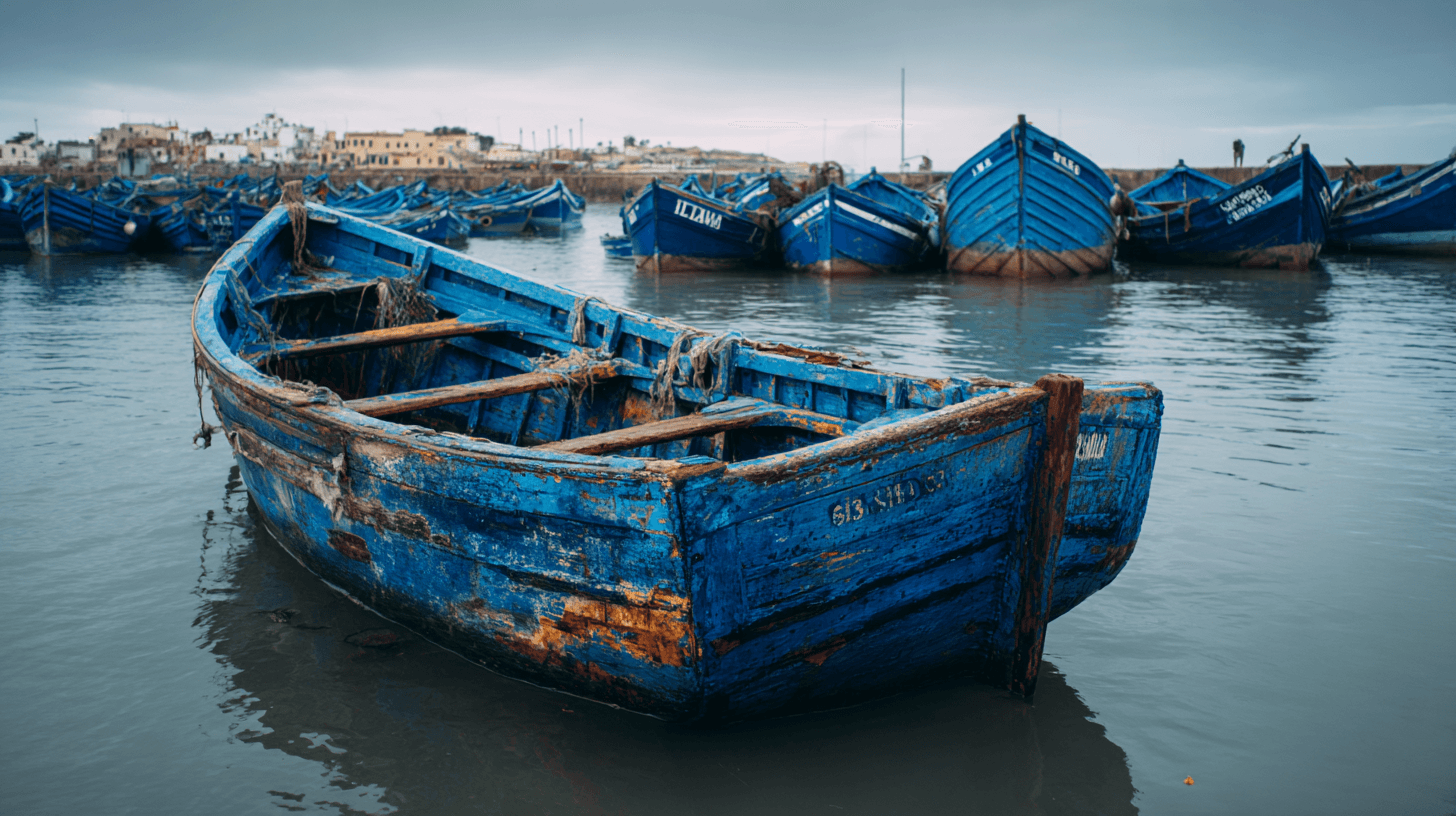
Every fishing boat in Essaouira is painted the same shade — a deep, almost purple-tinged blue that locals insist brings better catches. Three hundred and forty feluccas and a hundred trawlers, all matching, as if the harbor itself had a dress code.
The truth is stranger than the superstition. That particular blue has a name: Phoenician purple. For three thousand years, the islands off Essaouira — the Iles Purpuraires, the Purple Islands — were harvesting murex snails for dye. Not the crimson Tyrian purple of emperors. A different species. A different color. Blue.
The fishermen's boats are painted the color of their own history, and most of them don't know it.
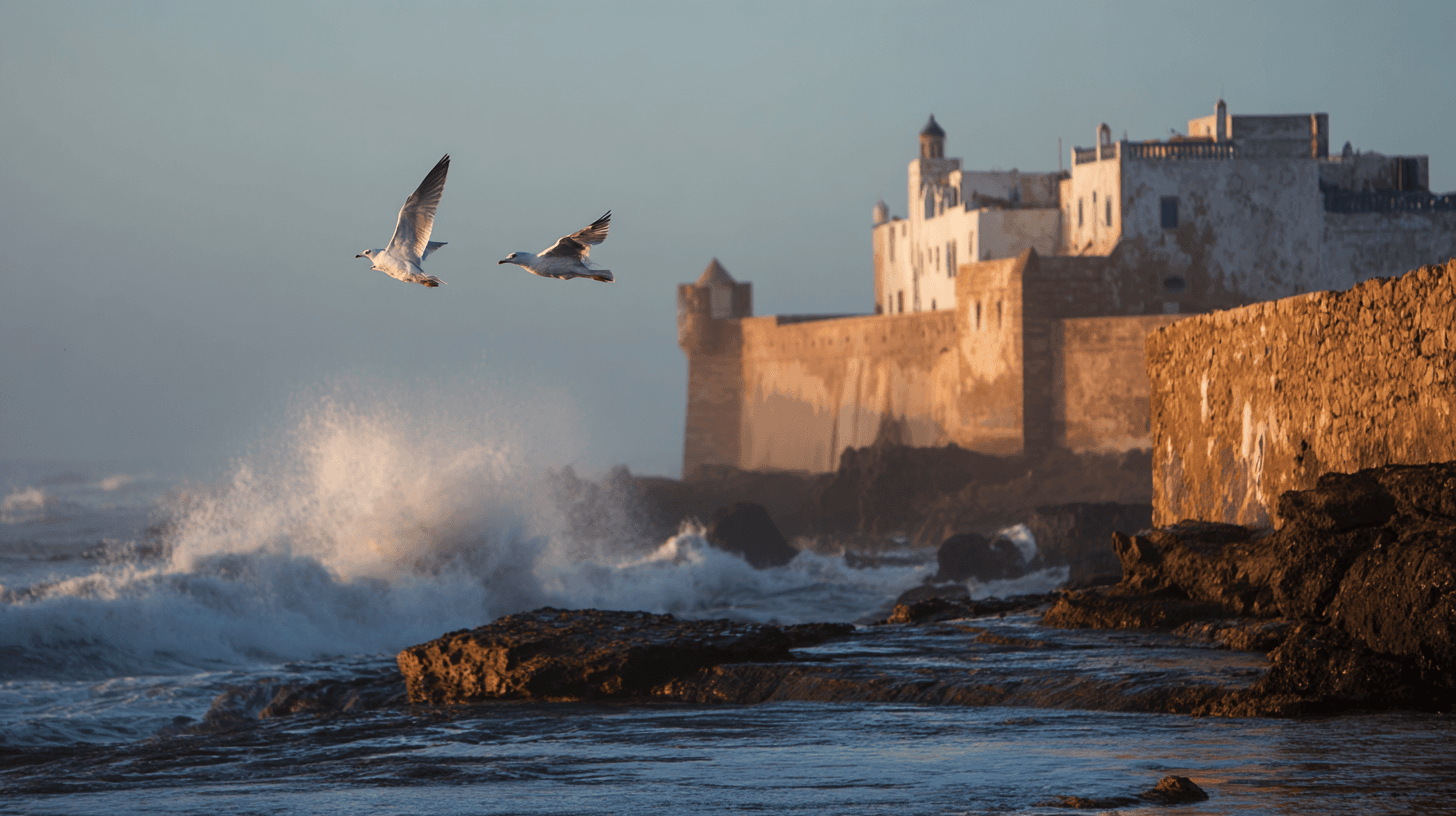
By the 19th century, the harbor was handling half of Morocco's foreign trade. Gold, ivory, ostrich feathers flowing out. Sugar, leather, salt flowing in. The Phoenicians had known the bay was special. The Portuguese fortified it. Sultan Mohammed ben Abdallah redesigned the whole city in 1765, bringing in a French architect to build walls that could withstand cannon fire and wind.
The wind. Essaouira means 'little picture' — but locals call it the Windy City. The Atlantic pounds the ramparts, and the trade winds blow hard enough that kiteboarders fly in from around the world. The fishermen have been reading those winds for millennia.
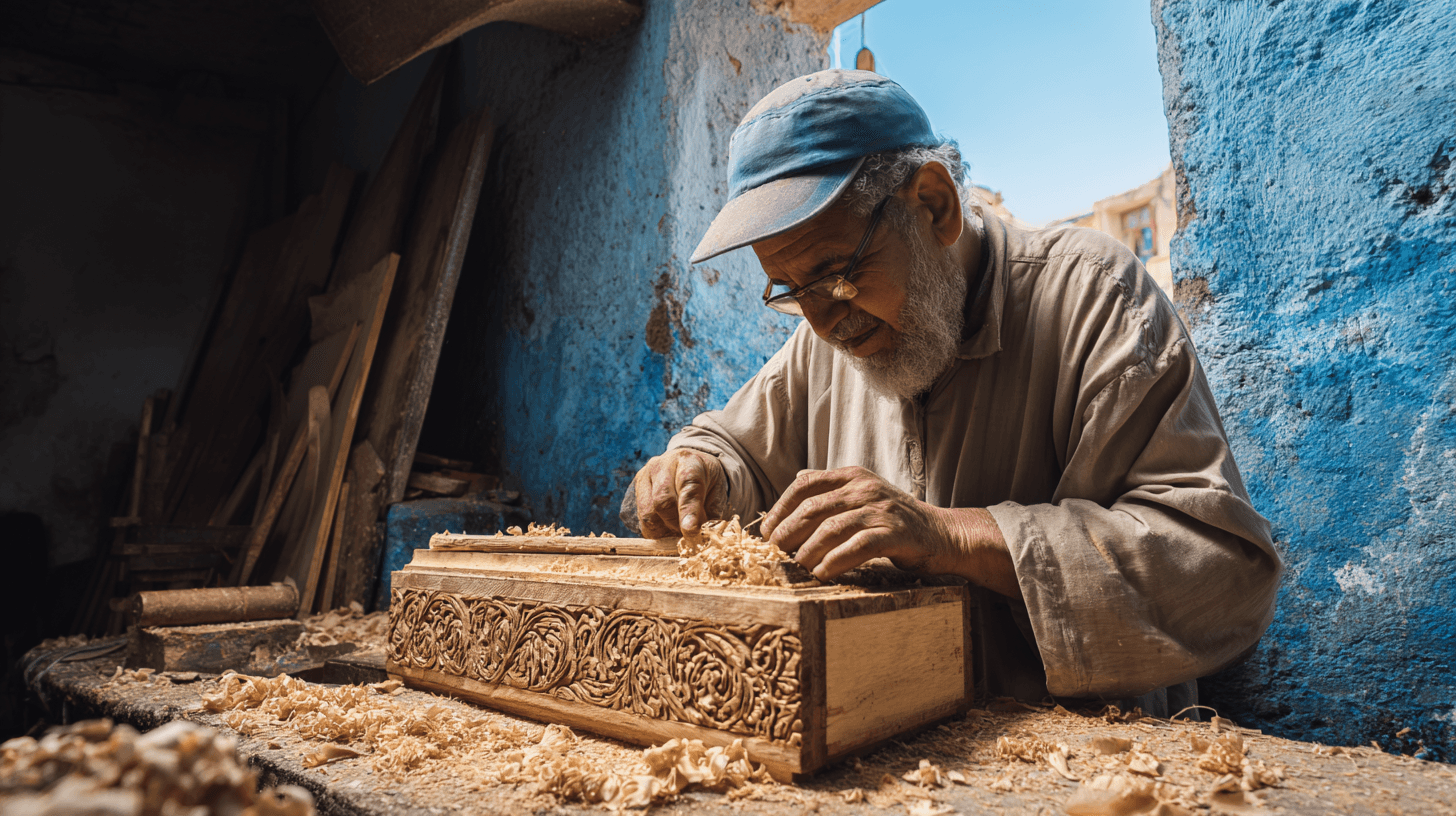
Today, Essaouira ranks third among Morocco's sardine ports. The boats go out at night. By morning, the trawlers return, holds packed with silver. Women mend nets on the docks. Carpenters build new hulls by hand in the boatyard at the harbor's edge — the same way boats have been built here since before anyone thought to write it down.
The seagulls circle. The fish stalls open. The sardines sizzle on small grills. And the blue boats wait, rocking in their ancient shade, ready to go back out when the tide turns.
The Facts
- •Essaouira harbor: 340 feluccas, 105 trawlers | Third-largest sardine port in Morocco | Purple Islands (Iles Purpuraires) produced murex dye for 3,000 years | Port rebuilt by Sultan Mohammed ben Abdallah, 1765 | 19th century: handled 50% of Morocco foreign trade | French architect Theodore Cornut designed the fortifications
Sources
- Port of Essaouira records; Phoenician dye production, Purple Islands archaeological surveys; Sultan Mohammed ben Abdallah city planning (1765)