The Camel Souk
Where the Blue Men still trade
They arrive before dawn, when the desert air is still cold.
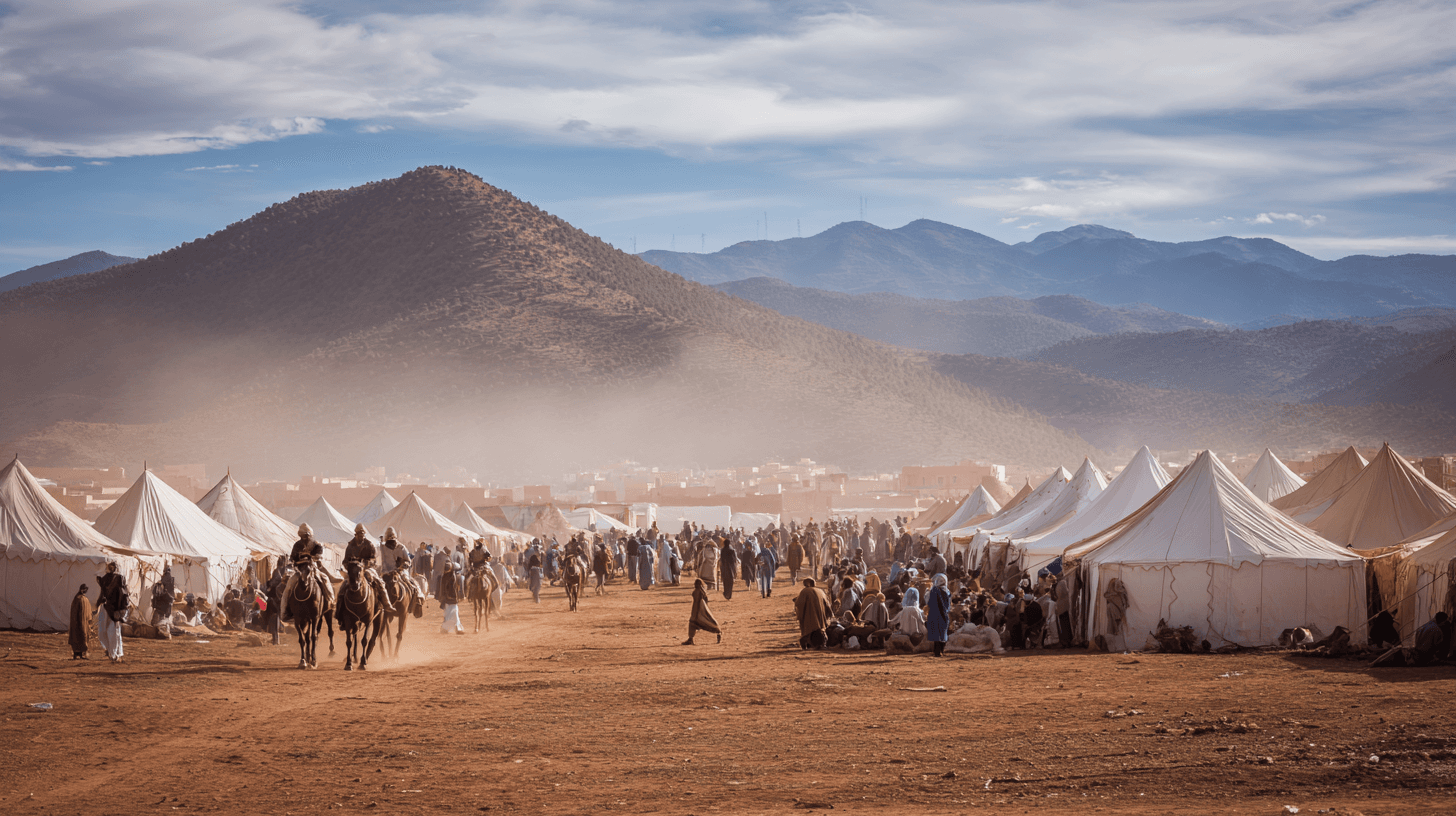
The camel market at Guelmim — the largest in Morocco — begins Saturday at daybreak. Herders from surrounding tribes converge on a patch of packed earth ten kilometers southeast of the city: Regeibat, Aït-Moussa-Ali, Aitoussa, Azwafits. Some have driven for days across the hammada. Some have walked their herds through the night.
And some are the Blue Men.
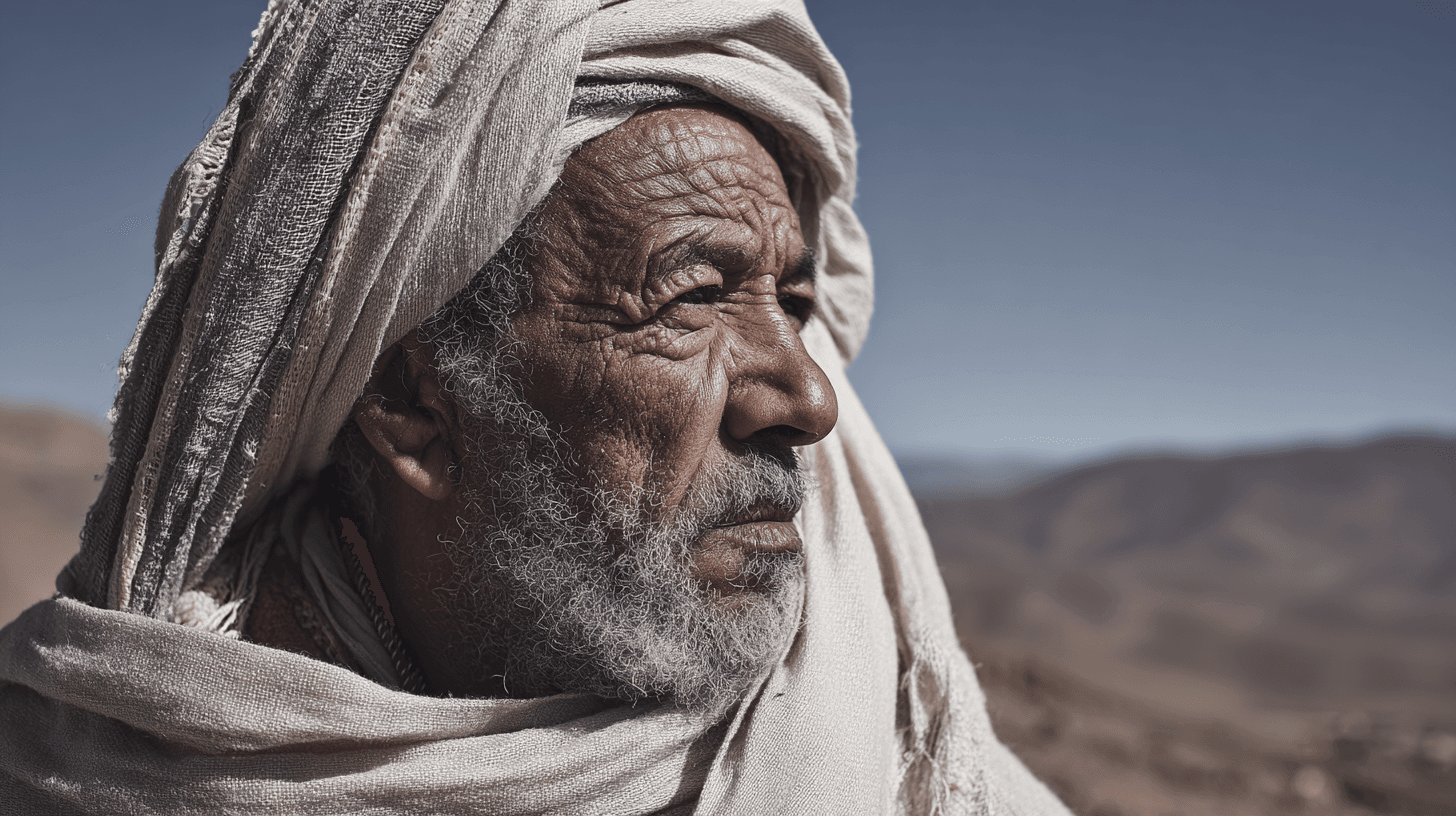
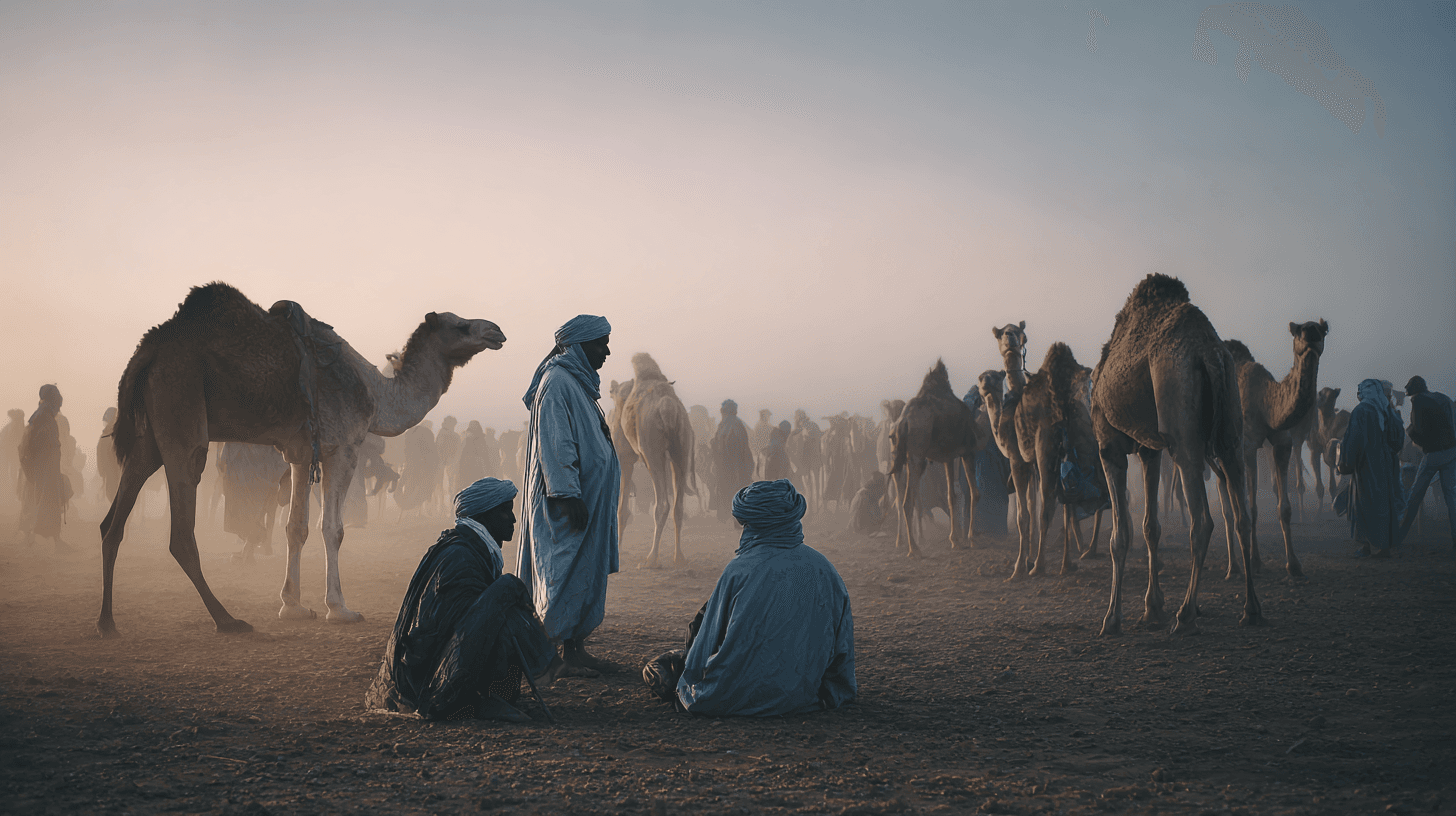
The Tuareg are called this not because they wear blue, but because the blue wears them. Their robes are dyed with indigo — pounded into the cloth rather than boiled, to save precious water. Over years, the color transfers to the skin. A man's blueness becomes a mark of wealth; only the rich can afford enough indigo to stain themselves permanently. Their Rolexes, not worn on their wrist, but in their skin.
Guelmim sits at the edge of the Sahara, where the Atlas Mountains give way to endless hammada. For centuries it was a crucial node in the trans-Saharan trade — the last stop before the caravans plunged south toward Timbuktu. Merchants exchanged salt for gold, cloth for slaves, dates for whatever the desert would yield. The camel made it all possible.
The dromedary is the one-humped species — "camel" technically refers to the two-humped Bactrian. It can survive for weeks without water, extracting moisture from the toughest desert plants. Its wide feet grip sand like snowshoes. Its nostrils seal against dust storms. Its body stores fat (not water — that's a myth) in its hump, metabolizing it during lean times.
At the Guelmim souk, herders inspect teeth to judge age, run hands along flanks to assess health, negotiate in rapid Arabic or Hassaniya or Tamazight. A good riding camel fetches thousands of dirhams. A breeding female is worth more. The transactions look ancient, but the buyers increasingly arrive in 4x4s rather than on camelback. The animals they purchase may end up as tourist transport in Merzouga rather than cargo carriers on the salt road.
The decline is real. Trucks replaced caravans. Highways bypassed the old routes. The annual Camel Festival in July has become more tourist spectacle than trade fair. But the weekly market persists. Every Saturday, the Blue Men still come, their skin stained indigo, their camels stamping and snorting in the cold morning air, trading as their ancestors did when Guelmim was the gateway to an empire.
A short drive away lies Plage Blanche — a pristine white beach on the Atlantic. Oases at Asrir and Tighmart offer palm shade and hospitality. The ruins of Fort Bou Jerif, a Foreign Legion outpost, crumble among the dunes.
But the camel souk is why people come. At daybreak on Saturday, where the desert begins, the past isn't entirely past.
The Facts
- •Guelmim — 'Gateway to the Desert' — largest camel market in Morocco
- •Market held every Saturday at daybreak, 10km southeast of city
- •Tuareg called 'Blue Men' — indigo dye transfers to skin from unwashed robes
- •Guelmim was historic terminus of trans-Saharan caravan routes to Timbuktu
- •Annual Camel Festival held in July
- •Tighmart oasis proposed for UNESCO World Heritage status
- •Fort Bou Jerif — ruins of French Foreign Legion outpost nearby
- •Plage Blanche — 60km of virgin white sand beach
Sources
- Morocco Travel Blog, 'The Guelmim Camel Festival' — market description|Morocco.com, 'Guelmim: A Lesser Known but Appealing Destination'|The Arab Weekly, 'The unspoiled landscape of Morocco's Guelmim-Oued Noun'|Notes from Camelid Country, 'The Tuareg, Blue Men of the Sahara'