The Galleries
Stone-age art in the High Atlas
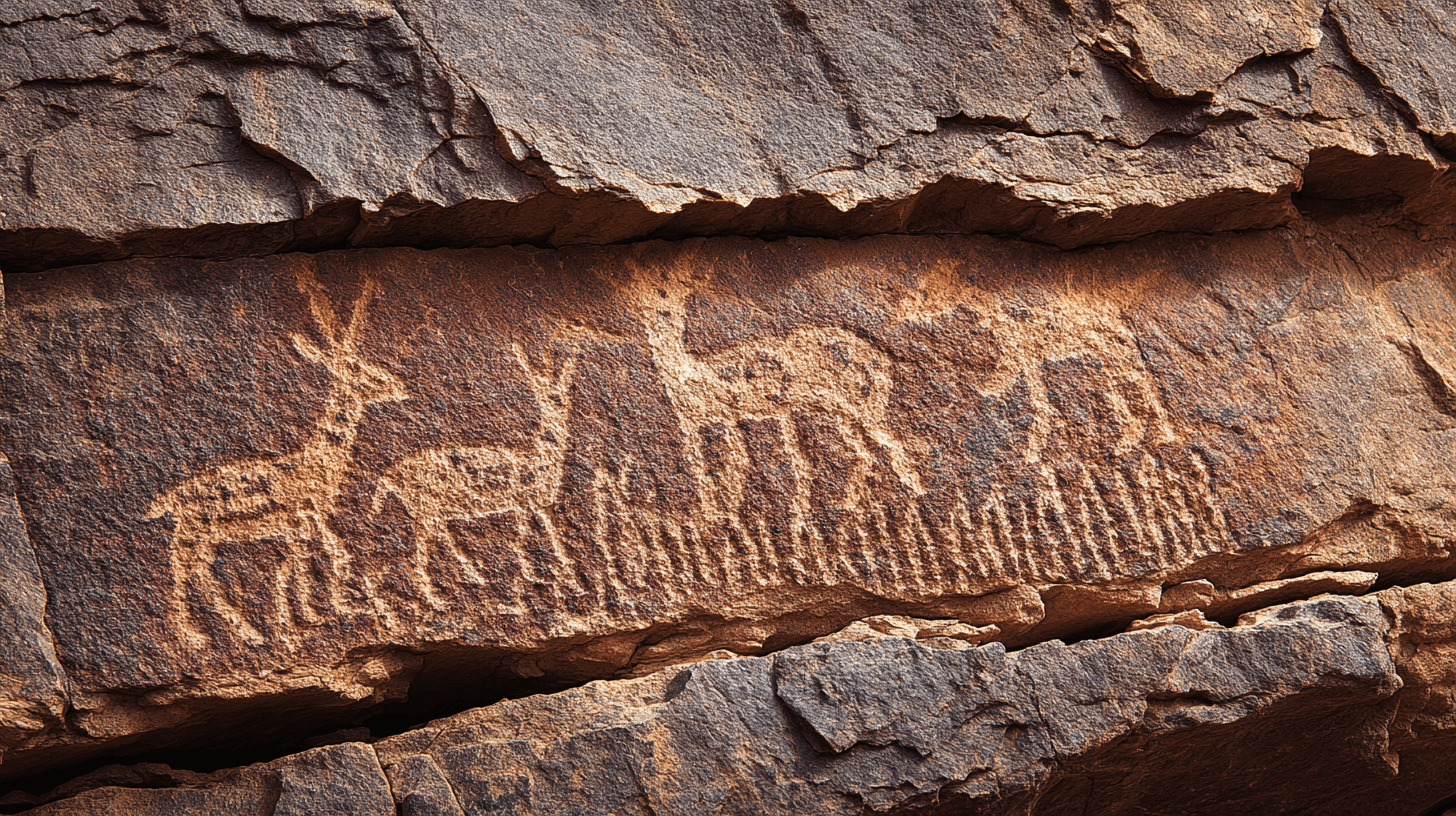
The elephant is engraved on sandstone at 2,300 meters, in a valley that has not seen elephants for five thousand years.
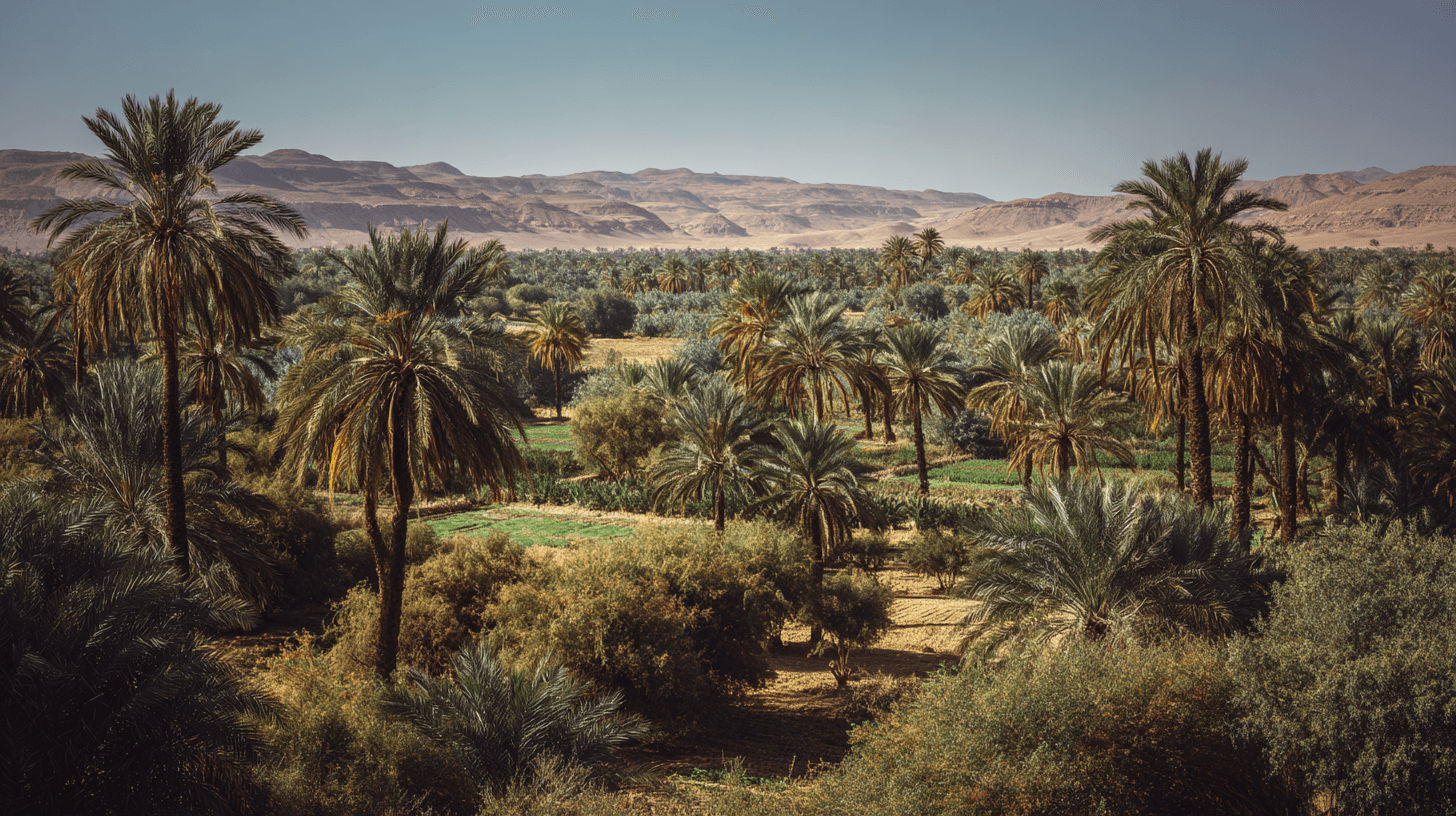
Morocco holds more than three hundred documented rock art sites, clustered in two regions: the High Atlas plateaus south of Marrakesh, and the Draa Valley stretching toward the Sahara. The engravings date from roughly 3000 BCE to the early centuries of the common era. They record a Morocco that no longer exists.
Oukaimeden, seventy kilometers south of Marrakesh, is now a ski resort; its sandstone slabs hold more than a thousand Bronze Age engravings—halberds, daggers, shields, battle scenes.
The Draa Valley sites are older and wilder. Foum Chenna holds over eight hundred engravings: riders on horseback, ostriches, mouflons, Libyco-Berber inscriptions.
The British Museum's TARA project has documented 921 images for digital preservation.
Sources
- Searight, Susan, The Prehistoric Rock Art of Morocco: A Study of Its Extension, Environment and Meaning (BAR International Series, 2004) British Museum, TARA (Trust for African Rock Art) project digital archive Rodrigue, Alain, L'art rupestre du Haut Atlas marocain (L'Harmattan, 1999) Proceedings of the Prehistoric Society, various articles on Moroccan rock art