The Green Sahara
When the desert was an ocean of grass
Six thousand years ago, you could have canoed across the Sahara.
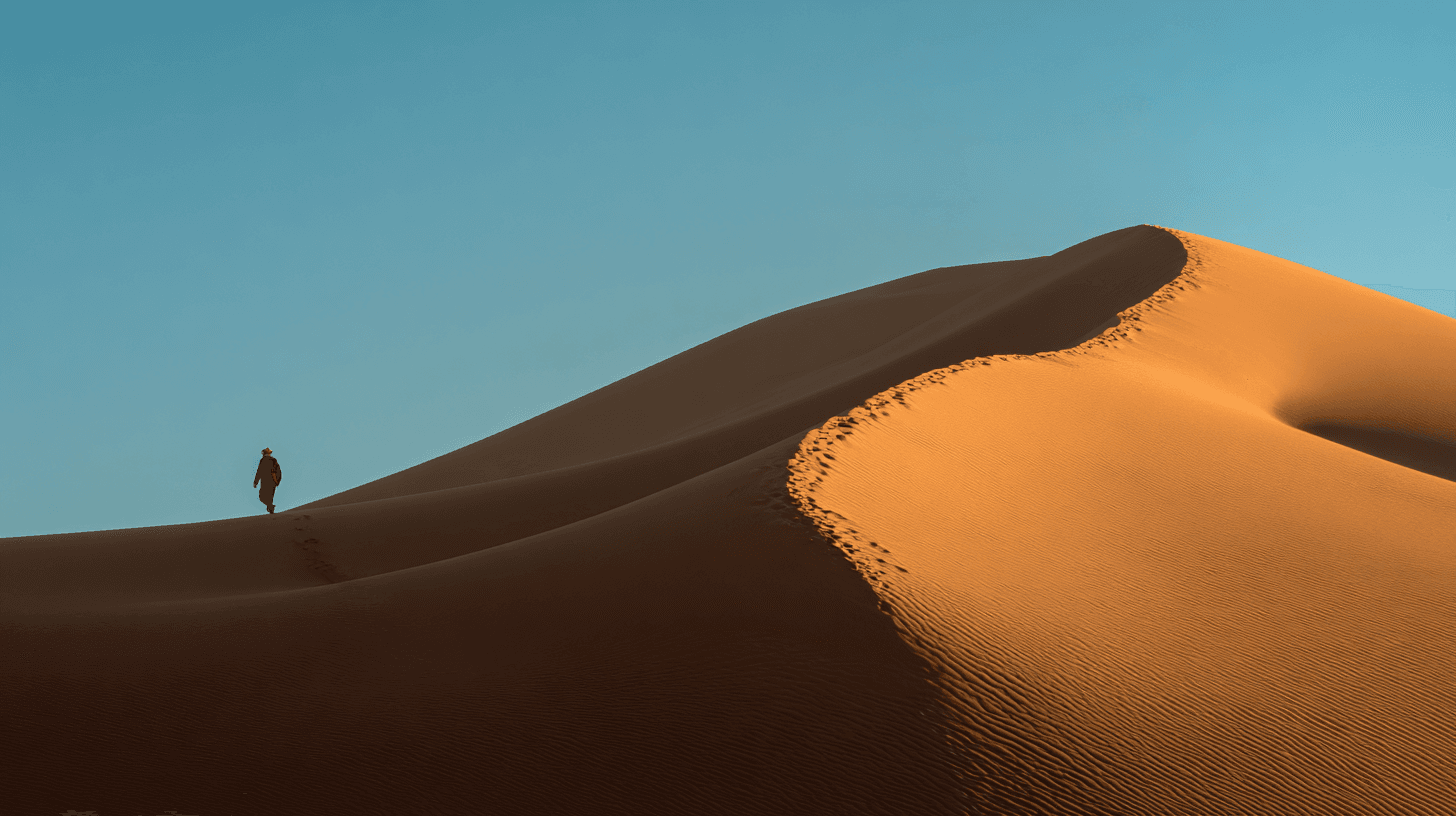
The evidence is everywhere if you know where to look. The Dufuna Canoe, one of the oldest boats ever recovered, was found in 1987 in the middle of what is now desert. Lake Chad — today a shrinking remnant fought over by four countries — was once Lake Megachad, covering an area the size of the Caspian Sea, perhaps 8% of the entire Sahara. Rivers connected the Atlantic to the Mediterranean. Hippopotami wallowed in waters where sand dunes now reach 200 meters high.
This was the African Humid Period, and it transformed the planet.
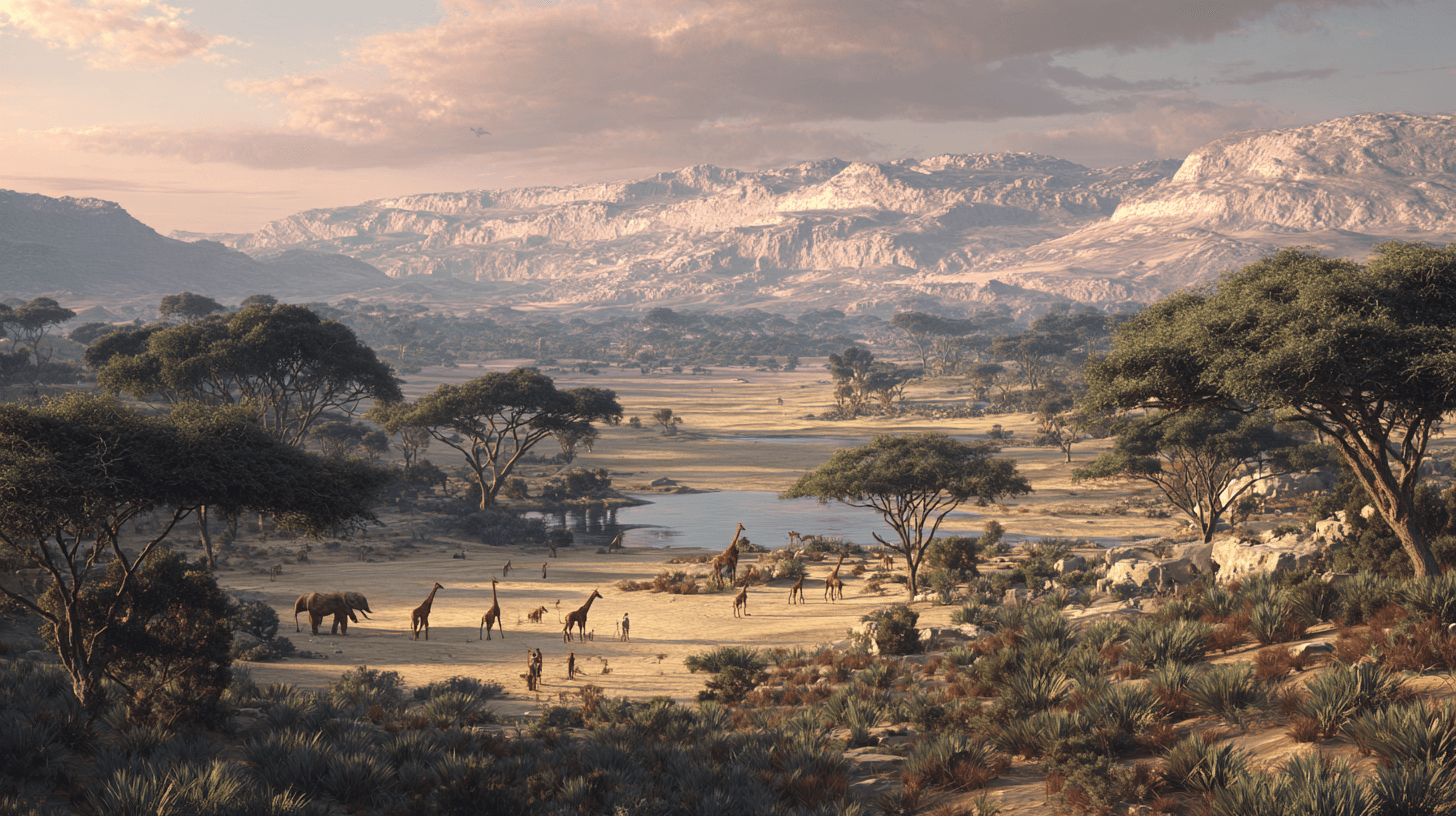
Between 11,000 and 5,000 years ago, the Sahara was a savannah. Grasslands stretched where nothing grows today. Elephants, giraffes, rhinos, and crocodiles roamed landscapes that received ten times the current rainfall. Hunter-gatherer communities thrived; their descendants would eventually gather in the Nile Valley and create Egypt.
The paintings prove it. At Tassili n'Ajjer in Algeria — "the plateau of chasms" — more than 15,000 rock paintings and engravings record what these people saw. Hippos swimming. Giraffes grazing. Hunters with bows. Cattle herds. Women dancing. The images date from 12,000 years ago to the first centuries of our era, a continuous record of a world that no longer exists.
The shift came slowly, then all at once.
Earth wobbles on its axis in cycles of roughly 20,000 years. When the wobble brings the Northern Hemisphere closer to the sun during summer, temperatures rise, monsoons strengthen, and the Sahara greens. When the wobble tilts away, the rains retreat. The African Humid Period was one phase in a cycle that has repeated for millions of years.
But the end was not gradual. Around 5,500 years ago, the Sahara dried out over just a few centuries — maybe faster. The lush savannah collapsed into desert. The human population scattered. Some moved to the Nile, where irrigation could replace the vanishing rains. Some went south to sub-Saharan Africa. Some stayed and adapted, becoming the nomads who navigate the desert today.
The timing is extraordinary. Egypt unified under its first pharaoh around 3100 BCE — just as the Sahara became uninhabitable. The first dynasties rose on the banks of the Nile because the Nile was the only place left with water.
In Tassili, the later rock art shows camels — animals introduced after the drying, able to survive where cattle could not. The weeping cows of one famous painting seem to foresee what was coming. The hurried, scratchy images of the final period look like the work of people on the move, leaving messages for no one.
The cycle continues. In another 10,000 years, if the wobble holds, the Sahara may green again. The hippos may return. The canoes may paddle where dunes now tower.
Until then, the paintings remember.
The Facts
- •African Humid Period lasted 11,000 to 5,000 years ago
- •Sahara received 10x current rainfall during this period
- •Lake Megachad covered ~8% of the Sahara — larger than the Caspian Sea
- •Tassili n'Ajjer (Algeria) has 15,000+ rock paintings/engravings — UNESCO World Heritage site
- •Rock art depicts hippos, giraffes, elephants, crocodiles, cattle herds
- •Sahara drying coincides with Egypt's unification under first pharaoh (~3100 BCE)
- •Dufuna Canoe (Nigeria, 8,000 years old) — found in middle of desert
- •Earth's axial wobble cycles ~20,000 years — controls Saharan humidity
- •Rapid desertification occurred over just a few centuries around 5,500 years ago
Sources
- Wikipedia, 'African humid period' — scientific overview|Nature Scitable, 'Green Sahara: African Humid Periods Paced by Earth's Orbital Changes'|Science Advances, 'Rainfall regimes of the Green Sahara' (2017)|Texas A&M, '6,000 Years Ago The Sahara Desert Was Tropical'|UNESCO, 'Tassili n'Ajjer' — World Heritage listing|National Geographic, 'Prehistoric rock art in North Africa' (2024)