Morocco's Water Crisis
Reservoir levels, rainfall decline, desalination projects — the data behind the drought emergency
Morocco has 149 large dams with a combined storage capacity of 19.1 billion cubic metres. As of 2025, average fill rates are below 30%. Some dams in the eastern regions are below 10%. The Al Massira dam — the second largest in the country, supplying Marrakech and Casablanca — dropped below 5% capacity in 2024.
Rainfall has declined. The average annual precipitation has fallen roughly 20% over the past three decades. The pattern is not simply less rain but more erratic rain — longer dry spells punctuated by intense downpours that cause flooding rather than replenishing aquifers. Climate models project a further 10-20% decline by 2050.
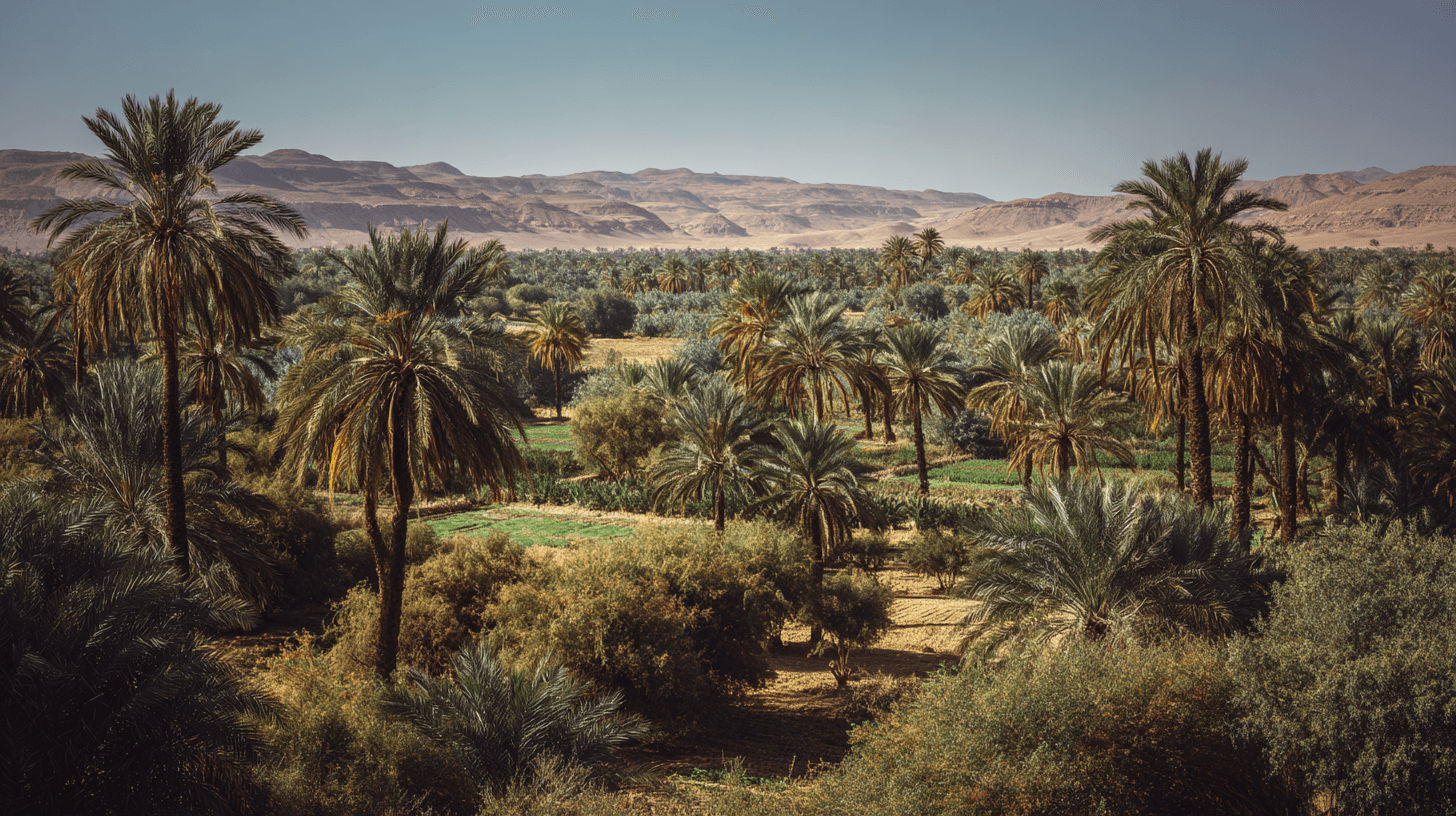
Agriculture consumes over 85% of Morocco's water. Citrus, olives, and vegetables for export require irrigation. The Souss-Massa aquifer — which feeds Agadir's agriculture — is being pumped faster than it recharges. Wells that reached water at 30 metres now drill to 200. Some have gone dry entirely.
The government response is massive. A $12 billion programme launched in 2020 includes 20 new dams, 19 desalination plants, and the largest water transfer infrastructure in Africa. The Casablanca desalination plant — the largest in Africa — will produce 300 million cubic metres per year by 2027. The Dakhla plant is already operational.
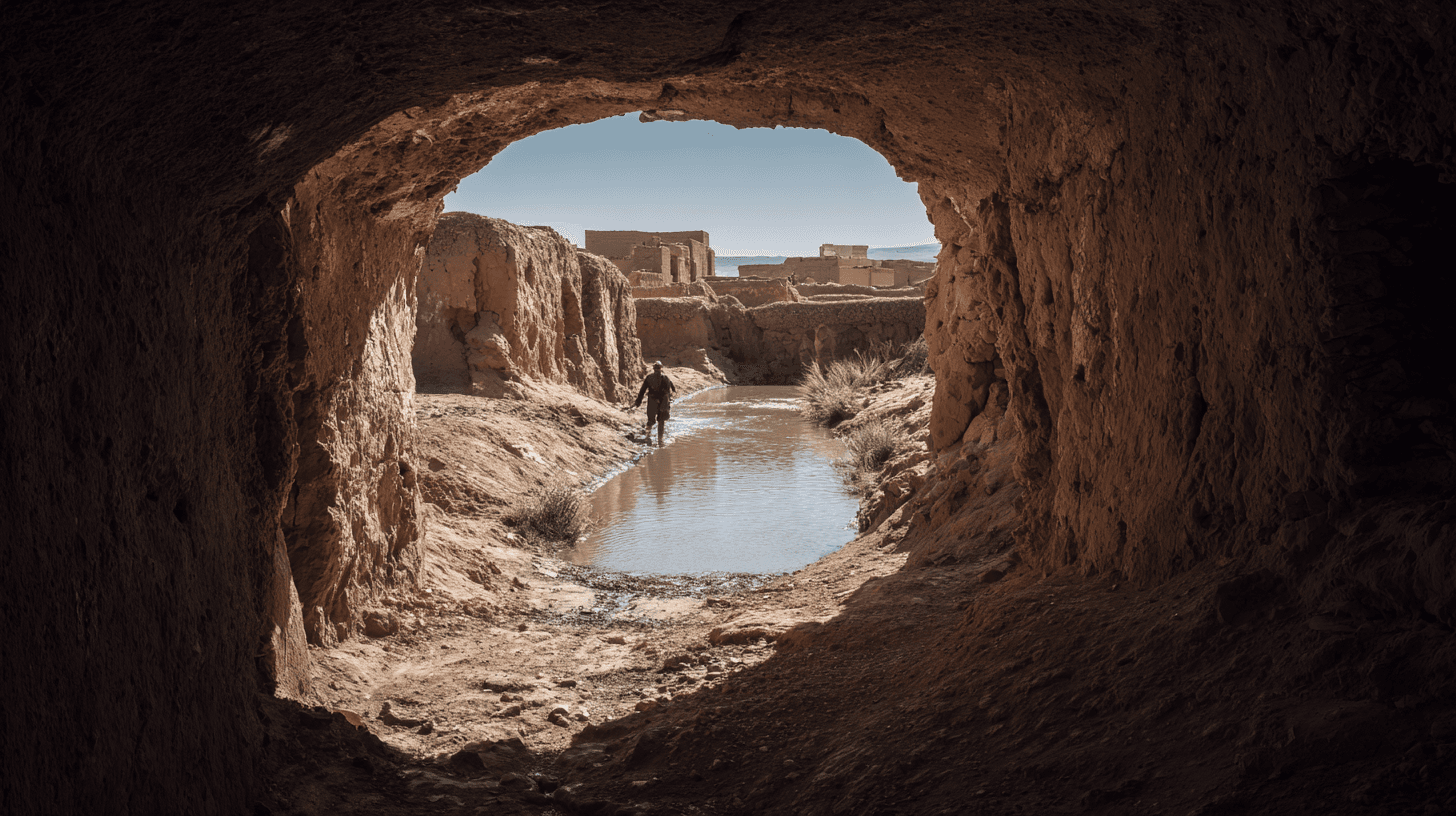
The khettara system — the ancient underground channels that once irrigated the Haouz plain around Marrakech — has largely collapsed. Of over 500 khettaras documented in the 1970s, fewer than 100 still function. The water table they once tapped has dropped beyond their reach.
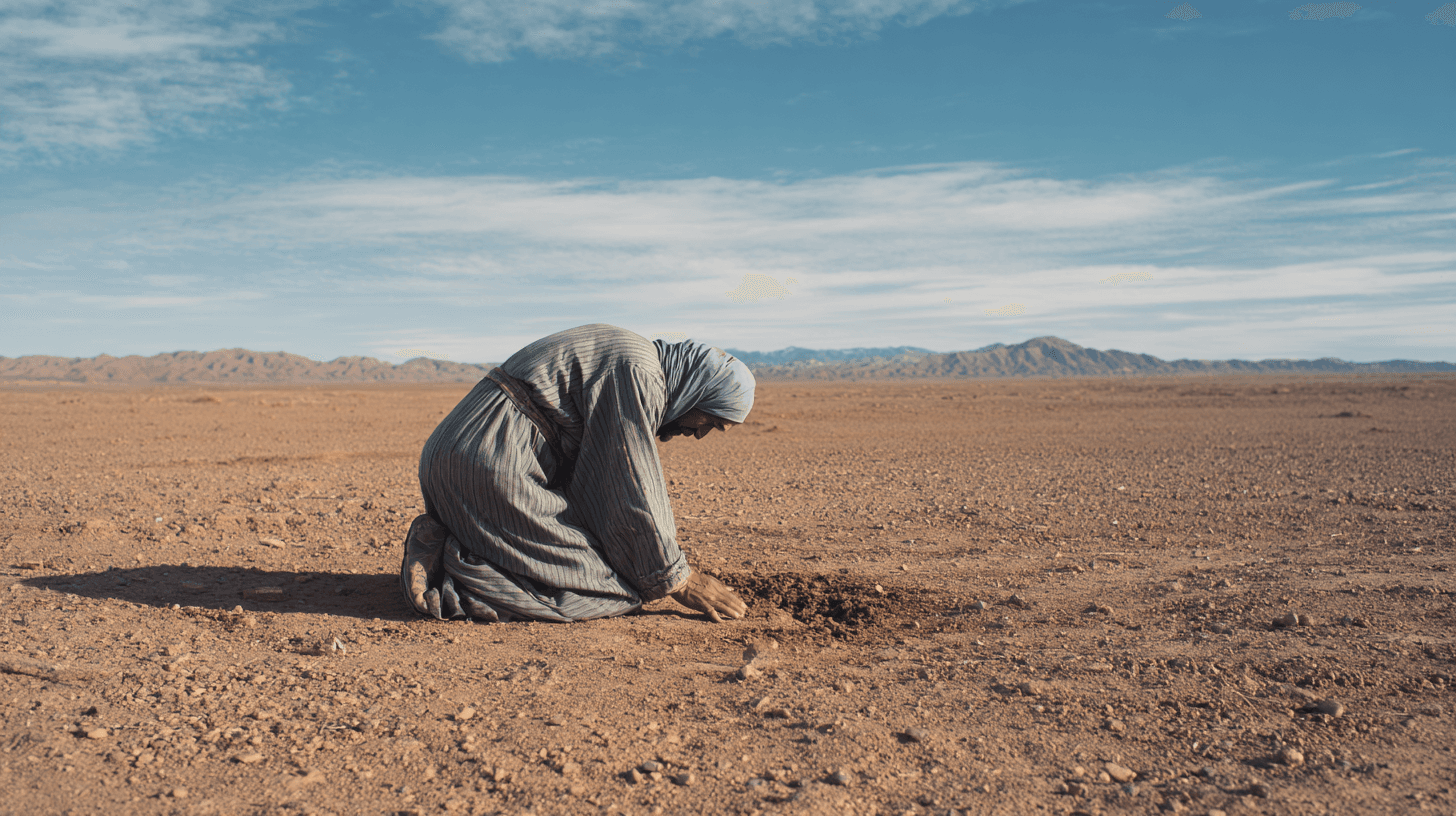
The crisis is not invisible. Farmers in the Draa Valley have abandoned fields. Urban rationing has been implemented in several cities. The countryside is emptying as agricultural livelihoods collapse. Morocco's water equation must be solved before 2030. The data says it is not yet being solved fast enough.
Explore the full interactive module — with dam fill rates, rainfall data, aquifer depletion maps, and the desalination programme — at Dancing with Lions: https://www.dancingwiththelions.com/data/water-crisis
Interactive Module
Data and visualisation by Dancing with Lions