The Alphabet in Stone
The Berbers have been writing for 3,000 years. Most of it is carved into rock.
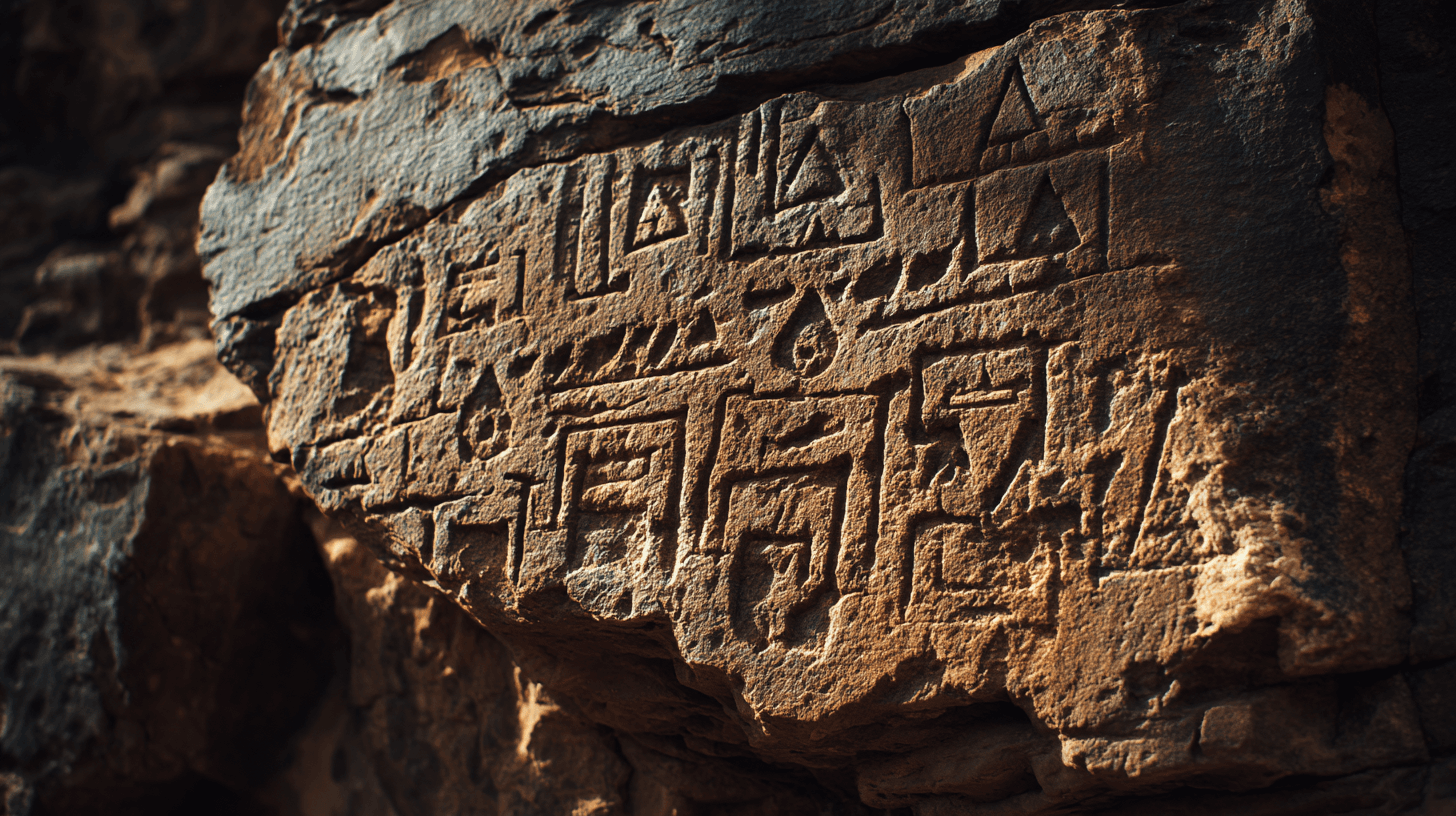
The letters look like geometry — triangles, circles, crosses, lines at sharp angles.
Tifinagh is one of the oldest writing systems still in use. The Berbers — the Amazigh, "the free people" — developed it over 3,000 years ago, probably derived from Phoenician script but transformed into something uniquely North African. While Greeks were still refining their alphabet and Romans hadn't yet built Rome, Berber merchants and travelers were carving messages into rocks across the Sahara.
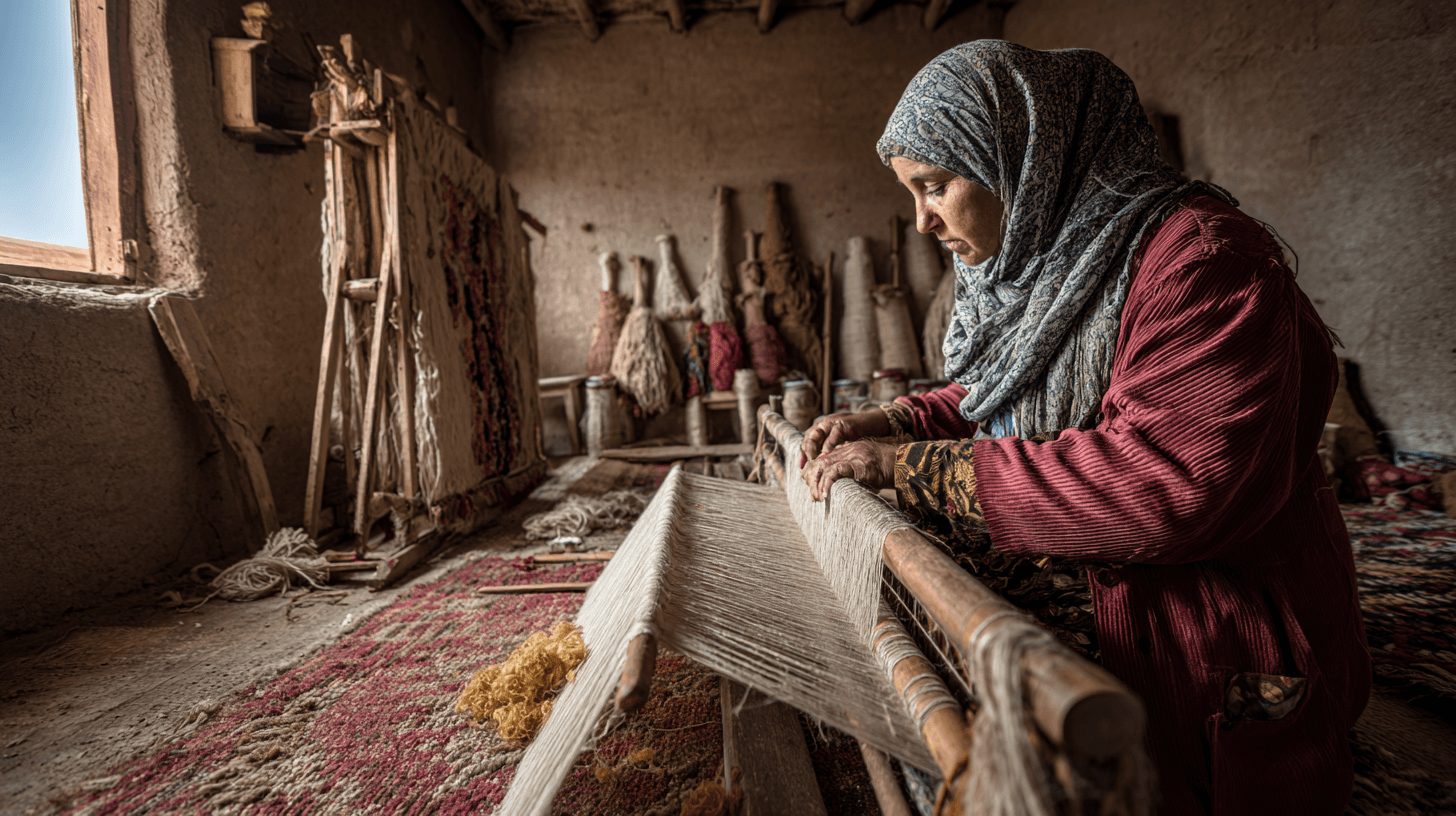
The script nearly died. Arab conquest brought Arabic. French colonization brought French. Berber languages were banned from schools, discouraged in public life, treated as the tongue of the uneducated. Tifinagh retreated to the Tuareg of the deep Sahara, who kept it alive as a secret script — used for love letters, poetry, messages between women that men couldn't read.
Then it came back.
In 2003, Morocco's King Mohammed VI established the Royal Institute of Amazigh Culture. Tifinagh was standardized, taught in schools, added to street signs. The language that colonizers tried to erase is now on government buildings.
But the oldest Tifinagh is still in the desert, where it's always been.
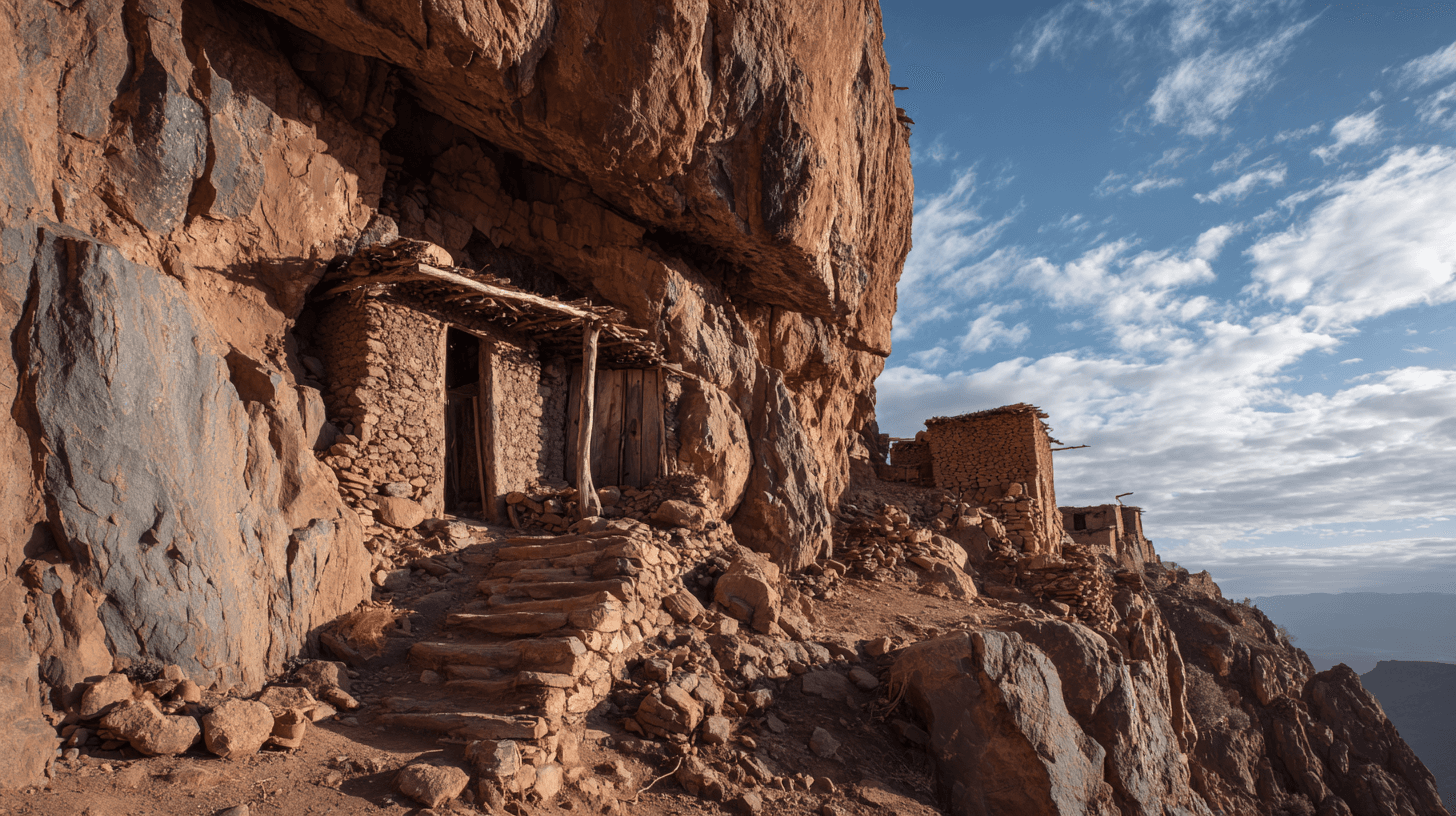
In the Draa Valley, in the Jebel Saghro, across the Anti-Atlas, inscriptions cover rock faces. Some are 2,000 years old. Some are older. They mark trade routes, water sources, tribal territories. They record names, boasts, prayers. Most have never been fully translated — the ancient forms differ from modern Tifinagh, and context is lost.
What survives is the shape of the letters themselves: angular, geometric, built to be carved with stone tools into hard surfaces. They look like the landscape that made them — jagged, spare, built to last.
The Tuareg say Tifinagh was given to them by their ancestral queen, Tin Hinan. Archaeologists say it evolved from Phoenician over centuries of adaptation. Both stories are probably true in their own way. Scripts don't fall from the sky. They're made by people who need to say something permanent.
The Berbers needed to say: we were here. We're still here. Read it in the stone.
The Facts
- •Tifinagh dates to at least 1000 BCE
- •The script was standardized by IRCAM in 2003
- •Morocco added Amazigh as an official language in 2011
- •Ancient Tifinagh inscriptions are found across North Africa and the Sahara
- •The Tuareg preserved the script through centuries of Arabic/French dominance
- •Modern Tifinagh has 33 letters
Sources
- Galand, Lionel. 'Études de Linguistique Berbère.' Peeters
- Hachid, Malika. 'Les Premiers Berbères.' Edisud
- IRCAM (Institut Royal de la Culture Amazighe) documentation