The Fortress of Grain
In the Anti-Atlas, trust was built in stone — one family's compartment at a time
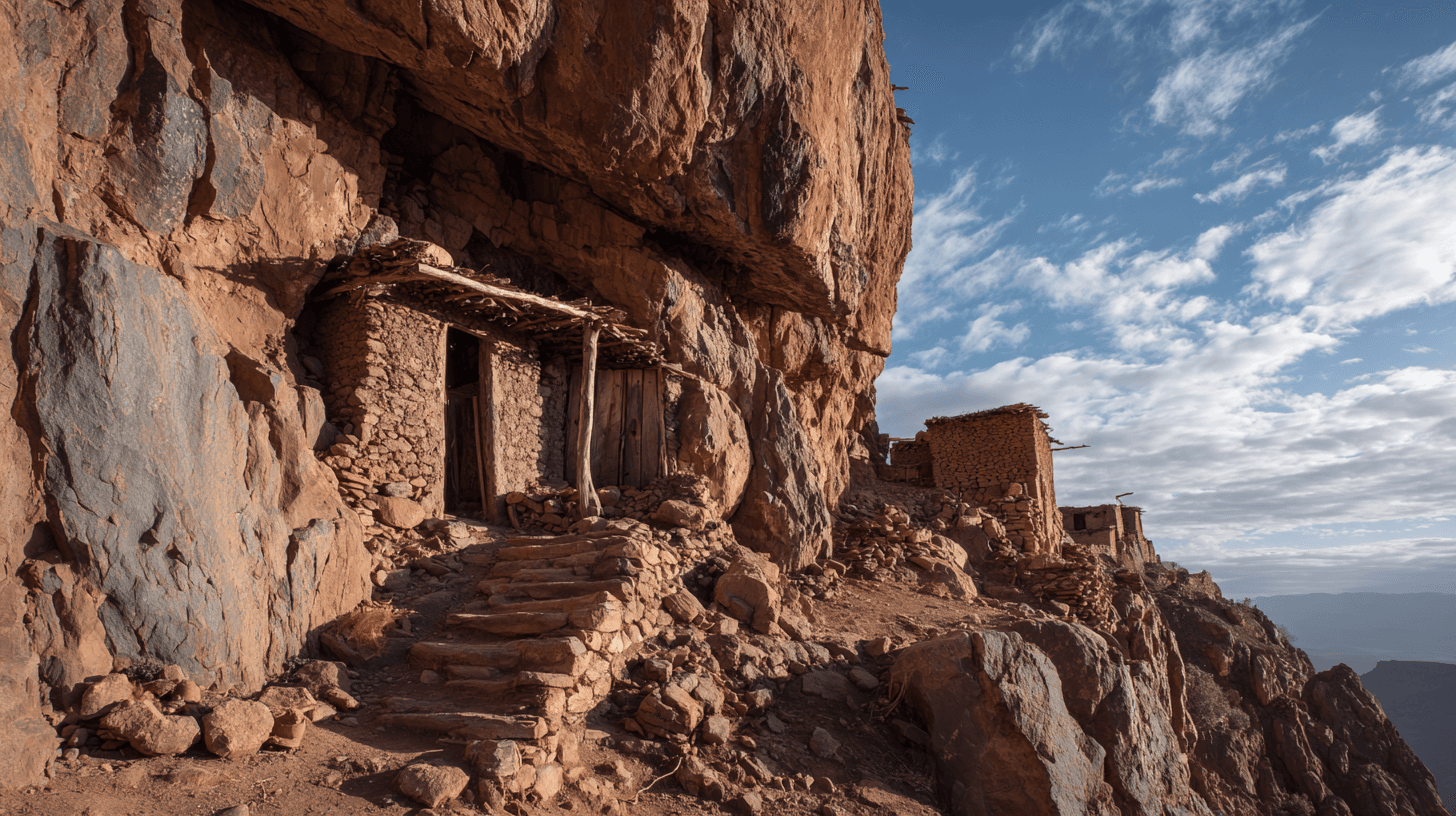
The doors are barely two feet high. There are hundreds of them.
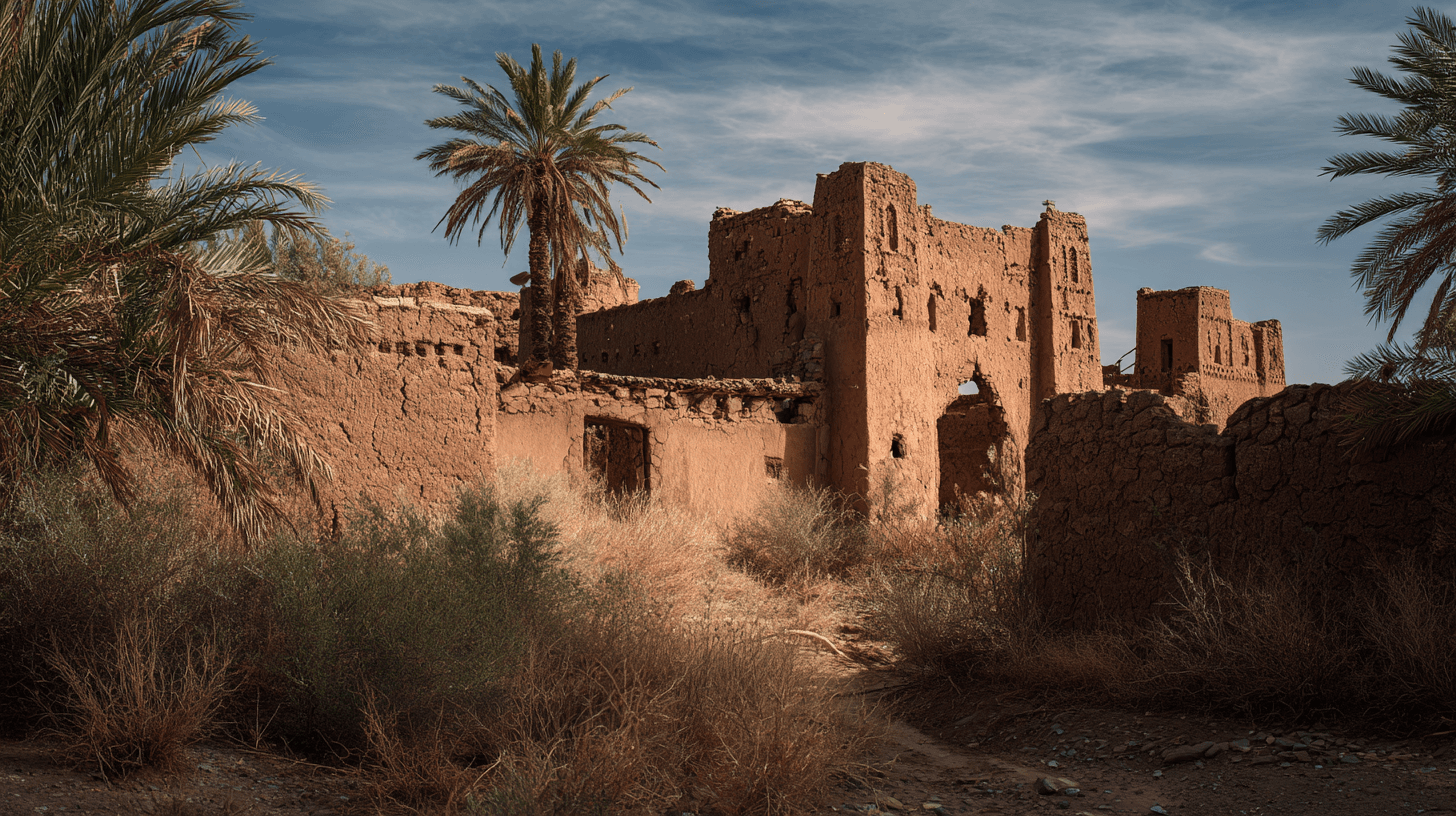
An agadir — a fortified granary — looks like a honeycomb carved into a cliff face. Each tiny door opens to a single family's compartment, stacked four or five stories high, accessible only by precarious wooden ladders or carved footholds. Some agadirs have over 300 compartments. Some are a thousand years old.
This was the Berber banking system.
In the Anti-Atlas mountains, where rainfall is scarce and one bad year could mean starvation, grain was wealth. But grain stored at home could be stolen, burned, seized by raiders. The solution was collective: build a fortress, give each family a vault, and guard it together.
The rules were precise. Each family owned their compartment — the right passed from generation to generation like property. Keys were unique, hand-forged, impossible to duplicate. The agadir had a guardian, elected by the community, who lived on-site and controlled access. No one could enter alone. No one could enter at night. The guardian answered to the jmaa — the village assembly — and could be removed for any breach of trust.
What's remarkable is what the agadirs didn't need: locks on the main gate. Armed guards. Written records. The system ran on reputation. A family that violated the rules — that stole, that cheated — would be expelled. Their compartment would be sealed. Their name would be worthless across the region. In a landscape where survival depended on trade and mutual aid, social death was worse than physical death.
The agadirs held more than grain. Families stored documents, jewelry, weapons, anything too valuable to keep at home. Some compartments haven't been opened in decades — the families have moved away, but the doors remain theirs, the contents undisturbed.
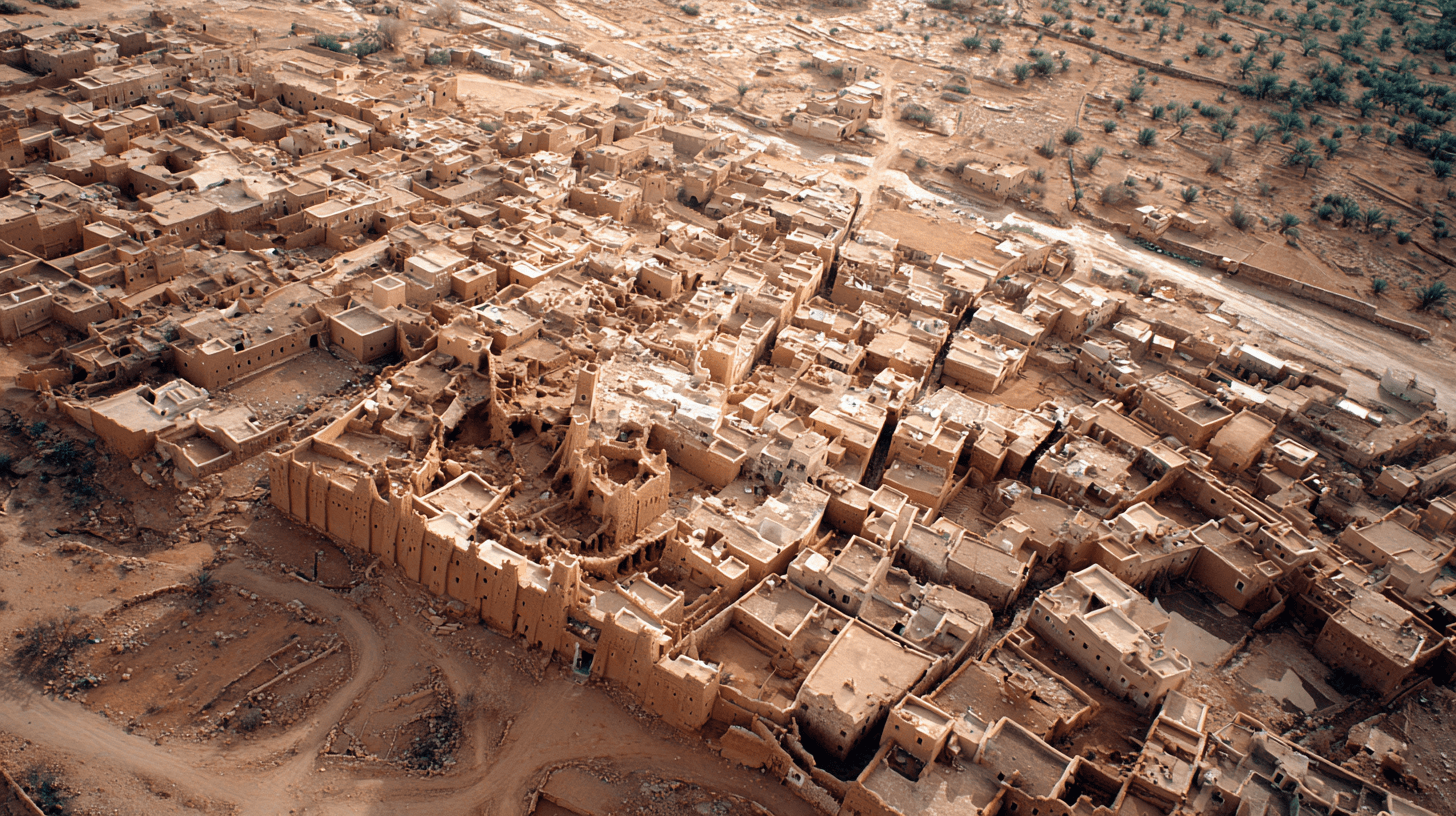
Many agadirs are abandoned now, or converted to museums. The economics changed; roads brought markets, markets brought cash, cash made communal storage obsolete. But the buildings remain, perched on cliffs across the Anti-Atlas, monuments to a time when trust was architecture and your word was your vault.
The Facts
- •Some agadirs in the Anti-Atlas date to the 12th century
- •Agadir Id Aissa near Amtoudi has over 300 compartments
- •Each family's compartment rights were hereditary
- •The guardian (amin) was elected by village assembly
- •Many agadirs are UNESCO-recognized heritage sites
- •The word 'Agadir' (the city) means 'fortified granary'
- •Brad Pitt and Cate Blanchett filmed 'Babel' (2006) at Kasbah des Caids in Tamnougalt — the film won Best Director at Cannes and was nominated for 7 Oscars
Sources
- Montagne, Robert. 'Les Berbères et le Makhzen.' Paris
- Naji, Salima. 'Greniers Collectifs de l'Atlas.' Edisud
- Jacques-Meunié, Djinn. 'Architectures et Habitats du Dadès.' Paris