The Kidnapped Geographer
Leo Africanus and the book that defined a continent
In 1518, a ship carrying a young diplomat named al-Hasan ibn Muhammad al-Wazzan was captured by Spanish pirates near the island of Djerba. The pirates recognized him as someone valuable—he was a well-traveled scholar from Fez who had crossed the Sahara multiple times. They brought him to Rome and presented him to Pope Leo X as a gift.
The Pope was delighted. He had the young man instructed in Latin and Italian. In 1520, he baptized him in St. Peter's Basilica, giving him the papal name: Giovanni Leone—John Leo. He is known to history as Leo Africanus.
Leo spent the next decade in Rome, where he wrote—in Italian—his 'Descrittione dell'Africa.' The Description of Africa, published in 1550, became the standard European reference on the continent for the next four hundred years. Before Leo, European knowledge of Africa south of the Sahara was vague mythology: gold, monsters, the kingdom of Prester John. After Leo, there were maps, cities, trade routes, kingdoms with names and rulers.
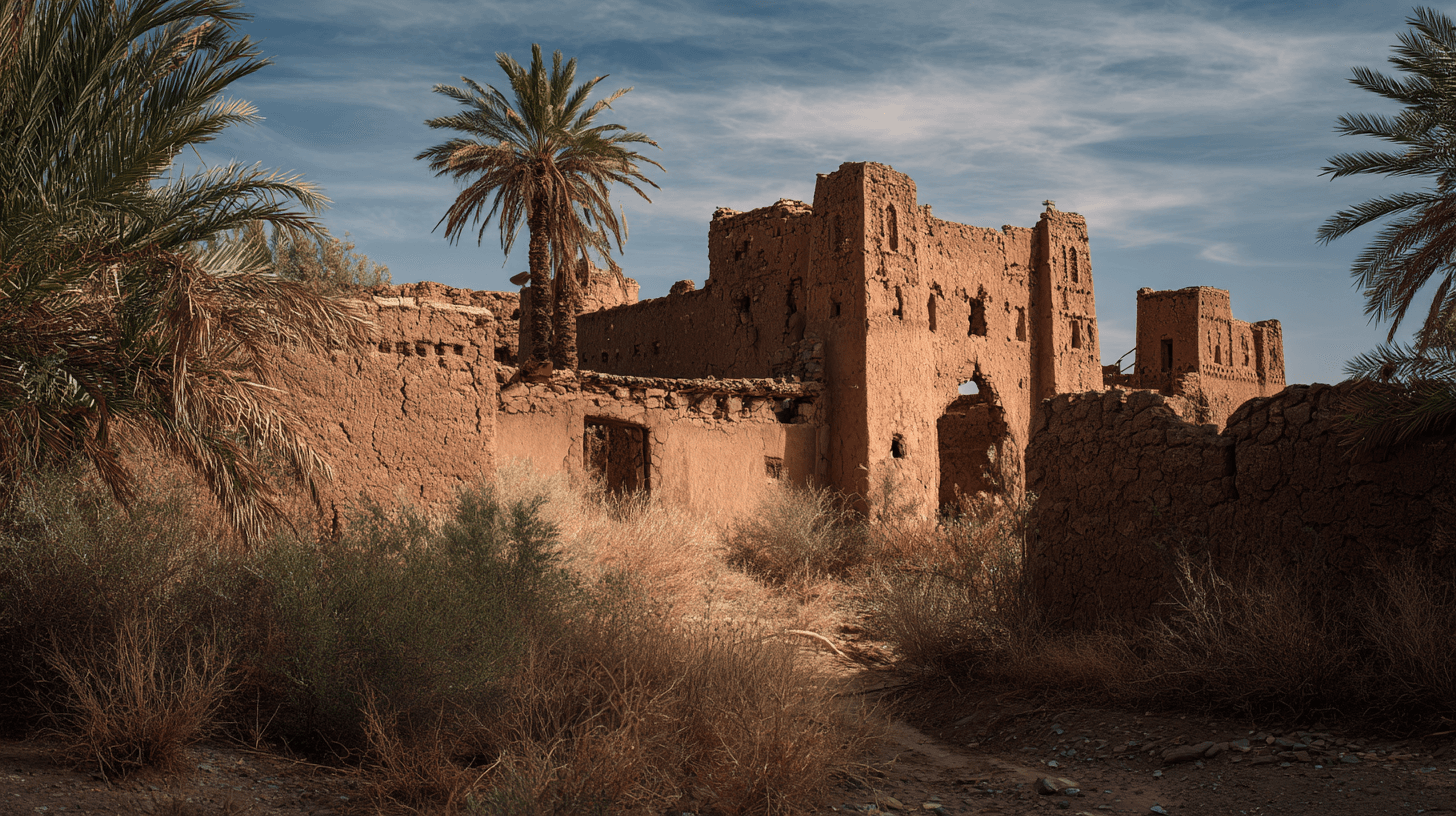
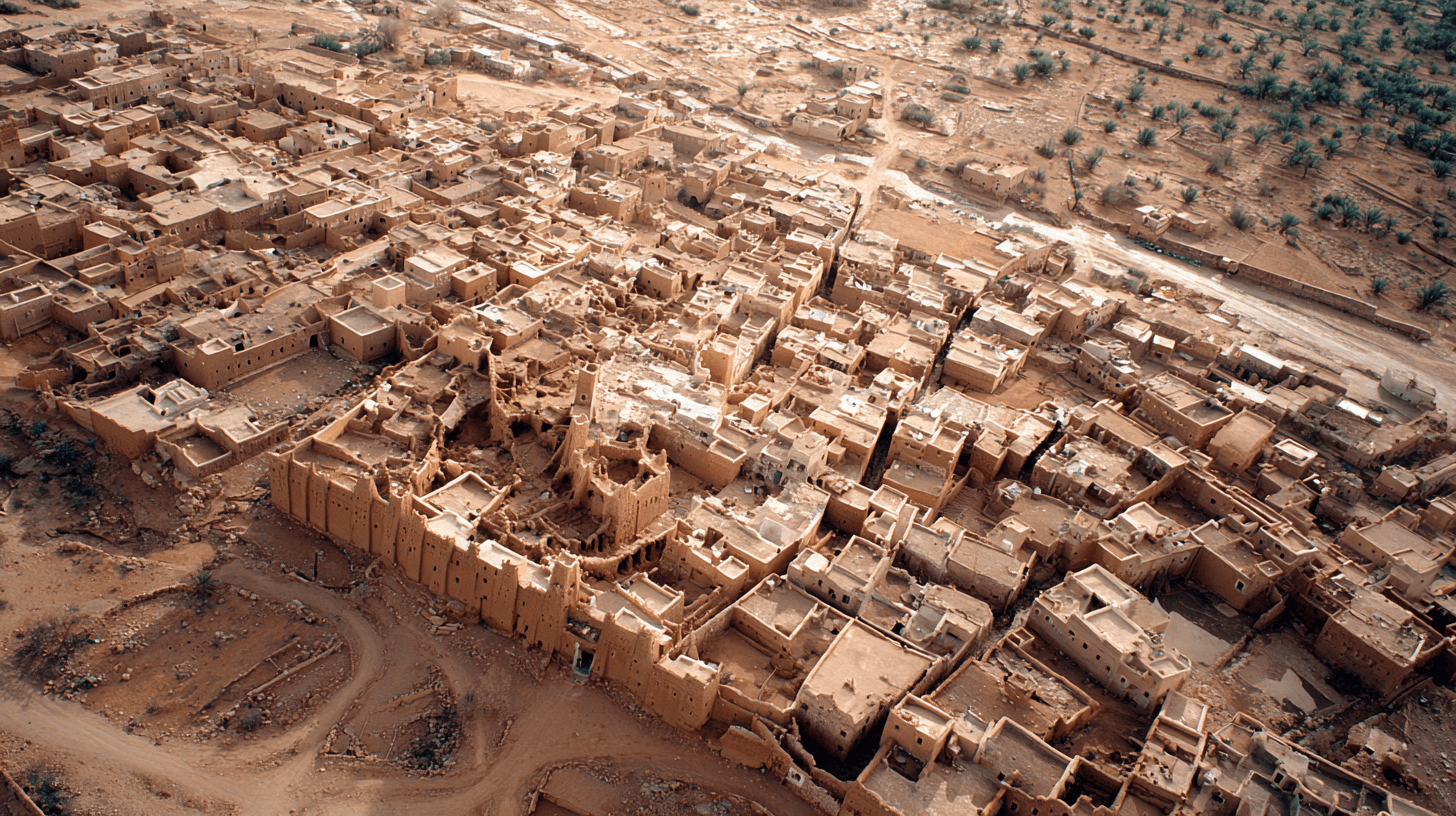
He described Timbuktu, which he had visited as a young man: 'Here are many shops of artificers and merchants, and especially of such as weave linen and cotton cloth.' He described the salt mines of Taghaza, where buildings were made of salt blocks and salt was worth its weight in gold. He described the court of the Songhai emperor Askia Muhammad, the markets of Gao, the caravans that crossed the desert.
But Leo was not a neutral observer. He was a captive, writing to please his captors. His descriptions of African sexual customs were titillating for European readers. His judgments sometimes echoed Christian prejudices. And his geography, while better than anything Europe had, was often secondhand—he had not visited everywhere he described.
His later life is a mystery. After Pope Leo X died in 1521, records of Leo Africanus grow sparse. Some scholars believe he returned to North Africa after the Sack of Rome in 1527. Some believe he reconverted to Islam and died in Tunis. The last known reference to him dates to 1552. After that, silence.
What survives is the book. It was translated into Latin, French, Dutch, and English. It shaped European cartography for centuries. When Europeans drew maps of Africa, they were drawing Leo's Africa—the Africa of a captive from Fez who had crossed the Sahara before he was captured, and who never chose to write the book that made him famous.
There is a novel about him by Amin Maalouf, Leo Africanus, published in 1986. It imagines his life as a man caught between civilizations. The reality may have been simpler: a scholar who made the best of captivity, wrote what his patrons wanted, and eventually went home.
The Facts
- •Captured by pirates 1518
- •Baptized by Pope Leo X in St. Peter's 1520
- •Description of Africa published 1550
- •Standard European reference for 400 years
- •Last known reference 1552
- •Novel by Amin Maalouf 1986
- •Born al-Hasan ibn Muhammad al-Wazzan
Sources
- Leo Africanus, Description of Africa (1550)
- Zhiri, An African in Rome: Leo Africanus (2005)
- Maalouf, Leo Africanus (novel, 1986)