The Man Who Walked the World
Ibn Battuta's 75000-mile journey
In June 1325, a twenty-one-year-old judge's son left Tangier for Mecca. His name was Ibn Battuta. He intended to make the hajj—the pilgrimage that every Muslim who can afford it is expected to complete at least once. He did not intend to be gone for twenty-nine years.
The journey from Tangier to Mecca is roughly 3,000 miles. Ibn Battuta covered that distance—and then kept going. By the time he returned to Morocco in 1354, he had traveled approximately 75,000 miles. Marco Polo, the most famous traveler of the medieval world, covered about 24,000 miles in his lifetime. Ibn Battuta tripled him.
The itinerary reads like fever dream. From Mecca, he went north to Baghdad, then south to the Horn of Africa. He visited Mogadishu and the coast of Kenya. He crossed the Black Sea to the territory of the Golden Horde, then accompanied one of the Khan's wives to Constantinople. From there he went to Central Asia, crossed the Hindu Kush into India, and spent eight years in Delhi as a judge. The sultan of Delhi sent him as an ambassador to China—a voyage that included a shipwreck in the Maldives, a stint as a judge there (he tried and failed to enforce the veil), and finally a passage to what he claimed was Beijing.
Modern scholars are skeptical about China. The descriptions in his travelogue, dictated years later, contain errors that suggest he may have copied from other sources. But even if you subtract China, the documented journeys are staggering: Persia, Iraq, East Africa, Anatolia, the Crimea, India, Sri Lanka, the Maldives, Bangladesh, Southeast Asia.
He returned to Morocco in 1349 to find both his parents dead—his mother from the plague, his father years earlier. He didn't stay long. He crossed to Spain, visited Granada, then returned to Morocco and set off across the Sahara to the Mali Empire. He reached Timbuktu in 1352.
In 1354, the Sultan of Morocco ordered him to dictate his travels. The result was the Rihla—formally titled 'A Gift to Those Who Contemplate the Wonders of Cities and the Marvels of Journeys.' His scribe was Ibn Juzayy, an Andalusian scholar who shaped the raw memories into literature.
Ibn Battuta met over sixty sultans and two thousand notable figures. He observed that Turk women traded openly and did not veil their faces. He noted that in inner West Africa, inheritance passed through the mother's line. He documented foods, customs, currencies, and climates across the medieval Islamic world and beyond.
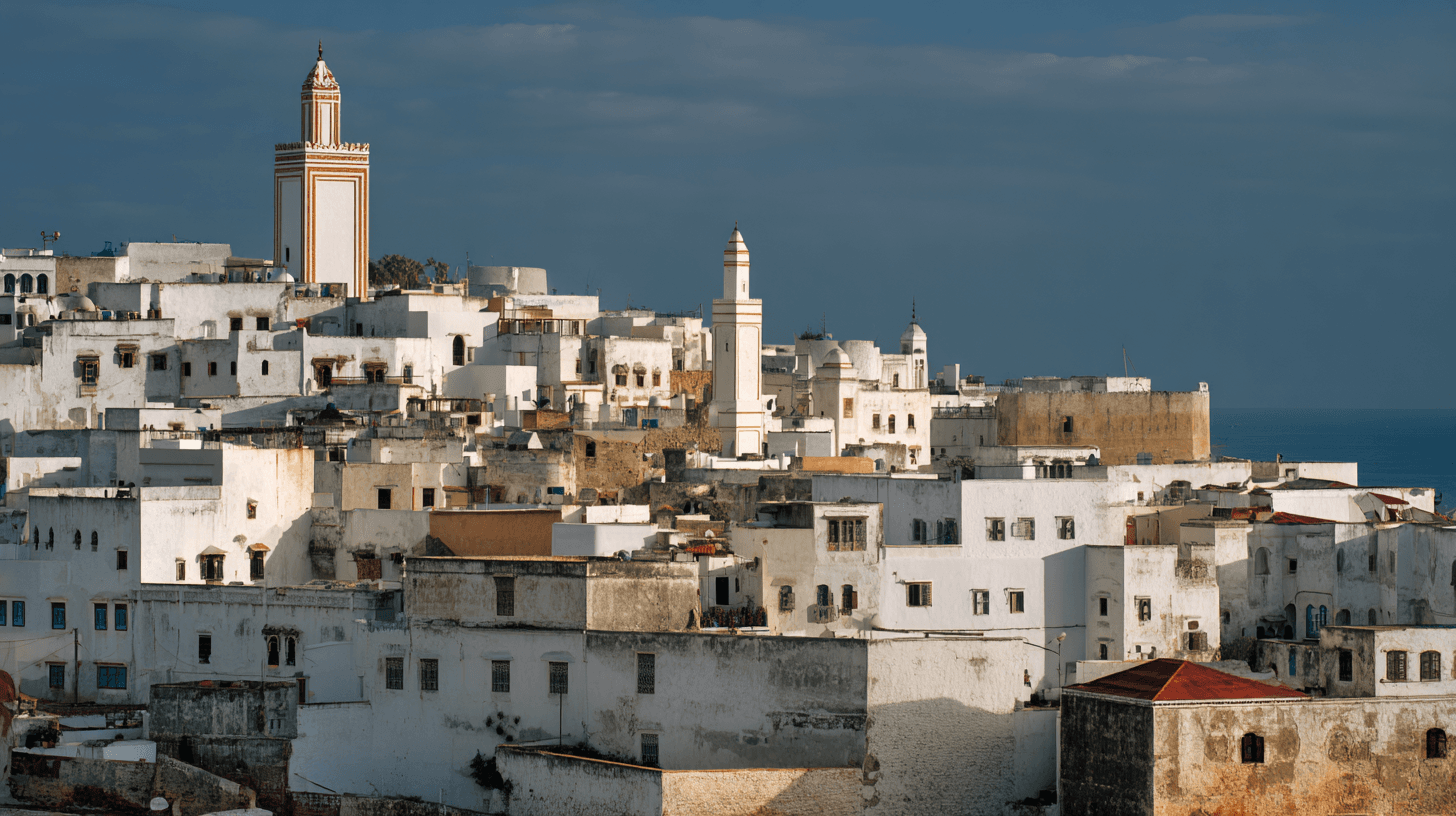
He died around 1368-69, serving as a judge somewhere in Morocco. He was buried in Tangier, where a small museum now honors him. In Dubai, there is a mall.
The Rihla was forgotten for centuries. It was rediscovered in Algeria in the 19th century and finally translated into European languages. Now we know: the greatest traveler of the medieval world was not a Venetian merchant. He was a judge from Tangier who never meant to go so far.
The Facts
- •75,000 miles traveled over 29 years
- •Left Tangier 1325, returned 1354
- •Marco Polo traveled ~24,000 miles
- •Met over 60 sultans and 2,000 notable figures
- •8 years as judge in Delhi
- •Rihla rediscovered in Algeria 19th century
- •Museum in Tangier, mall in Dubai
- •Visited ~50 modern countries
Sources
- Ibn Battuta, Rihla (trans. Gibb, Hakluyt Society)
- Dunn, The Adventures of Ibn Battuta (1986)
- History.com, 'Why Moroccan Scholar Ibn Battuta May Be the Greatest Explorer'