The Salt Caravans
Timbuktu to Sijilmassa, the route that built empires
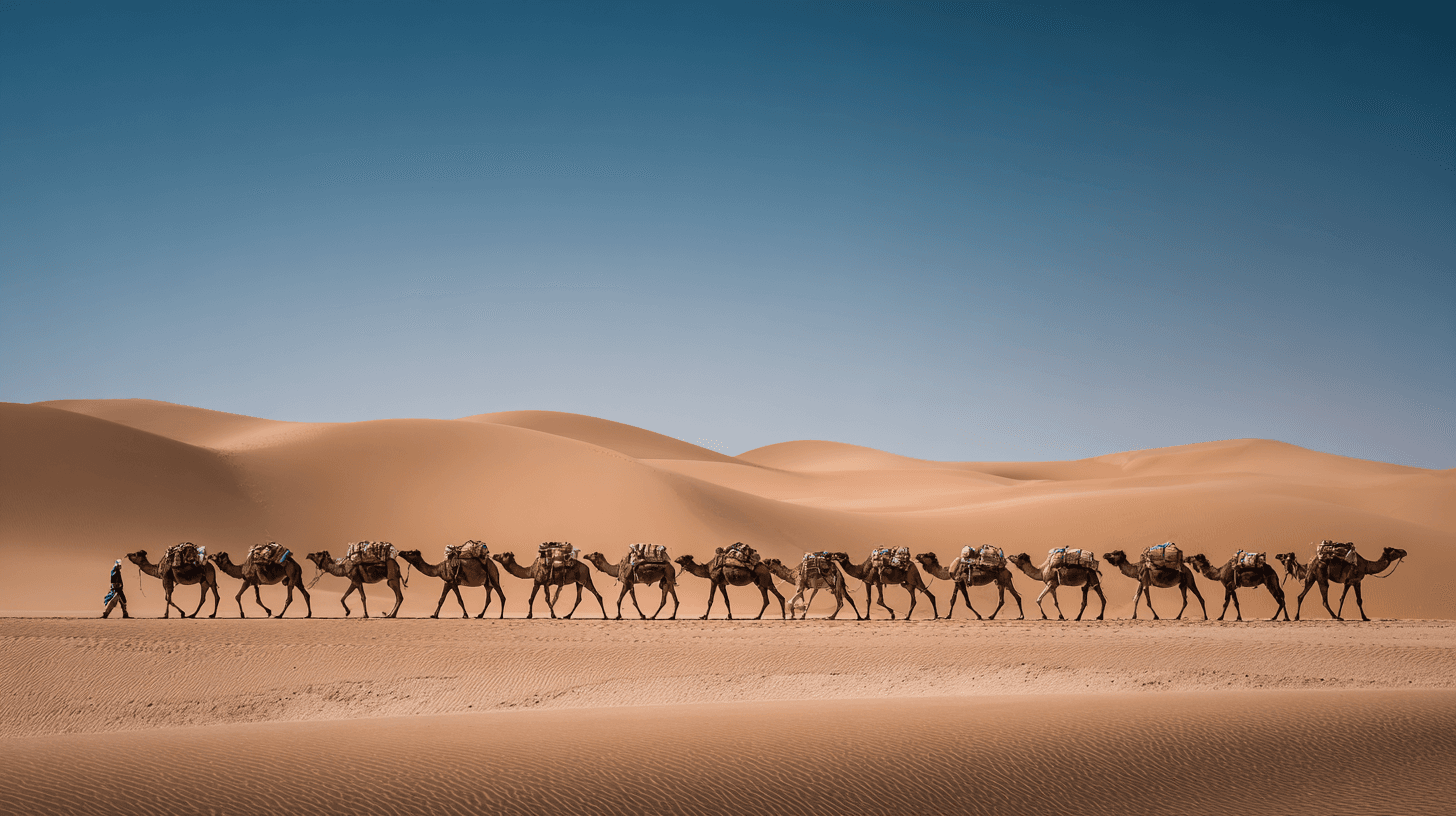
The camels know the way. Forty days to Timbuktu, forty days back. Their fathers walked this route, and their fathers before them. The salt on their backs is worth more than the gold they'll carry home.
For a thousand years, the trans-Saharan caravans moved along routes that shaped empires. The arithmetic was simple: the Sahara had salt, sub-Saharan Africa had gold. Neither could survive without what the other possessed. The meeting point was profit beyond imagination.
Salt came from mines in the deep desert — Taghaza, Taoudenni — where slaves cut blocks from deposits laid down by ancient seas. The white slabs were loaded onto camels, one hundred pounds per animal, and the caravans set out across 1,500 miles of nothing. Water wells were memorized like scripture. A wrong turn was death.
Gold came from the forests south of the Niger — Bambuk, Bure, Akan — where it surfaced in rivers and shallow mines. African kingdoms rose and fell on their control of these deposits. They needed salt to preserve food, to survive. They would pay anything.
At the markets of Sijilmassa, Timbuktu, and Gao, the exchange took place. Salt traded weight-for-weight for gold. Sometimes more. A traveler in the 14th century reported that in the salt-starved south, a single block could fetch double its weight in gold dust. The merchants who survived the crossing became wealthy beyond European comprehension.
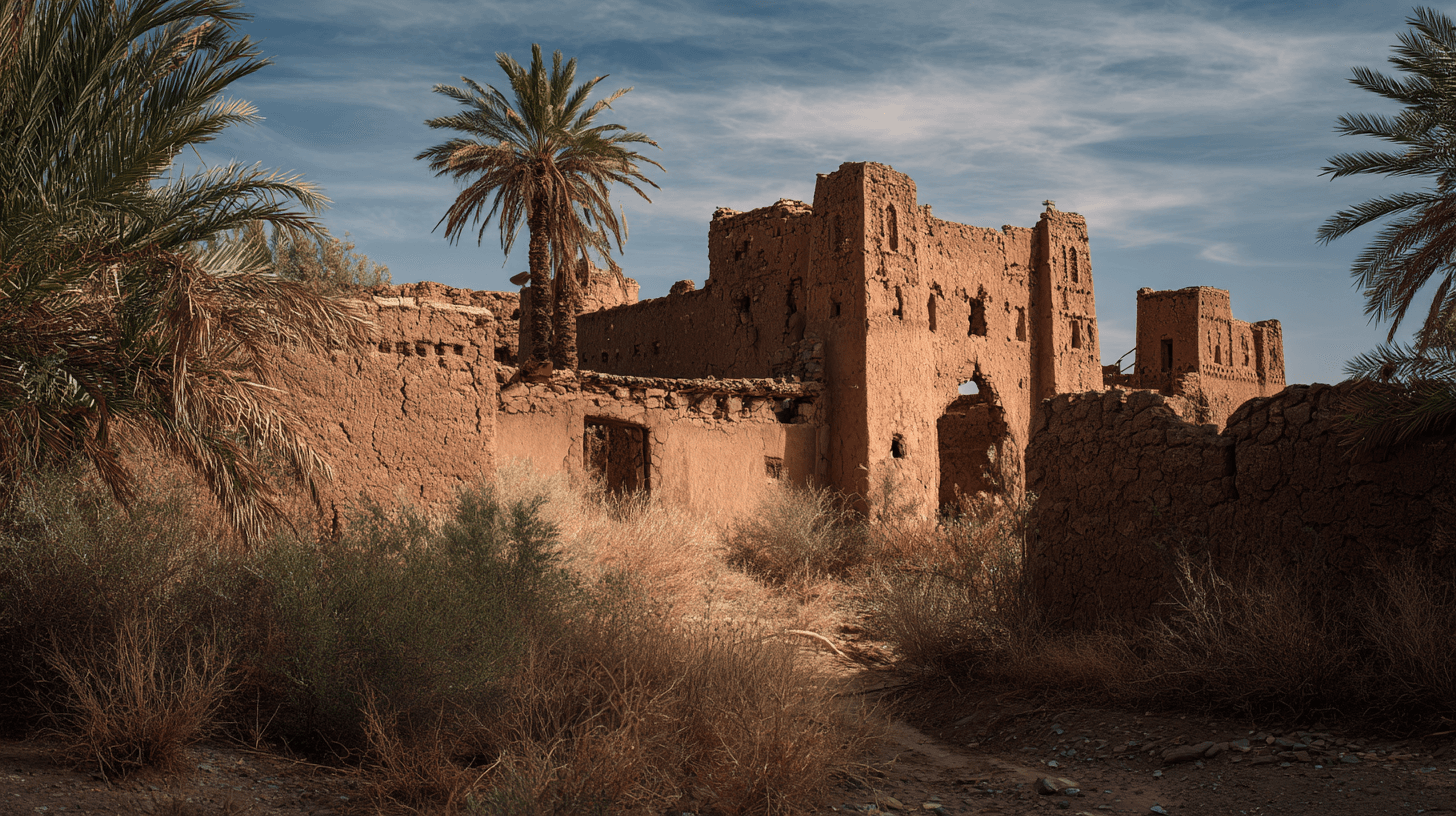
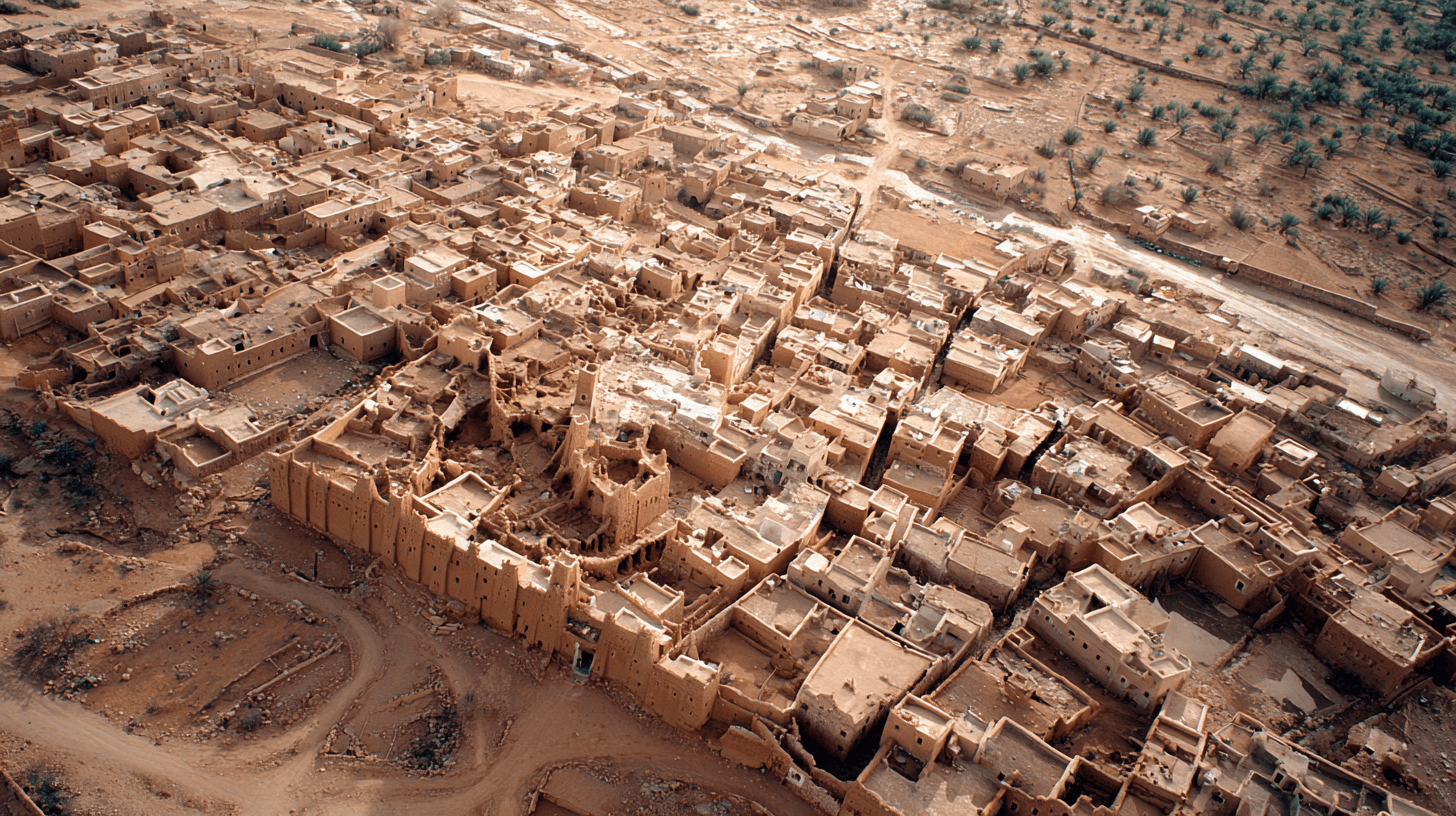
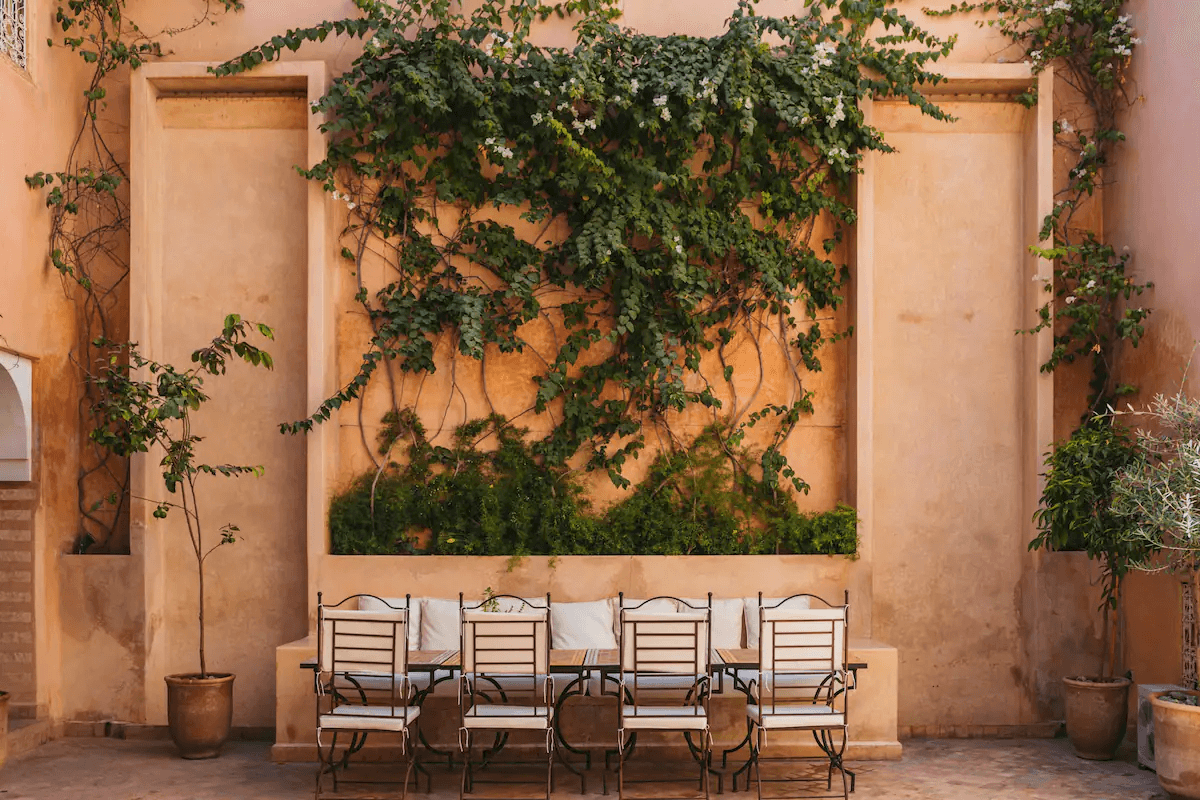
The caravans built the kasbahs of the Draa Valley. Every fortress you see was financed by the markup between Taghaza and Timbuktu. The ornate doors, the carved plaster, the zellige tiles — these are salt and gold made architectural.
The last commercial caravan crossed in the 1950s. Trucks are faster. But in Timbuktu, they still mine salt by hand. And occasionally, a small caravan still walks the ancient route — not for profit but for memory, tracing paths their ancestors wore into the very stones of the desert.
The Facts
- •Trans-Saharan trade peaked 8th-16th centuries
- •Caravans could include 10,000+ camels
- •Crossing took 40-70 days depending on route
- •Salt traded weight-for-weight (sometimes more) for gold
- •Sijilmassa was the northern terminus
- •Timbuktu, Gao, and Djenné were major southern markets
- •Trade financed the Mali, Songhai, and Almoravid empires
- •Last commercial caravan: 1950s
Sources
- Bovill, E.W. 'The Golden Trade of the Moors.' Oxford University Press
- Levtzion, Nehemia. 'Ancient Ghana and Mali.' Africana Publishing
- Austen, Ralph. 'Trans-Saharan Africa in World History.' Oxford University Press