The Shareefa of Ouezzane
The English governess who became Moroccan royalty
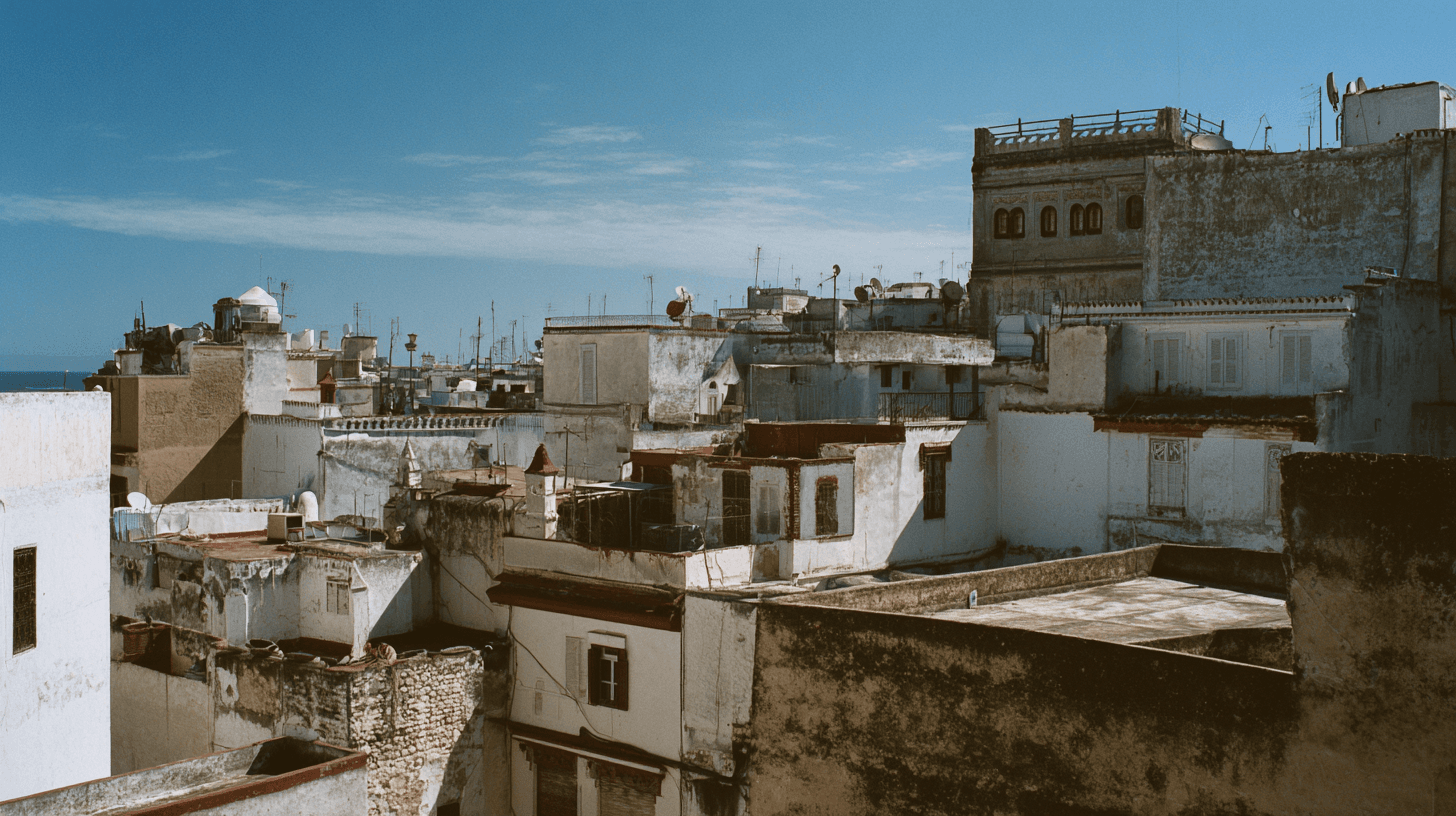
In 1872, a twenty-three-year-old Englishwoman named Emily Keene arrived in Tangier. She had come to work as a governess for the family of Ion Perdicaris, a Greek-American millionaire. Within a year, she would be married to the Grand Sharif of Ouezzane.
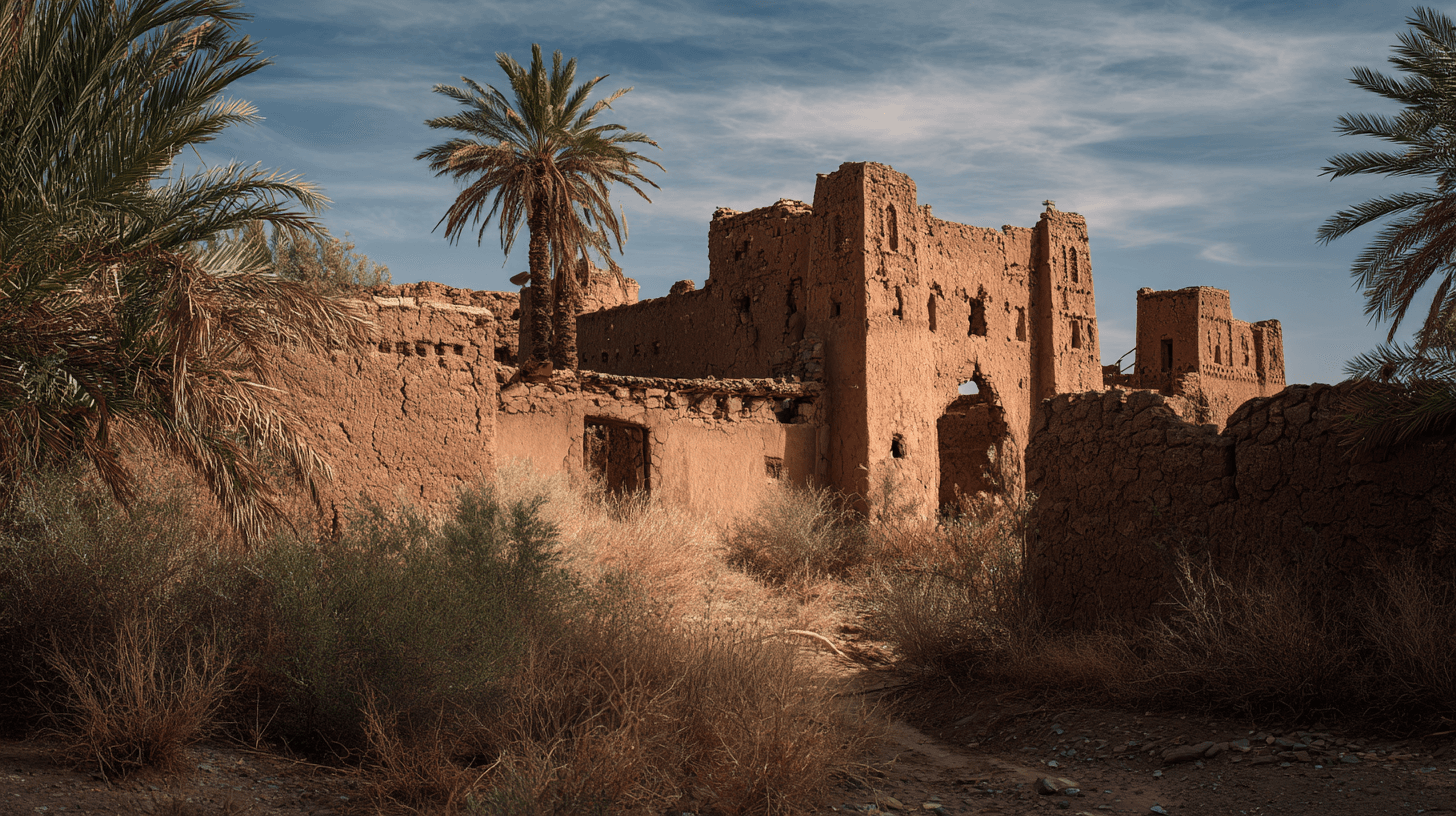
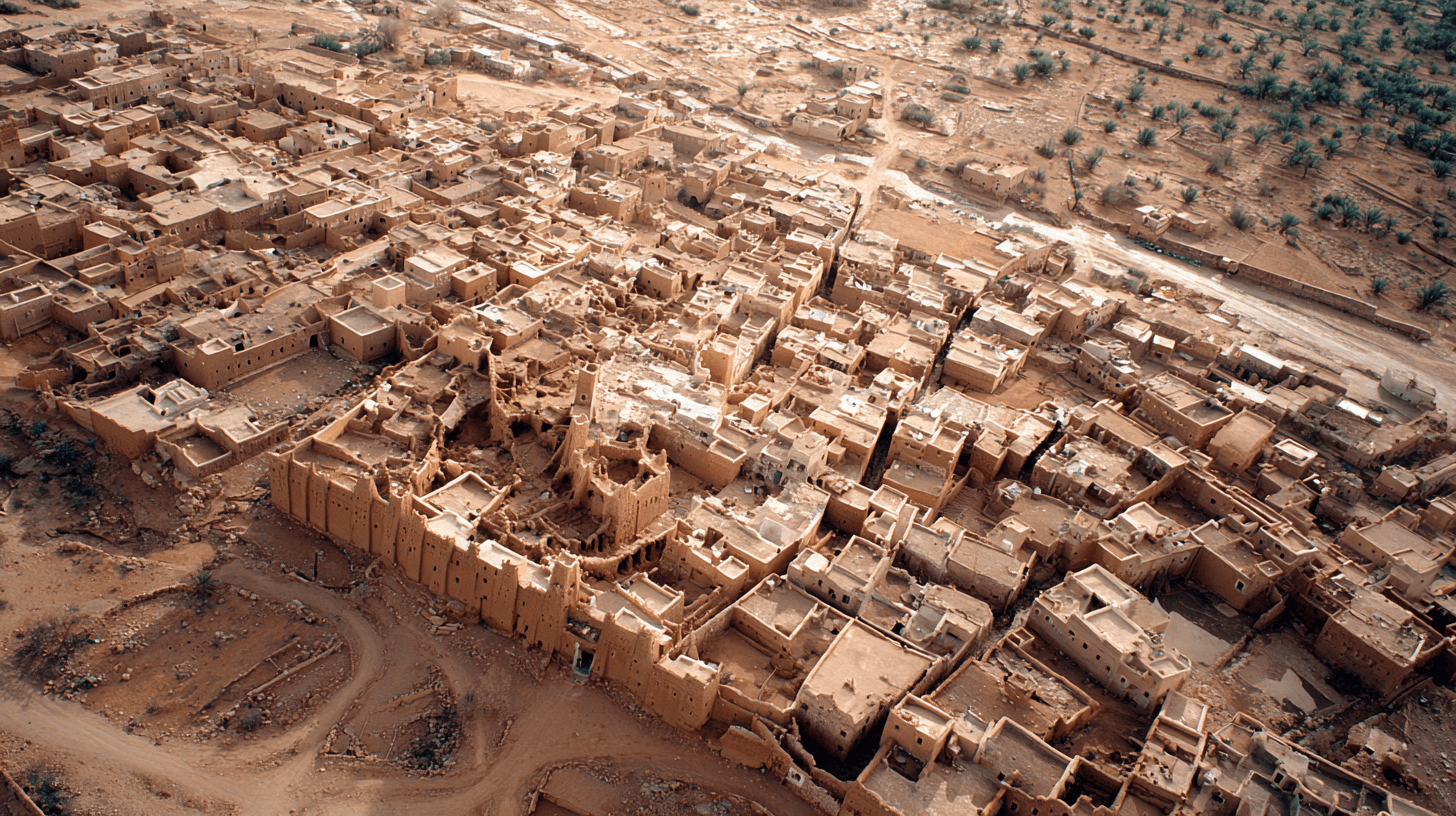
Sidi Al-Hadj Abd al-Salam was not just any Moroccan nobleman. He was the leader of the Dar Dmana zawiya, a Sufi religious brotherhood. He was a direct descendant of the Prophet Muhammad. His city, Ouezzane, was virtually forbidden to Christians in precolonial Morocco—a sacred place where pilgrims came for blessings and the Sharif was revered as almost supernatural.
Emily's family was horrified. So were the Sharif's relatives. But the marriage went ahead in 1873, making Emily one of the first widely known interracial marriages between a British woman and a Moroccan Muslim.
She negotiated her own marriage contract. She would keep her Christian faith. She would live in a coastal town, not in the interior. Her children would be educated. If the Sharif took another wife, he would forfeit $20,000. She retained the right to be buried under British protection.
For forty years, she lived between two worlds. She learned Arabic. She dressed as a Tangéroise, combining Moroccan and European styles. She experienced the pilgrims who came to her husband for healing—he was an 'homme-fétiche,' a living totem whose touch was believed to cure illness. She discovered an extramarital affair and divorced him. He died in 1891.
Her son, Moulay Ali ben Abdeslam, became the next Sharif. He later served in the French Army. Emily remained in Morocco, throwing herself into philanthropy. She brought vaccination to the region when it was barely known. She established healthcare for rural women. She was appointed an Officer of the Ordre du Ouissam Alaouite and an Officer of the French Légion d'honneur.
In 1911, she published 'My Life Story'—a memoir of her forty years as the Shareefa of Ouezzane. She wrote: 'I have not a single regret, and hope that my forty years' residence among the Moors may reflect some benign influence on the future.'
She died in 1944 in Tangier, at the age of ninety-five. She is buried at Saint Andrew's Church there, the Anglican church built on land given by the Sultan of Morocco.
Her descendants still live. One, Farah Cherif D'Ouezzan, works in intercultural education. The Shareefa's strange journey—from governess to quasi-royalty to philanthropist—continues to echo.
The Facts
- •Arrived Tangier 1872
- •Married Grand Sharif 1873
- •Negotiated own marriage contract
- •$20,000 forfeit clause for additional wives
- •Published 'My Life Story' 1911
- •Officer of Ordre du Ouissam Alaouite
- •Officer of French L√©gion d'honneur
- •Died 1944 aged 95
- •Buried at Saint Andrew's Church Tangier
Sources
- Keene, My Life Story (1911)
- Hall, Emily: A Biography of the Moroccan Princess from the Elephant & Castle (1970s)