The Tadelakt Masters
Waterproof walls from egg whites and soap
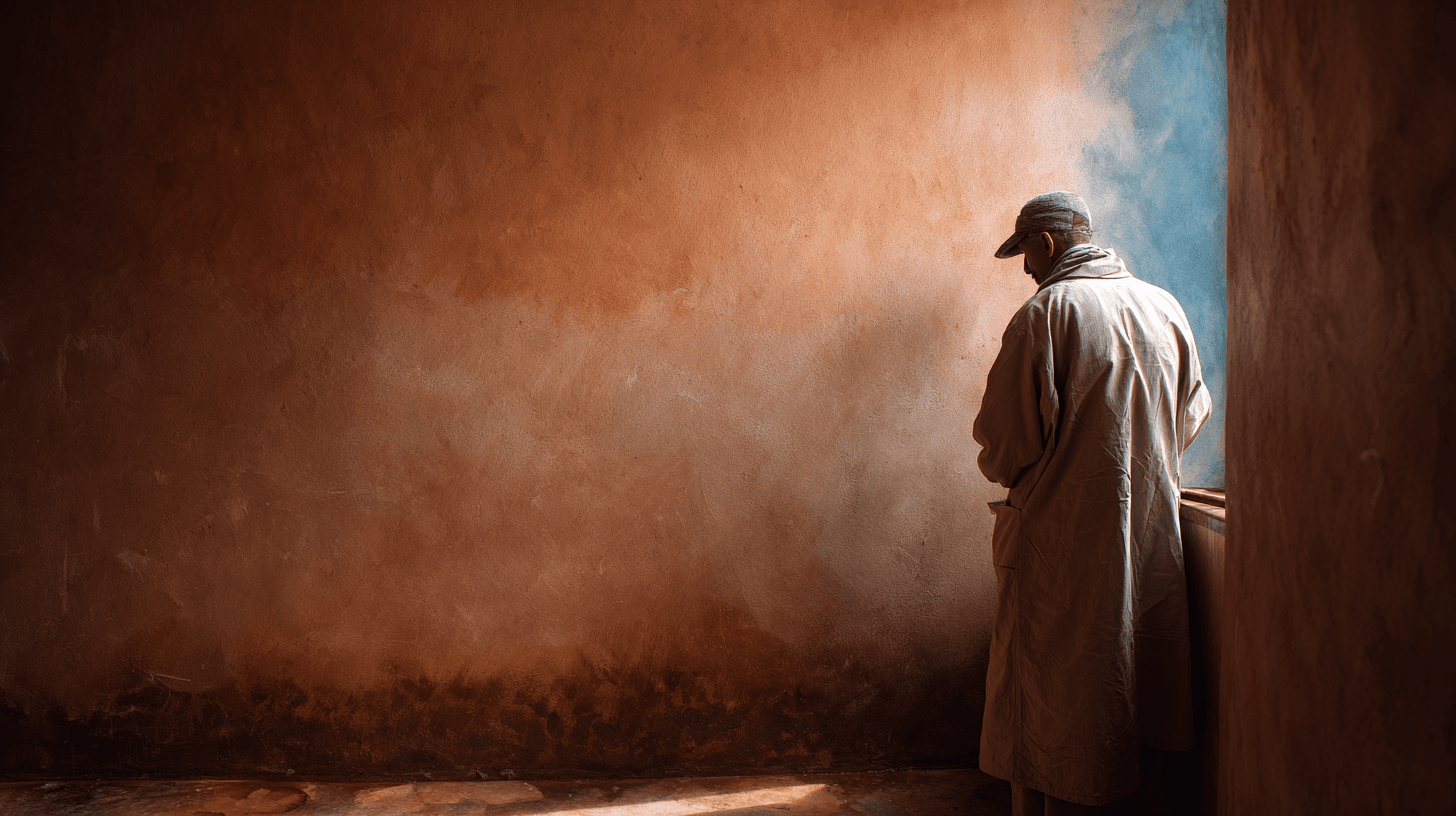
He polishes in circles, smaller and smaller, pressing the river stone into the wet plaster. His palm will ache tomorrow. But tonight, the wall will shed water like skin.
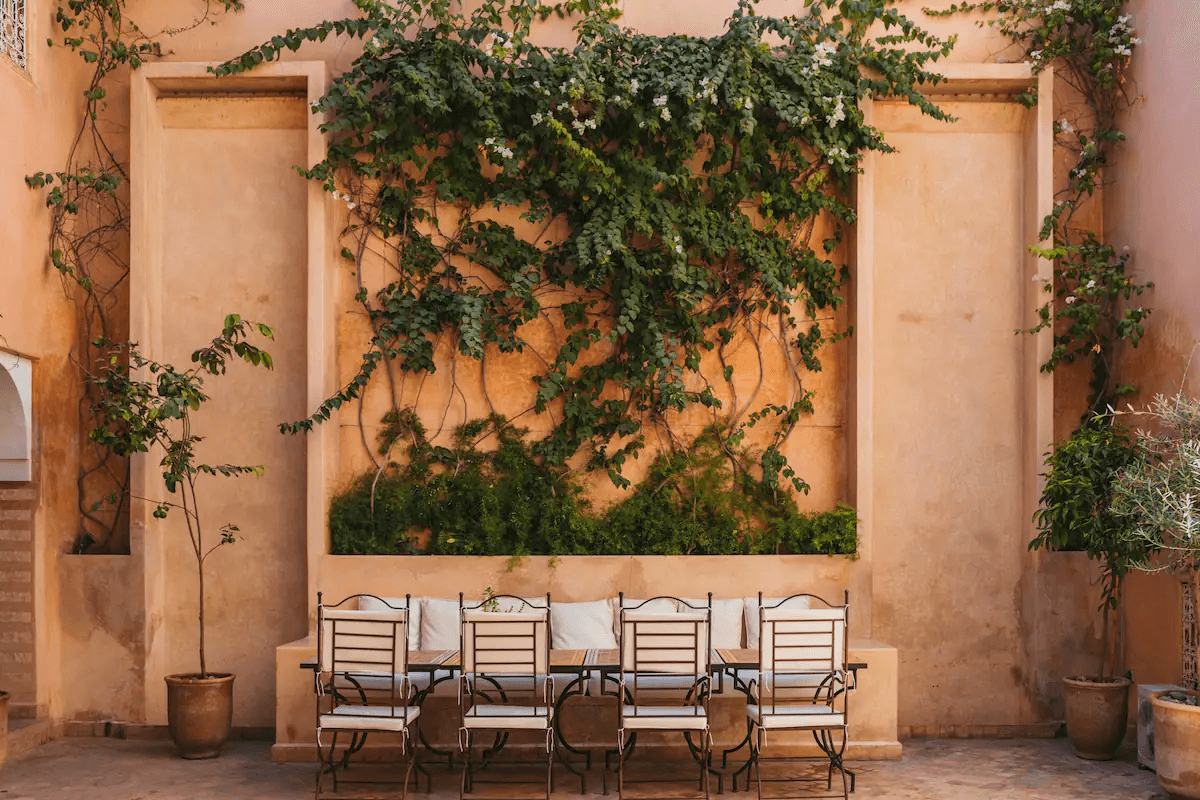
Tadelakt is a technology disguised as decoration. It looks like polished marble — smooth, lustrous, waterproof. It is actually lime plaster, applied in layers, beaten with flat stones, and sealed with a soap made from olive oil. The technique is a thousand years old. Nothing synthetic has ever replicated it.
The lime comes from the Marrakech region, burned in traditional kilns from a specific local limestone. The quality of the lime matters absolutely — industrial lime won't work, calcium carbonate from elsewhere won't work. Only lime from kilns that have made tadelakt lime for generations produces the right chemistry.
Application requires timing that cannot be taught from books. The first coat goes on thick, rough. When it reaches a specific dryness — not measured, only felt — the second coat follows. Then the polishing begins, while the plaster is still soft enough to move but firm enough to take a shine. The river stones, worn smooth over centuries in Atlas streams, compress the surface, aligning the lime crystals, creating a skin that becomes increasingly impervious.
The final step is alchemy. Olive oil soap — savon noir — is rubbed into the still-reactive plaster. The fatty acids in the soap combine with the lime to form a water-resistant compound. The surface becomes self-sealing. Water beads and runs off. In hammams, tadelakt walls have survived daily drenching for five hundred years.
Western architects discovered tadelakt in the 1990s and tried to industrialize it. They failed. The timing, the lime, the stones, the soap — each element requires knowledge that accumulated over generations. You cannot read your way into tadelakt. You can only apprentice with someone whose hands already know.
In Marrakech, a handful of masters still take students. The training lasts years. The master watches, corrects, demonstrates, watches again. Eventually, the student's circles become smooth enough, his timing intuitive enough, his feel for the plaster refined enough. He joins a lineage that stretches back to builders whose names are lost but whose walls still stand, still shedding water, still beautiful after a millennium of use.
The Facts
- •Technique dates to at least 10th century
- •Lime comes specifically from Marrakech region kilns
- •Polishing uses river stones worn smooth over centuries
- •Savon noir (olive oil soap) creates chemical waterproofing
- •Surface becomes harder and more waterproof over time
- •Traditional hammams use tadelakt exclusively
- •Cannot be replicated with modern industrial materials
- •Full mastery requires 5-10 years of apprenticeship
Sources
- Paccard, André. 'Traditional Islamic Craft in Moroccan Architecture.' Saint-Jorioz
- Navarro Palazón, Julio. 'Islamic and Christian Spain in the Early Middle Ages.' Brill
- Degeorge, Gérard. 'Morocco: Sahara to the Sea.' Vendome Press