When the Strait Was a River
Eight hundred years of shared civilization
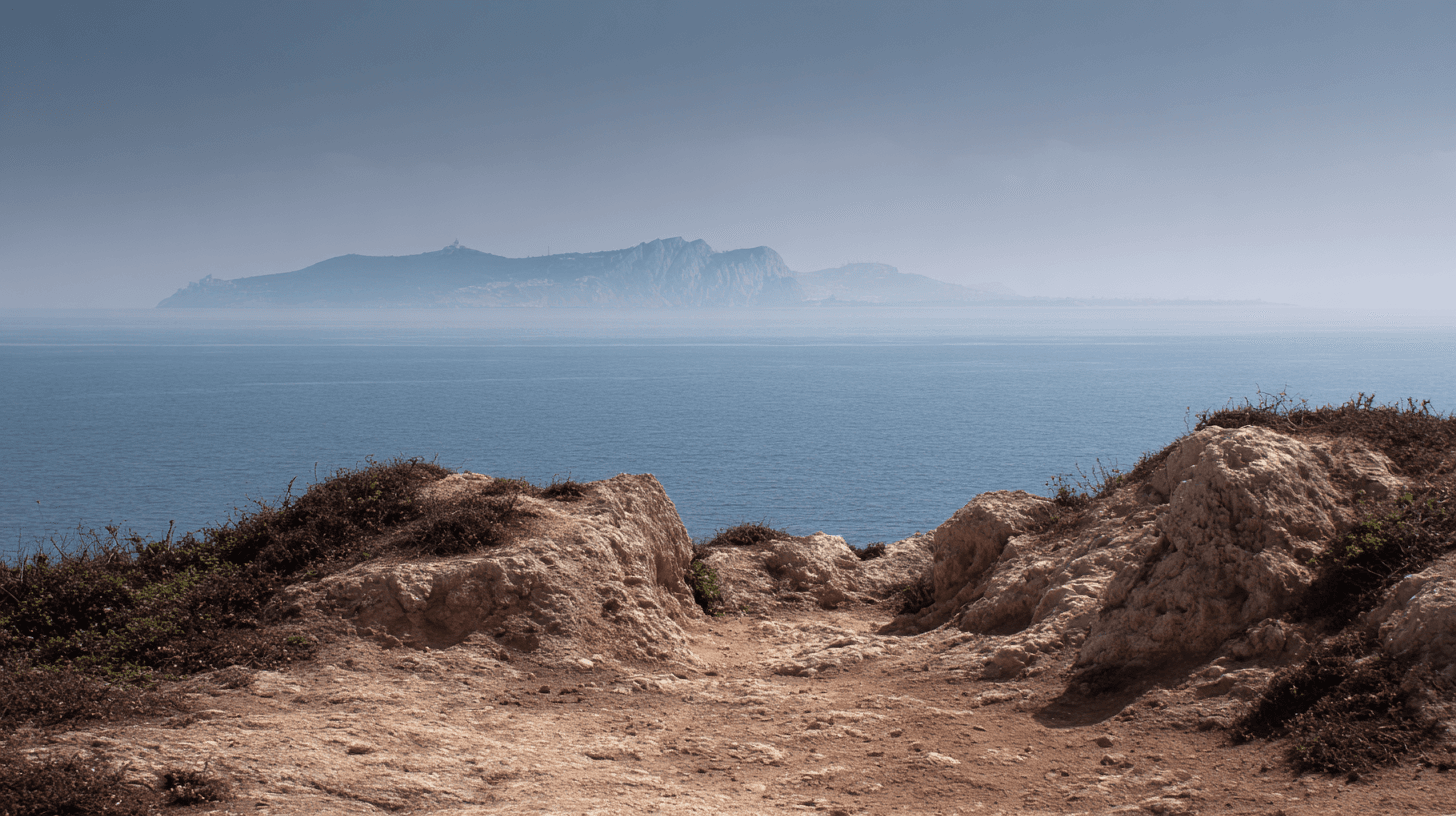
The Strait of Gibraltar is fourteen kilometers wide at its narrowest point. On a clear day, you can see Africa from Spain, Spain from Africa. For eight hundred years, from 711 to 1492, this was not a border. It was a highway.
In 711, Tariq ibn Ziyad crossed the strait with an army of Berbers and Arabs. Within seven years, the Umayyads controlled most of the Iberian Peninsula. What followed was not merely conquest; it was the creation of a shared civilization that made the Strait of Gibraltar irrelevant.
Consider Córdoba in the 10th century. The population approached 500,000—larger than any city in Europe. The city had street lights when London had mud, public baths when Paris had open sewers. The library of Caliph al-Hakam II contained 400,000 volumes; the largest library in Christian Europe held perhaps 600. Scholars came from across the Islamic world to study philosophy, medicine, astronomy, and mathematics.
These scholars did not stay on one side. Ibn Rushd (Averroes) was born in Córdoba in 1126, studied in Morocco, returned to serve as a judge in Seville, and died in Marrakech in 1198. His commentaries on Aristotle shaped European philosophy for centuries. Maimonides, the Jewish philosopher, was born in Córdoba in 1135, fled to Fez after the Almohad conquest, and eventually settled in Cairo. His 'Guide for the Perplexed' was written in Arabic.
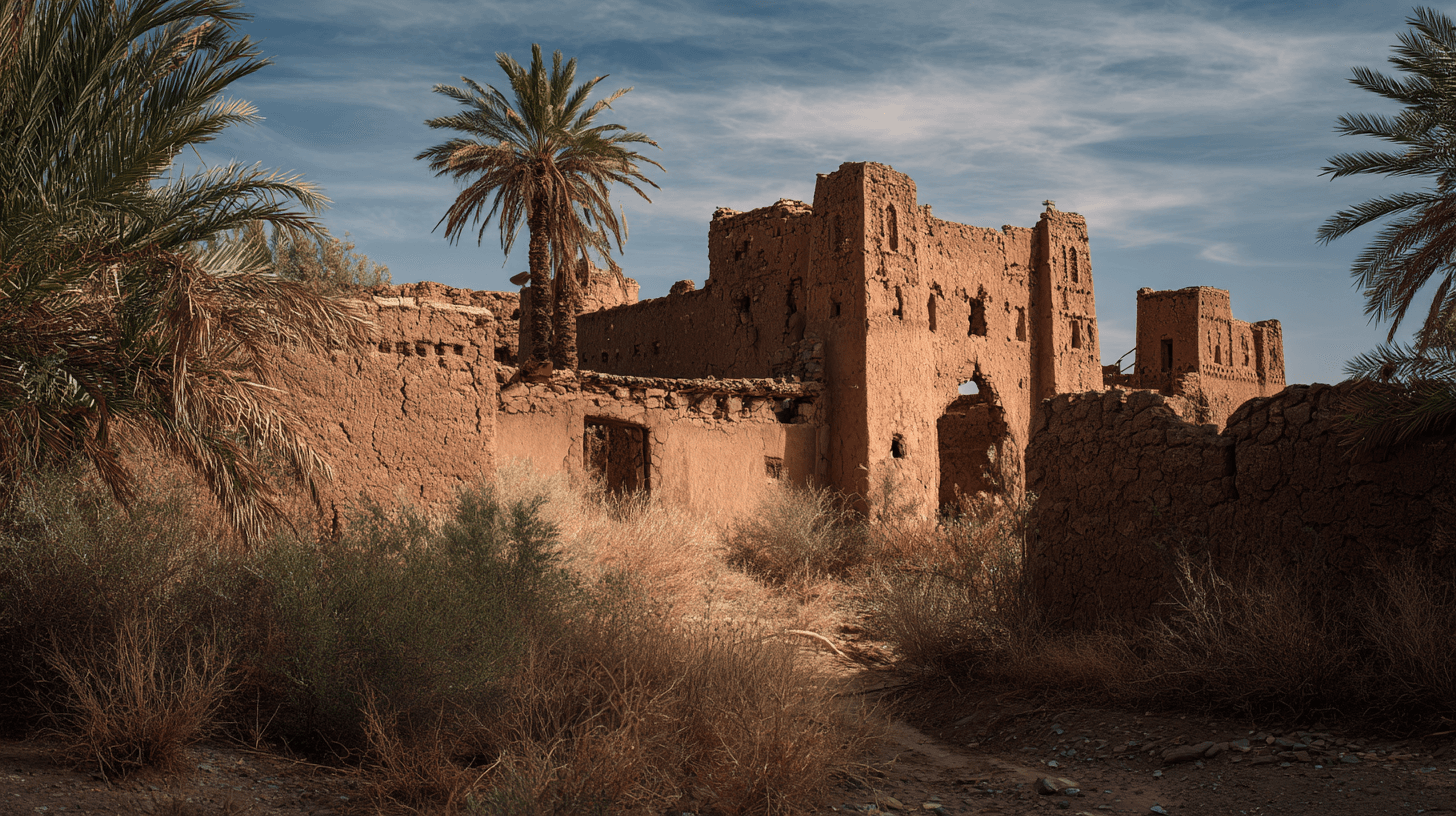
The architecture crossed too. The horseshoe arch, the geometric tilework, the carved stucco—what tourists see in the Alhambra of Granada and the palaces of Marrakech are variations on a shared vocabulary. When the Almohads built the Koutoubia mosque in Marrakech, they used the same proportions and techniques that had built the Great Mosque of Córdoba.
The end came gradually, then suddenly. The Reconquista pushed south for centuries. Granada fell in 1492, the same year Columbus sailed. The Alhambra Decree expelled the Jews. Later, the Muslims followed. Some crossed to Morocco, bringing their crafts and music and memories of al-Andalus.
Today, the Strait of Gibraltar is one of the most heavily patrolled borders in the world. The ferries from Tangier to Algeciras run multiple times a day, full of tourists and trucks. But the easy traffic of scholars and poets, the shared civilization that made geography meaningless—that has been gone for five hundred years.
What remains are the buildings. What remains are the manuscripts. What remains is the music, if you know how to listen.
The Facts
- •711-1492: 800 years of shared civilization
- •C√≥rdoba population ~500,000 in 10th century
- •Library of al-Hakam II: 400,000 volumes
- •Largest Christian library: ~600 volumes
- •Ibn Rushd: born C√≥rdoba, died Marrakech
- •14 km at narrowest point of Strait
- •Granada fell 1492, same year Columbus sailed
Sources
- Menocal, The Ornament of the World (2002)
- Fletcher, Moorish Spain (1992)
- Kennedy, Muslim Spain and Portugal (1996)