The Colour Index
Majorelle blue, saffron yellow, Tamegroute green, henna red — Morocco mapped in pigment
Majorelle Blue is hex #6050DC. Jacques Majorelle, the French painter, created it in the 1930s for the walls of his Marrakech studio. It is a cobalt pigment — deep, saturated, almost electric against the terracotta city. After Yves Saint Laurent purchased the garden in 1980, the blue became Marrakech's signature. It is now the most photographed colour in Morocco.
Tamegroute green comes from a village 22 kilometres south of Zagora, where potters have produced distinctive green-glazed ceramics for centuries. The green is copper oxide, fired in a wood kiln. The glaze is imperfect by design — crackled, uneven, each piece unique. Tamegroute pottery is found in every souk in Morocco.
Saffron yellow comes from Taliouine. The crocus stigmas, when dried, produce a colour so intense that a single gram can tint a litre of water. Saffron has been used as a textile dye, a food colourant, and a pigment for manuscript illumination. The colour is warm — between gold and amber — and fugitive, meaning it fades with light exposure.
Henna red is vegetal. The Lawsonia inermis shrub grows in the Draa Valley and the Souss. The leaves are dried, ground to powder, and mixed with water to produce a paste that stains skin and hair. The chemistry is lawsone — a naphthoquinone that bonds with the keratin in skin. The colour deepens over 24 to 48 hours, from orange to deep reddish brown.
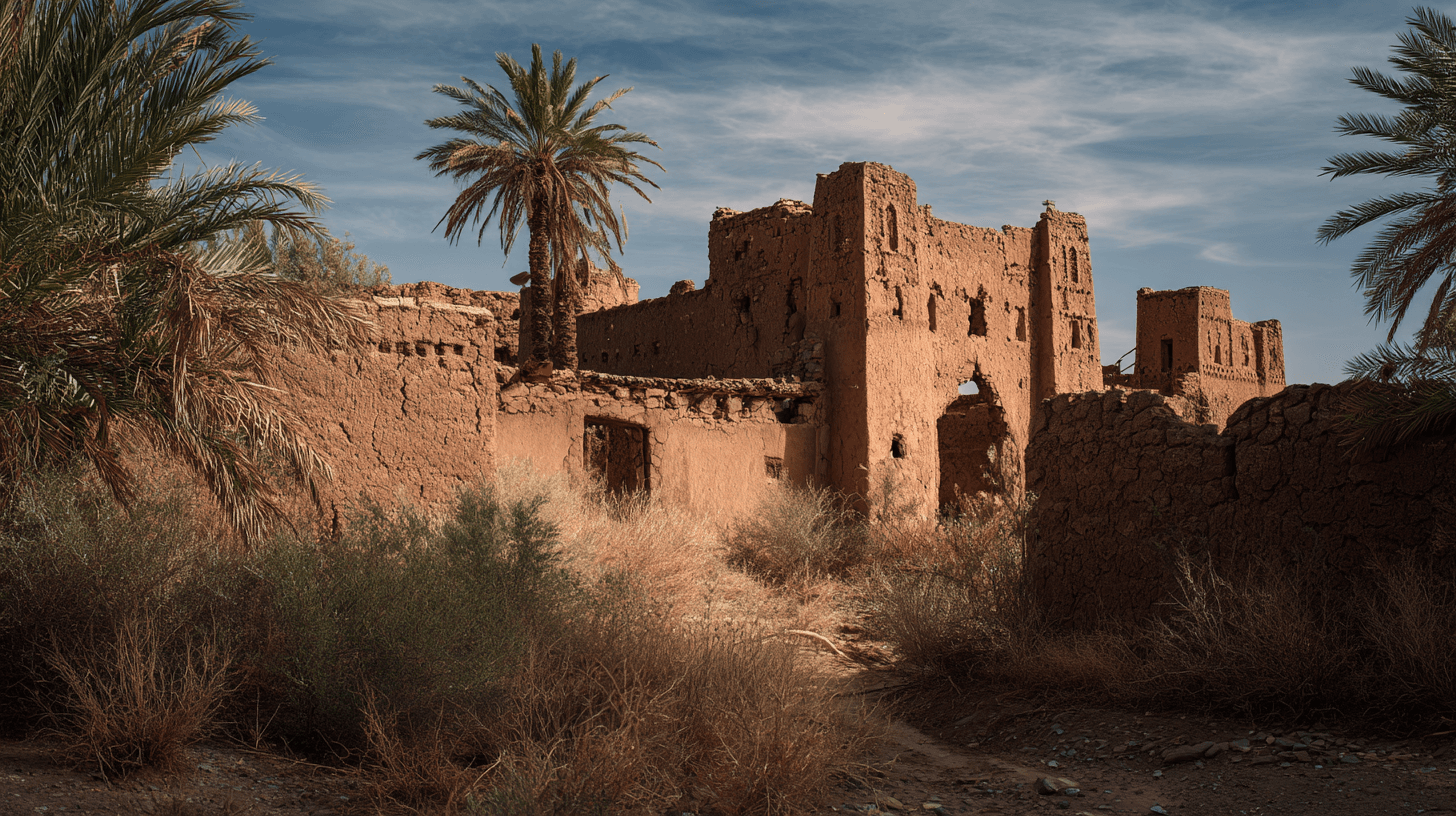
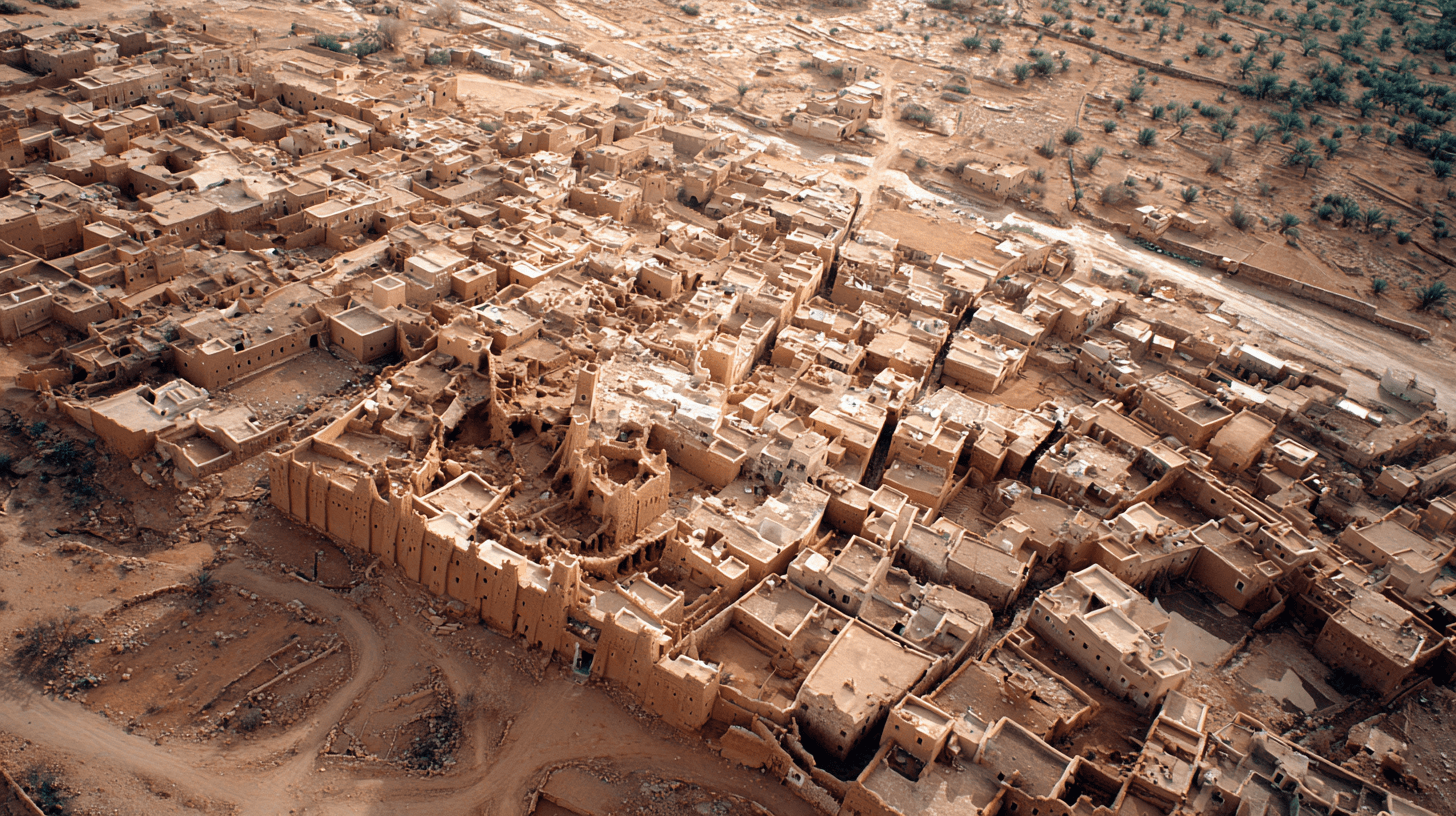
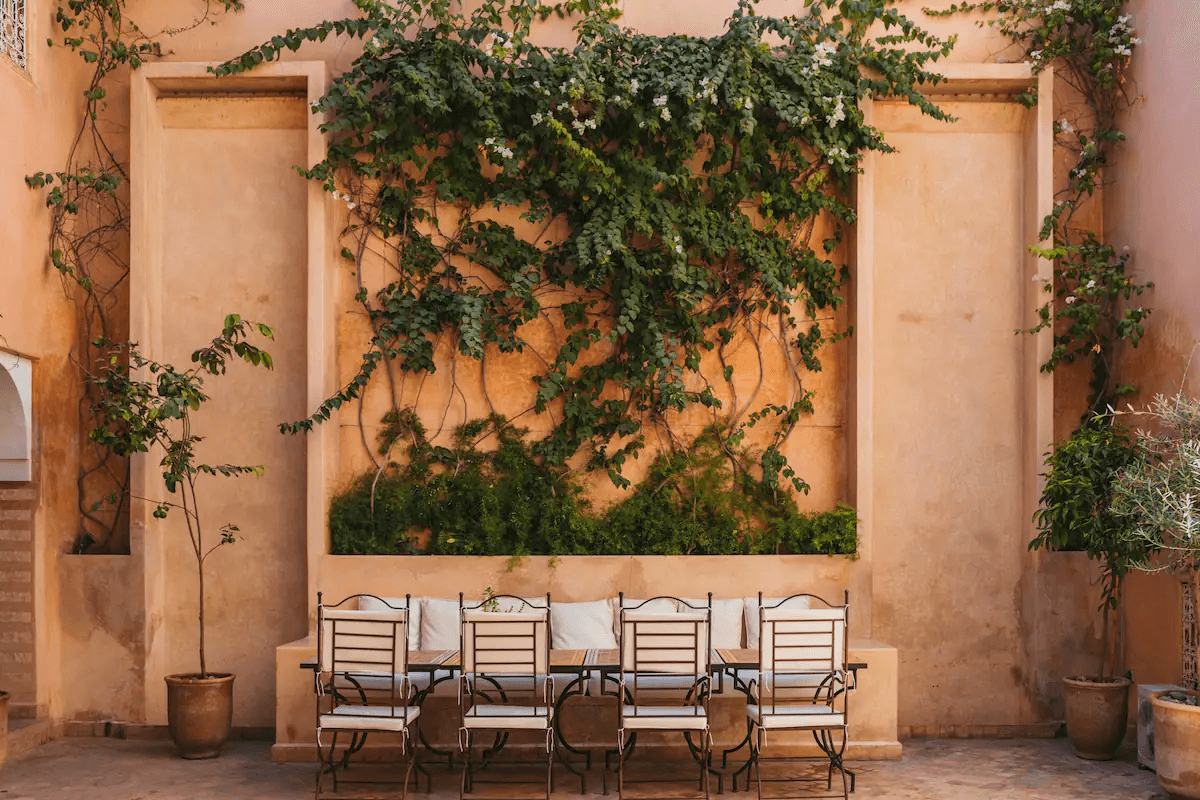
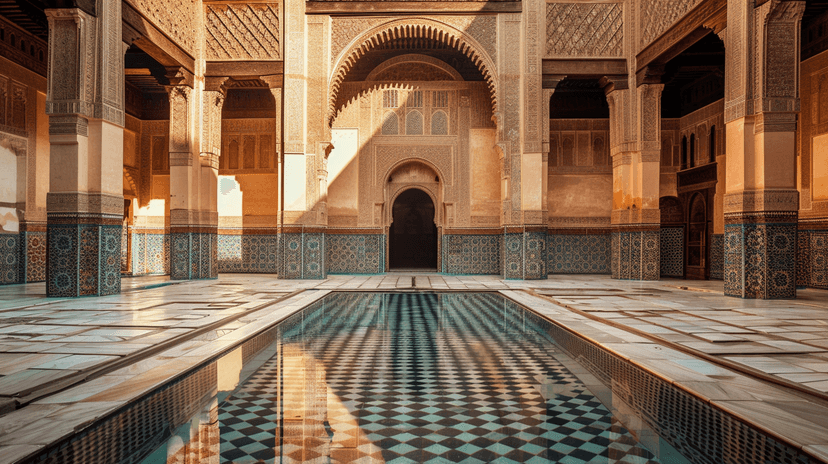
Marrakech itself is a colour — the terracotta pink of its ramparts and buildings. The pigment is the earth: iron-rich red clay mixed into the plaster. There is a city regulation requiring buildings in the medina to maintain the red-pink palette. The colour is not paint. It is the ground.
Indigo — the deep blue of Saharan robes and Tuareg veils — comes from the Indigofera plant. The dye process involves fermentation: leaves are soaked in alkaline water until they decompose and release the colour. The famous blue men of the desert are blue because the indigo transfers from cloth to skin.
Explore the full interactive module — with pigment sources mapped, colour chemistry, and the cultural meaning of every hue — at Dancing with Lions: https://www.dancingwiththelions.com/data/colour-index
Interactive Module
Data and visualisation by Dancing with Lions