14 Days
Morocco Architecture Trail
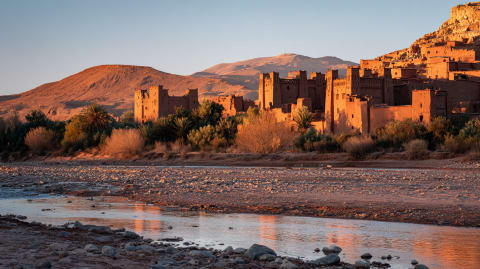
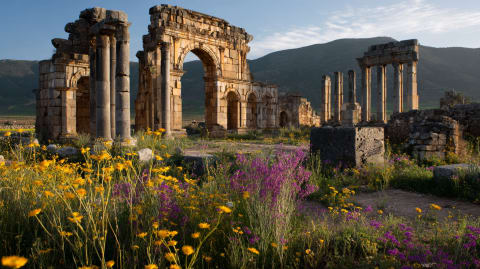
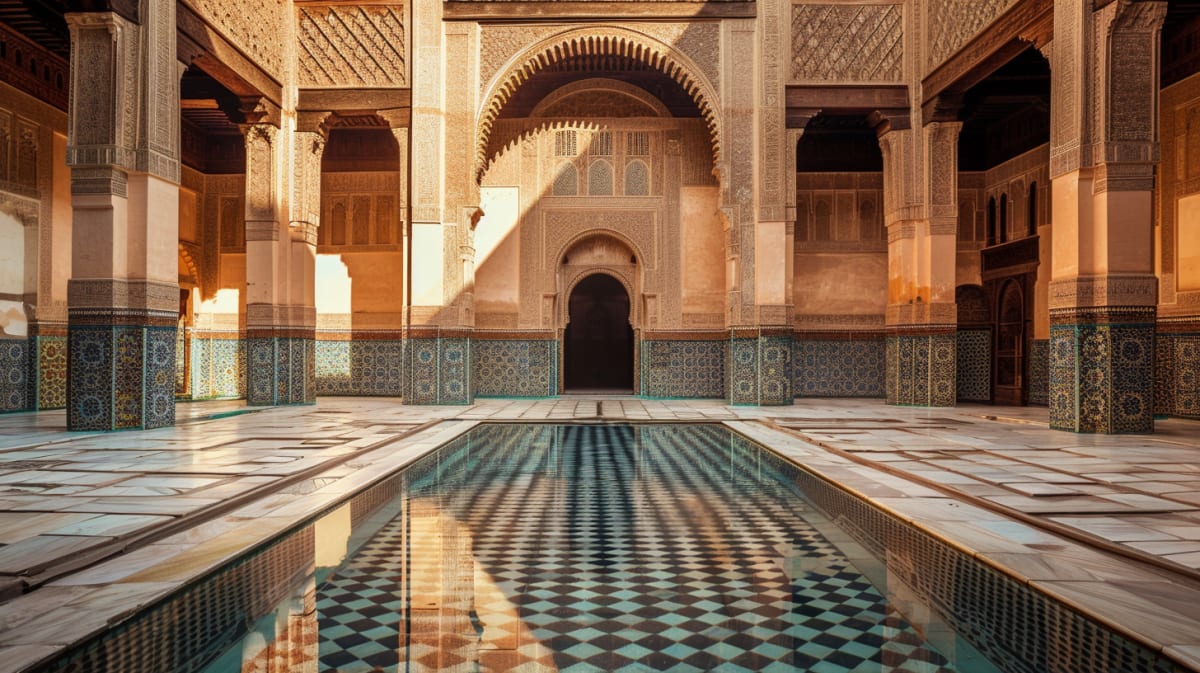
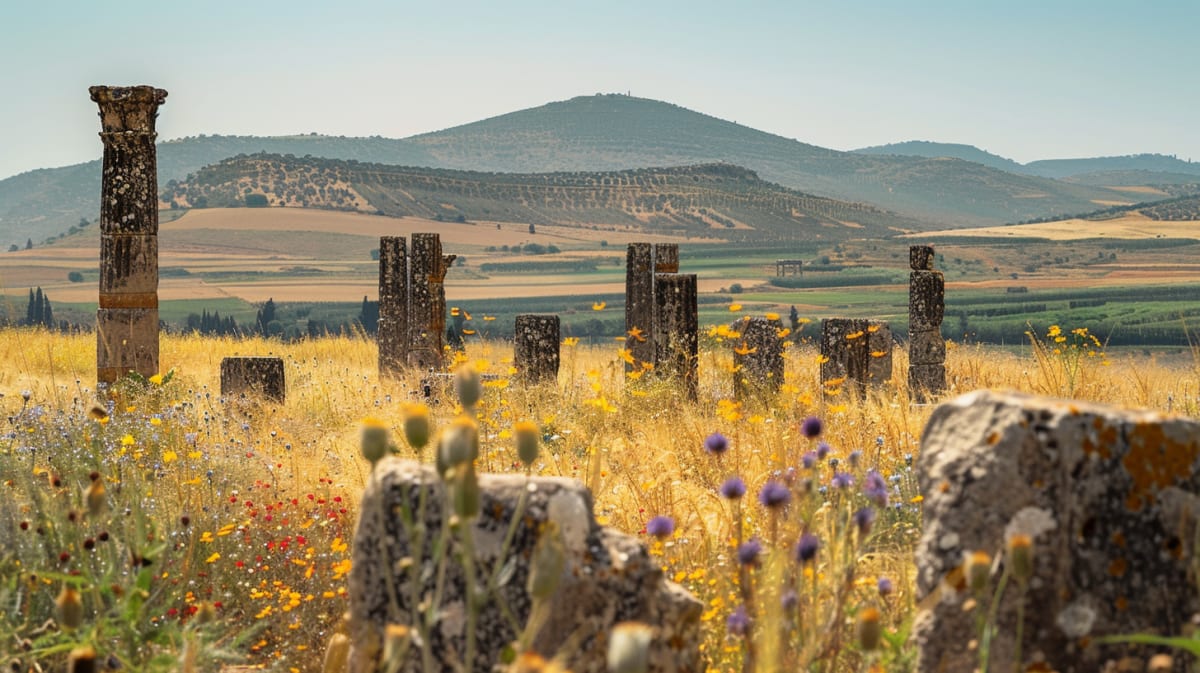
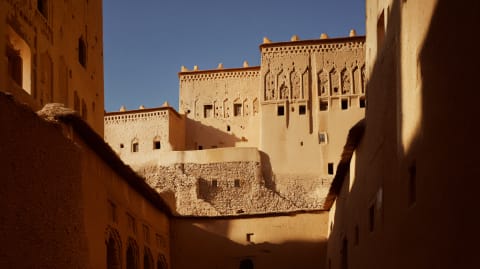
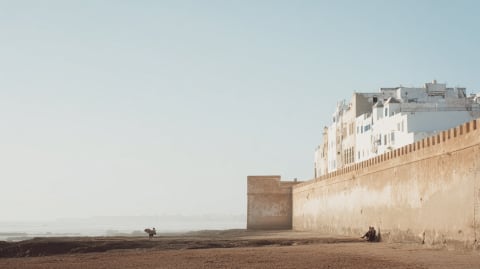
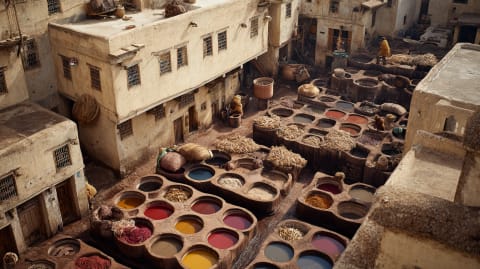
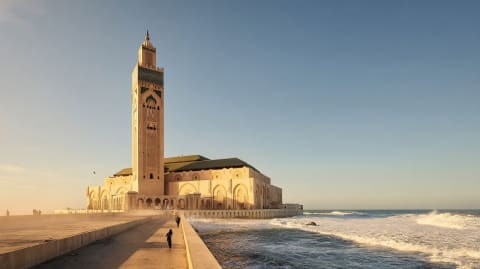
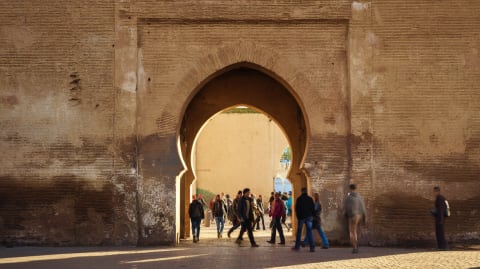
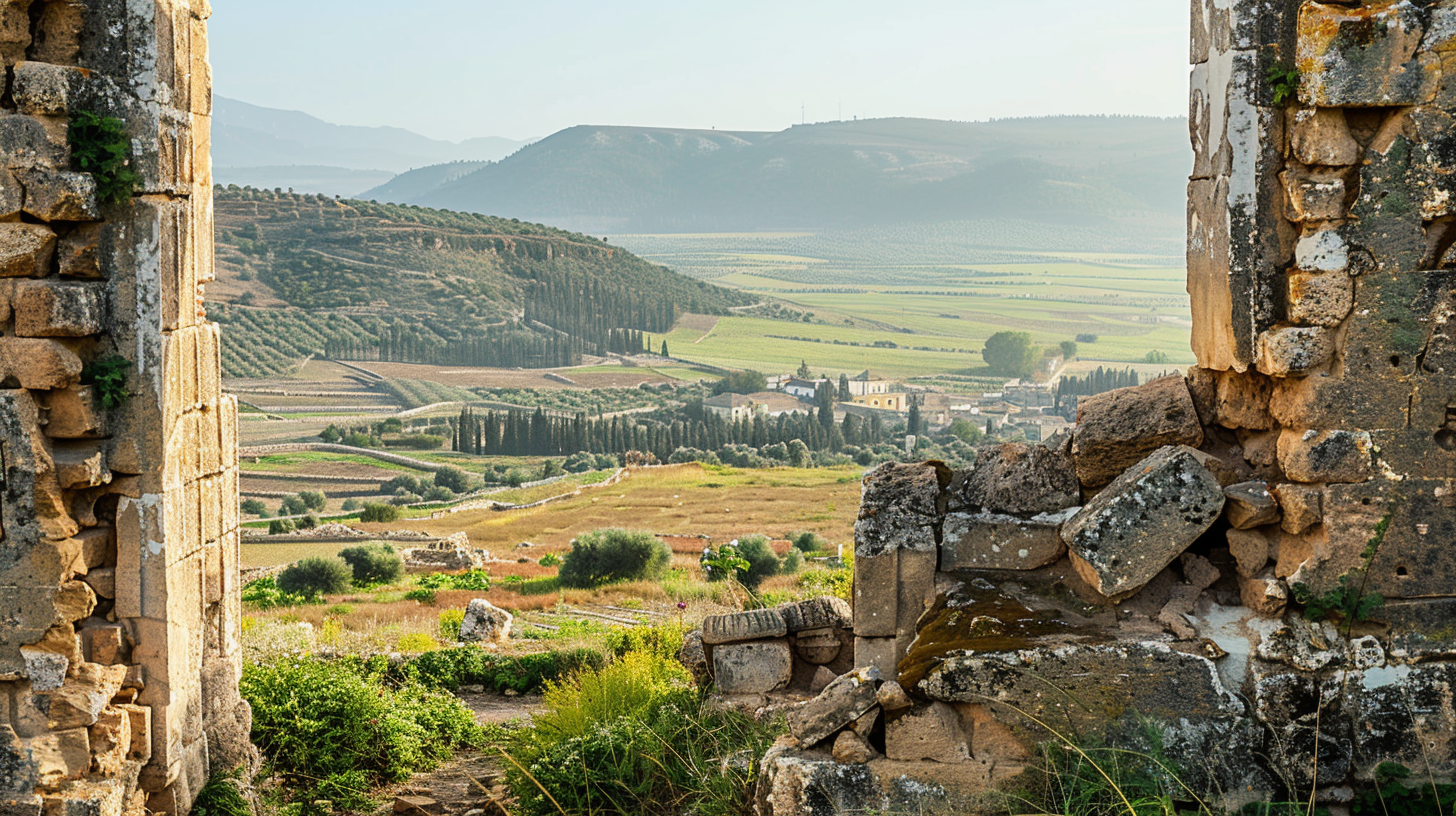
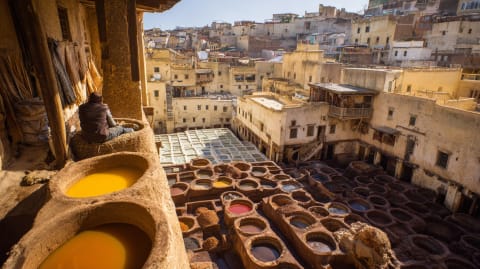
Fourteen days reading Morocco in stone, tile, and cedar. You begin in Tangier where Art Deco meets medina. Volubilis, where Rome's African frontier crumbles among wildflowers and the mosaics lie open to weather that has been testing them for 2,000 years and losing. Meknes reveals Moulay Ismail's megalomania — gates built to humble visitors, granaries to feed an army he was never entirely sure he'd finished building. Fes unfolds differently: madrasas where scholars parsed the Quran, foundouks where merchants stored silk, a tannery that hasn't changed its methods in a millennium because the methods work and the tannery sees no reason to consult the 21st century.<br><br>South through the Atlas, the architecture shifts. Kasbahs rise from river valleys — Skoura's Amerhidil, Tamnougalt's labyrinth, Aït Benhaddou's silhouette. In the desert, you find the architecture of absence: Berber tents, star ceilings, horizons built from sand.<br><br>Marrakech synthesises everything: Almohad minaret, Saadian tombs, palatial riads. Essaouira adds Portuguese ramparts. El Jadida hides a cistern built for siege. Casablanca finishes in white — Hassan II's mosque rising from the Atlantic. This is Morocco's architectural autobiography. Every style tells a story of who held power and what they built to prove it.
Day 1
Volubilis, Moulay Idriss

Day 2
Between Meknes and Fes, the Saïss plain stretches flat and fertile in every direction. Olive groves, wheat fields, the occasional eucalyptus windbreak. The hour passes quickly. Fes does not announce itself gradually — the city materialises, its medina walls containing the largest car-free urban zone in the world. Two imperial cities, one hour apart, each convinced it is the more important.
Day 3
Merzouga
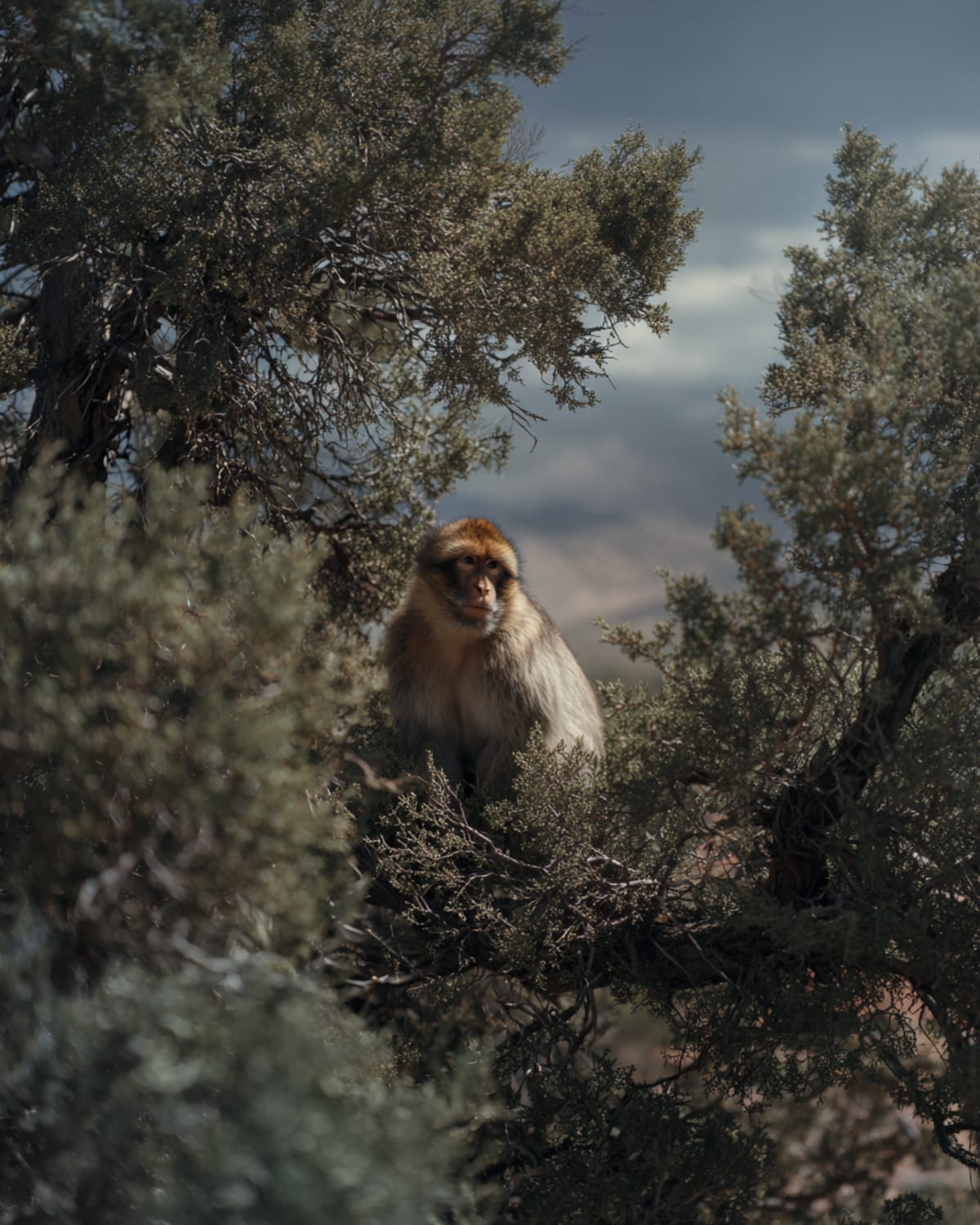
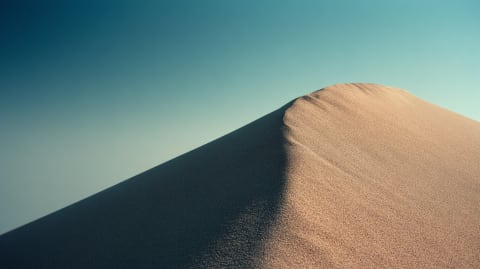
The longest day and the most dramatic shift. South from Fes through the Middle Atlas — cedar forests, Barbary macaques, air so cold and clean it stings your throat. Past Midelt the colour changes. Green to brown to ochre to gold. The Ziz Gorge cuts through red rock, palms lining the river like a procession. Erfoud passes — fossil town, the trilobites older than thought. Then the hammada flattens and empties. And there, rising from nothing, Erg Chebbi. Three hundred metres of sand, glowing copper in the last light. Your camp sits at the base. A camel waits. The sky is already filling with stars.
Day 4
Tinghir, Todra Gorge, Boumalne Dades
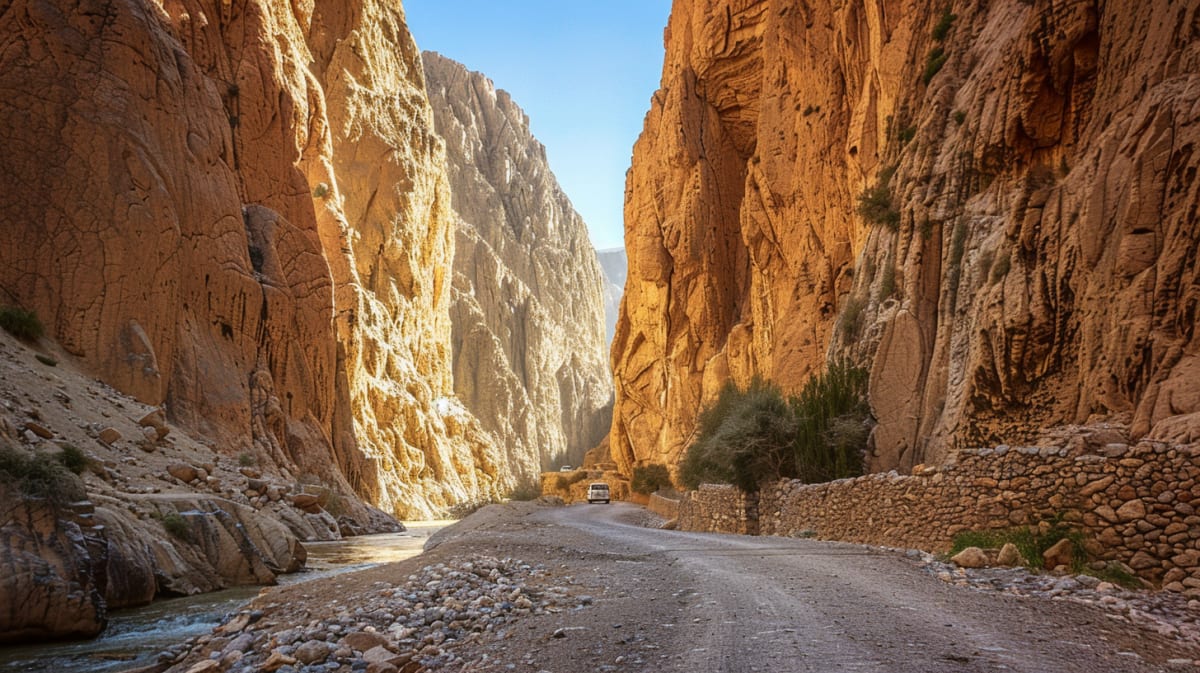
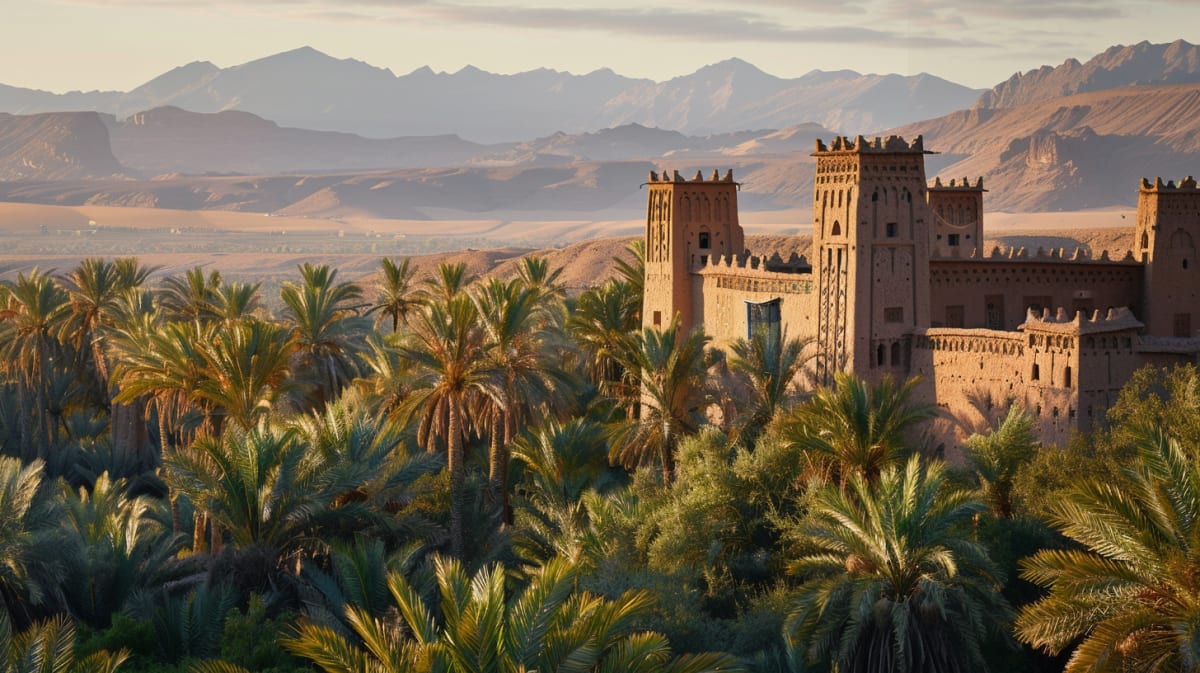
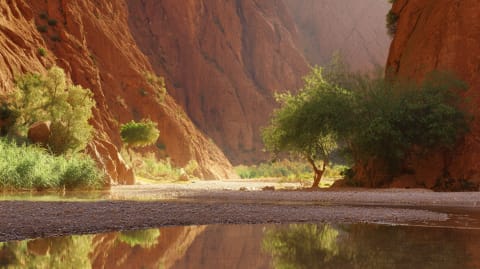
West from the dunes. The Sahara releases you onto the hammada — flat, rocky, the light already different. Erfoud passes with its fossil workshops, the smell of stone dust and resin. Then Tinghir, where the palm grove stretches for miles and the Todra Gorge slices the earth open — walls three hundred metres high, barely wide enough for the road and the river and your held breath. The cold air at the bottom smells of wet rock and mint growing wild in the cracks. Through the Dades the kasbahs multiply. Skoura's palmeraie hides crumbling towers behind date palms. You sleep in a valley where a thousand kasbahs once guarded the trade routes south.
Day 5
Rose Valley
Day 6
Marrakech
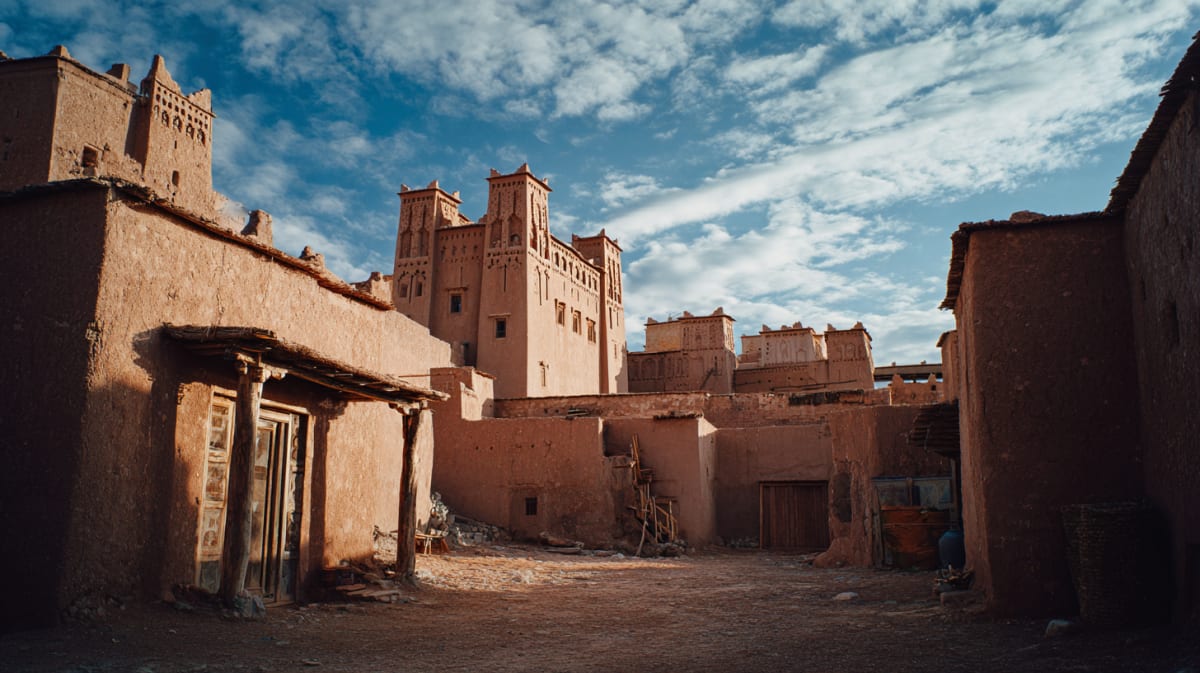
The crossing in reverse. Aït Benhaddou in morning light — the clay glows different at this hour, amber and warm, the ksar casting long shadows across the river. Then the climb. Tizi n'Tichka at 2,260 metres, the road switching back through shepherd country where the air tastes of thyme and cold stone. Your ears pop. The pass holds its breath. The descent reveals the Haouz plain — flat, green, impossibly different from the desert you woke in. Marrakech appears under the Atlas like it's been waiting for you specifically. The first glass of orange juice costs five dirhams and tastes like sunlight.
Day 7
Essaouira
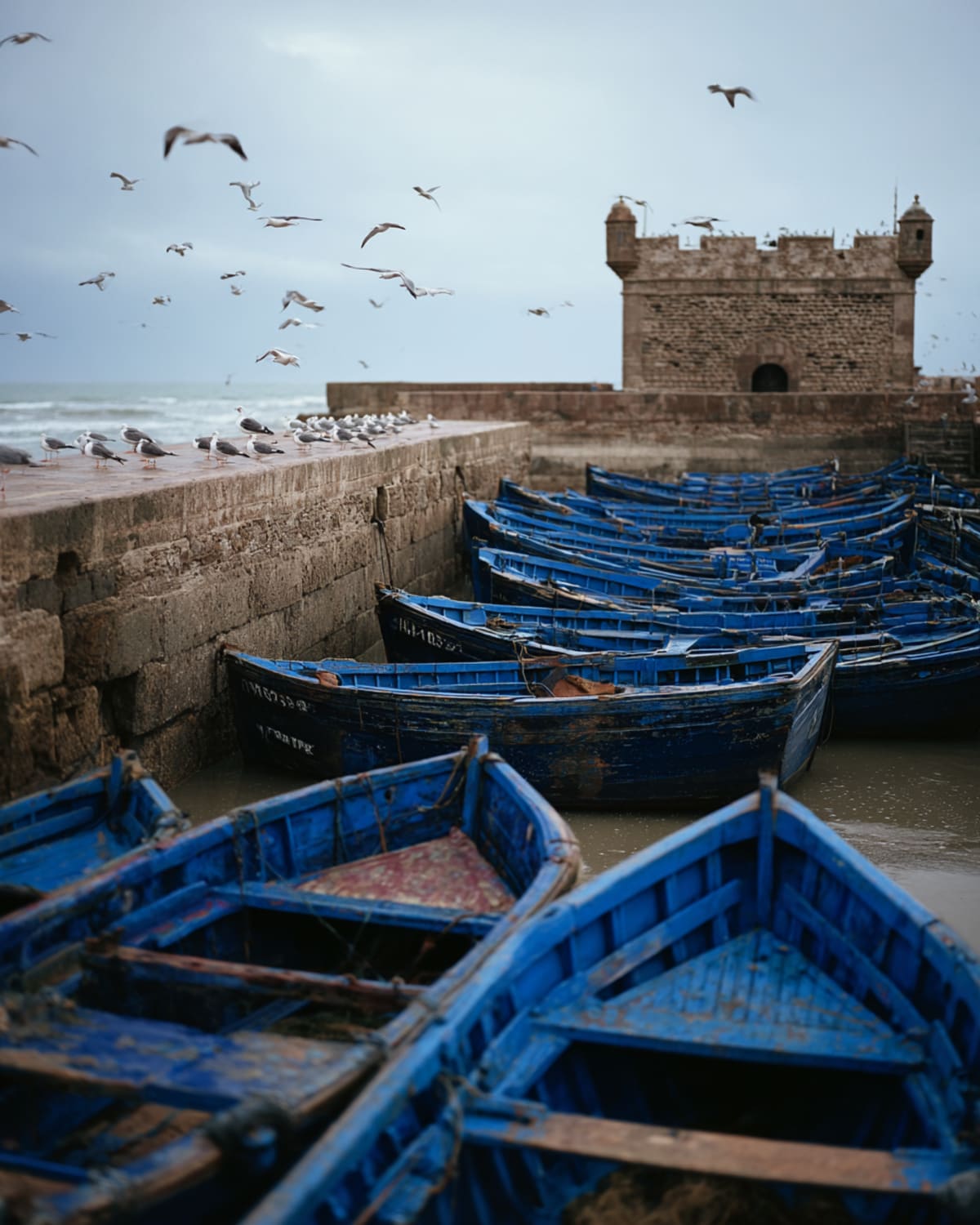
West toward water. The road flattens through argan groves where goats stand in the branches like punctuation marks against the sky. Women crack nuts at cooperatives, the oil tasting of earth and smoke when you dip bread into it. The air changes before you see the sea — salt, wind, something loosening in your shoulders you didn't know was tight. Essaouira appears white against blue. The port smells of fresh catch and rope and cedar shavings. Seagulls wheel. Shutters rattle in the alizé wind that hasn't stopped in recorded history. The city doesn't try to impress. She's busy being herself.

Day 8
El Jadida
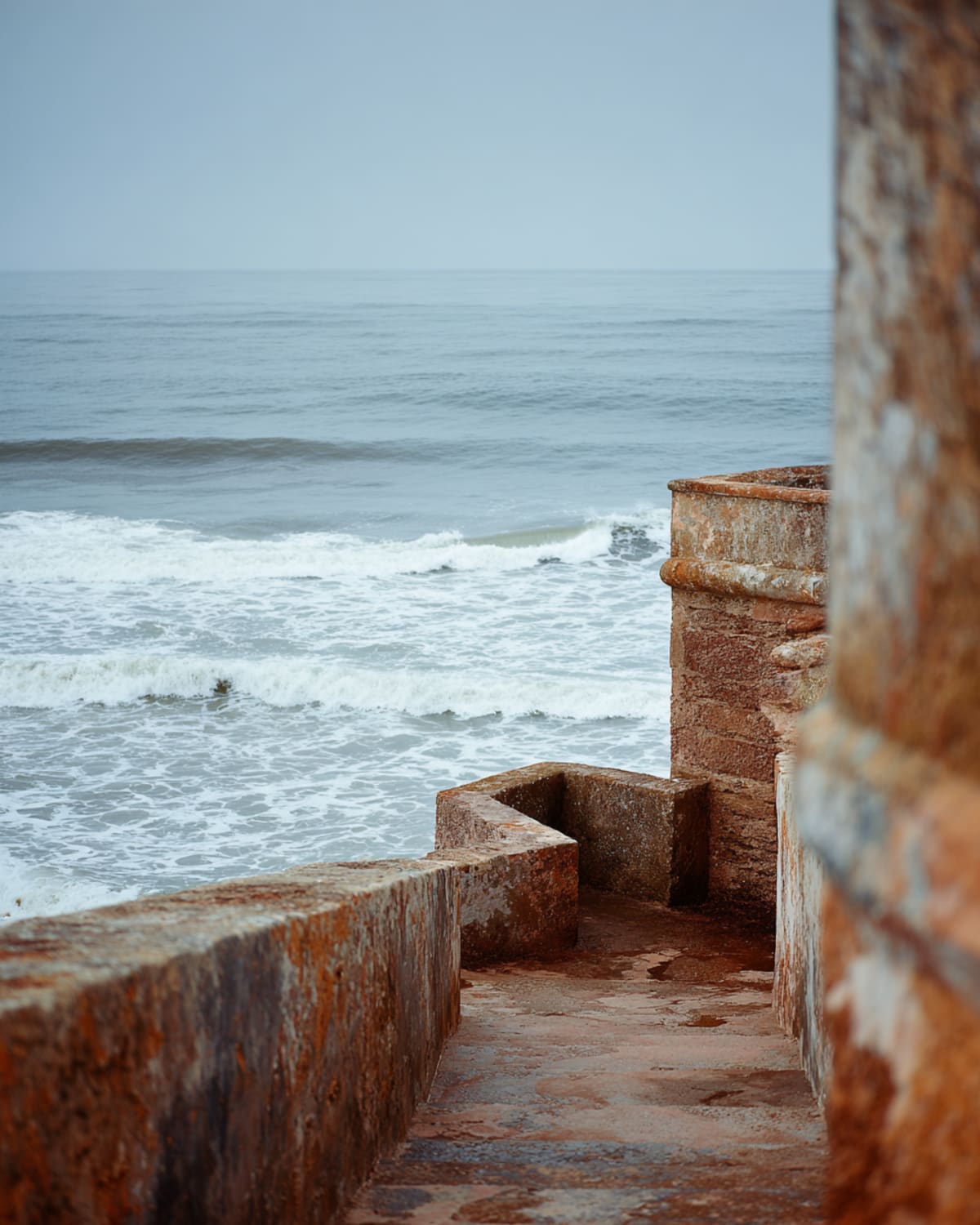
North along the Atlantic. Essaouira's wind follows you for the first hour, rattling the car, then relents. The coast road passes through Oualidia — a lagoon where oysters grow in water so clean you can see the bottom, flamingos picking through the salt pans with the precision of jewellers. Further north the landscape greens. El Jadida appears behind Portuguese walls, a fortress city where the cistern echoes under vaulted stone and the fish market sells the morning's catch by weight. You eat grilled sole overlooking ramparts that have kept the Atlantic at bay since 1514.
Day 9
Casablanca
North along the coast. El Jadida's ramparts shrink in the mirror, the Portuguese ghost fading back into stone. The road follows the Atlantic — fishing villages, oyster farms at Oualidia if you stop, the smell of seaweed and brine. Casablanca grows on the horizon, modern and restless. Hassan II Mosque appears first — the minaret rising from the ocean like a prayer made visible. The city absorbs you. Art Deco facades, café terraces, the hum of five million people who never slow down.
Private Journeys
Plan this journey.
This route is private, and shaped around how you want to move through the country. Tell us what you're hoping to find — we'll design the trip around it.
There is more
This is just the shape of the route.
The full story — where the road changes, what the maps don't name, which detours are worth the dust — lives in the Slow Morocco letter. Written from the medina. Sent when it matters.
No frequency promises. Unsubscribe anytime.

From the Archive