3 Days
Fes City Break
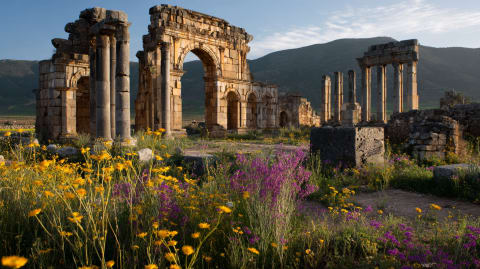
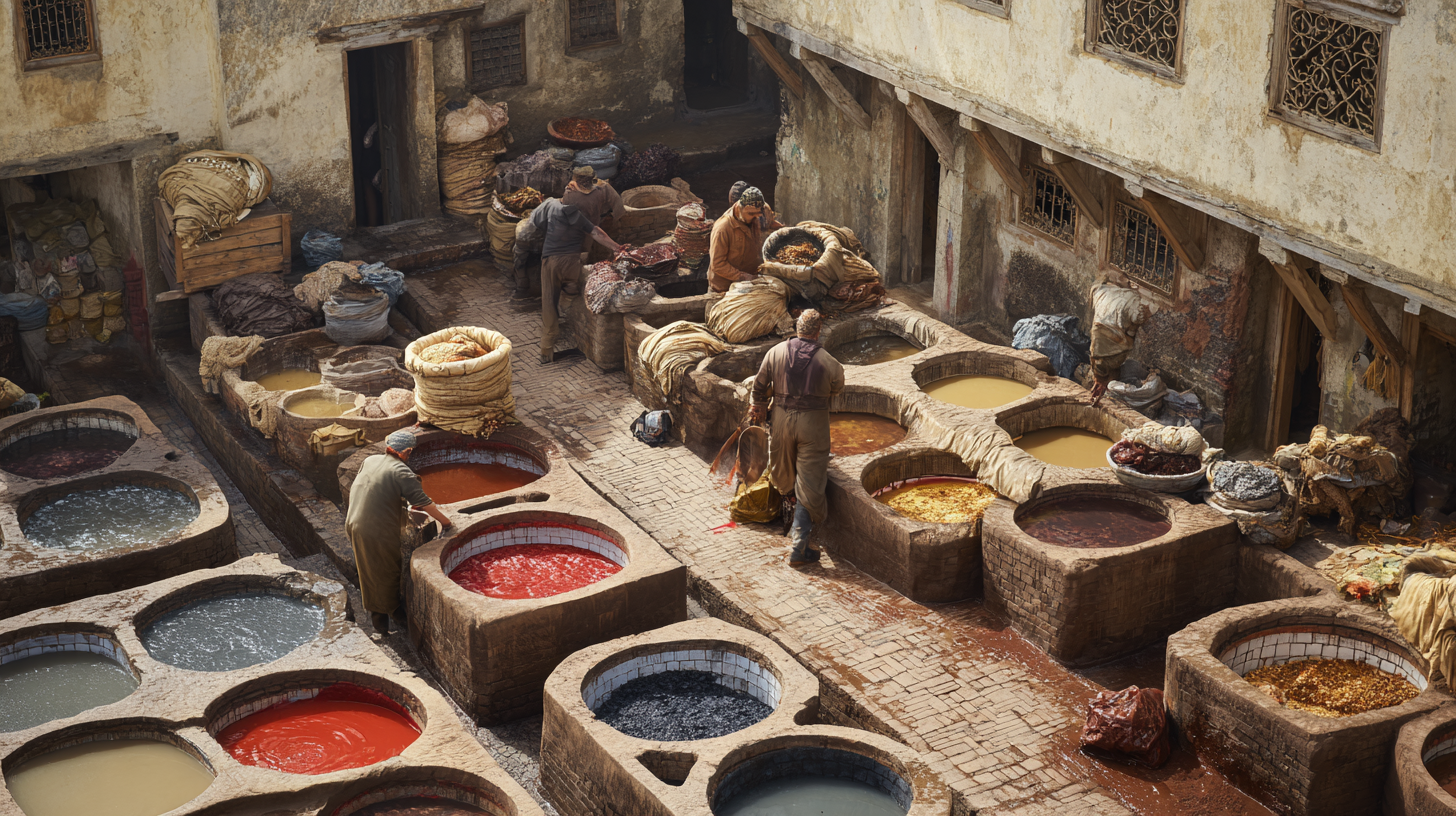
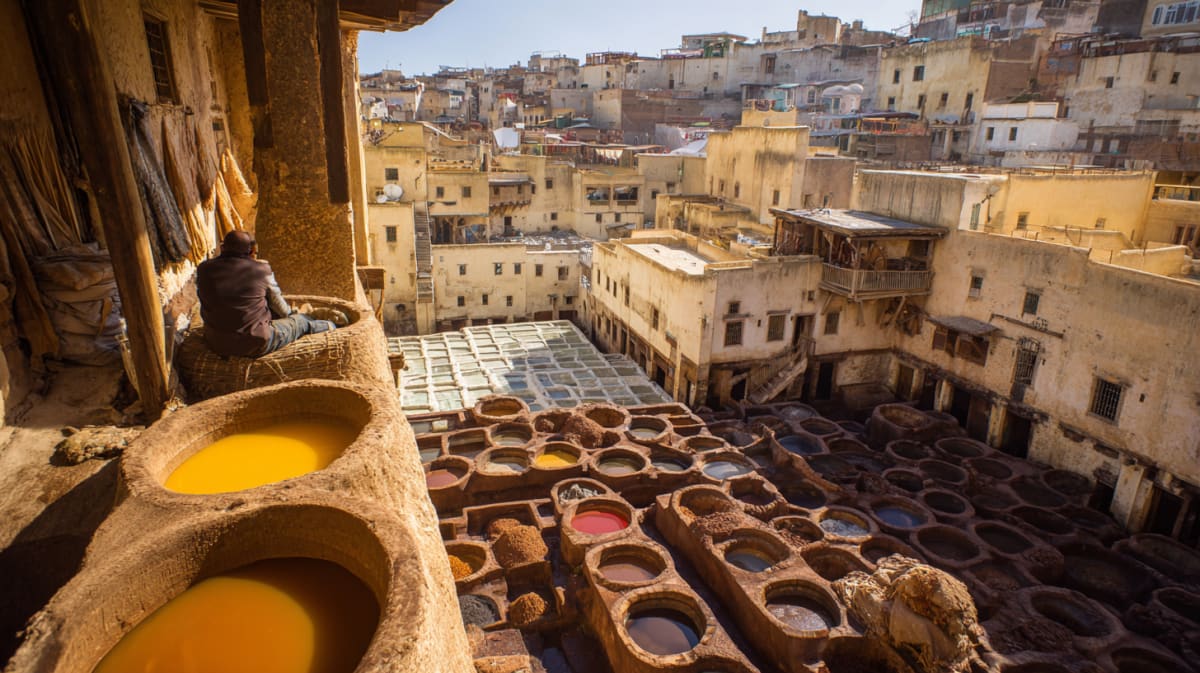
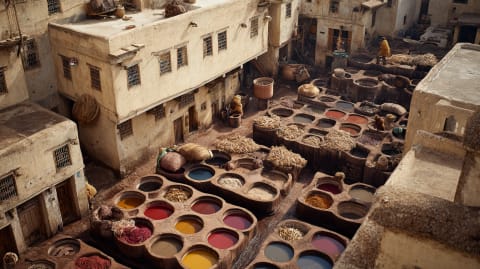
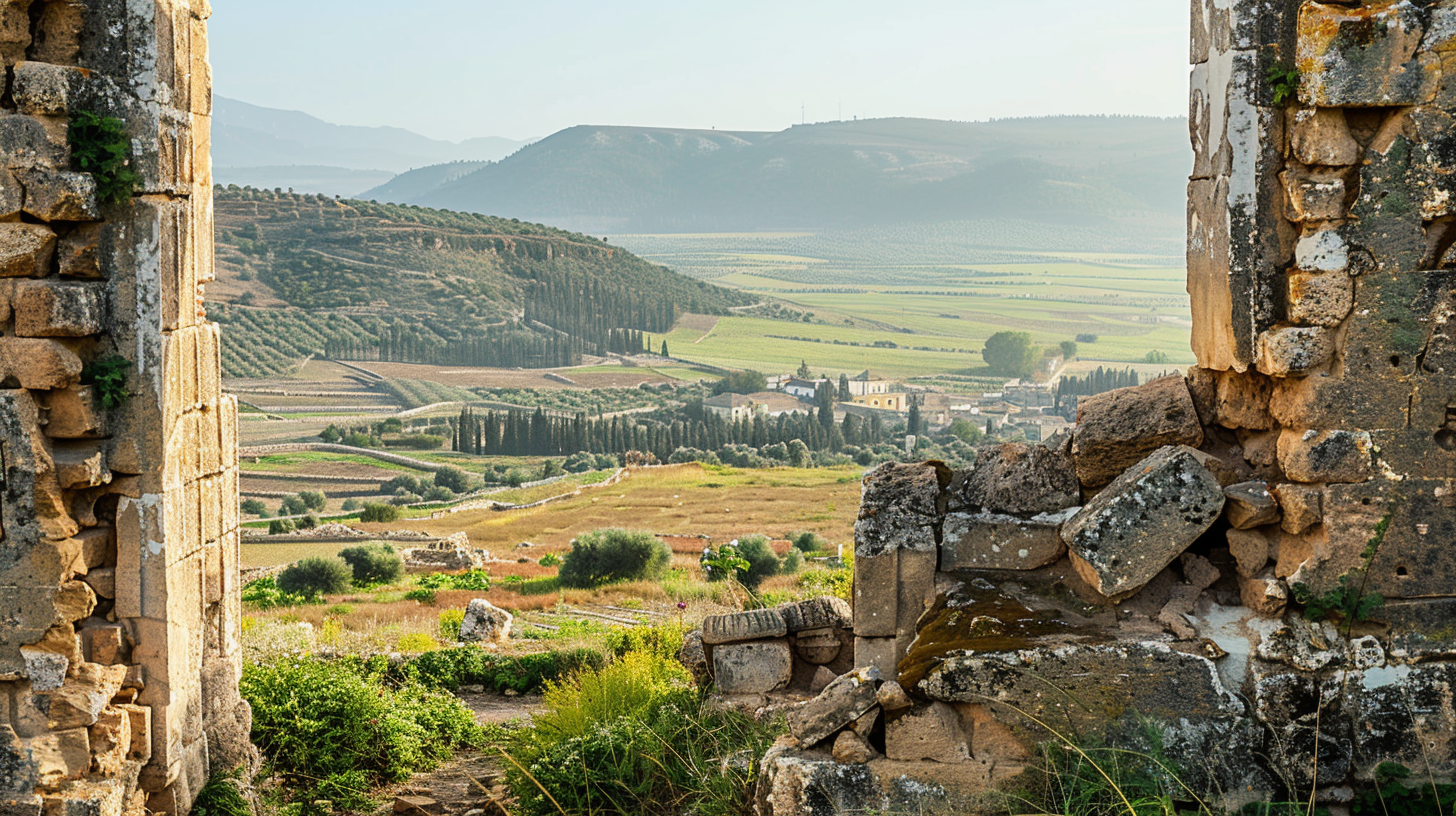
The world's largest car-free urban area doesn't explain itself. It has never needed to. You have to find the tanneries and then find someone to take you to the terrace above them. Fes el-Bali — the old city — was founded in 789 CE by Idris I, great-great-grandson of the Prophet Muhammad, on the banks of the Fes river. His son Idris II enlarged it. In 825, Arab refugees expelled from Cordoba settled on the west bank. In 859, a wealthy woman named Fatima al-Fihri endowed a mosque that became a university — al-Qarawiyyin — which has been operating continuously ever since, making it the oldest university in the world. The medieval city that grew around these institutions is still functioning. Not preserved. Functioning. The tanneries are the first thing most visitors want to see and the last thing they expected. The Chouara tannery has been in the same location since the 11th century. The process: hides soaked in pigeon dung to remove hair and soften the leather, then moved between vats of natural dye — saffron yellow, poppy red, indigo blue, mint green, mimosa white. The men work standing inside the vats. You watch from leather-shop terraces above, handed a sprig of mint to hold under your nose, which helps with the smell and does nothing for the scale of what you're seeing. The foundouks — medieval merchants' inns built around a central courtyard — are scattered through the medina. Most are now workshops. The Nejjarine foundouk is a museum of wooden arts with a rooftop café. The Chouara foundouk still operates as it did in the 14th century, minus the camels. Day two runs south to Moulay Idriss Zerhoun — the holy city built around the tomb of Idris I, on a hill above the Roman ruins of Volubilis. Non-Muslims couldn't stay overnight in Moulay Idriss until 2005. The restriction lifted. Most visitors still don't stay, which means the town empties after lunch and becomes itself again. Volubilis is seventeen kilometres downhill. The mosaics are in the ground where they were laid two thousand years ago, open to the sky. The Orpheus mosaic in the House of Orpheus. The olive presses in the residential quarter. The Caracalla arch framing a view of the countryside that looks almost exactly as it did when Rome was in charge. Three days. One city that takes considerably longer than three days to understand, which is the point.
Day 1
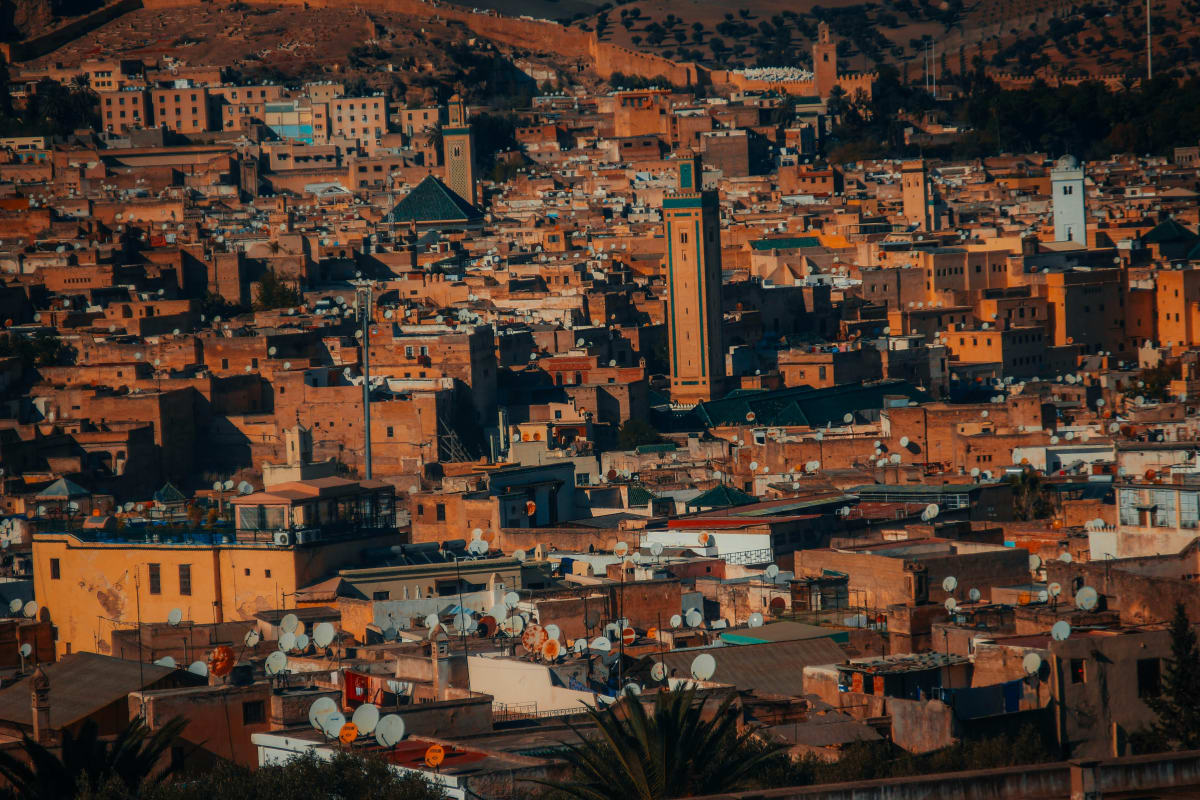
Fes
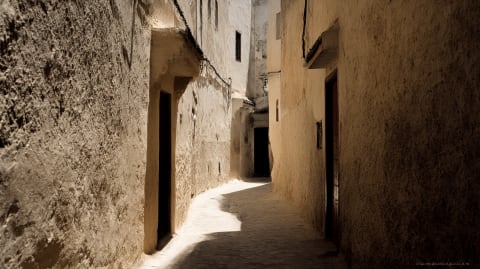
Nine thousand alleys. The medina hasn't changed in a thousand years—same crafts, same quarters, same calls echoing off the walls. The tanneries still use pigeon dung. The brass workers still hammer by hand. You get lost. Everyone does. A boy leads you out for a coin. By evening, you've stopped trying to map it. The labyrinth is the point.
Day 2
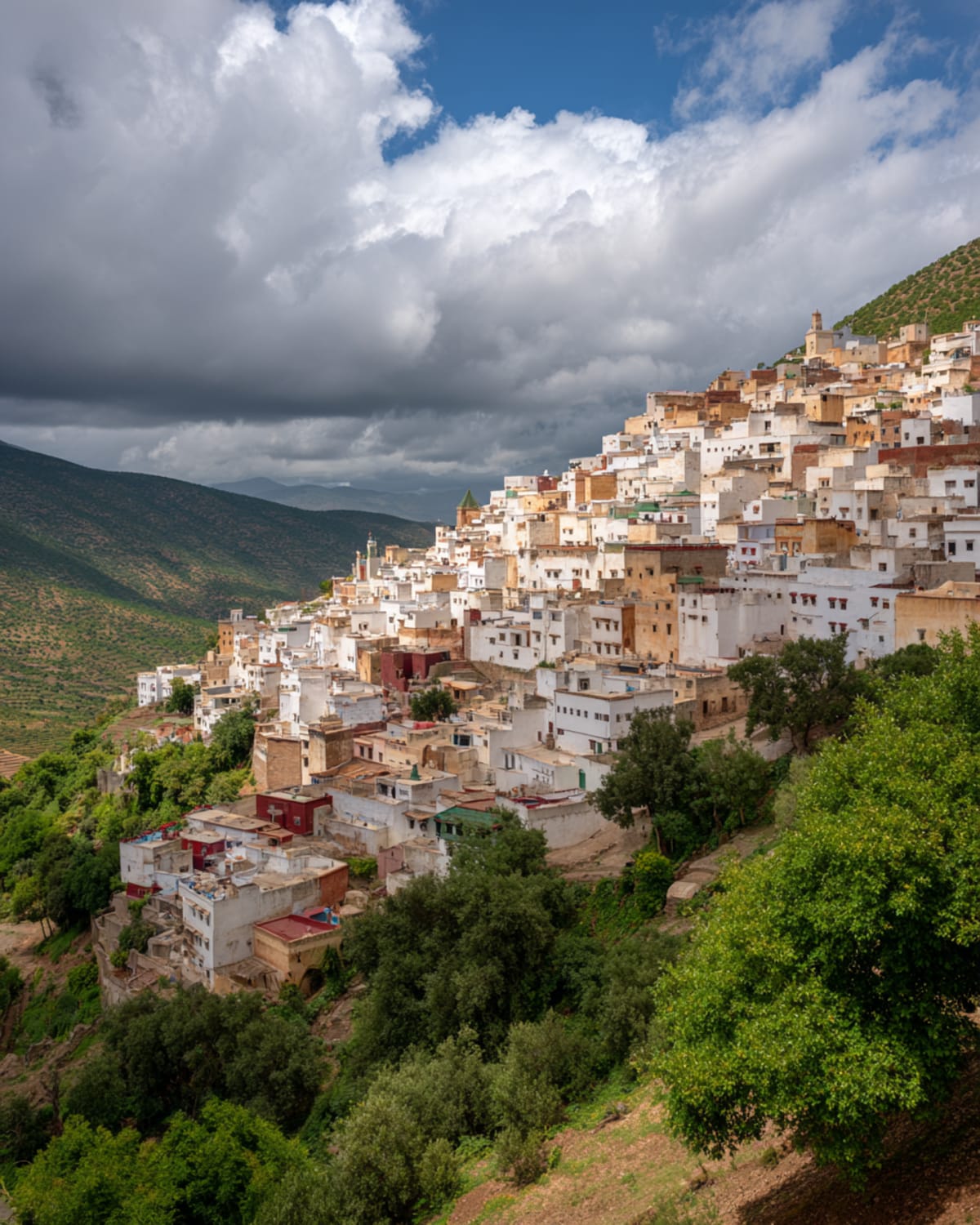
Moulay Idriss
North through olive groves to Morocco's holiest town. Moulay Idriss clings to twin hills above the Zerhoun — whitewashed houses cascading down slopes so steep the streets become stairs. This is where Morocco began. Moulay Idriss I brought Islam here in the eighth century and the town has never stopped praying. Until recently, non-Muslims couldn't stay overnight. The energy is different — quieter, more watchful, the call to prayer carrying across the valley to Volubilis below. The rooftop views make you hold your breath.
Day 3
Fes
Nine thousand alleys. The medina hasn't changed in a thousand years—same crafts, same quarters, same calls echoing off the walls. The tanneries still use pigeon dung. The brass workers still hammer by hand. You get lost. Everyone does. A boy leads you out for a coin. By evening, you've stopped trying to map it. The labyrinth is the point.
Private Journeys
Plan this journey.
This route is private, and shaped around how you want to move through the country. Tell us what you're hoping to find — we'll design the trip around it.
There is more
This is just the shape of the route.
The full story — where the road changes, what the maps don't name, which detours are worth the dust — lives in the Slow Morocco letter. Written from the medina. Sent when it matters.
No frequency promises. Unsubscribe anytime.





From the Archive