Morocco

North Africa · 37 million people · 11 UNESCO sites

Morocco

Morocco sits at the edge of two continents, three seas, and a dozen climatic zones. Atlantic coast to Saharan dune. Mediterranean littoral to High Atlas snowfield. The country contains more variety than its size should allow — and has been receiving travellers long enough to have developed a particular patience with the surprised.

Eleven years of living inside the medina teaches you that Morocco is not a destination you understand on the first visit. It reveals itself laterally — through a conversation, a detour, a door left open. This is a country best approached slowly.

— J. Ng, Marrakech

Morocco in numbers

37M

Population

710K

km² area

11

UNESCO sites

3,500

km coastline

1,000+

Years of medina tradition

3

Mountain ranges

Essentials

Currency

Moroccan Dirham (MAD)

~1 EUR = 11 DH · ~1 USD = 10 DH · Closed currency, exchange on arrival

Language

Darija · Tamazight · French

Spanish in the north · English in tourist areas

Visa

Visa-free for most Western passports

US · UK · EU · Canada · Australia · 90 days on arrival

Religion

Islam (Maliki Sunni)

With a distinctive Sufi tradition · Muezzin call five times daily

Time zone

GMT+1 (WET/WEST)

Morocco does not observe daylight saving in the standard way

Electricity

220V · Type C/E plugs

Same as continental Europe

When to go

Imperial citiesSouth & DesertAtlantic coastSahara
Jan
Good
Ideal
Ideal
Ideal
Feb
Good
Ideal
Ideal
Ideal
Mar
Ideal
Ideal
Ideal
Ideal
Apr
Ideal
Ideal
Ideal
Good
May
Ideal
Ideal
Ideal
Good
Jun
Good
Hot
Ideal
Hot
Jul
Hot
Hot
Ideal
Hot
Aug
Hot
Hot
Ideal
Hot
Sep
Ideal
Ideal
Ideal
Good
Oct
Ideal
Ideal
Ideal
Ideal
Nov
Good
Ideal
Good
Ideal
Dec
Good
Good
Good
Ideal

Six regions

Imperial Cities

Marrakech · Fes · Meknes · Rabat

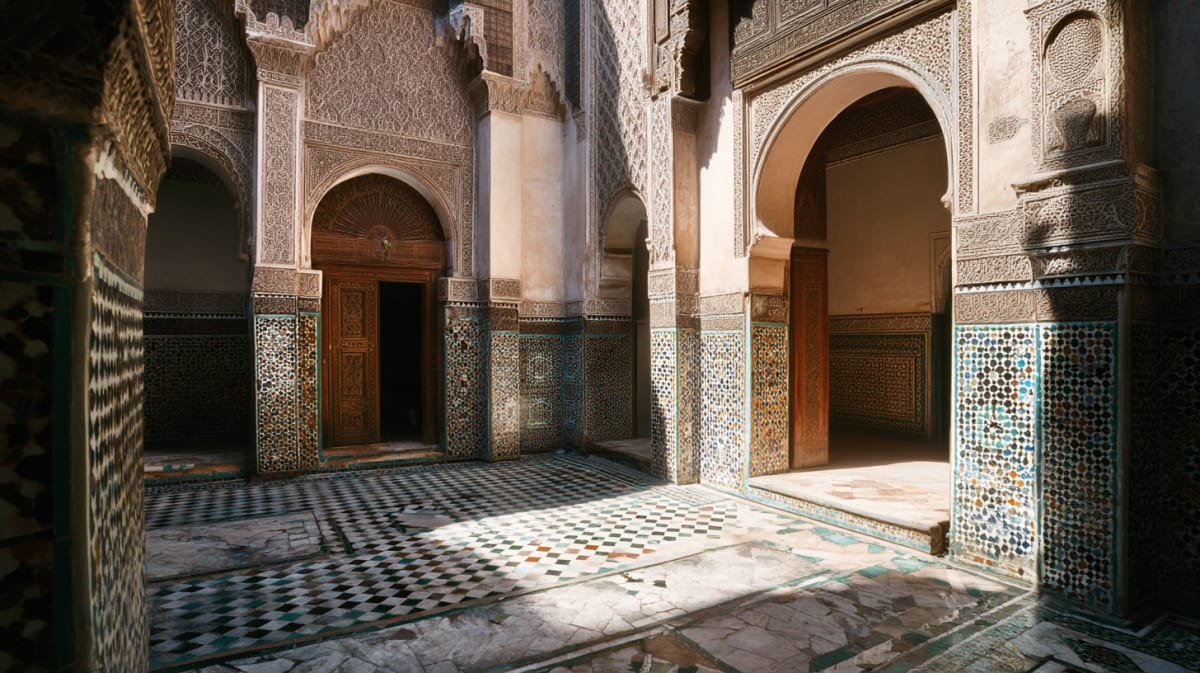
Four capitals across different dynasties. Each one convinced the others were second choices.

Atlantic Coast

Casablanca · Essaouira · Agadir

3,500 kilometres of coast. Art Deco, wind-scoured ramparts, surf breaks that peel for 200 metres.

The North

Tangier · Chefchaouen · Tetouan

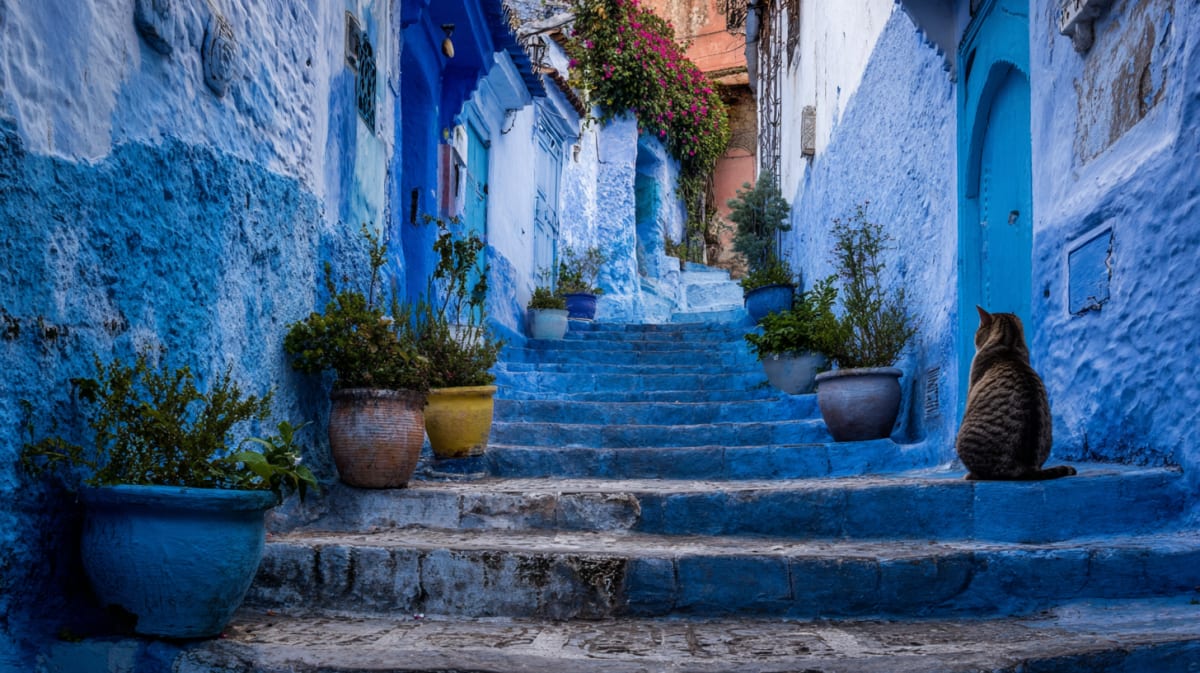
Where Morocco faces two continents. Spanish echoes, Rif mountains, blue medinas.

The South

Ouarzazate · Dakhla · Zagora

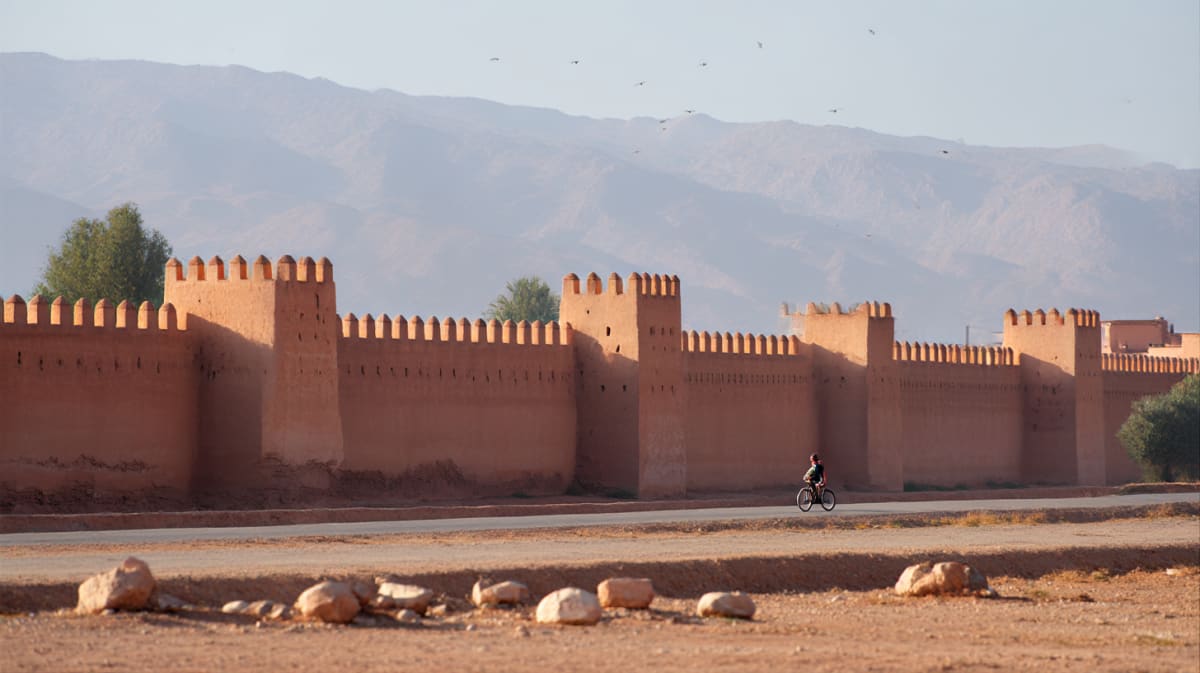
Pre-Saharan plateaus, kasbahs melting back into the earth, and the long road to the Saharan peninsula.

The Atlas

Imlil · Imilchil · Aït Bouguemez

Three mountain ranges running northeast to southwest. Snow in winter, cedar forests, Berber villages.

The Sahara

Merzouga · Erg Chigaga · M'Hamid

The eastern and western ergs. Dunes 150 metres high. A sky at night that makes the city feel like a rumour.

Ten cities

From the archive

All stories →

Common questions

Do I need a visa?

Citizens of the US, UK, EU, Canada, and Australia receive a 90-day stamp on arrival. No advance visa needed. Check current requirements before travelling.

What currency?

The Moroccan dirham (MAD). A closed currency — exchange on arrival at airports, banks, or ATMs. Approximately 1 EUR = 11 DH, 1 USD = 10 DH.

What languages are spoken?

Darija (Moroccan Arabic) is the everyday language. Tamazight (Berber) in mountain regions. French for business and formal contexts. Spanish in the north. English widely spoken in tourist areas.

Is it safe?

Morocco is one of the most visited countries in Africa with a well-established tourism infrastructure. Standard urban precautions apply.

What religion?

Islam — specifically Maliki Sunni, with a strong Sufi tradition. The call to prayer sounds five times a day. Ramadan shifts the rhythm of the entire country for a month.

Private journeys

Ready to go?

Every journey we design is private, unhurried, and built around what Morocco actually is — not the postcard version. Eleven years in the medina means we know the difference.

Plan Your Trip