The Draa
A river that disappears and returns
The riverbed is dry. Has been for months. But the palms are green, the gardens lush, the wells full. The Draa has not abandoned its valley. It has simply gone underground.
52 stories
A thousand years of dynasties, trade routes, and the slow accumulation of identity. Morocco's past is not behind it — it is the texture of its present.

A river that disappears and returns
The riverbed is dry. Has been for months. But the palms are green, the gardens lush, the wells full. The Draa has not abandoned its valley. It has simply gone underground.

Why the dunes of Erg Chebbi hum
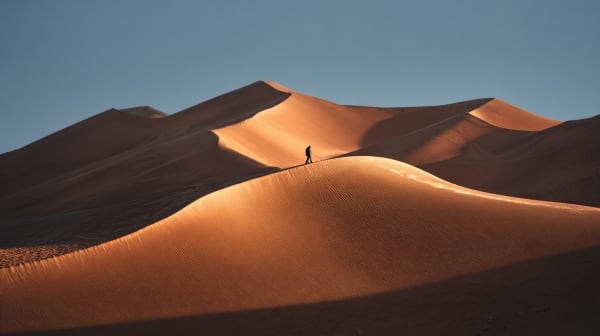
The dune begins to hum. A low vibration, felt in the chest before the ears register it. The tourists freeze. The guide smiles. The sand is speaking.

Timbuktu to Sijilmassa, the route that built empires
The camels know the way. Forty days to Timbuktu, forty days back. Their fathers walked this route, and their fathers before them. The salt on their backs is worth more than the gold they'll carry home.

Two thousand years of Jewish Morocco
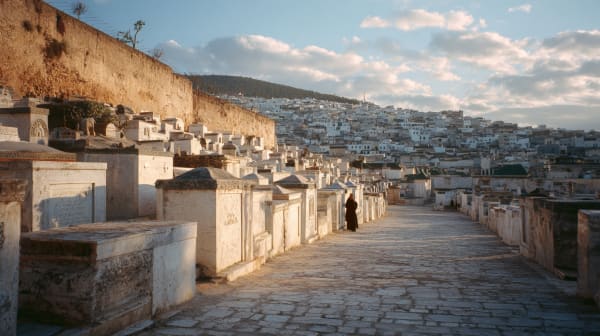
Behind the walls, a city within a city. The mellah held its own courts, its own time.

Where the Sahara meets the sea
Each spring, the flamingos return to Merja Zerga. Nobody told them about borders.

The secret life of the Sahara
Deep in the Rif, a kingdom survived by staying invisible.

When the desert was an ocean of grass
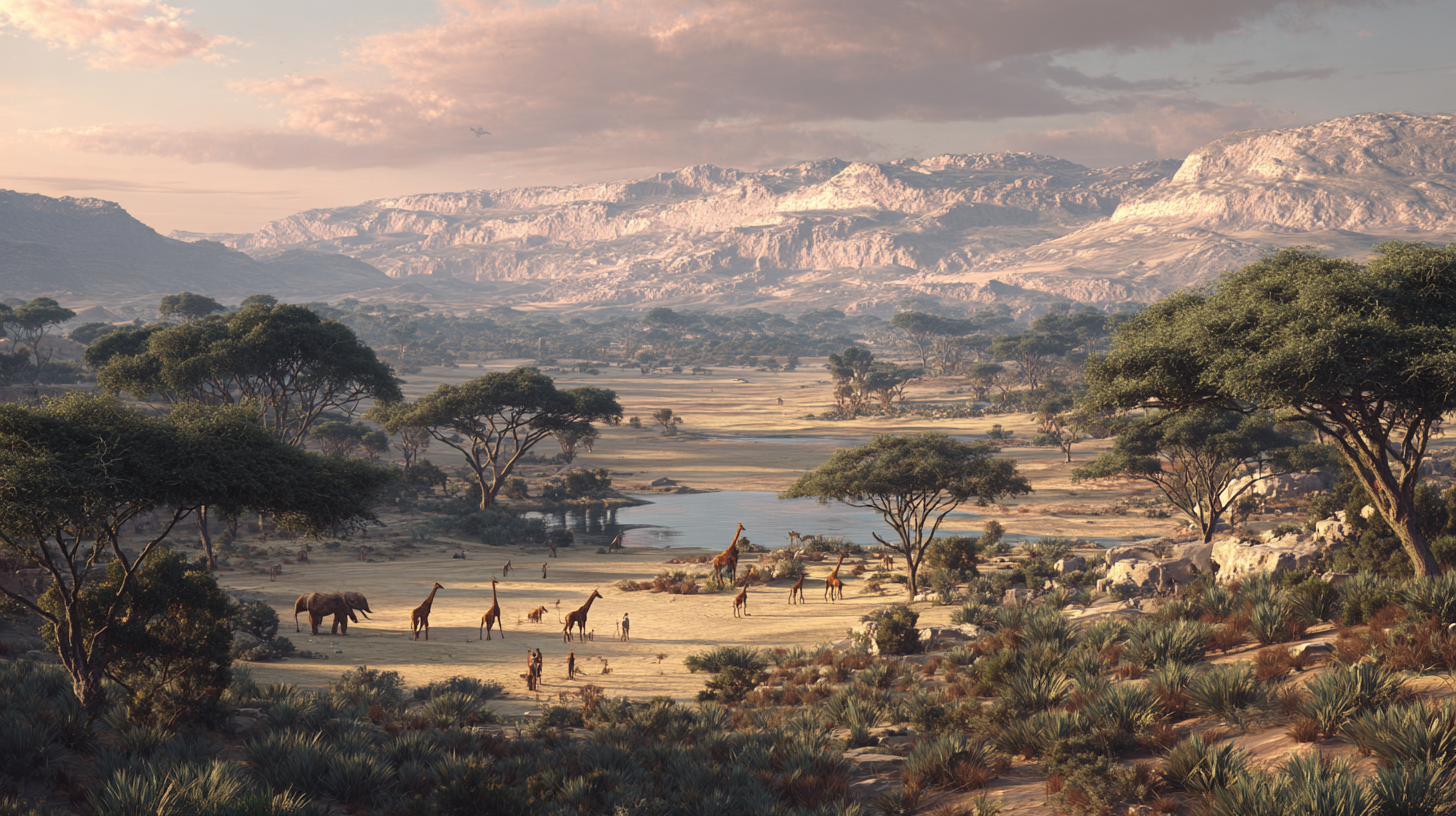
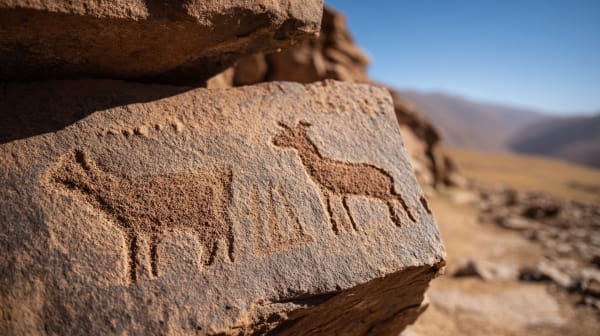
Before the Sahara was sand, it was savanna. The rock paintings remember.

How a Moroccan mine rewrote human origins
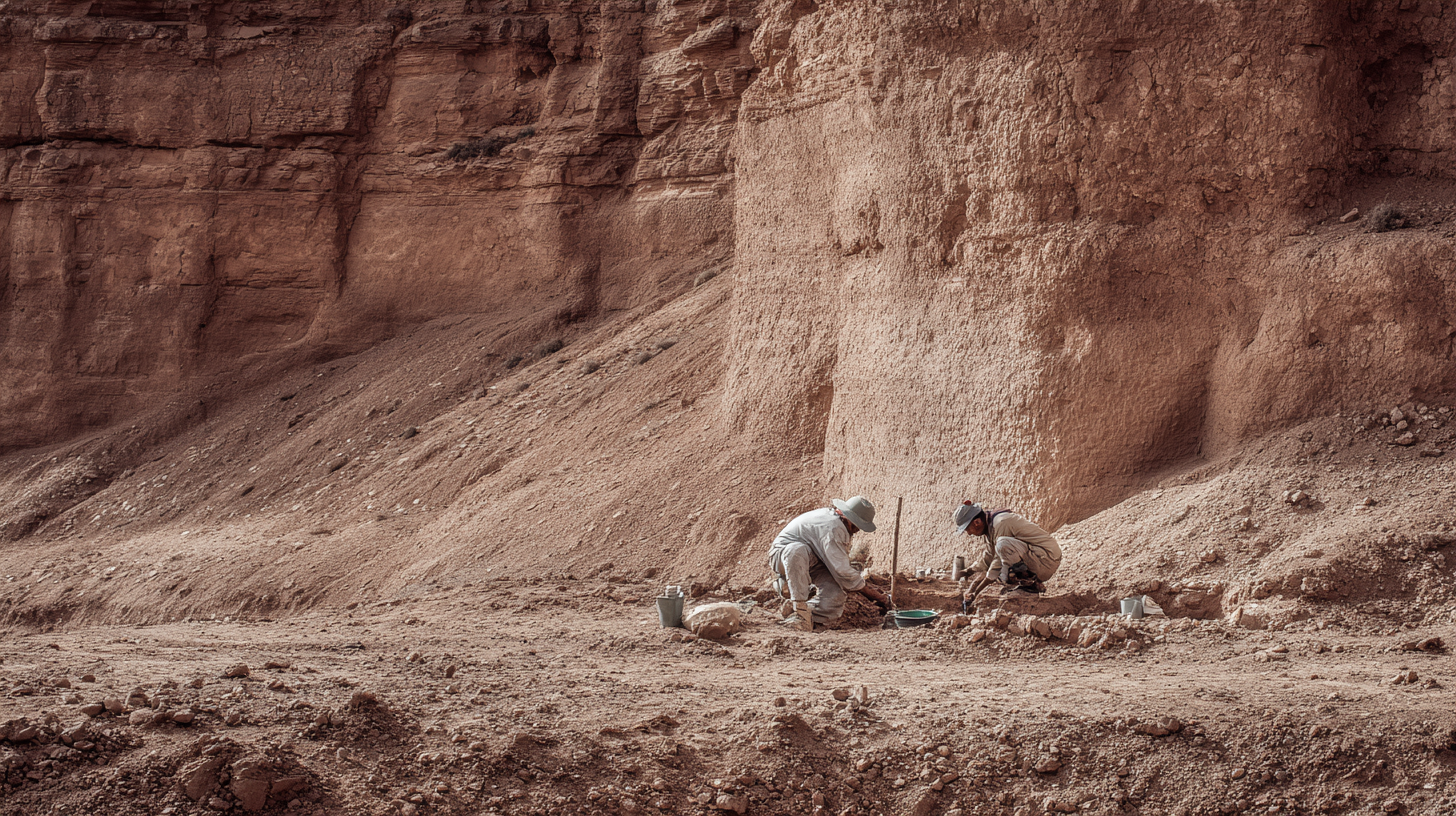
In 2017, a barite mine 100 kilometers west of Marrakesh yielded the oldest known Homo sapiens fossils—315,000 years old, rewriting human origins as a pan-African story.

When Saharan nomads ruled Spain
For two centuries, the kings of Castile and Aragon paid tribute to Berber chieftains from the Sahara. The Almoravids and Almohads created an empire from Senegal to Spain.

Eight hundred years of shared civilization
For eight centuries, the fourteen kilometers of water between Morocco and Spain separated nothing. The same scholars, poets, and architects moved freely between Fez and Córdoba.

How Morocco's first dynasty began‚ and almost ended
He was a great-grandson of the Prophet, fleeing Abbasid assassins. He founded Morocco's first Islamic state. Then he was killed with a scented toothpick.

Ahmad al-Mansur and Morocco's last golden age
He won the Battle of the Three Kings, conquered Timbuktu, and built a palace of gold. Then he died of plague, and his sons destroyed everything fighting for the throne.

Moulay Ismail's 55 years of blood and marble
He ruled for fifty-five years, expelled the English from Tangier, resisted the Ottomans, and built a capital to rival Versailles. Most of it from memory.

The afternoon that ended Portugal's golden age
Three kings entered the battle. None survived. Portugal lost its independence for sixty years. Morocco gained its greatest sultan.

How the expulsion from Spain remade Jewish Morocco and the Ottoman Empire
Granada fell on January 2. The decree came on March 31. Every Jew in Spain had four months to convert or leave. They could not take gold, silver, or horses.

In 1777, Morocco became the first nation to recognize American independence
Before France, before Spain, before anyone else recognized the fledgling United States, Sultan Mohammed III of Morocco opened his ports to American ships. The treaty they signed is still in force — the longest unbroken alliance in American history.

Where the ancient world ended and the unknown began
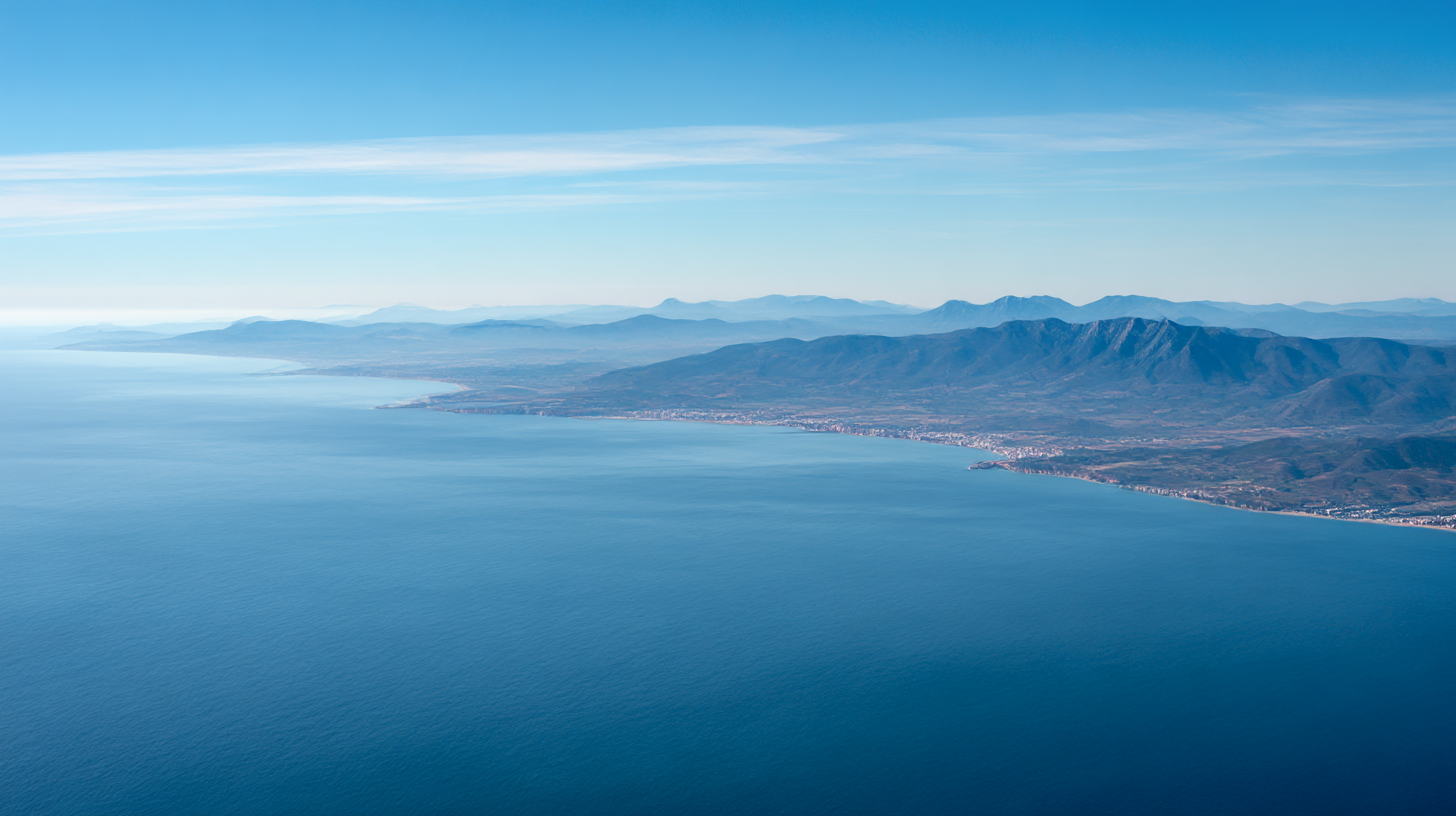
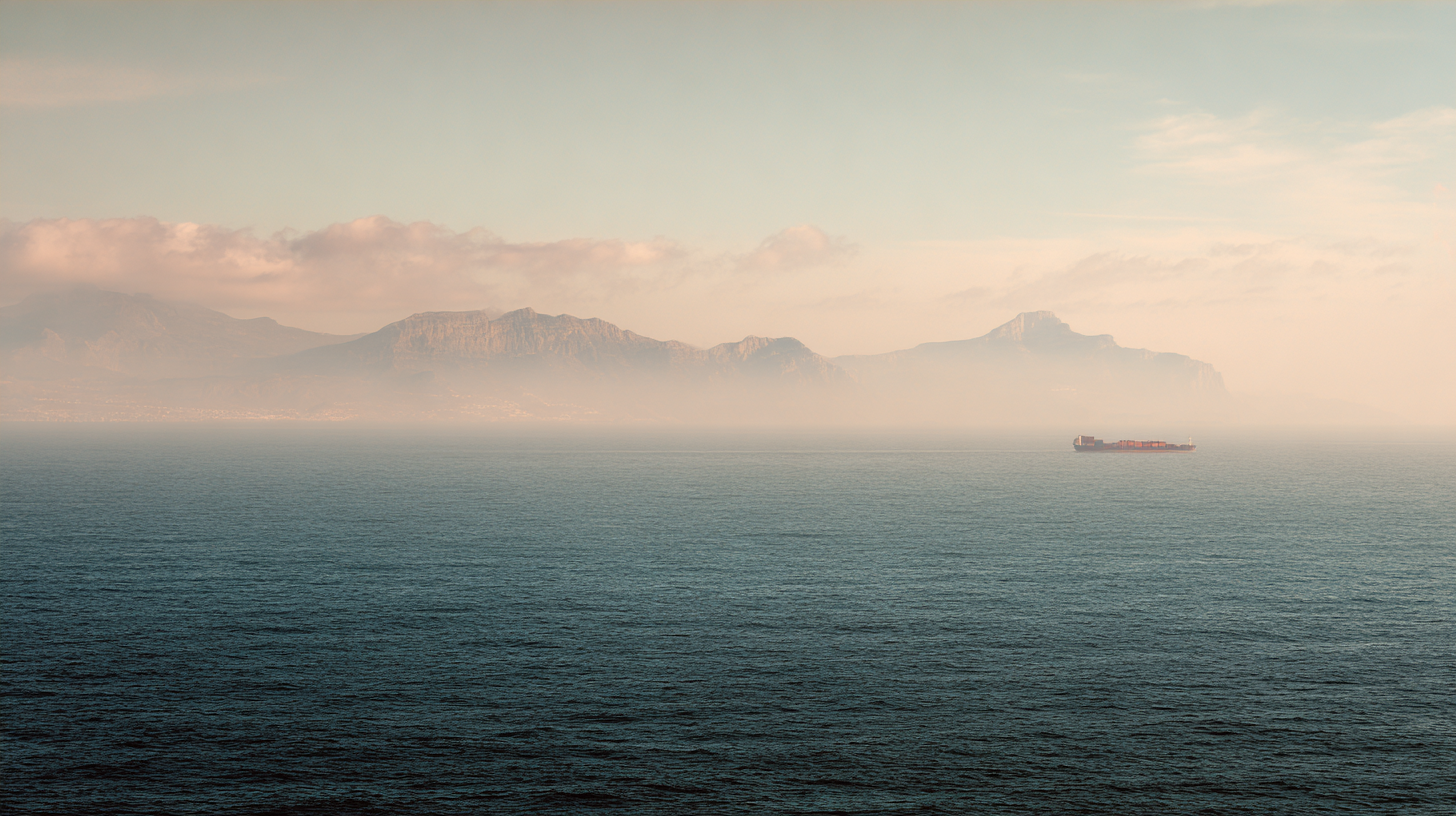
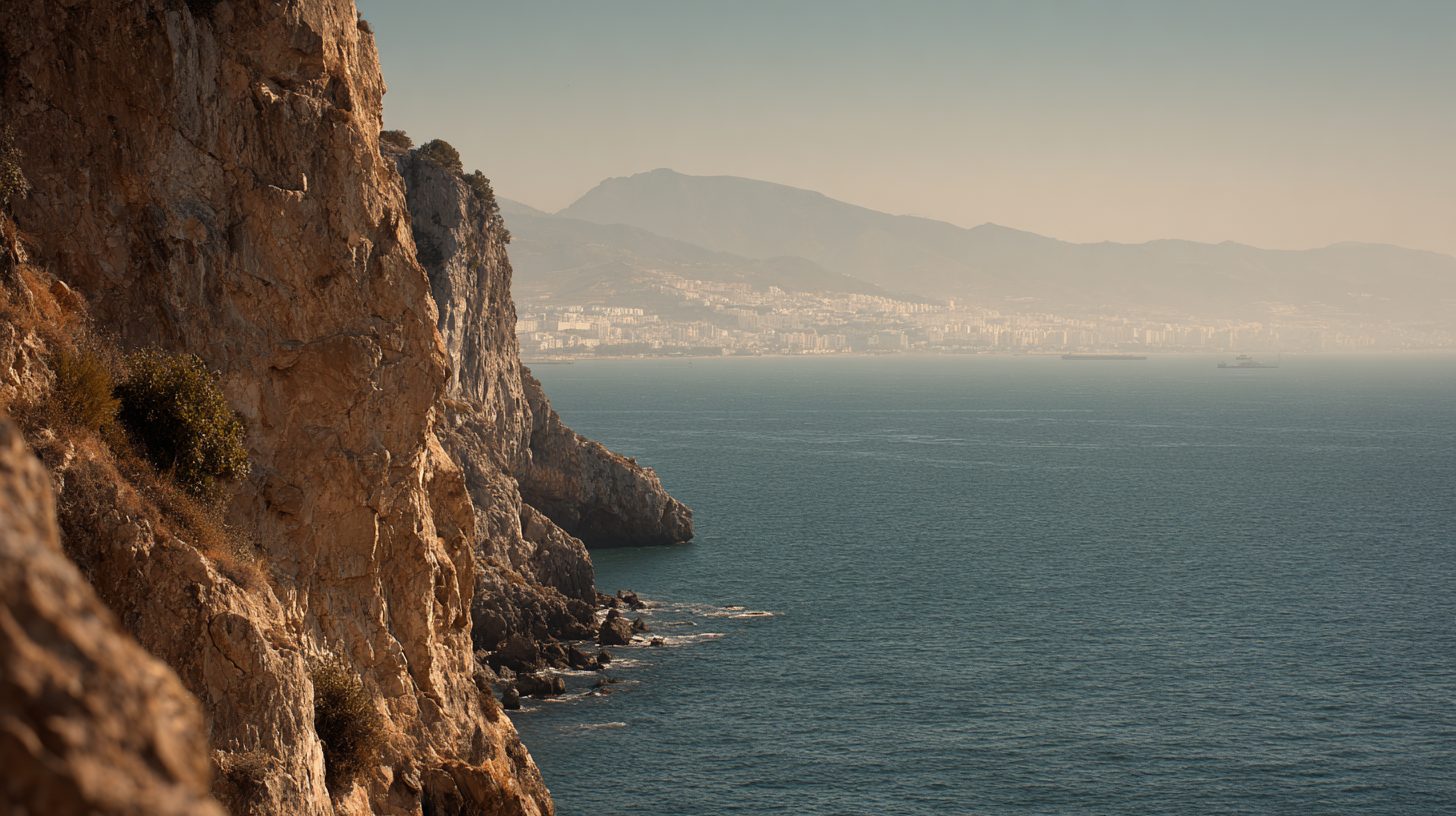
The Greeks believed the world ended here. Beyond the Strait of Gibraltar lay nothing — or monsters. Hercules himself had ripped Africa from Europe to mark the boundary. Stand at Cap Spartel and you're looking at the same horizon that meant 'here be dragons' to the ancient world.

The Garden of Hesperides was here — and the apples were real
Hercules' eleventh labor sent him to steal the golden apples from the Garden of the Hesperides — the 'Daughters of the Evening' who tended the orchard at the edge of the world. The Greeks placed that garden at Lixus, near modern Larache. The golden apples? They were citrus. Morocco still grows them.

Hercules rested here after separating the continents
At Cap Spartel, where the Atlantic meets the Mediterranean, a cave opens in the cliffs. The Greeks said Hercules slept here after tearing the continents apart. The opening — facing the sea — is shaped like the map of Africa. Coincidence or cosmic joke, no one knows.

Ahmad al-Mansur drowned in gold and built his death chamber in Italian marble
They called him 'The Golden One.' Sultan Ahmad al-Mansur built the richest court in Africa, funded by sugar and ransomed Portuguese prisoners. When he died, he was buried in a tomb of Italian marble so magnificent that later sultans sealed it shut for 300 years rather than be compared.

For 30 years, Tangier belonged to no one. Everyone came.
From 1923 to 1956, Tangier was stateless — administered by nine foreign powers, bound by no single law. It became a haven for spies, artists, exiles, and anyone who needed to disappear. The Beats wrote here. The CIA recruited here. The last lawless city in the Western world.

Churchill and Roosevelt decided the fate of the Axis over Moroccan oranges
In January 1943, Churchill and Roosevelt met at the Anfa Hotel in Casablanca. Stalin was invited but didn't come. Over ten days of meetings — and plates of Moroccan oranges — they made the decision that would define the rest of the war: the Axis would surrender unconditionally, or not at all.

Inside Morocco's 1,200-year-old machine of state
The doors are always closed. Behind them, 80 hectares of palace and 1,200 years of monarchy. You cannot enter. But the stories seep out.

Odysseus lost his men to a fruit so sweet they forgot home. The coast he described looks like Morocco.
In the Odyssey, Odysseus lands on an island where the natives eat lotus flowers that make men forget home. His sailors taste the fruit and refuse to leave. Homer placed this land nine days' sail from Greece, beyond the known world. Scholars have been arguing about the location for 2,800 years.

Before he wrote The Little Prince, Saint-Exupéry flew mail from Toulouse to Dakar and crashed into the desert
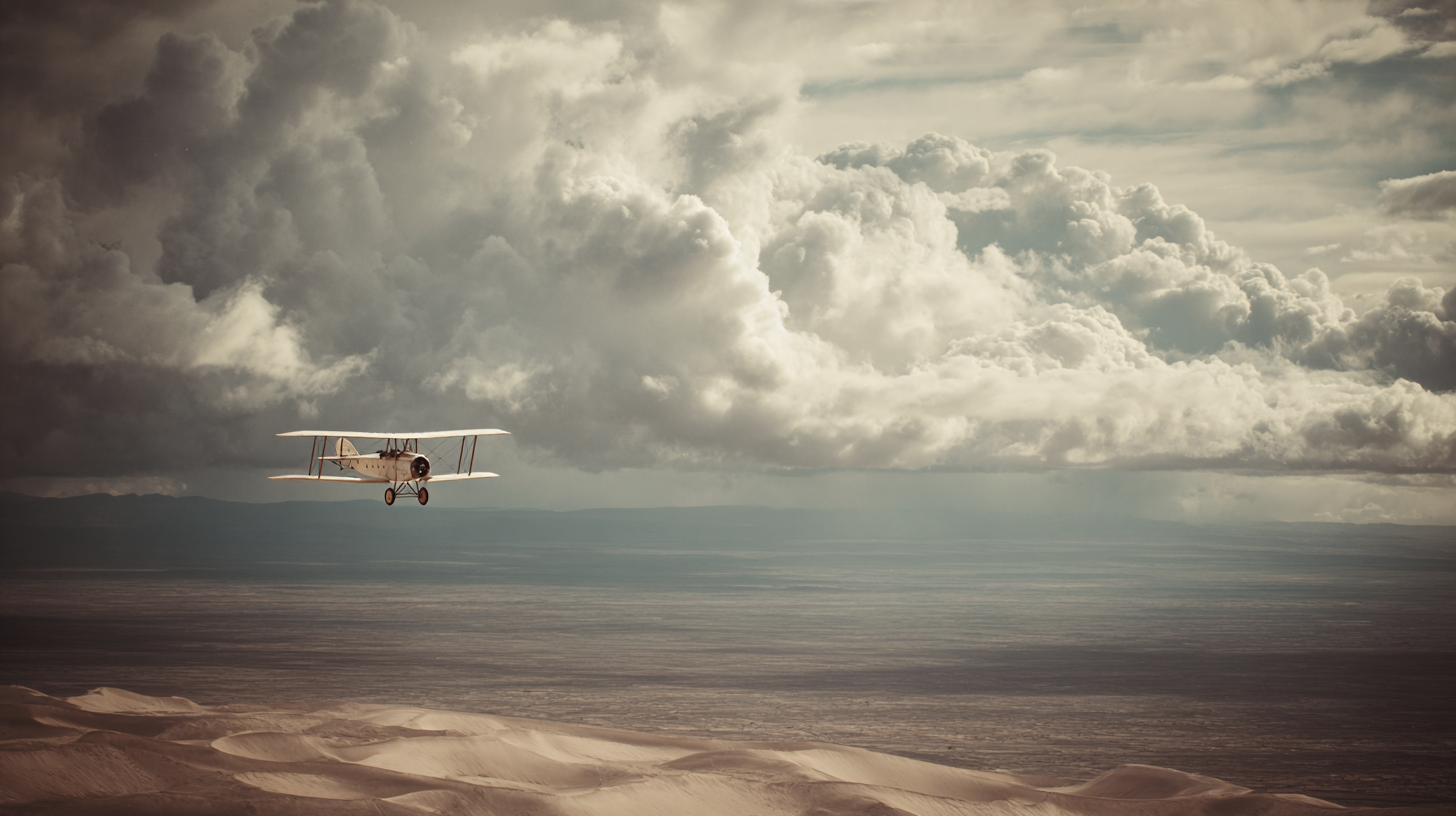
Antoine de Saint-Exupéry flew airmail over Morocco in the 1920s, navigating by landmarks in a plane that could barely outrun the wind. He crashed, was captured by nomads, rescued pilots downed in the desert, and wrote it all down. The silence, the stars, the conversations with solitude — they became The Little Prince.
Rome built a city in Morocco. Then they left it standing when the empire fell.
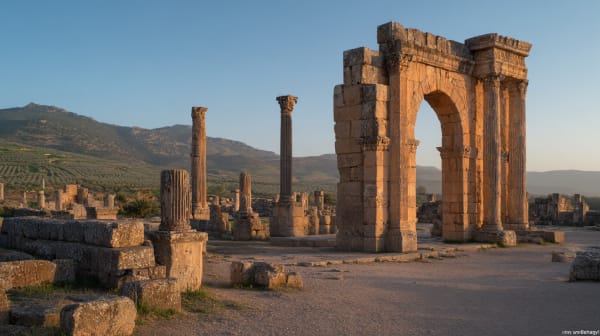
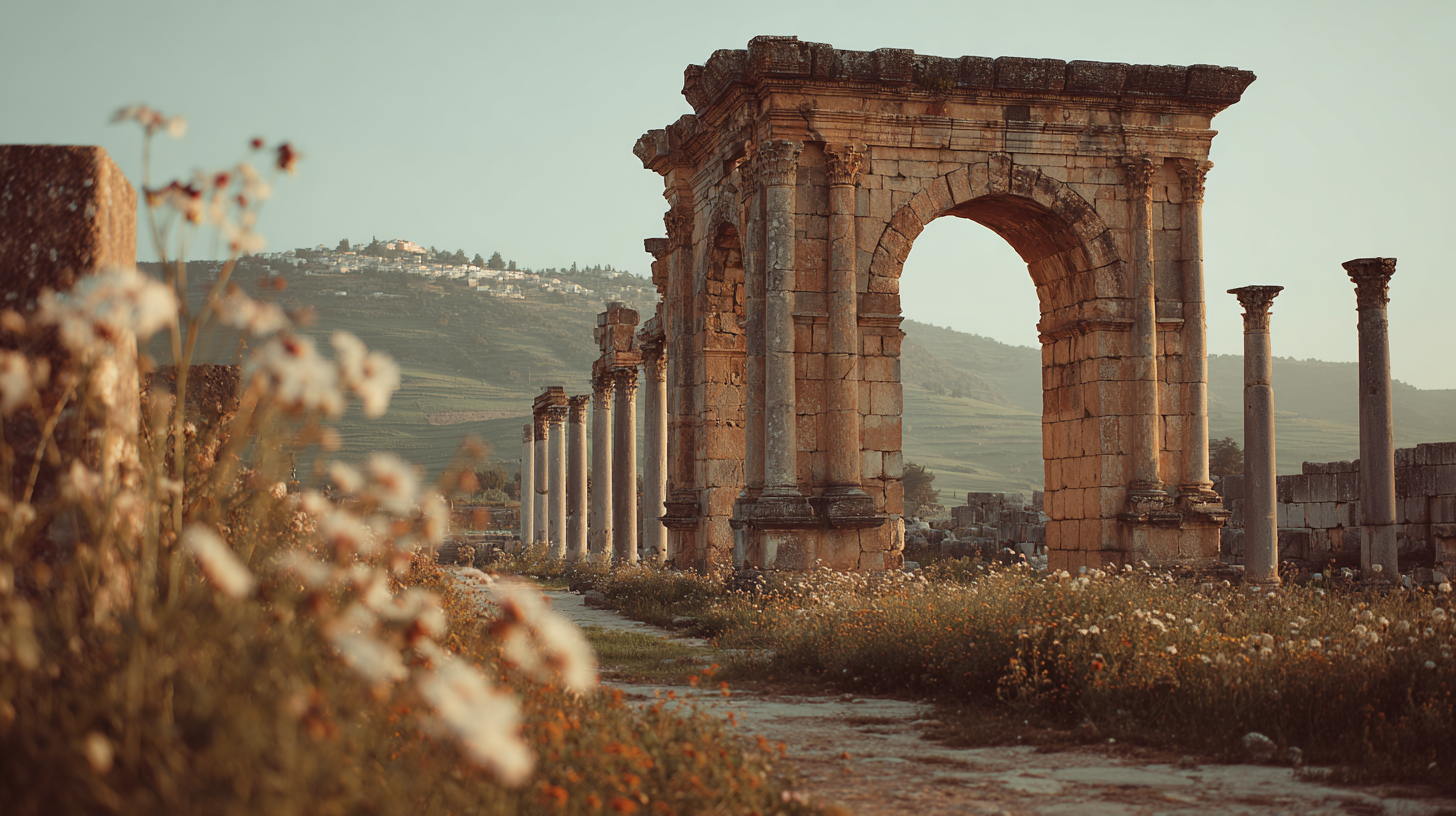
At the western edge of the Roman Empire, a city rose from the Moroccan plains. Volubilis had olive presses, bathhouses, mosaics, brothels — everything Rome built everywhere. When the legions withdrew in 285 CE, the locals didn't destroy it. They just kept living there, for another 700 years.

Berber New Year celebrates a Libyan who conquered Egypt in 950 BCE. Morocco partied last week.
Every January, Berbers across North Africa celebrate Yennayer — a New Year that dates to 950 BCE. The year they're counting from? When a Libyan Berber general named Sheshonq defeated the Egyptian pharaohs and established his own dynasty. A North African conquered Egypt. His descendants still throw a party.

Thami El Glaoui ruled Marrakech like a medieval king. Then he bet on the wrong side of history.
For forty years, Thami El Glaoui was the most powerful man in Morocco who wasn't the Sultan. He ruled Marrakech with absolute authority, entertained Churchill and Roosevelt, and kept a harem of 96 concubines. Then he tried to depose the king — and lost everything.

A Moroccan bandit kidnapped an American millionaire. Teddy Roosevelt sent warships.
In 1904, a Moroccan warlord named Ahmed al-Raisuni kidnapped Ion Perdicaris from his villa in Tangier. The ransom demand reached Washington. Teddy Roosevelt's response became a campaign slogan: 'Perdicaris alive or Raisuni dead.' It was America's first hostage crisis — and nobody was quite who they seemed.

When Vichy demanded Morocco's Jews wear yellow stars, Mohammed V said no.
In 1941, Vichy France ordered Morocco to identify and register its Jewish population. Sultan Mohammed V reportedly replied: 'There are no Jews in Morocco. There are only Moroccan subjects.' Whether the quote is exact or legend, the outcome was real: Morocco's 250,000 Jews survived the war.

350,000 Moroccans walked into the Spanish Sahara carrying Qurans and flags. No weapons. Just feet.
In November 1975, King Hassan II asked for volunteers to walk into the Spanish Sahara and claim it for Morocco. 350,000 people answered. They carried flags and Qurans, no weapons. Spain, facing a peaceful invasion it couldn't shoot, withdrew. The Western Sahara has been contested ever since.

The dunes of Erg Chebbi are walking south at ten meters a year. The villages are in the way.
The Sahara looks eternal, but it's moving. Erg Chebbi — the great dune sea near Merzouga — is marching south, burying villages, swallowing oases, reshaping the landscape at a pace you can measure in years. The sand isn't scenery. It's geology in fast-forward.

She married three rulers and helped the fourth build an empire
She married three rulers and was handed from one to the next like a kingdom itself. But Zineb al-Nafzawiya was the one doing the conquering.

She stopped the Arab conquest of North Africa for five years
The Arabs called her al-Kahina — the sorceress. Her real name was Dihya. She was the last obstacle between the caliphate and the Atlantic.

When Morocco, Spain, and Portugal were one country
For three centuries, the Strait of Gibraltar was not a border. It was a bridge. Morocco and Spain were the same country.

How a barren plain became the capital of an empire
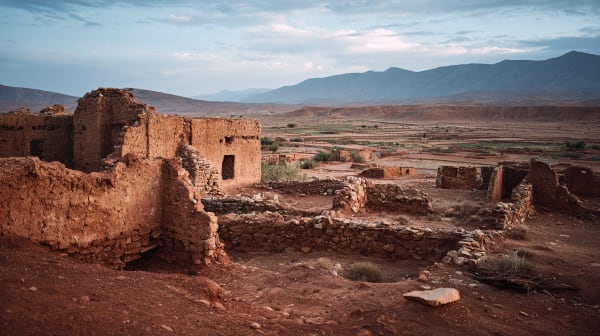
There was nothing here. A flat expanse of red earth at the foot of the Atlas, too far from the mountains for shade, too dry for farming without engineering. Yusuf ibn Tashfin looked at it and saw a capital.

The documentary that found a mellah still remembering
The mezuzah marks are still on the doorframes. Small rectangular indentations where Jewish residents once fixed prayer scrolls. Muslim families live in the houses now. Nobody has filled the marks in.

The girl who said no
She was sixteen. A Muslim man wanted to marry her. She refused. He told the authorities she had converted to Islam and then recanted. Apostasy was a capital offence.

When Jews were nearly half of Essaouira
Walk the mellah and the Stars of David are still carved above the doorways. Not hidden. Displayed. On the facades of houses in a majority-Muslim city. Nobody chiselled them off after the families left.

Six years that changed Jewish philosophy
The Almohads gave him the same choice they gave everyone: convert, leave, or die. He was twenty-one. He chose Fes, of all places — where the Almohads also ruled. Scholars still argue about why.

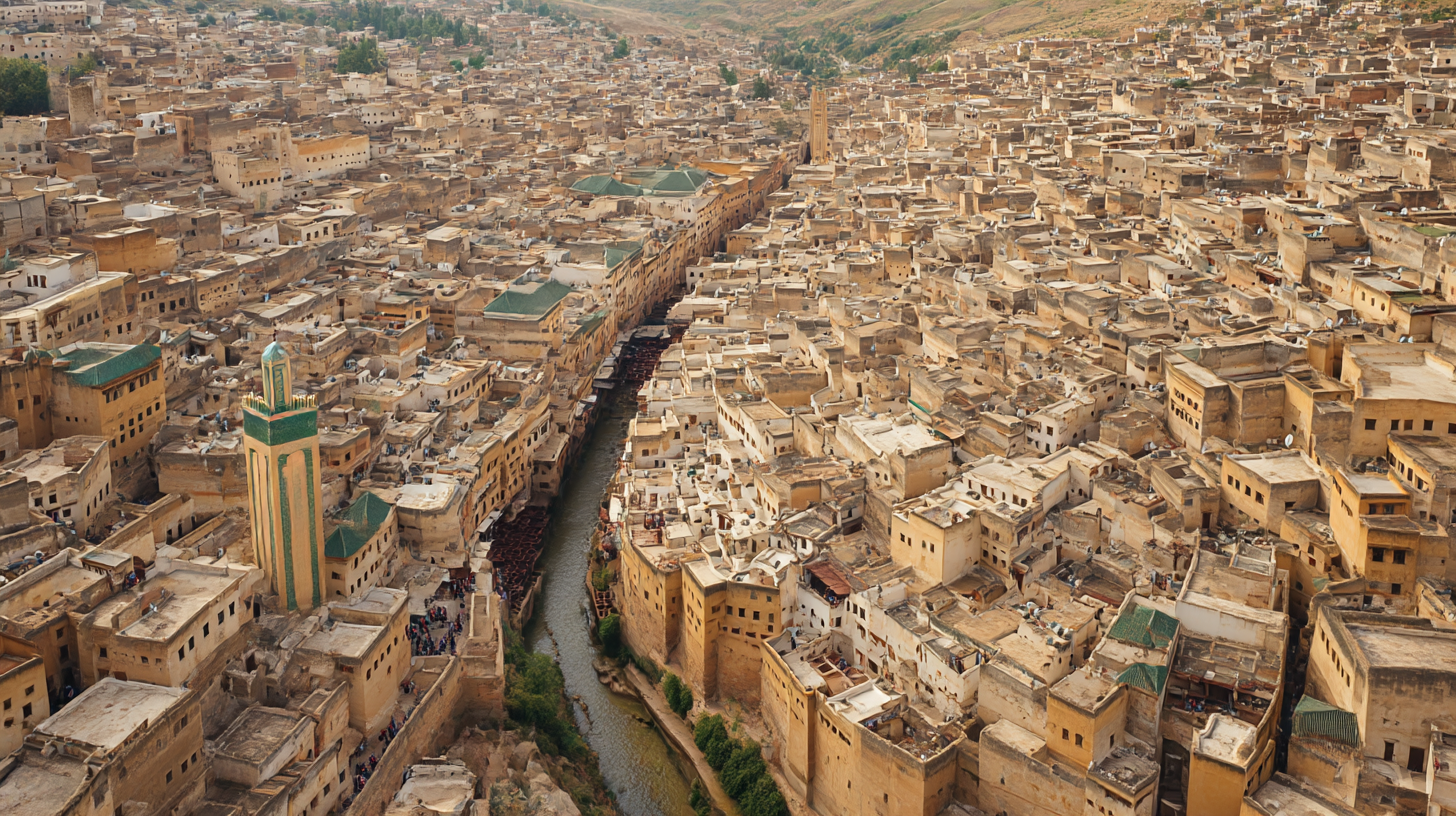
Fes, Marrakech, Meknes, Rabat — each dynasty chose its capital
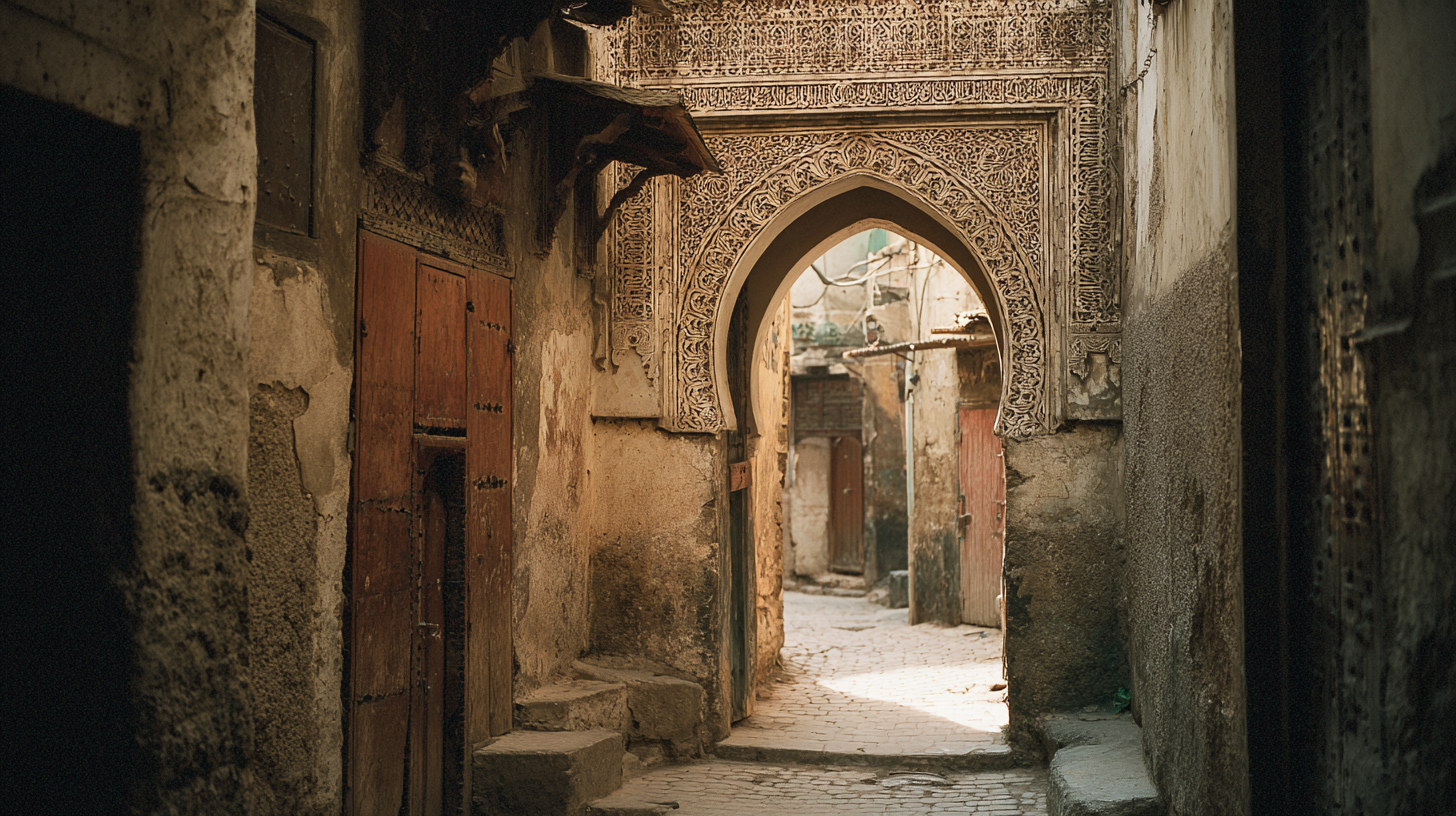
Morocco has four imperial cities. Each was chosen by a different dynasty, for different reasons, and each still carries the architectural DNA of the rulers who built it.

One continuous cultural bridge from Seville to Fes — architecture, music, food, language
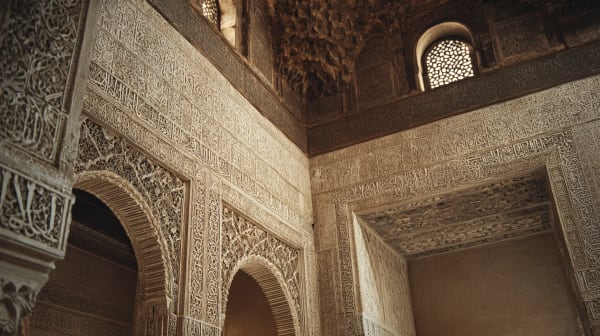
The Strait of Gibraltar is 14 kilometres wide. Across it, for 781 years, ran one of the most productive cultural exchanges in human history.

Idrisids to Alaouites — 1,200 years of rulers, capitals, and power shifts
Morocco has been ruled by seven major dynasties. Each rose from a different region, built a different capital, and left a different architectural fingerprint on the country.

265,000 in 1948. ~1,000 in 2025. Mellahs, synagogues, cemeteries — the departure, the preservation
Morocco once had the largest Jewish population in the Arab world. The community that remains is tiny. The heritage they left behind is vast.

1912–1956 — Lyautey's dual city, the Berber Dahir, the resistance, independence
The French protectorate lasted 44 years. It built modern infrastructure, preserved the medinas, divided the population, and provoked the nationalist movement that ended it.

1492 and after — the Muslim and Jewish expulsion from Spain and its impact on Morocco
When Granada fell in 1492, hundreds of thousands of Muslims and Jews were expelled from Spain. Many crossed to Morocco. They brought architecture, music, food, and language.

Gold, salt, slaves, manuscripts — 1,500 years of desert commerce that built empires
For fifteen centuries, camel caravans crossed the Sahara carrying gold north and salt south. The routes built every Moroccan dynasty and connected Africa to the Mediterranean.

The Strait of Gibraltar — migration, surveillance, history, and the narrowest gap between two continents
Fourteen kilometres of water separate Morocco from Spain, Africa from Europe. It is the most watched, most crossed, and most consequential strait in the world.

Al-Andalus — 781 years of Muslim rule in Iberia and its living legacy in Morocco
Al-Andalus lasted from 711 to 1492. When it ended, its people, culture, music, food, and architecture crossed the strait to Morocco. The legacy is everywhere.

Phoenicians, Romans, Vandals, Byzantines — Morocco before Islam arrived in the 7th century
Morocco existed for millennia before Islam. Phoenician traders, Roman governors, and indigenous Amazigh kingdoms shaped a country that the Arab conquest inherited, not invented.

Volubilis, Lixus, Banasa — Morocco's Roman ruins and the province of Mauretania Tingitana
Morocco was a Roman province for four centuries. Volubilis — with its mosaics, triumphal arch, and basilica — is the finest Roman site in the Maghreb outside Tunisia and Libya.

How a fugitive prince founded Morocco's oldest city on two banks of one river — and it took three centuries to join them.
Fes was not founded once — it was founded twice. In 789, Idris I chose the east bank of the Wadi Fes for a settlement. Twenty years later, his son built a second city on the west bank. For three centuries they competed. It took the Almoravids to knock down the wall between them.
Other categories