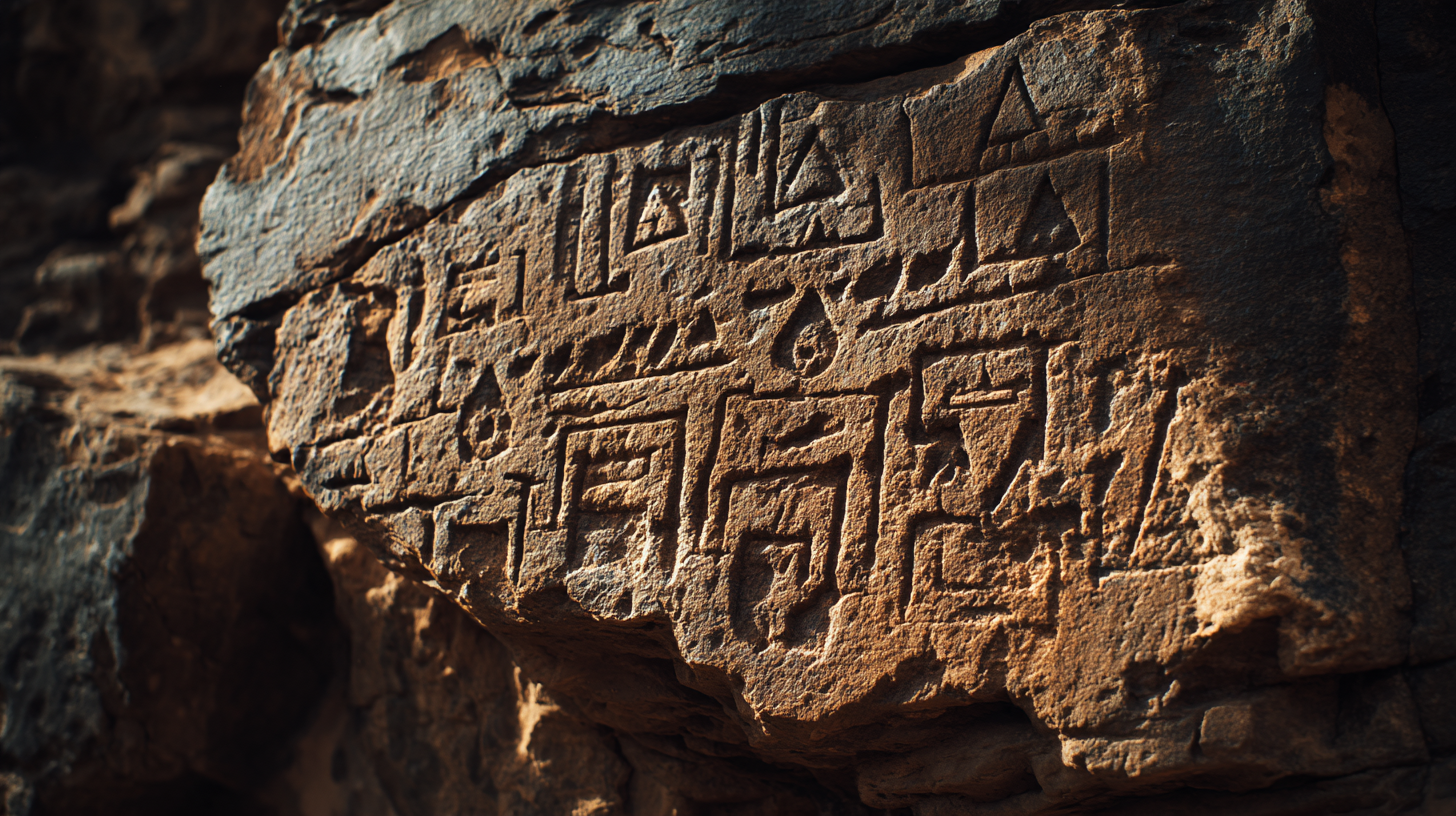
The mezuzah marks are still on the doorframes.
Small rectangular indentations in the plaster, where Jewish residents once fixed prayer scrolls. Muslim families live in the houses now. Nobody has filled the marks in. The walls remain because people still live in them, and the marks remain because the walls do.
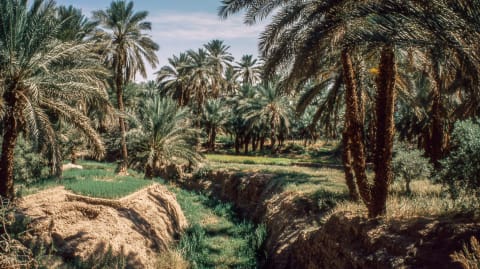
Tinghir. A town in the Todra Gorge, where the High Atlas gives way to the Sahara. Kamal Hachkar grew up in France, son of Amazigh parents from here. He went back to make a film about the Jews who left. What he found was a town that had not forgotten them.
'Tinghir-Jerusalem: Echoes of the Mellah.' Won Best New Director at the Tangier Film Festival, 2013. Fifty-three minutes. Devastating.
Hachkar walks through the crumbling mellah. He interviews elderly Amazigh neighbours who remember the Jewish families by name. Who lived where. What they sold. How they celebrated. He films the departure story — families leaving one by one through the 1950s and 1960s, heading for Israel, for a country most of them had never seen.
Then he goes to Israel. Finds the families from Tinghir in development towns in the Negev. Films their reactions when he tells them he is from their town. They weep. They ask about specific houses, specific neighbours, specific trees in specific courtyards.
The film's power is in the symmetry. The Amazigh in Tinghir lost their neighbours. The Jews in Israel lost their home. Both communities carry the memory of the other.
The mellah can still be visited. The synagogue is locked but accessible with the right introduction. The cemetery overlooks the palmery, tombstones facing Jerusalem — four thousand kilometres east across the Sahara, across the Sinai. The last Jewish families left within living memory.
Hachkar's film was controversial in Morocco. Not because it documented Jewish heritage — because it documented departure. The story of why people leave is always more uncomfortable than the story of what they left behind.
But the doorframes remembered. In a town where the last Jew left more than half a century ago, the mezuzah marks are still there. Pressed into plaster by someone who expected to stay.
The mezuzah marks are still on the doorframes in Tinghir. The neighbours still remember the families by name.
Tell us about your trip →The Facts
- —Mezuzah marks still on doorframes — Muslim families haven't filled them in
- —Tinghir: Todra Gorge, where High Atlas meets Sahara
- —Kamal Hachkar: French-born, Amazigh parents from Tinghir
- —Film: "Tinghir-Jerusalem: Echoes of the Mellah" (53 min)
- —Won Best New Director, Tangier Film Festival 2013
- —Elderly Amazigh neighbors remember Jewish families by name
- —Town had not forgotten despite decades of absence
Sources
- Gottreich, Emily. The Mellah of Marrakesh. Indiana University Press, 2007
- Laskier, Michael. The Alliance Israélite Universelle. SUNY Press, 1983
- Kamal Hachkar (dir.). Tinghir-Jerusalem: Les échos du Mellah. Documentary film, 2012
Practical questions