2025
The Horse That Shaped Half the World's Breeds
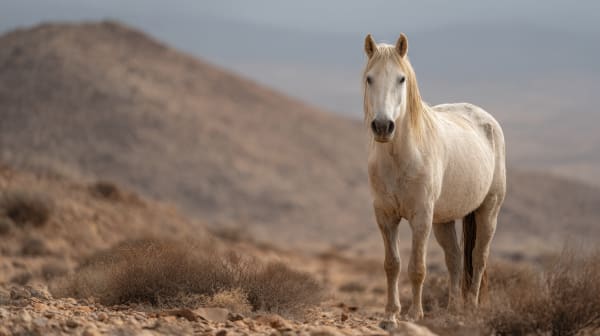
Small. Roman-nosed. Built for rock. Almost nobody knows its name.
The horse that built half the breeds in the world came from here. Most people have never heard of it.
27 stories
Ritual, language, hospitality, ceremony. The practices that hold a society together and reveal themselves only to those who stay long enough.
Small. Roman-nosed. Built for rock. Almost nobody knows its name.
The horse that built half the breeds in the world came from here. Most people have never heard of it.

Five times a day. You will hear it before you understand it. After three days you will stop noticing. Then, on the last morning, you will miss it.
Five times a day. Every minaret. After three days you stop noticing. After a week you miss it when it stops.

Darija on the phone. Tashelhit at home. French at work. Tarifit on the radio. Spanish on a clear day in the north. The country argues with itself in five tongues.
A Moroccan switches languages the way other people change gears. Darija at home. French at the bank. Classical Arabic at the mosque. Amazigh with grandmother. English on Instagram. Five tongues, one sentence.

The layout is Roman. The ritual is Islamic. The gossip is Moroccan.
The heat hits before the door closes behind you. Steam thick enough to taste. Somewhere in the white blur, a woman is humming. You cannot see her. You can only hear her, and the slap of wet cloth on stone.
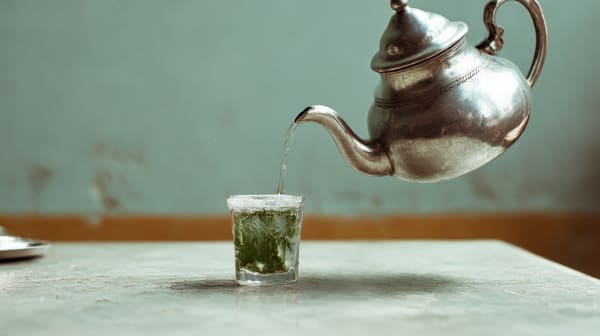
Bitter as life. Sweet as love. Gentle as death.
The first glass is bitter as death. The second is strong as life. The third is sweet as love. You will be served all three. Refusing any is an insult.
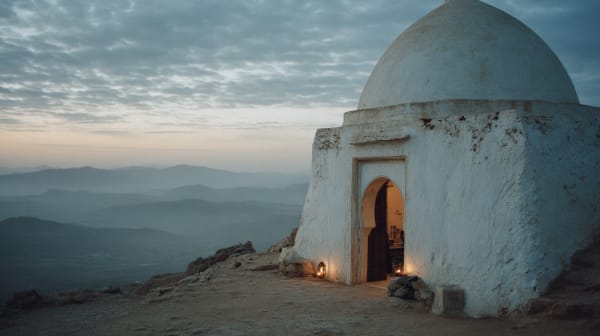
When the living visit the dead and the dead answer back.
The candle weighs three kilos. The bidding starts at five hundred dirhams. The man who wins it has flown in from Haifa to honour a rabbi in the Rif.

The Torah scrolls behind the glass came from synagogues that no longer hold services.
The Torah scrolls behind the glass came from synagogues that no longer hold services. The wedding dresses belonged to women whose grandchildren live in Tel Aviv. The museum was not built by the government. It was built by the community it documents.
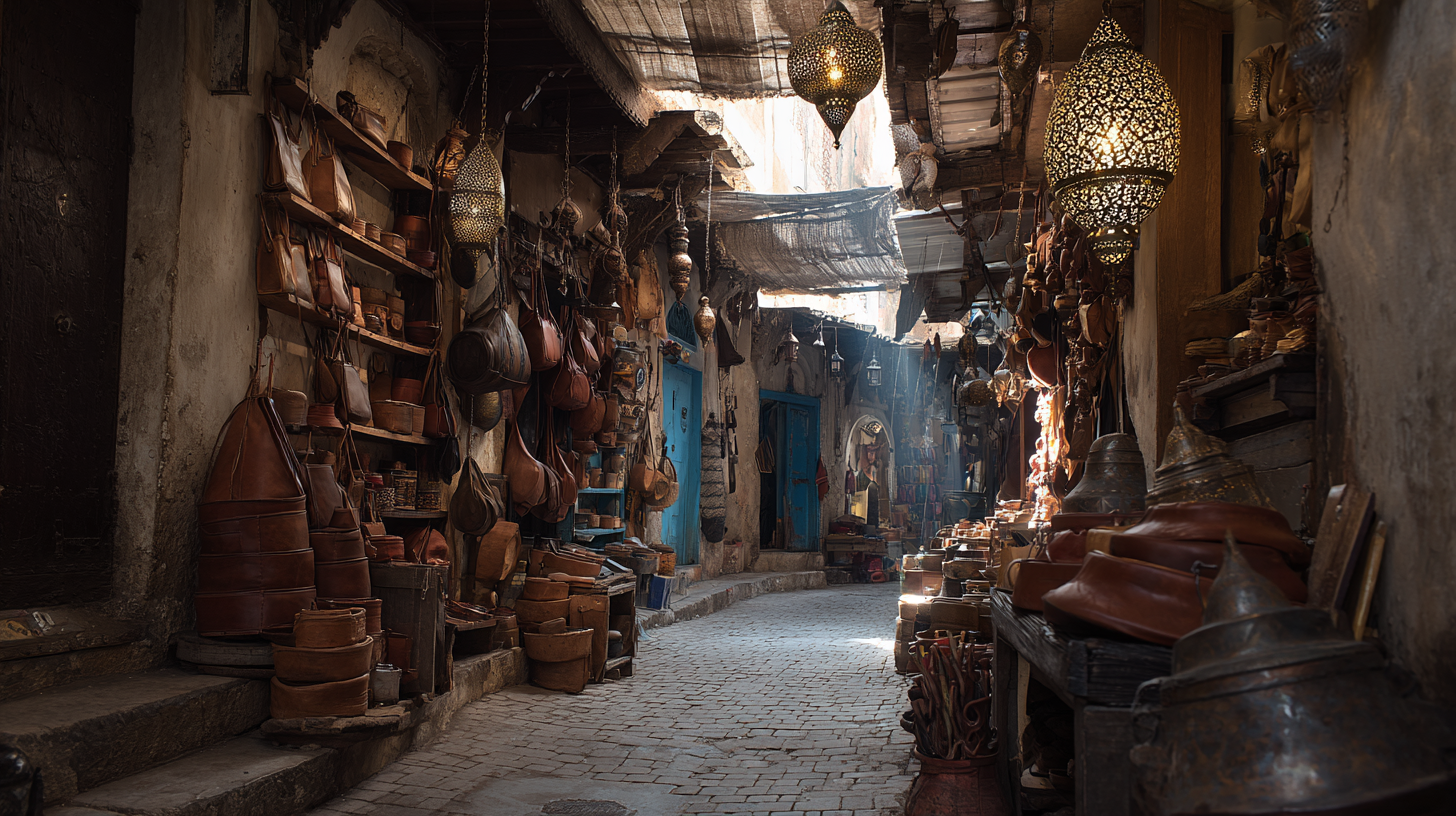
A leather bag. A tagine. A kilo of saffron. The opening price and the closing price are different conversations.
A souk looks chaotic. It is not. It is one of the most precisely organised commercial spaces on earth — arranged by guild and proximity to the mosque.

Trans-Saharan slave routes. Seven spirit colours. The ceremony runs until dawn.
Not folklore. A living spiritual practice that crossed the Sahara with enslaved people and fused their rhythms with Moroccan Sufism.
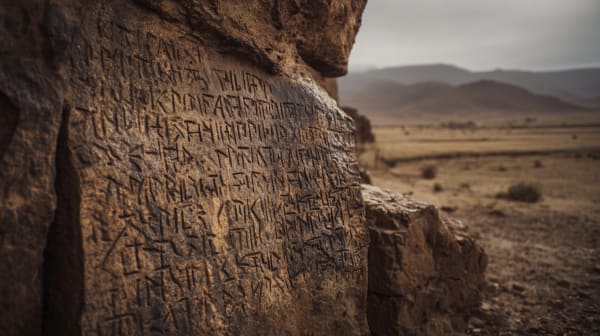
The people who were here before everyone else, and the script that almost died waiting for them to come back.
The Amazigh are not a minority. They are the indigenous population — here before the Phoenicians, before the Romans, before the Arabs.

Rose water. Orange blossom. Cedar. Argan. Oud. Every region has a fragrance.
Morocco has an olfactory geography as distinct as its visual one. Every region smells different. Every season shifts the register.
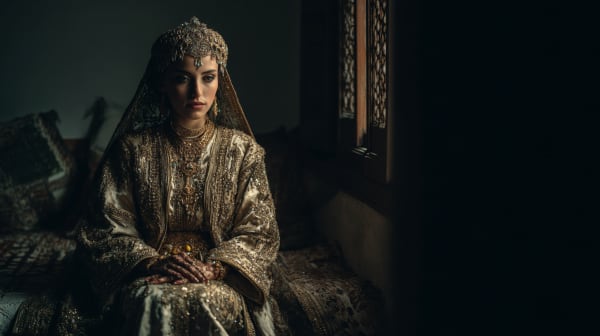
Seven days, seven outfits — henna night, hammam, amariya, negafa, the feast.
A Moroccan wedding is not an event. It is a week-long production with costume changes, a stylist, and a cost that can exceed a year's salary.
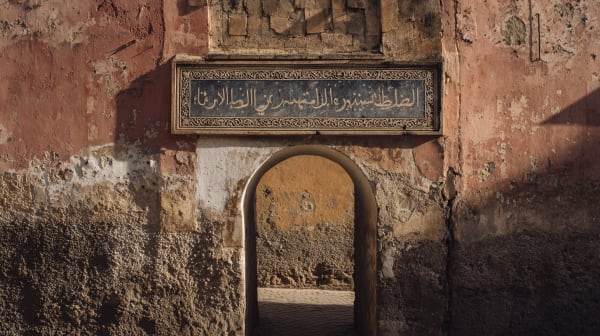
Darija on the street. French in the office. Tashelhit in the south, Tarifit in the Rif, Tamazight in the centre. Spanish on a clear day in the north. Nobody speaks them all.
Morocco is one of the most linguistically complex countries in the world. A single conversation in Casablanca can contain four languages in one sentence.
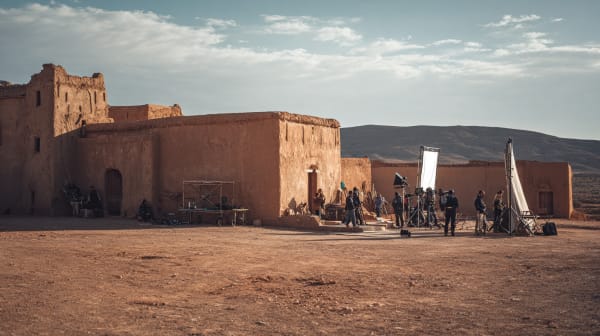
Beyond Hollywood's sets. The Moroccan cinema nobody outside watches.
Morocco has doubled for ancient Rome, biblical Jerusalem, Tibet, Egypt, and the surface of Mars. Ouarzazate is Hollywood's favourite backlot.

Before the tourists wake. Bread carts, prayer calls, cats.
A medina is not static. It breathes — expanding and contracting through the day in rhythms governed by prayer, heat, commerce, and hunger.

A trance for the desert. A poem for the court. A protest for the king who would not quite ban it.
Morocco has no single musical identity. It has at least five — each rooted in a different geography, language, and history, and each alive today.
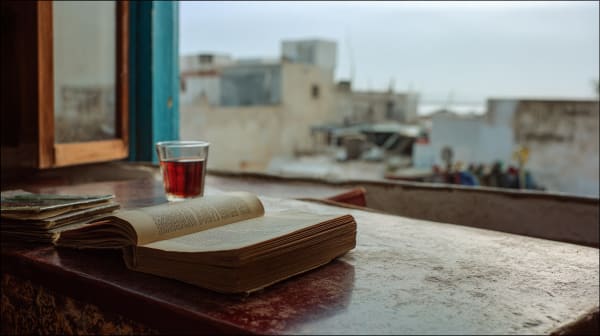
Bowles. Burroughs. Choukri. Ben Jelloun.
Morocco has been written about by outsiders and insiders for a century. The two literatures barely overlap. Together, they form a complete portrait.
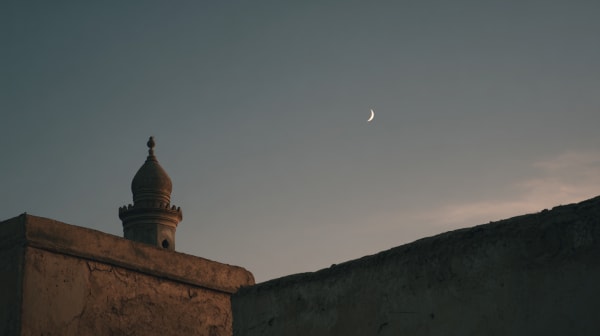
Hijri. Gregorian. Amazigh. Nobody finds this strange.
Morocco runs on three calendars simultaneously. The Hijri calendar governs religion. The Gregorian governs business. The Amazigh calendar governs the earth.
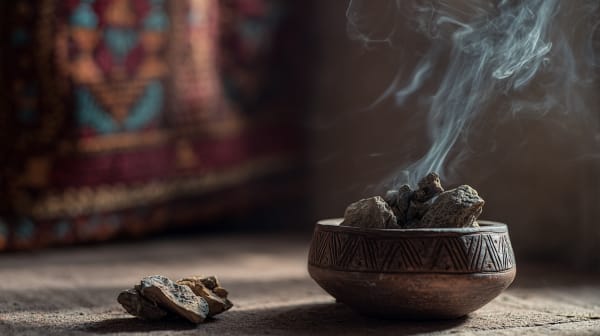
The rituals inside every Moroccan home
The mejmar sits on the floor, terracotta or chased metal, filled with charcoal and a pinch of something that will change the air. Every Friday, every wedding, every birth, every death. The smoke rises and the house is clean.

A calendar that started in 950 BCE. A holiday Morocco refused to recognise until 2018. Couscous with seven vegetables.
The Amazigh New Year predates Islam by a thousand years. Morocco made it a national holiday in 2024. The calendar begins in 950 BCE.

The Moroccan diaspora. A hundred countries. The pull of home.
Five million Moroccans live abroad. They send home more than tourism generates. They return every summer. Morocco's largest invisible export.
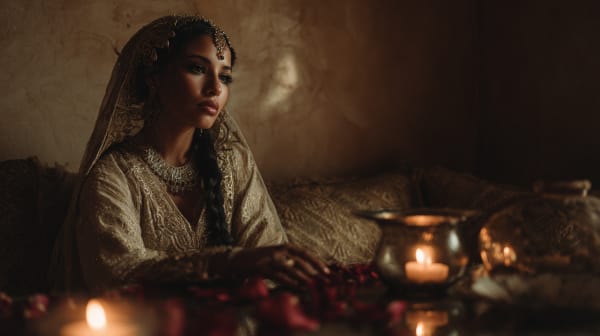
The average Moroccan wedding costs three times the average monthly salary. Why families spend it anyway.
A seven-day economic event. The sadaq alone can cost a year's salary. The total spend can consume a family's savings.

Still following the grass. Still moving with the seasons.
Morocco's 2014 census counted 25,000 nomads. A 2025 study estimates 12,000. The lifestyle may disappear within ten years.

The copper-smiths quarter of Fes. Open since the fourteenth century.
You hear Place Seffarine before you see it. The sound is copper on copper — a rhythmic clanging that echoes off the walls of the surrounding buildings and carries through the narrow streets of the Fes medina.
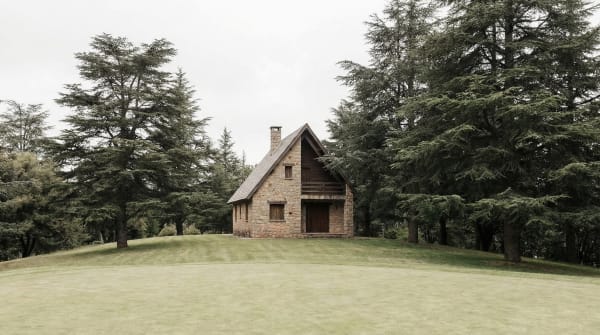
The French built a European hill station in the Middle Atlas. The architecture never recovered.
The French built a European hill station in the Middle Atlas. Chalets, a lake, manicured lawns. The cedar forests didn't mind. The locals did.

Every summer, artists paint the walls. By the following summer, the sea has faded them.
Every summer, artists paint murals on the walls of Asilah. By the following summer, the sun and salt have faded them, and new artists come to paint again.
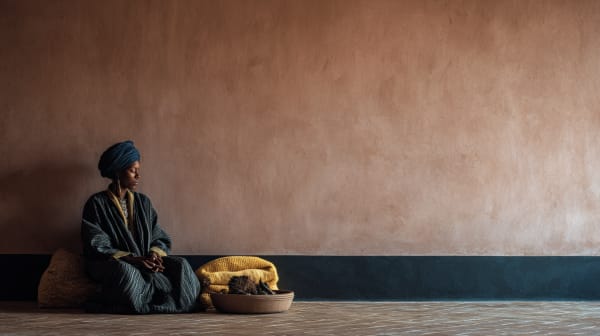
The moqaddema and the feminine architecture of healing
The maalem plays the guembri. The moqaddema designs the ceremony. She reads the room, adjusts the incense, chooses the colours, decides the order. He provides the sound. She provides the intelligence. Without her, the Lila is music. With her, it is medicine.
Other categories
Written from the medina. Sent when it matters.