The invasion was swift. In 711, Tariq ibn Ziyad — a Berber general serving the Umayyad Caliphate — crossed the Strait of Gibraltar with approximately 7,000 troops. Within seven years, Muslim forces controlled most of the Iberian Peninsula. The territory they established — al-Andalus — would persist in some form for 781 years, which is longer than the United States has existed and roughly the same amount of time it takes some empires to begin clearing their throat.
At its peak, al-Andalus was the most advanced civilisation in Western Europe. Córdoba in the 10th century had street lighting, running water, libraries with hundreds of thousands of volumes, and a population exceeding 500,000 — larger than any city in Christian Europe. The Great Mosque of Córdoba, with its forest of double arches, remains one of the most extraordinary buildings in the world. The Christians who conquered it built a cathedral inside it, which tells you everything about the relationship between the two civilisations in a single architectural decision.
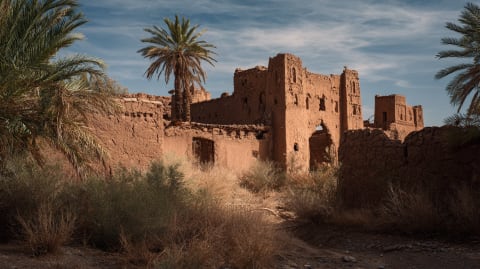
The Moroccan connection was constant. The Almoravids crossed from Morocco to save al-Andalus from Christian reconquest in 1086. The Almohads followed in 1147, ruling both sides of the strait as a single empire. The Giralda and the Koutoubia — twin minarets, same architects, same proportions, different continents.
Science, philosophy, and literature flourished. Ibn Rushd of Córdoba transmitted Aristotle to medieval Europe. Ibn Tufail wrote the first philosophical novel. Maimonides — a Jew from Córdoba — wrote the Guide for the Perplexed in Arabic. The court of Abd al-Rahman III attracted scholars from across the Islamic world. The knowledge that flowed from al-Andalus into Christian Europe through translations in Toledo is one of the hinges on which the Renaissance turns.
The fall was gradual then sudden. The Reconquista pushed south over four centuries. City by city. Kingdom by kingdom. Granada fell on January 2, 1492. The Muslims who remained were given a choice: convert or leave. The Jews had already been expelled the same year. The exodus reshaped Morocco — Tetouan, Chefchaouen, Fes, Rabat, Salé filled with refugees carrying Andalusian music, Andalusian architecture, Andalusian heartbreak. The culture they brought is still visible. The loss they carried is still felt.
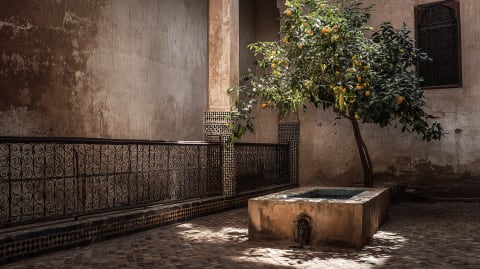
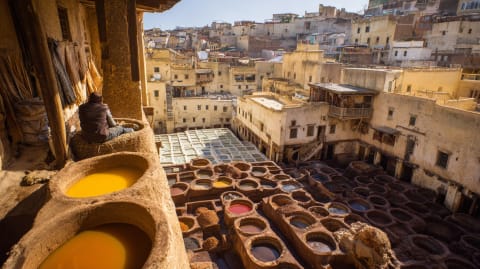
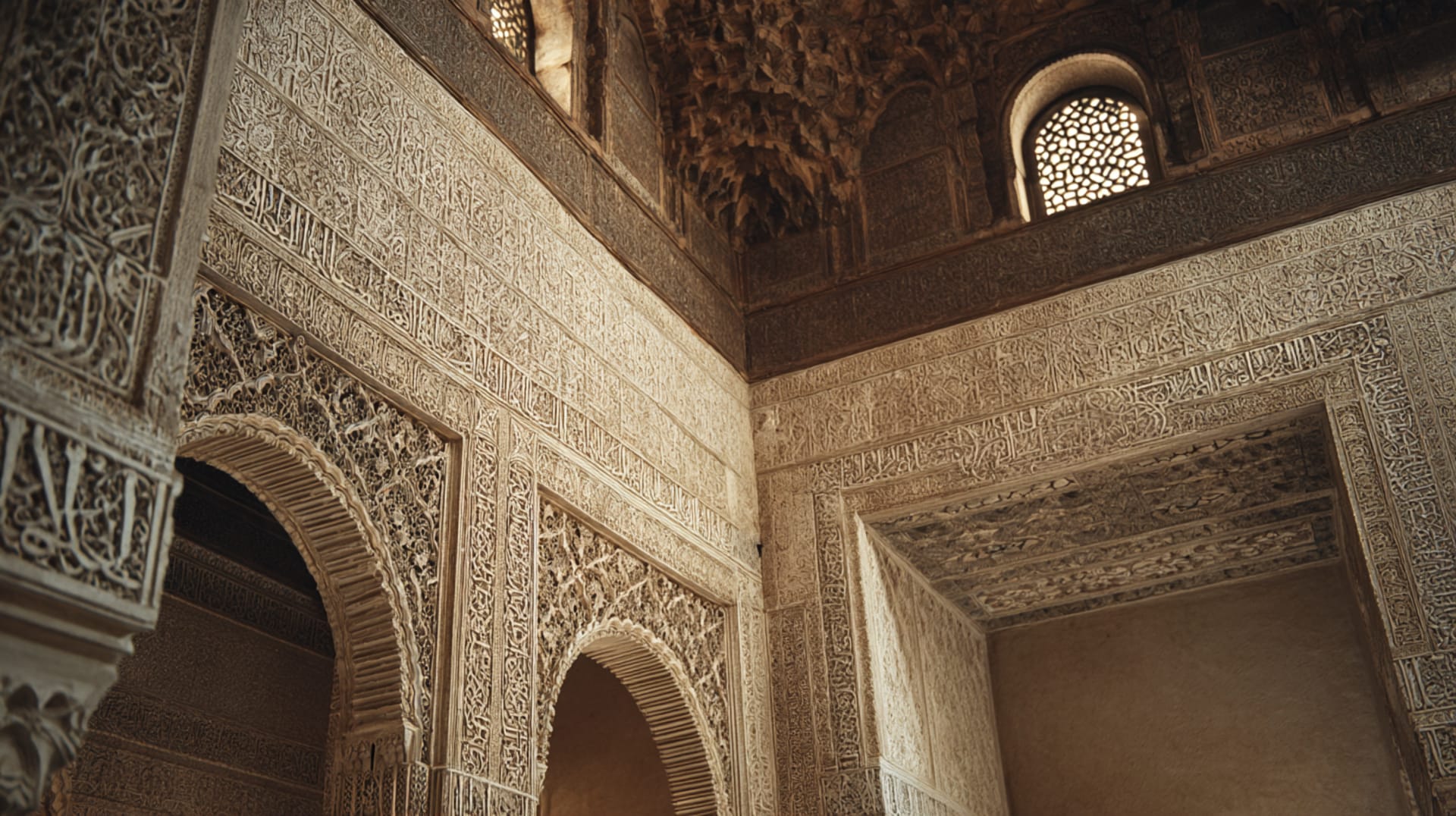
The connection between Fes and Al-Andalus is visible in every carved plaster panel. We trace this route from the medina to the Qarawiyyin.
Tell us about your trip →Data and visualisation by Dancing with Lions
The Facts
- —Al-Andalus: 711-1492
- —Umayyad Caliphate of Córdoba: cultural golden age
- —Great Mosque of Córdoba: horseshoe arches, shared with Morocco
- —Alhambra: Nasrid dynasty, geometric perfection
- —Refugees brought Andalusian music, pastilla, architecture
- —Chefchaouen, Tétouan: founded by Andalusian refugees
- —Moroccan Andalusian orchestras preserve the tradition
- —Ibn Rushd (Averroes): Córdoba-born philosopher
Sources
- Menocal, María Rosa. The Ornament of the World: How Muslims, Jews, and Christians Created a Culture of Tolerance in Medieval Spain. Back Bay Books
- Fletcher, Richard. Moorish Spain. University of California Press
- Kennedy, Hugh. Muslim Spain and Portugal: A Political History of al-Andalus. Routledge
- Dodds, Jerrilynn D. et al. The Arts of Intimacy: Christians, Jews, and Muslims in the Making of Castilian Culture. Yale University Press