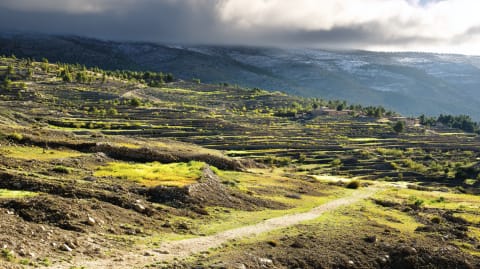
The Barbary lion is Morocco's ghost. The last wild one was shot in the Atlas Mountains in the 1920s. The subspecies — larger and darker-maned than East African lions — once ranged across North Africa. A small captive population descended from the royal collection survives in zoos, looking through glass at a world that used to be theirs. Reintroduction has been discussed but not implemented. The lion remains Morocco's national symbol — present on the coat of arms, absent from the landscape. The gap between the symbol and the reality is the width of a century and the depth of a mistake.
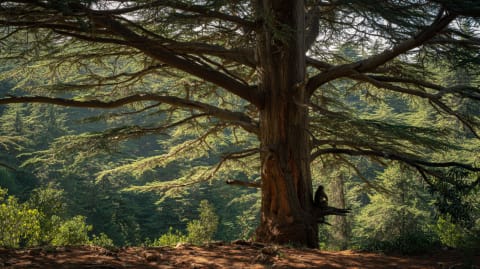
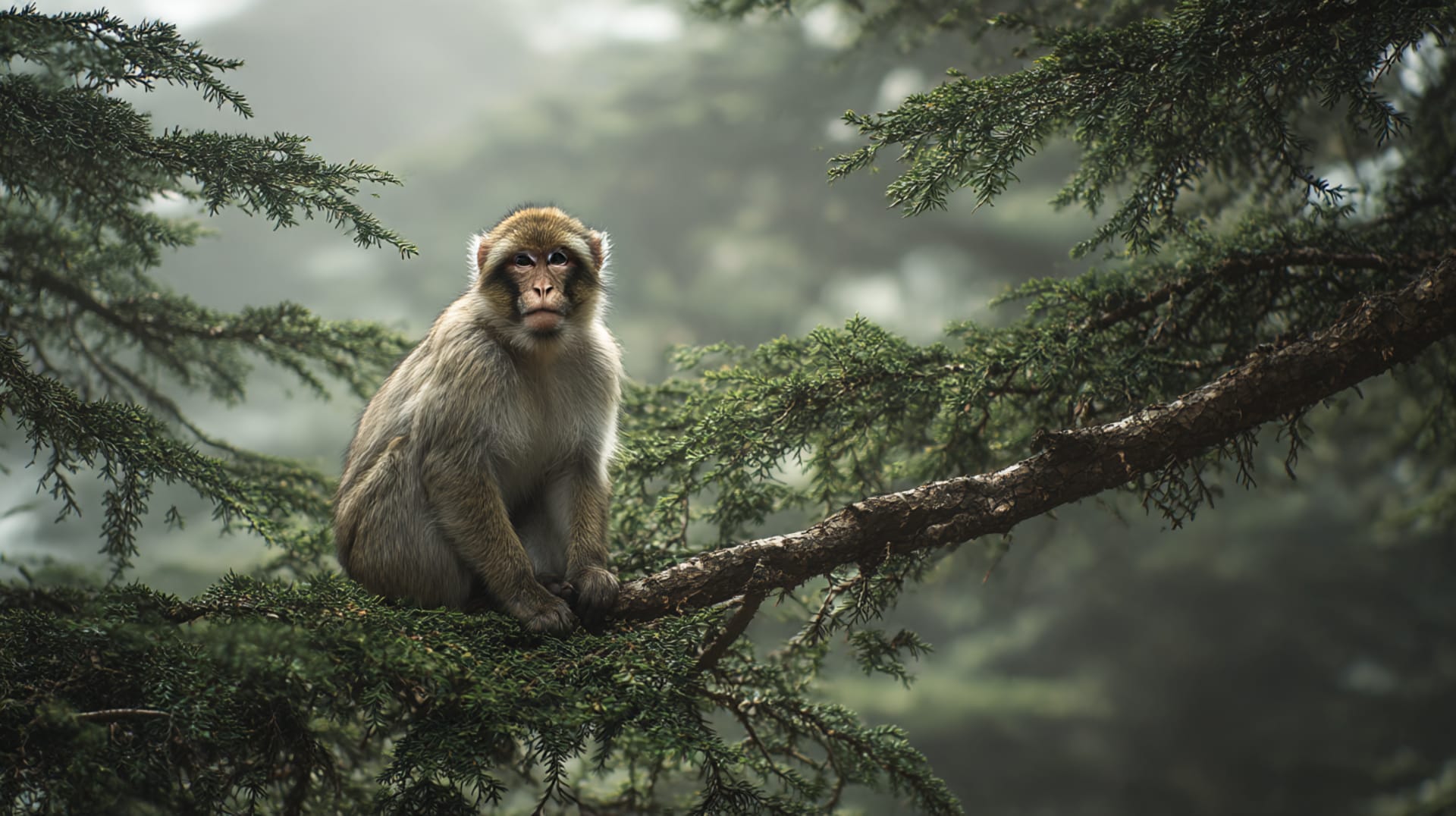
\n\nThe Barbary macaque survives, which in the context of North African wildlife counts as a success story. The only primate in Africa north of the Sahara, it inhabits the cedar and oak forests of the Middle Atlas — particularly around Azrou and Ifrane. Total numbers are estimated at 5,000 to 8,000 and declining. Habitat loss, illegal capture for the pet trade, and tourism pressure are the main threats. The Ifrane National Park provides the strongest protection. The monkeys you see at the roadside, habituated to tourists and begging for food, are not a sign of abundance. They are a sign of habitat shrinking until the forest meets the road.
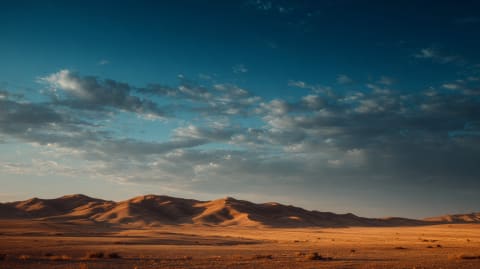
\n\nThe fennec fox is the Saharan icon — the smallest canid in the world, with ears so large relative to its body that it looks like a mammal designed by a committee where the ear department had the loudest voice. It inhabits the Erg Chebbi and Erg Chigaga dune systems. Strictly nocturnal, it is rarely seen but commonly heard — a sharp, high-pitched bark in the desert night that tells you the sand is more occupied than it appears.
\n\nBarbary sheep inhabit the rocky slopes of the Anti-Atlas and eastern Morocco. Dorcas gazelles survive in small, fragmented populations in the pre-Saharan steppe. Striped hyenas are present but secretive — most Moroccans have never seen one and prefer it that way. The golden jackal is common but invisible, heard more often than spotted.
\n\nThe pattern is familiar: large mammals declining, small mammals persisting, and the charismatic species surviving best in the imagination. Morocco's wildlife is richer than most visitors expect and poorer than it was a century ago. The atlas of what remains is also an atlas of what was lost.
The wildlife atlas covers the Barbary macaque, the Barbary lion descendants, and the flamingos of Moulay Bousselham.
Tell us about your trip →Data and visualisation by Dancing with Lions
The Facts
- —The last wild Barbary lion was shot in the Atlas in the 1920s
- —A captive bloodline descended from the royal collection survives in zoos
- —The Barbary macaque is the only primate in Africa north of the Sahara
- —Best seen in the cedar forests around Azrou and Ifrane
- —5,000 to 8,000 macaques remain, and the number is falling
- —The fennec fox lives in Erg Chebbi and Erg Chigaga, hunts at night, and is heard before it is seen
- —Striped hyenas are present and almost never sighted
- —Golden jackals are everywhere and almost never sighted either
- —The lion is on the coat of arms and not in the mountains
Sources
- Thévenot, Michel et al. The Birds of Morocco. British Ornithologists' Union, 2003
- IUCN Red List. Morocco species assessments
- Moroccan Haut-Commissariat aux Eaux et Forêts. National wildlife inventory
Further Reading
Practical questions