The Almohads gave him the same choice they gave everyone: convert, leave, or die.
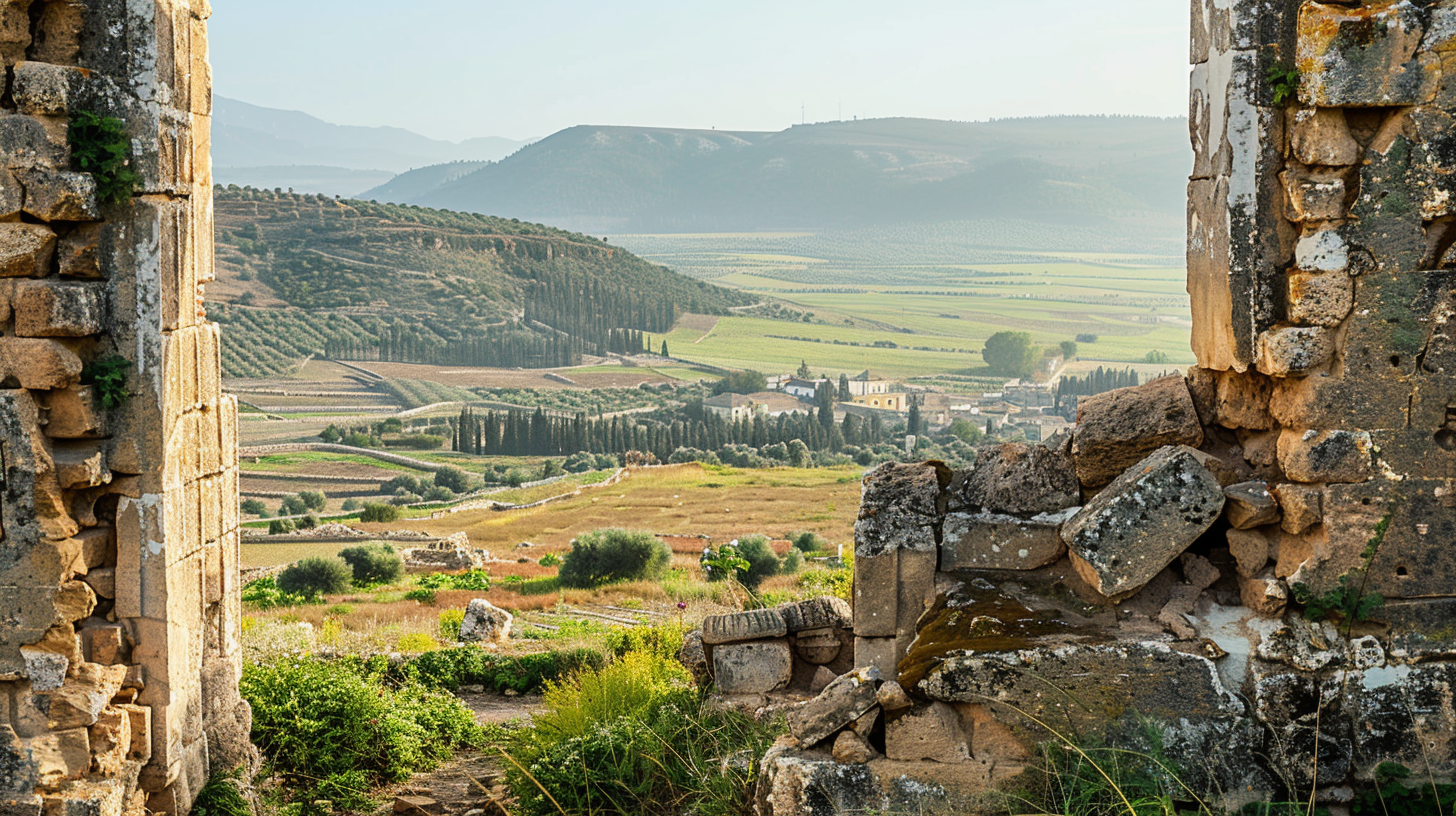
He was twenty-one. His family had lived in Córdoba for generations — part of the Jewish intellectual aristocracy that flourished under Muslim rule in Al-Andalus. His father was a judge of the rabbinical court. Then the Almohads, a Berber dynasty from the Atlas Mountains, conquered southern Spain in 1148 and ended the arrangement.
The Maimon family left. After years of wandering, they arrived in Fes around 1159. This was the strange part. The Almohads ruled Fes too. Scholars disagree about whether the family lived as Jews, as forced converts, or in some precarious in-between. Nobody disputes that Maimonides — Rabbi Moshe ben Maimon, Rambam in Hebrew — studied, wrote, and thought in Fes for approximately six years.
He was writing what would become the Commentary on the Mishnah. A work that systematised the entire body of Jewish oral law for the first time. He wrote in Judaeo-Arabic — the shared intellectual language of Jewish and Muslim life in the medieval Mediterranean. The work took ten years. Much of it composed in Morocco.
He also wrote the Epistle on Forced Conversion during this period. The question was agonising: is it permissible to outwardly practise Islam while secretly maintaining Jewish faith? His answer was compassionate. Do not judge those who convert under duress. If you can leave, leave. But do not condemn those who cannot.
The family departed for Egypt around 1165. In Cairo, Maimonides became court physician to the sultan, leader of the Egyptian Jewish community, and author of the Guide for the Perplexed — arguably the most influential work of Jewish philosophy ever written.
But the Fes years are when it started. A mind sharpened by displacement. When you have to carry your civilisation on your back, you learn to compress it.
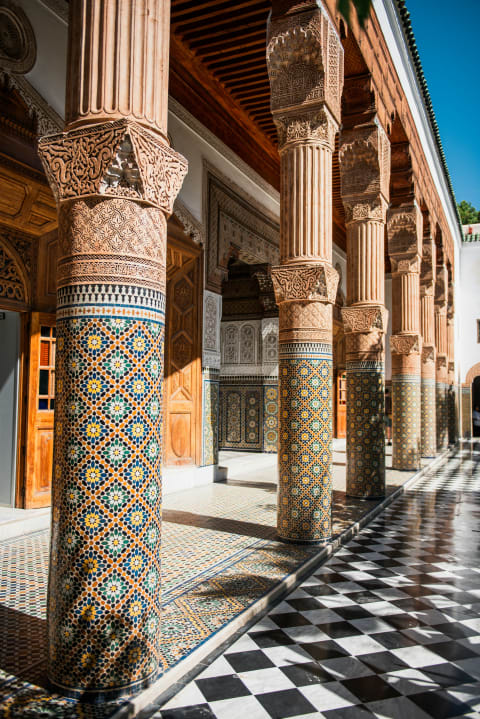
His house in the old medina is still identified, near the Qarawiyyin. Not a museum. Not formally marked. The Jewish community of Fes knows where it is. They have always known.
Maimonides studied in Fes for six years. The medina where he walked is still standing, still teaching.
Tell us about your trip →The Facts
- —Maimonides (Rabbi Moshe ben Maimon / Rambam)
- —Family fled Córdoba when Almohads conquered 1148
- —Arrived Fes ~1159, stayed ~6 years
- —Almohads ruled Fes too — scholars debate if family lived as Jews or forced converts
- —Studied, wrote, and thought in Fes
- —One of greatest Jewish philosophers in history
- —Wrote Guide for the Perplexed and Mishneh Torah
- —Father was judge of rabbinical court in Córdoba
Sources
- Stroumsa, Sarah. Maimonides in His World: Portrait of a Mediterranean Thinker. Princeton University Press, 2009
- Kraemer, Joel. Maimonides: The Life and World of One of Civilization's Greatest Minds. Doubleday, 2008
- Le Tourneau, Roger. Fès avant le protectorat. IHEM, 1949
Further Reading
Practical questions