The Amazigh were first. They were here before the Phoenicians, before the Romans, before the Arabs, before the French, before the tourists. Cave paintings in the Anti-Atlas and the Draa Valley date human presence to at least 12,000 years ago. The Amazigh were not one people but many — dozens of tribes with distinct languages, territories, and political structures, united mainly by the fact that everybody else kept arriving and they kept not leaving.
The Phoenicians came around the 12th century BCE. Traders from modern Lebanon, they established coastal settlements at Lixus, Mogador, and Tingis. These were trading posts, not colonies — the Phoenicians came for gold, purple dye from the murex snail, and access to trans-Saharan trade routes. They took what they wanted and left the interior alone, which was wise, because the interior was occupied by people who had opinions about visitors.
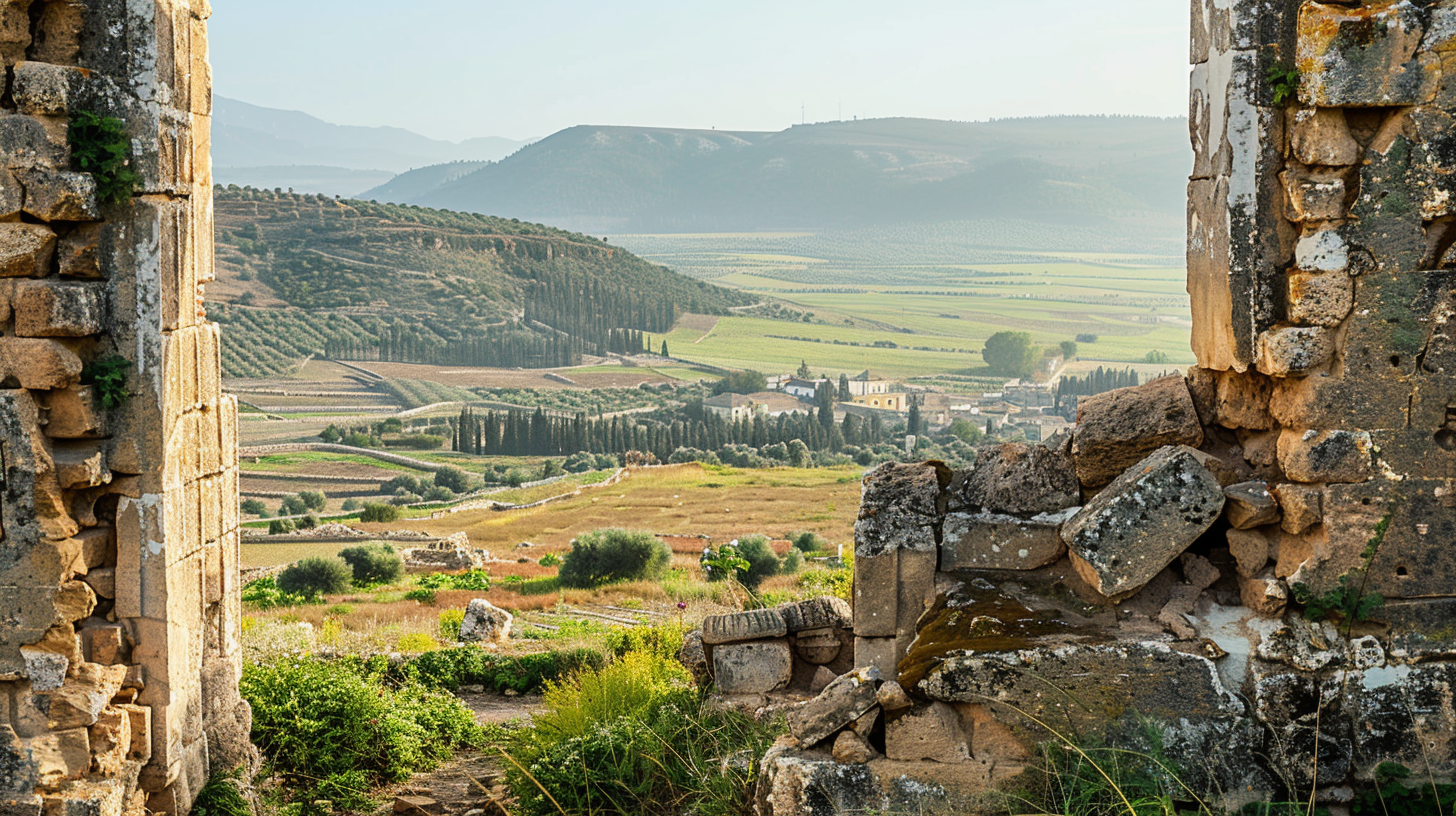
Rome took Morocco in stages. The Kingdom of Mauretania — ruled by Amazigh kings allied with Rome — was annexed as a province in 40 CE after Emperor Caligula murdered the last Mauretanian king, Ptolemy, for the offence of wearing a purple cloak to the games. Caligula was Caligula. Volubilis, near modern Meknes, became the provincial capital. The ruins are Morocco's finest Roman site — forum, basilica, triumphal arch, mosaics that rival anything in the western Mediterranean. Rome stayed for four centuries, then left. The Amazigh stayed.
The Vandals crossed from Spain around 429 CE — Germanic tribes who used North Africa as a base for piracy and gave their name to a concept. The Byzantines followed briefly. Neither lasted. The Arab conquest of the late 7th century was the transformation that stuck — Islam arrived and, unlike every previous occupant, fundamentally changed the culture. Arabic became the language of religion and administration. The Amazigh adopted Islam but kept their languages, their customs, and their conviction that they were here first, which they were.
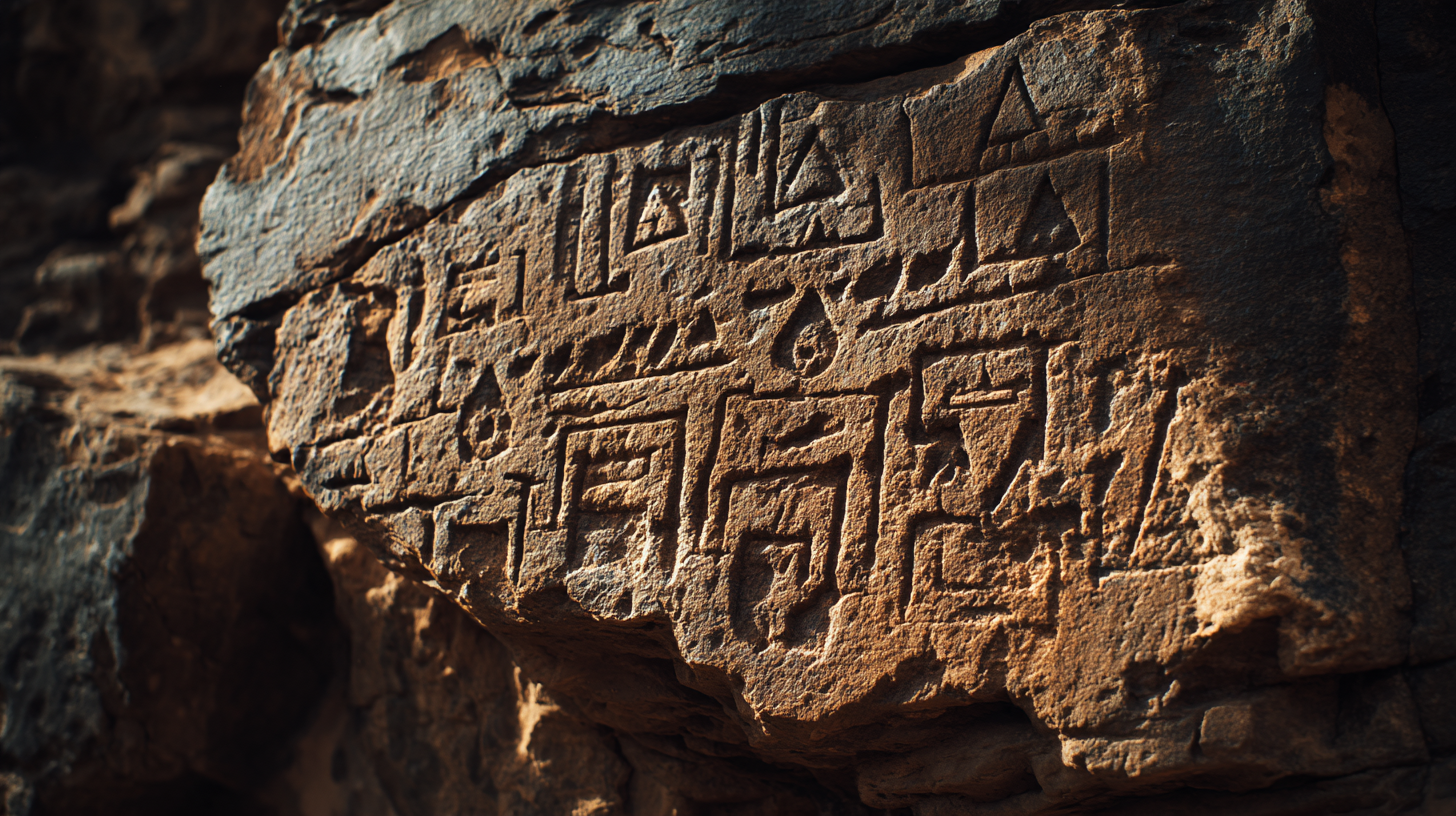
Twelve thousand years of habitation before the crescent arrived. The Amazigh remember this. It is written in Tifinagh on rocks across the Sahara, in a script older than the religion, older than the conquests, older than the idea that North Africa needed to be conquered at all.
We drive the Volubilis road in the early morning, before the coaches arrive. The mosaics are still cold underfoot.
Tell us about your trip →Data and visualisation by Dancing with Lions
The Facts
- —Phoenician trading posts: ~800 BCE (Lixus, Mogador)
- —Carthaginian influence: 5th-3rd century BCE
- —Mauritanian kingdoms: Berber-ruled
- —Juba II: Berber king, Roman-educated
- —Volubilis: pre-Roman and Roman city
- —Libyco-Berber script: Tifinagh ancestor
- —Megalithic monuments: scattered across Morocco
- —Prehistoric rock art: 3000 BCE onwards
Sources
- Camps, Gabriel. Les Berbères: mémoire et identité. Actes Sud, 2007
- Lugan, Bernard. Histoire des Berbères. Bernard Lugan Éditeur, 2012
- Brett, Michael & Fentress, Elizabeth. The Berbers. Blackwell, 1996
Further Reading
Practical questions