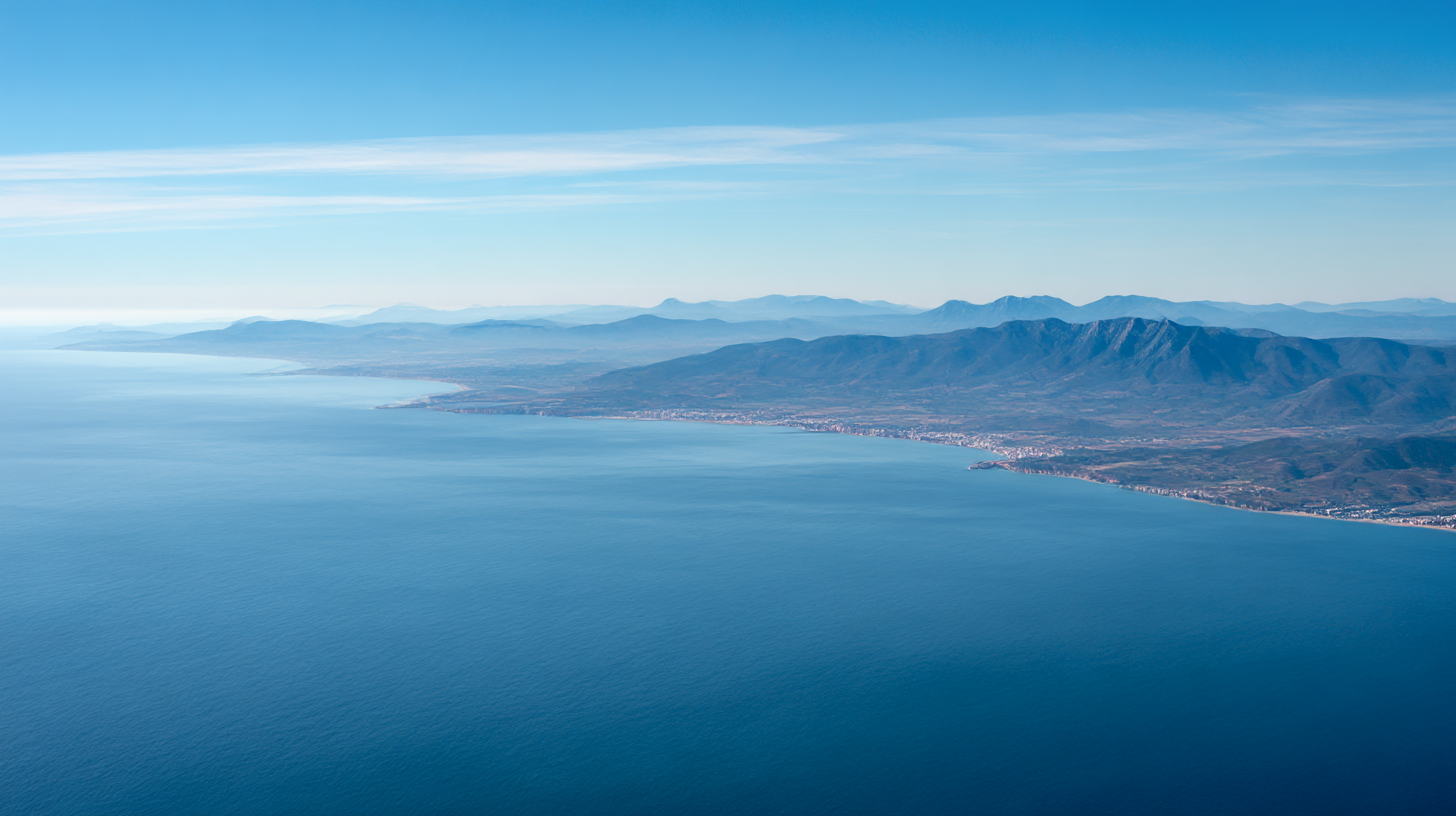
On a clear day you can see Africa from Spain. The water between them is narrow enough that for eight centuries, it functioned as a commuter route rather than a border.
The period when Morocco and Spain were connected rather than separated produced the largest city in Europe, the most advanced libraries on the continent, and a model of coexistence that neither country has replicated since. The strait today looks like a boundary. For most of recorded history, it was a bridge.
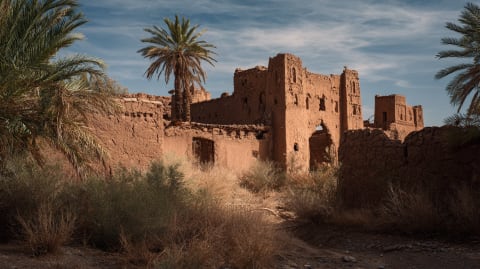
In 711, Tariq ibn Ziyad crossed the strait with an army of Berbers and Arabs. Within seven years, the Umayyads controlled most of the Iberian Peninsula. What followed was not merely conquest — it was the creation of a shared civilisation that made the strait irrelevant.
Consider Córdoba in the 10th century. Population approaching 500,000, larger than any city in Europe. Street lights when London had mud. Public baths when Paris had open sewers. The library of Caliph al-Hakam II contained 400,000 volumes; the largest library in Christian Europe held perhaps 600. The comparison is not flattering to Christian Europe, but Christian Europe was not yet in a position to be offended.
The scholars did not stay on one side. Ibn Rushd was born in Córdoba in 1126, studied in Morocco, returned to serve as a judge in Seville, and died in Marrakech in 1198. His commentaries on Aristotle shaped European philosophy for centuries. Maimonides was born in Córdoba in 1135, fled to Fes after the Almohad conquest, and ended up in Cairo. The Strait of Gibraltar was not a barrier to these men. It was a Tuesday.
The strait functioned as a river — with two banks, two cultures that shared more than they differed, and constant traffic in both directions. Moroccan soldiers fought in Spain. Spanish exiles settled in Morocco. Silk went north. Gold went north. Refugees went south. Music went both ways. Architecture went both ways. Ideas went both ways, which is the traffic that matters most and the traffic that is hardest to stop.
In 1492, Granada fell. The river became a wall. The traffic reversed — refugees flowing south carrying Andalusian music, Andalusian architecture, Andalusian heartbreak. The strait returned to being a border, which it remains today: 14 kilometres of water between two continents, two economies, and two ideas about what the other side represents. On a clear day, each shore can see the other. Whether either shore understands what it is seeing is a different question.
The Strait of Gibraltar was a river five million years ago. The drive from Tangier follows the shore of the sea that replaced it.
Tell us about your trip →The Facts
- —711-1492: 800 years of shared civilization
- —C√≥rdoba population ~500,000 in 10th century
- —Library of al-Hakam II: 400,000 volumes
- —Largest Christian library: ~600 volumes
- —Ibn Rushd: born C√≥rdoba, died Marrakech
- —14 km at narrowest point of Strait
- —Granada fell 1492, same year Columbus sailed
Sources
- Garcia-Castellanos, Daniel et al. "Catastrophic flood of the Mediterranean after the Messinian salinity crisis." Nature, 2009
- Duggen, Stephan et al. "Deep roots of the Messinian Salinity Crisis." Nature, 2003
- Krijgsman, Wout et al. "Chronology, causes and progression of the Messinian salinity crisis." Nature, 1999
Further Reading
Practical questions