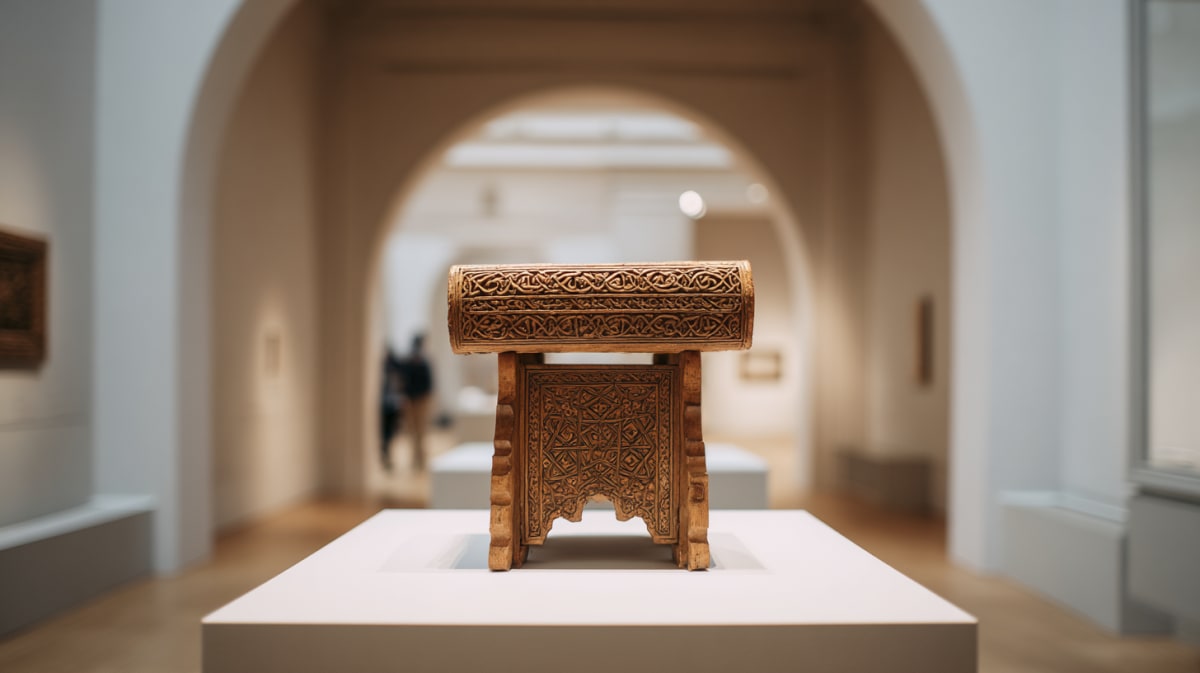
Nejjarine Fondouk
Hours
Daily 10am-5pm
Entry
20 MAD
Duration
60 minutes
Location
Place Nejjarine, Fes el-Bali
A caravanserai restored to showcase woodworking arts. The building matters more than the collection. The rooftop café is the quietest perch in Fes.
01
The Carpenters' Fondouk
A fondouk was a combined inn and warehouse for merchants — the Moroccan equivalent of a caravanserai. The Nejjarine Fondouk, built in the 18th century, served the woodworking quarter (nejjarine means 'carpenters' in Arabic). It was restored in the 1990s and converted to the Museum of Wooden Arts and Crafts.
02
The Fondouk
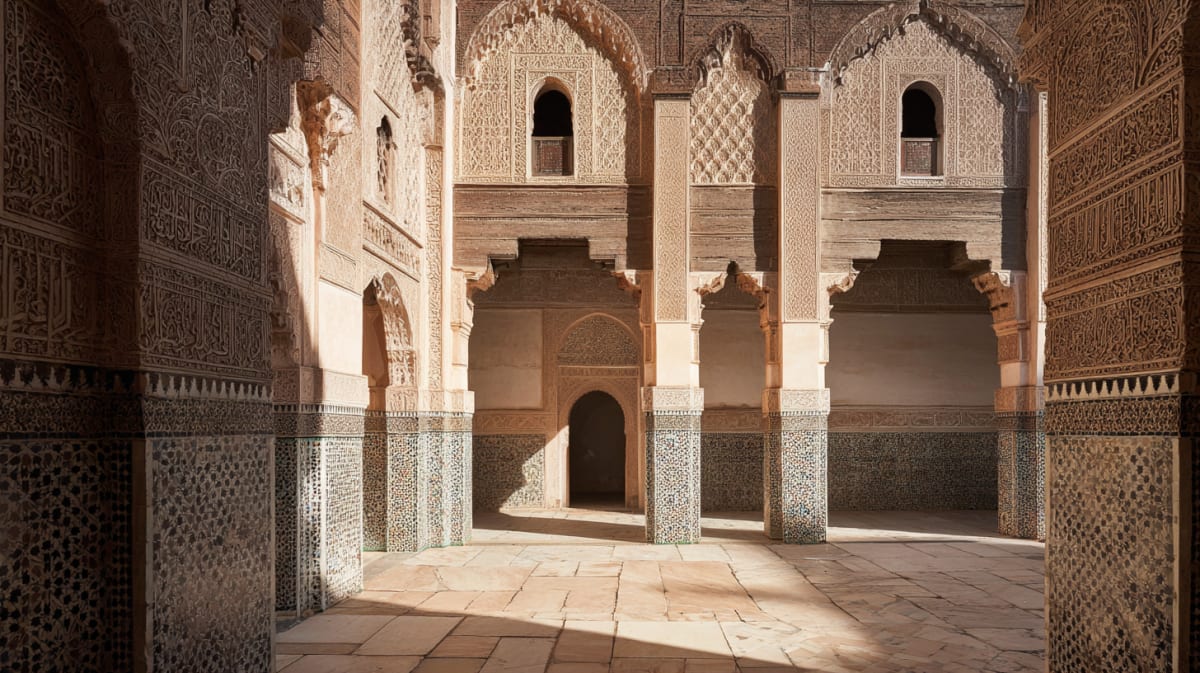
Three storeys arranged around a central courtyard with a carved fountain. The ground floor held workshops and storage. The upper floors were guest rooms. The restoration preserved the carved cedarwood, zellige, and wrought-iron details. The building is one of the most beautiful commercial structures in the Fes medina.
03
Visiting
On Place Nejjarine, deep in Fes el-Bali. The carved fountain on the square is a landmark. The museum collection — carved doors, musical instruments, tools, Quran stands — is well-displayed. The rooftop terrace gives a medina-level view over the surrounding neighbourhood. Allow 30-40 minutes.
Best Time to Visit
Morning for the rooftop light.
Getting There
On Place Nejjarine in Fes el-Bali. Follow signs from the spice souk or ask for the Nejjarine Fountain.
Local Tip
The foundouk building is as impressive as the collection
Common Questions
A merchant's inn and warehouse — the Moroccan caravanserai. Traders stored goods on the ground floor and slept upstairs. The Nejjarine Fondouk served the carpenters' quarter.
Yes. The terrace gives views over the Fes medina rooftops.
Walking Distance
Nearby
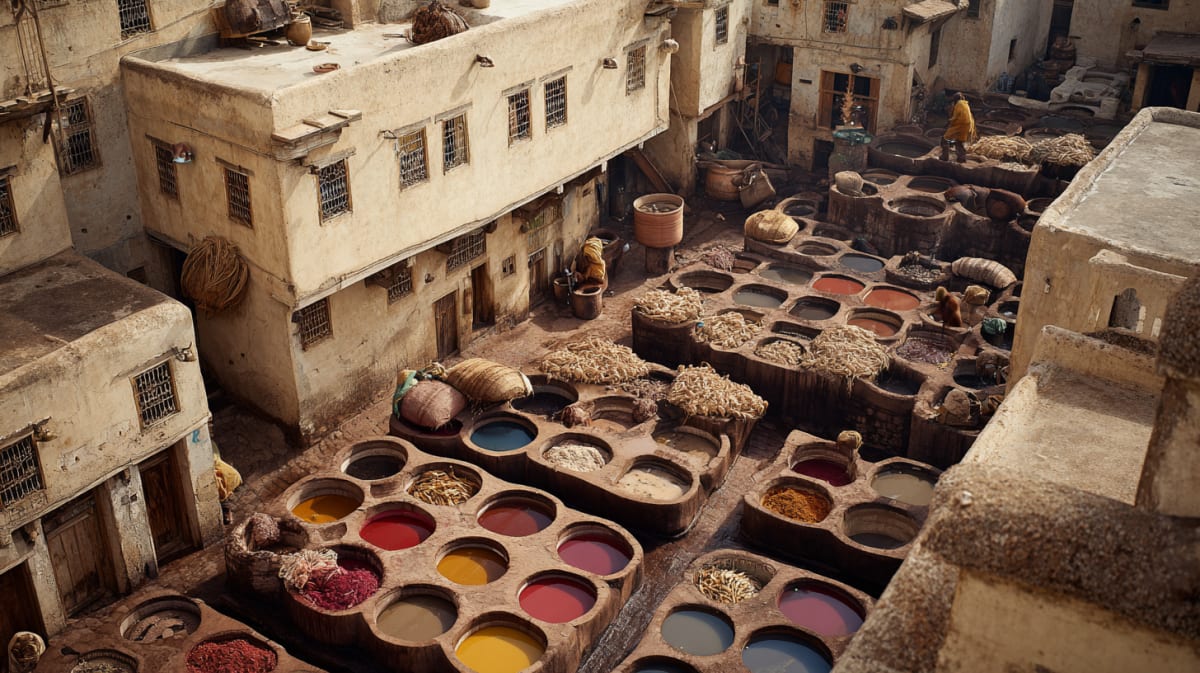
The Nejjarine Museum sits on a square so quiet you'd miss it without a guide. We go for the rooftop — the view over the medina is the best-kept one in Fes.
Plan a private journey →Explore More
Related Stories
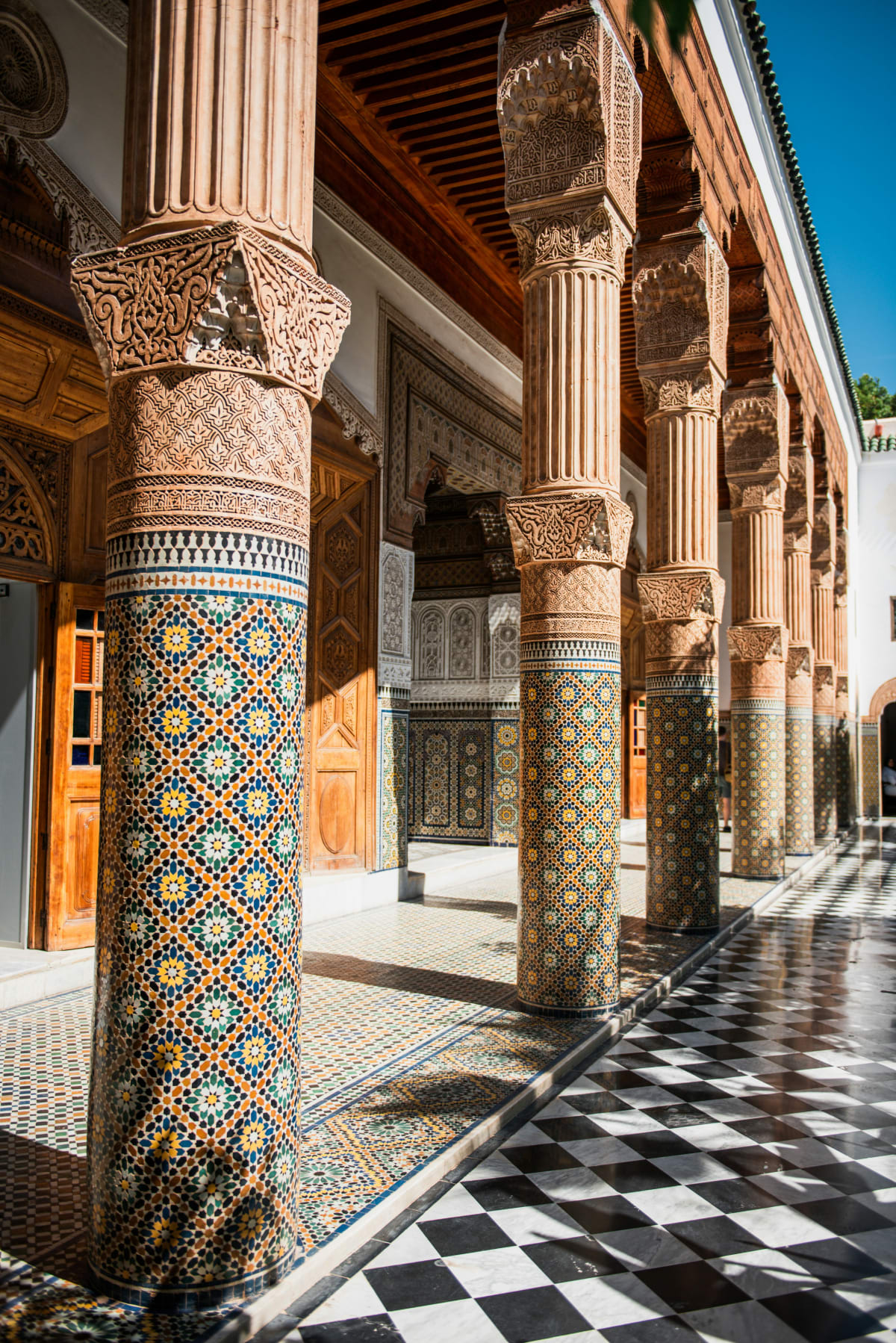
Discover the history and culture of Fes

Explore More
Multi-day journeys featuring this place
Curated routes that pass through Fes
3 Days
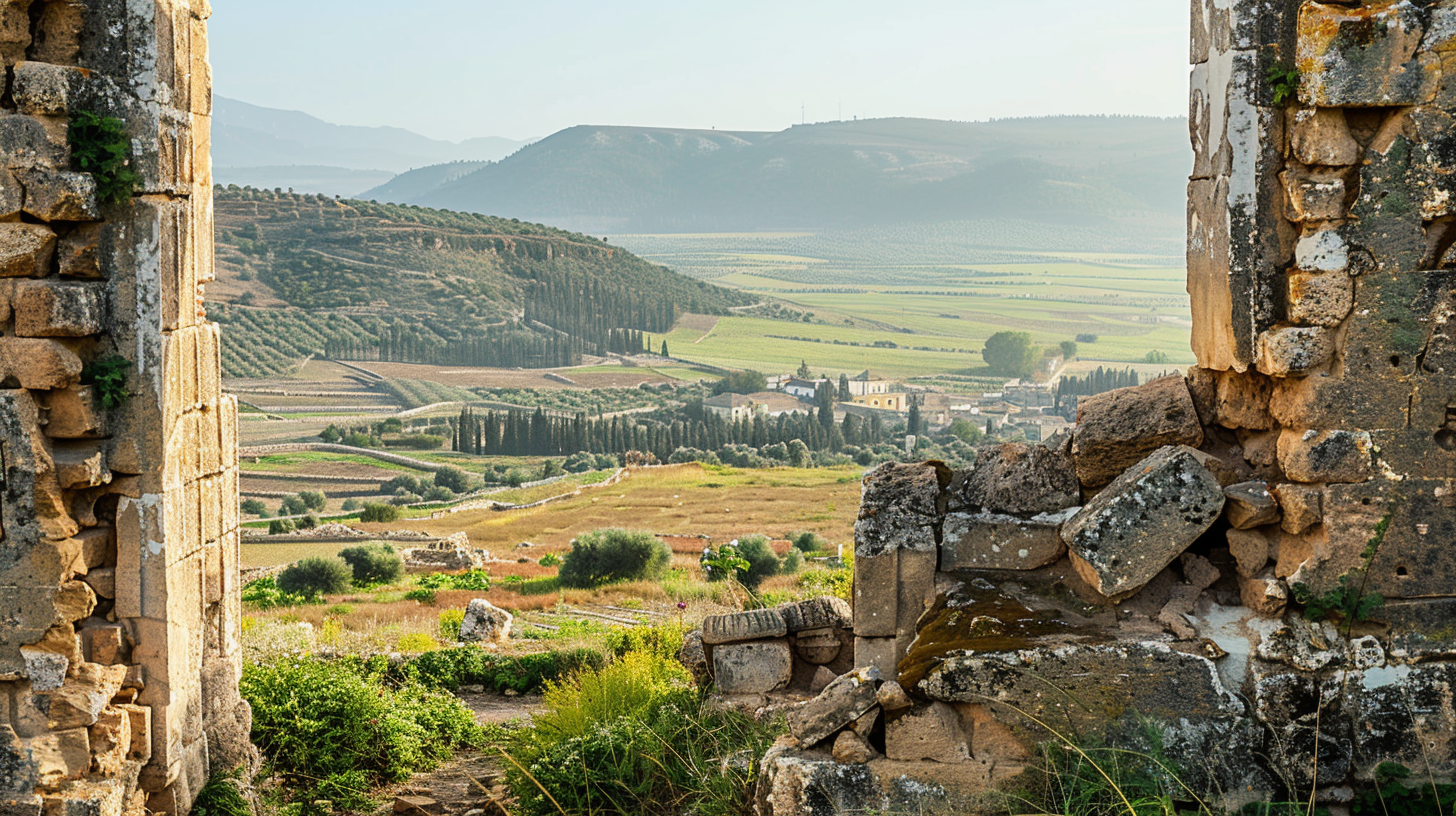
Volubilis & the Holy City
Roman columns and Morocco's holiest shrine, an hour apart.

3 Days
Fes, Meknes & Wine Country
Imperial cities, Roman mosaics, and a vineyard lunch that quietly dismantles everything you assumed about North African soil.
3 Days
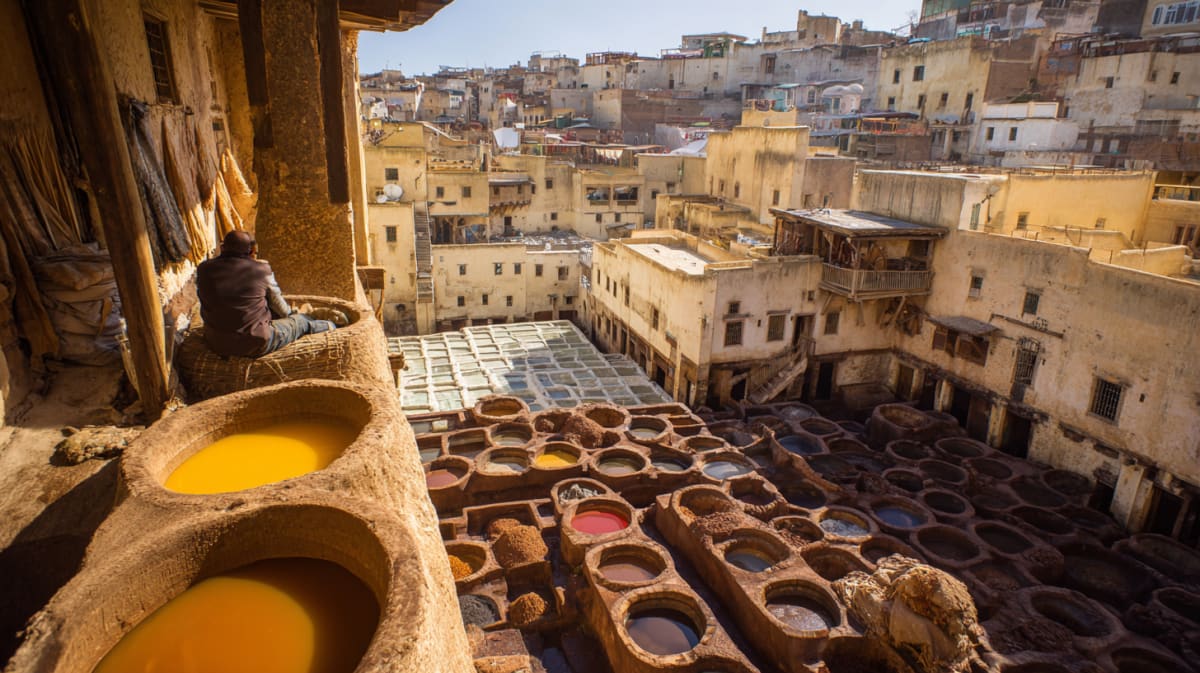
Fes City Break
Three days in the world's largest car-free urban area — tanneries, foundouks, and the sound of hammering brass.
Sources: Le Tourneau R. (1949) Fès avant le Protectorat;;UNESCO Fez nomination file (1981);;Métalsi M. (2003) Fès: La ville essentielle