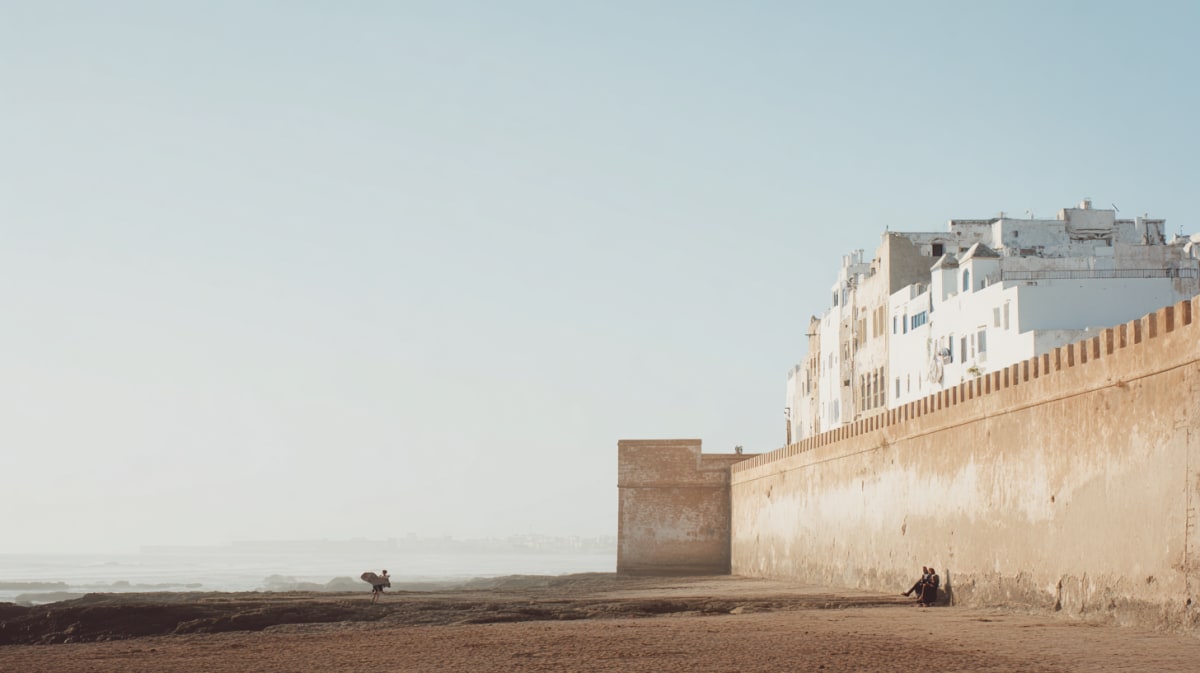
Essaouira Walls
Hours
Always open
Entry
Free
Duration
30 minutes
Location
Seafront
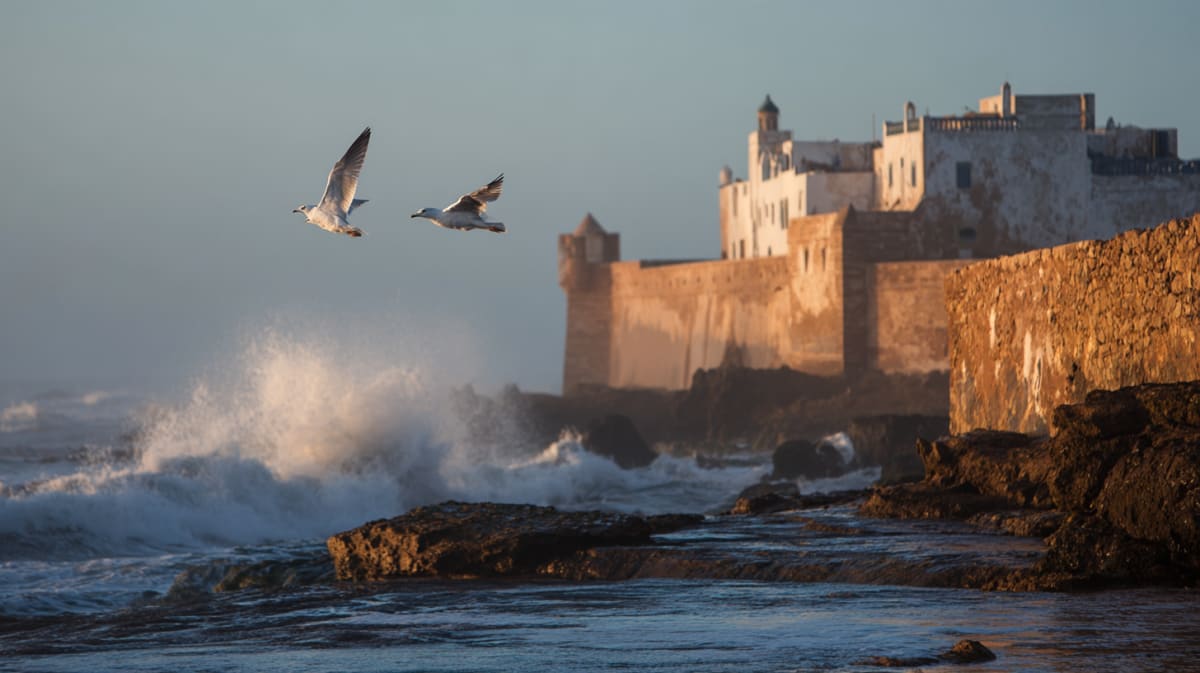
Portuguese fortifications redesigned by a French engineer for a Moroccan sultan. The cannons still face the Atlantic, stamped with the names of Dutch and Spanish foundries that supplied both sides.
01
The Walls Mogador Built
Sultan Mohammed III commissioned the French engineer Théodore Cornut to design Essaouira's fortifications in 1760. Cornut used European military engineering — straight walls, bastions, embrasures for cannon — which gives Essaouira its distinctive non-Moroccan feel. The town was built to a grid plan inside these walls, the only city in Morocco designed by a European.
02
The Fortifications
The walls run along the Atlantic front with cannon emplacements facing the sea and the Îles Purpuraires offshore. The stone is local — the same golden calcarenite that gives Essaouira its warm colour. The ramparts connect to the Skala de la Ville (the main battery) and the Skala du Port.
03
Visiting
Walk the ramparts from the Skala de la Ville. The cannon are still in place, aimed at the Atlantic. Sunset from the walls is Essaouira's best free show.
Best Time to Visit
Sunset. The walls face west over the Atlantic.
Getting There
The walls surround the medina. Access the ramparts from the Skala de la Ville in the northwest.
Local Tip
Walk the full circuit for different views
Common Questions
It was designed by a French military engineer in 1760 — the only Moroccan city built to a European grid plan. The fortifications are explicitly European in style.
Walking Distance
Nearby
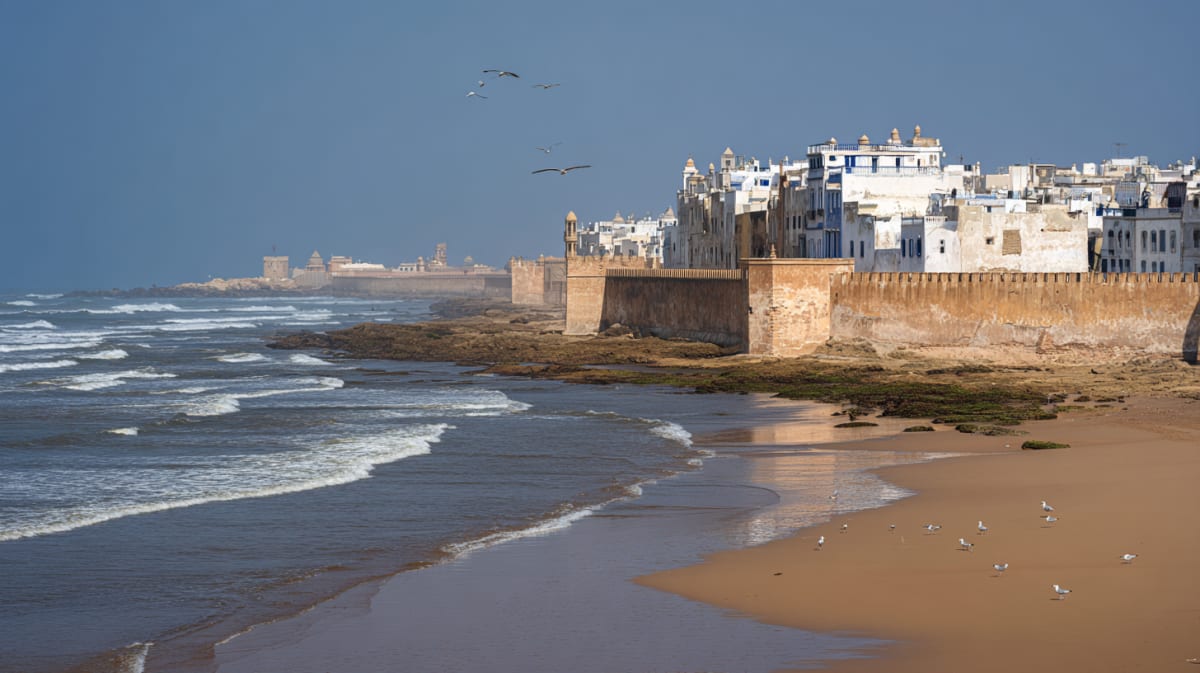
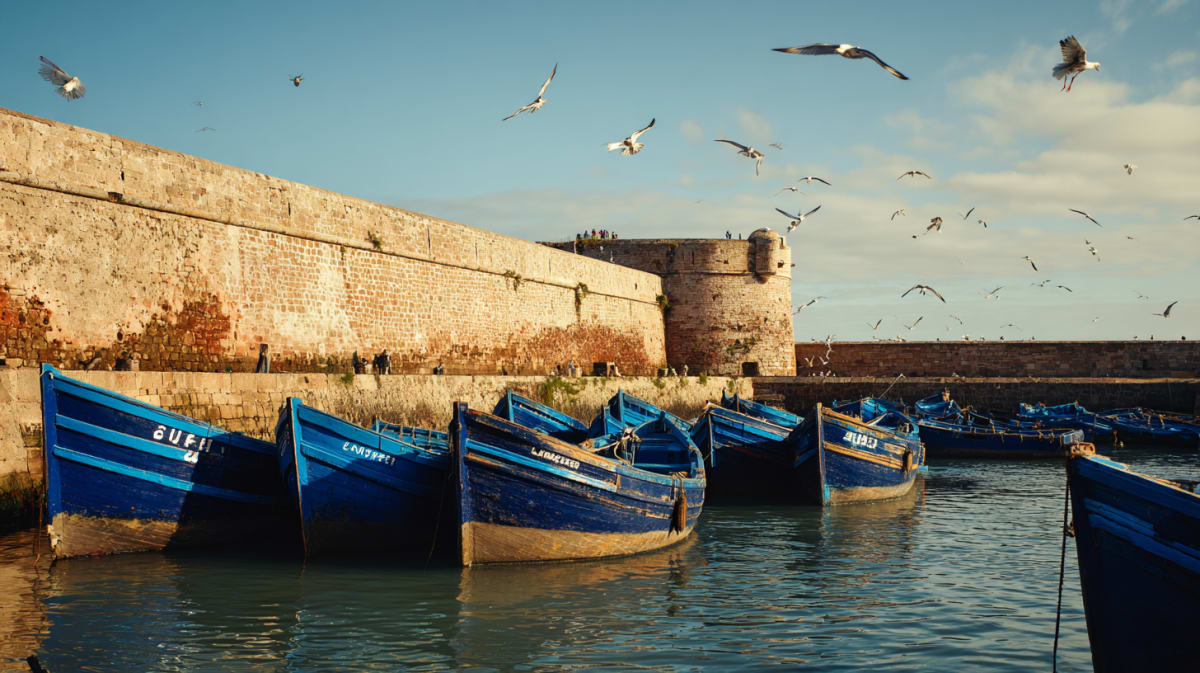
We walk the ramparts on the first evening in Essaouira. The Atlantic wind at sunset is the reset button between the medina and the ocean.
Plan a private journey →Explore More
Related Stories
Discover the history and culture of Essaouira


Explore More
Multi-day journeys featuring this place
Curated routes that pass through Essaouira
4 Days
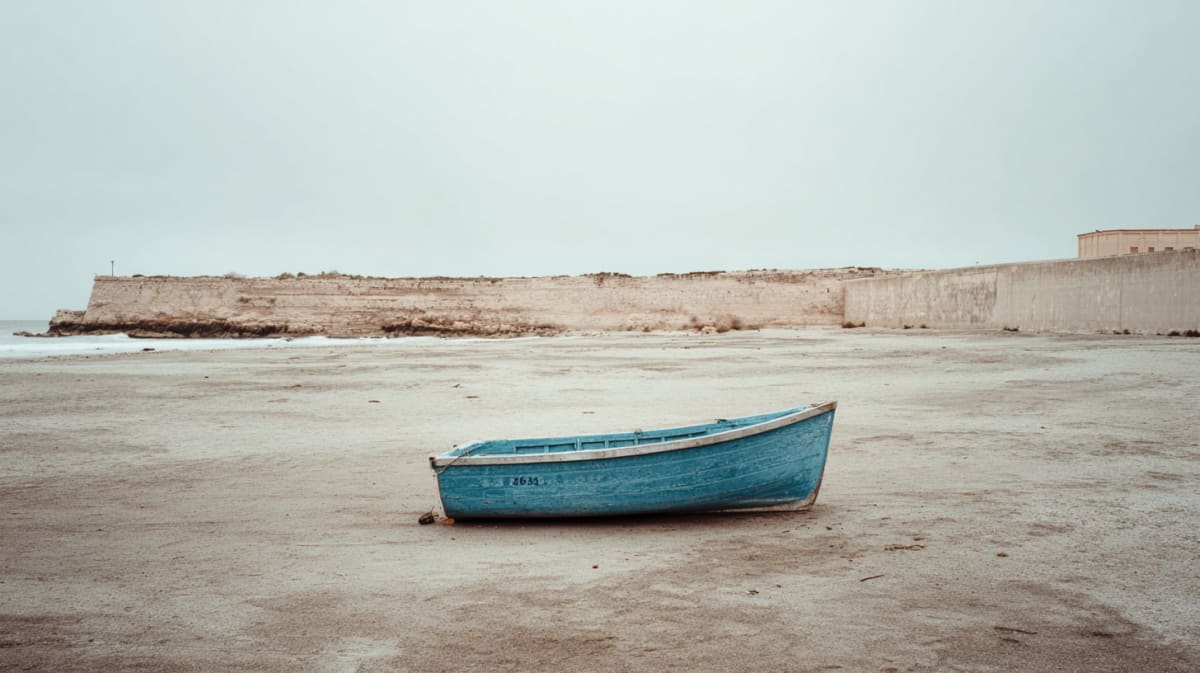
4-Day Essaouira & Coastal Villages
Wind, grilled fish, Atlantic light — four days where the sea rewrites your clock and nobody asks you to hurry.
4 Days
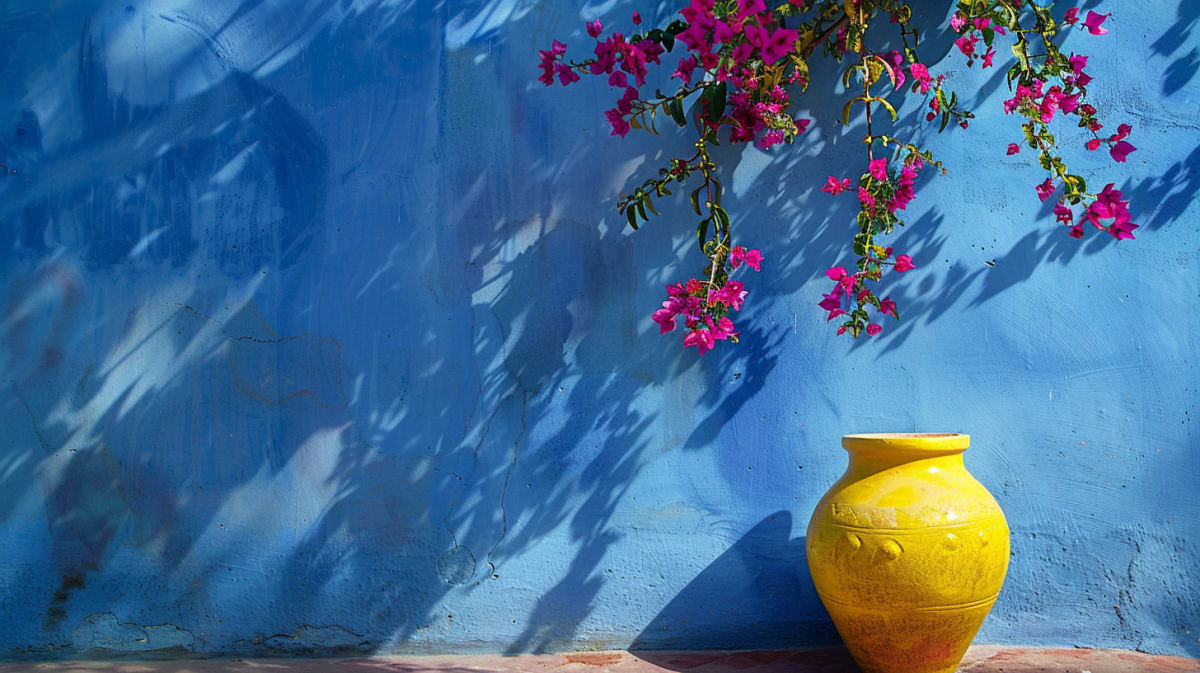
Majorelle & Marrakech Artists
The blue garden, the red city, and the painters who came for a visit and never left — which says more about Marrakech than any guidebook.
4 Days
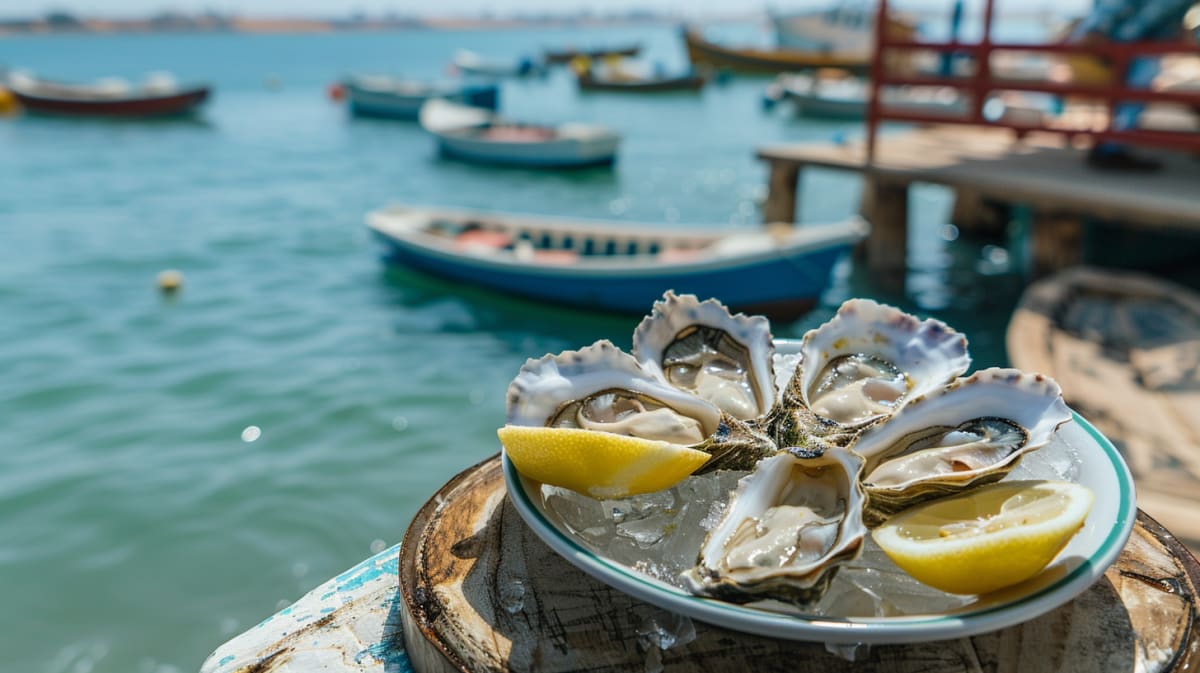
Oualidia Oysters & Lagoon
A lagoon between Casablanca and Essaouira produces the only oysters in Morocco. Four days of birds, salt marshes, and a kitchen that knows what to do with both.
Sources: UNESCO Medina of Essaouira nomination file (2001);;Mana A. (1998) Essaouira: Cité des Alizés