14 Days
Two Weeks in Morocco
Two weeks lets Morocco unfold without rush, which is the only speed the country respects. North to south, medina to desert to coast — each day a different Morocco, each night somewhere that earned its place by being irreplaceable rather than convenient. Fes closes around you in streets that haven't widened since the 9th century. The Atlas crossing changes the light, the air, and the colour of everything. The Sahara arrives with a silence that has weight. The coast returns you to salt and wind and sardines grilled on a harbour wall. You cross from Mediterranean to Atlantic, from Arabic to Tamazight, from green to gold to red. Two weeks is not enough. Nothing is. But two weeks is enough to understand that the country is bigger than the map, and the map was already large.
Day 1
Rabat
North along the Atlantic motorway — an hour between Morocco's two faces. Casablanca's commercial sprawl gives way to cork oak and eucalyptus. The ocean appears in glimpses. Rabat materialises white and composed on the Bou Regreg river, a capital that whispers where other cities shout. The kasbah overlooks the Atlantic. The medina is calm, carpeted, navigable. The diplomatic quarter smells of jasmine. After Casablanca's urgency, Rabat feels like exhaling.
Day 2
Chefchaouen
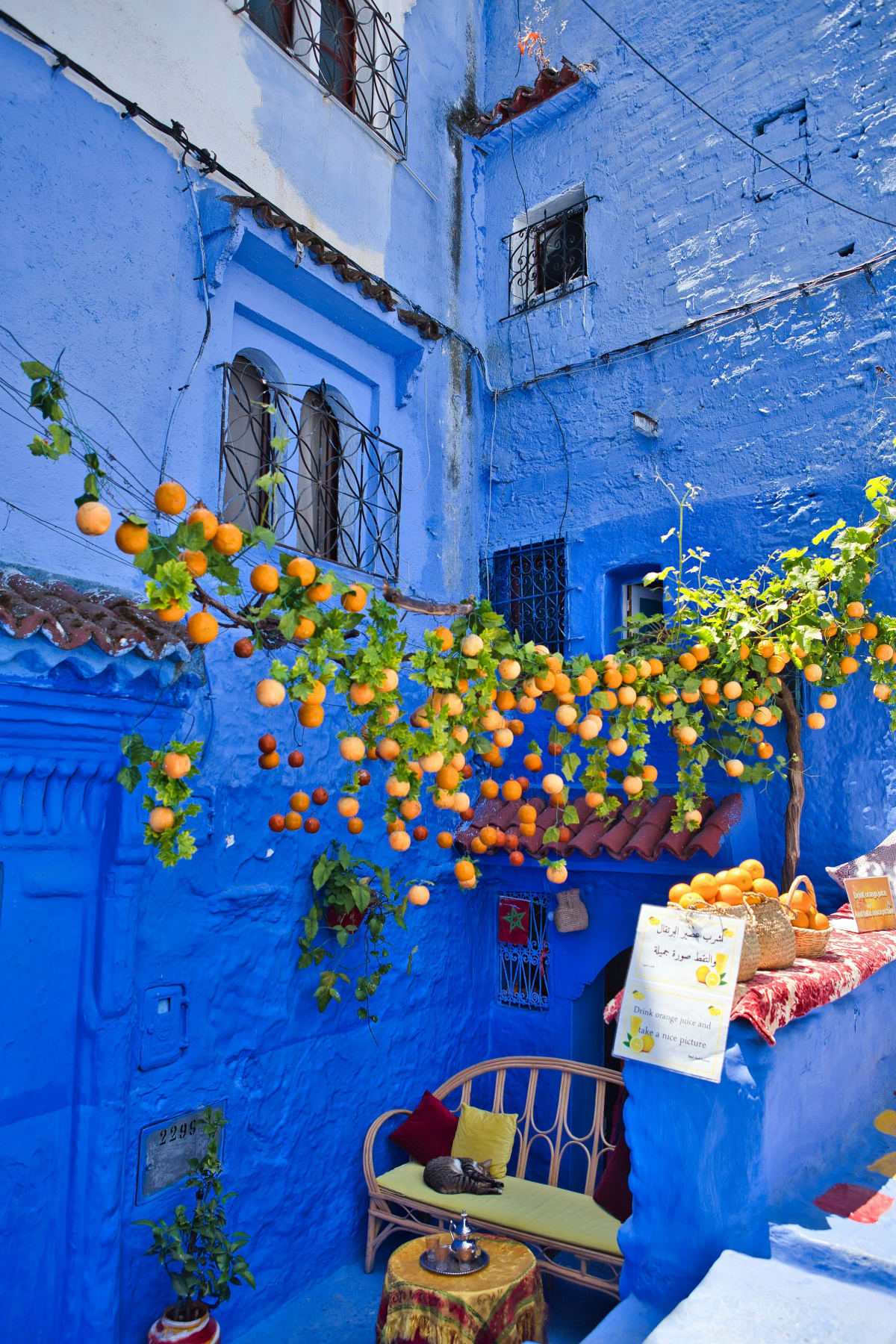
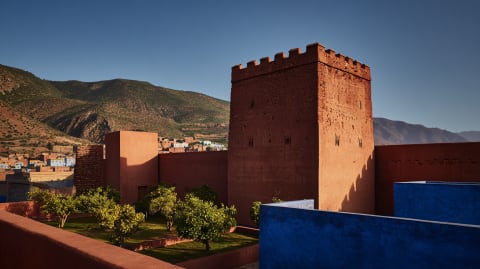
North from the Atlantic. The capital's composure gives way to the Rif's indifference — the road climbing through villages that don't care about coastal politics or diplomatic protocol. The green deepens. The air cools and thickens with moisture. Chefchaouen appears suddenly — blue tumbling down the mountainside, the twin peaks of Jebel Chefchaouen watching from above. The paint started as refuge — some say Jewish tradition, some say it repels mosquitoes, some say it echoes the sky. Whatever the reason, it works on you. The first glass of tea is the colour of the walls. The medina winds upward in shades of indigo. Your phone camera can't capture what your eyes keep seeing.
Day 3
Chefchaouen
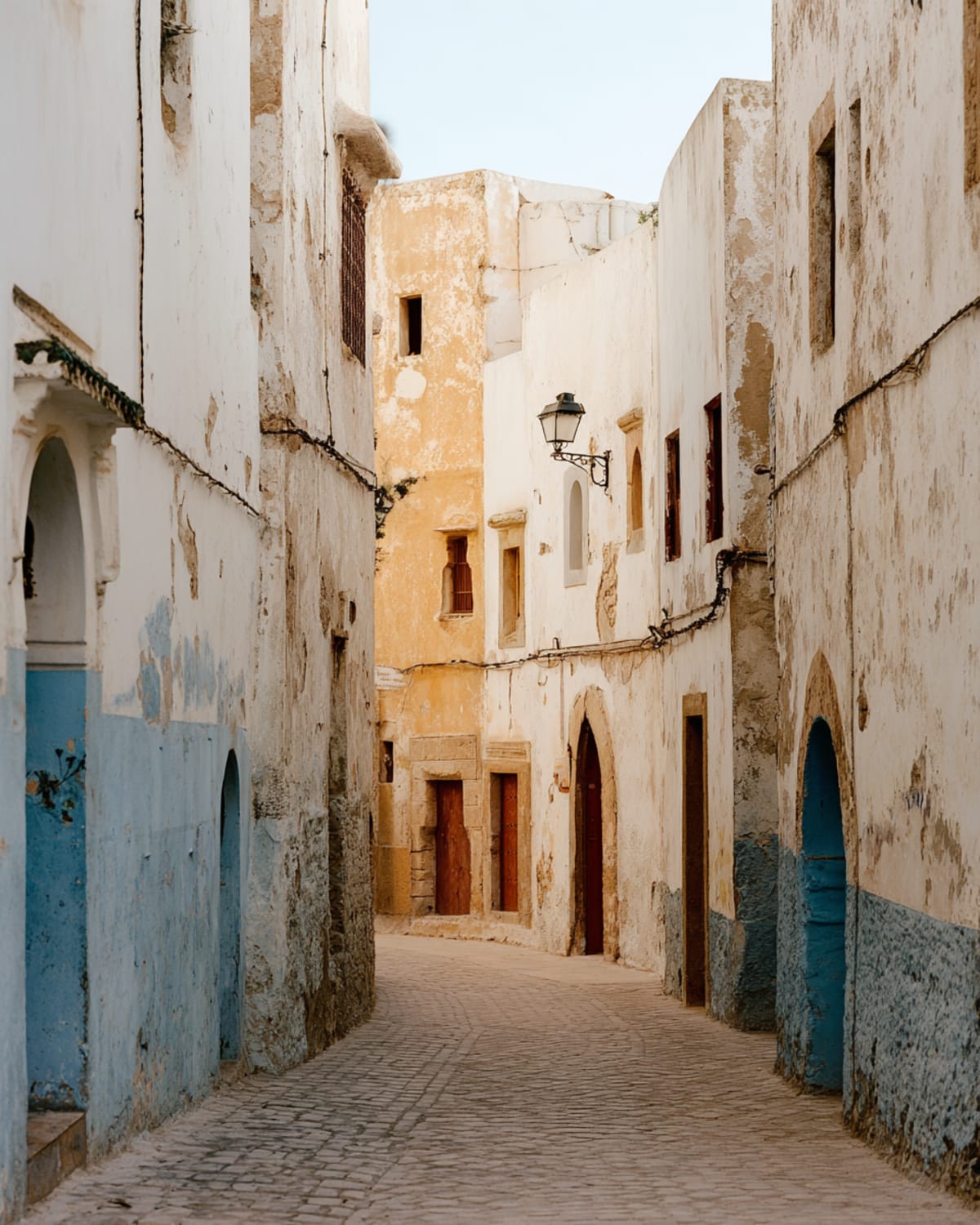
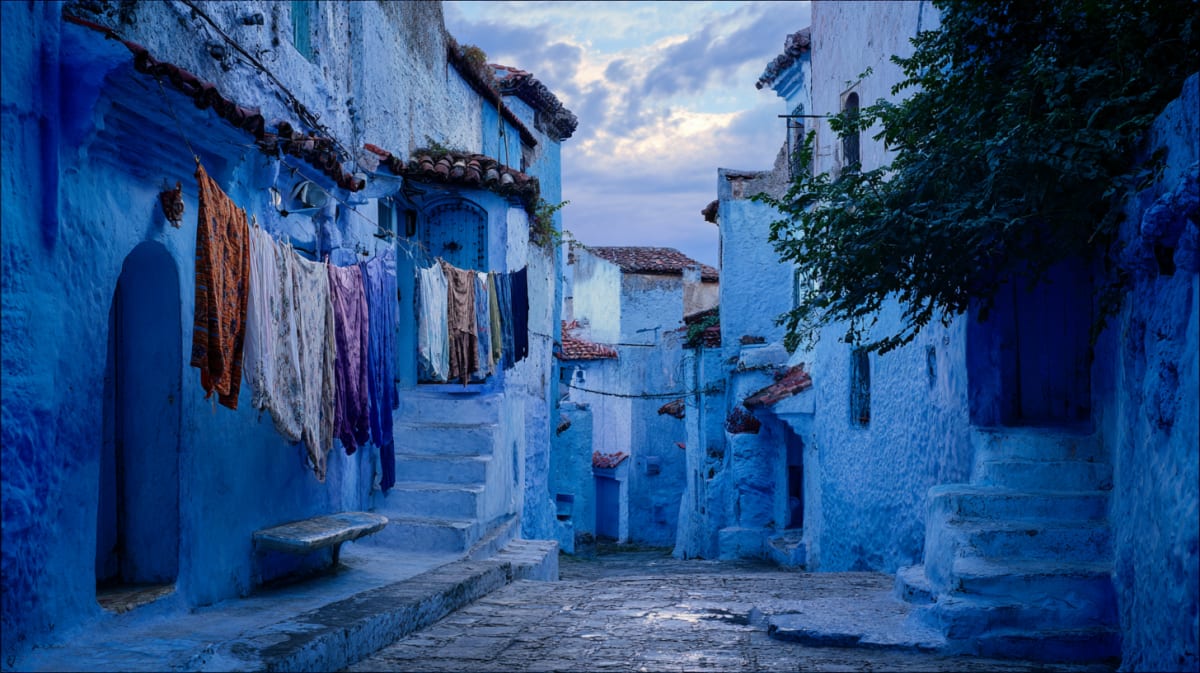
Blue on blue on blue. Every surface painted—walls, steps, doorways, pots. The tradition started with Jewish refugees in the 1930s. No one remembers exactly why. The color just is now. You climb to the Spanish Mosque at sunset. The blue rooftops spread below. The Rif peaks watch. The town doesn't explain itself. Neither should you.
Day 4
Fes
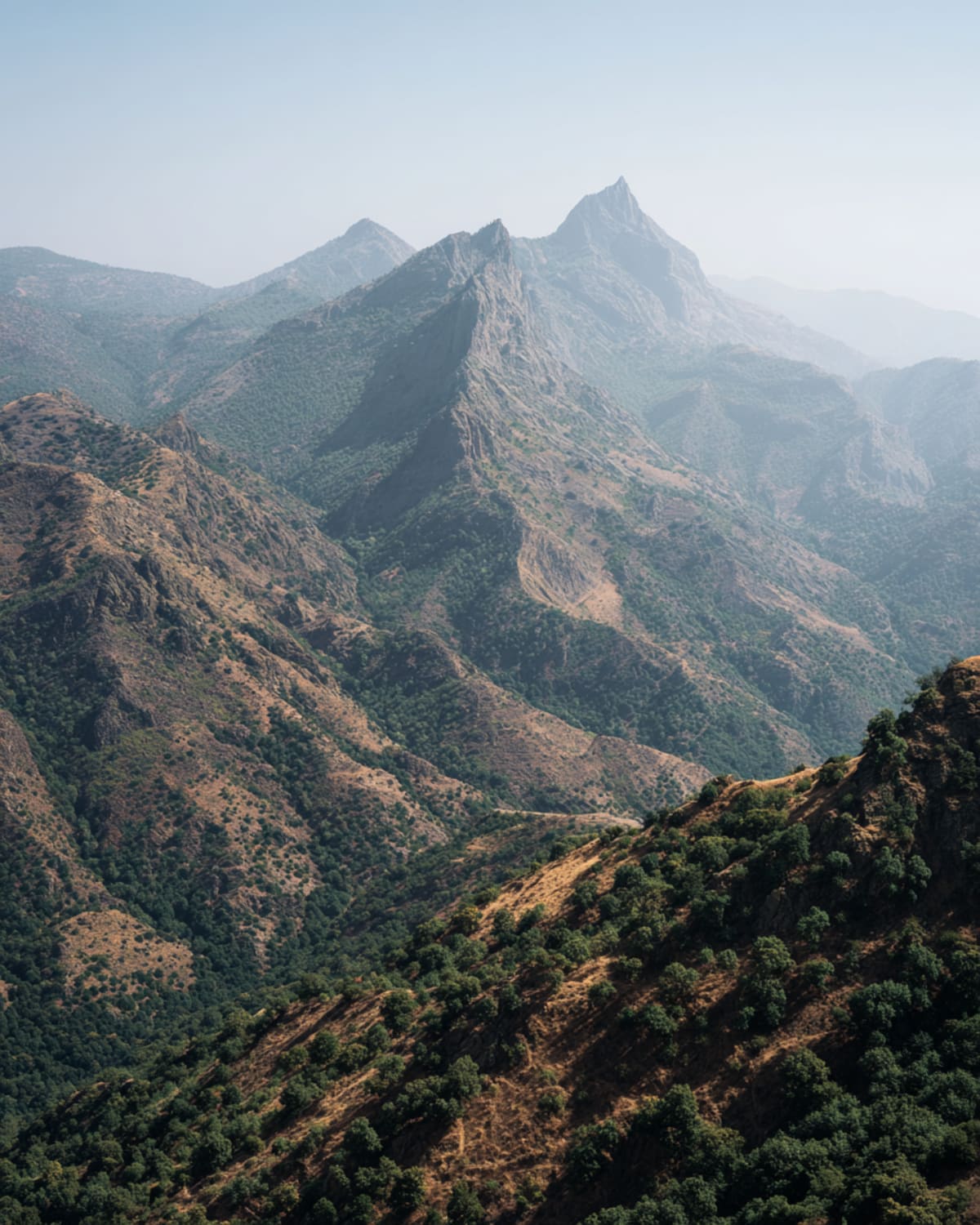
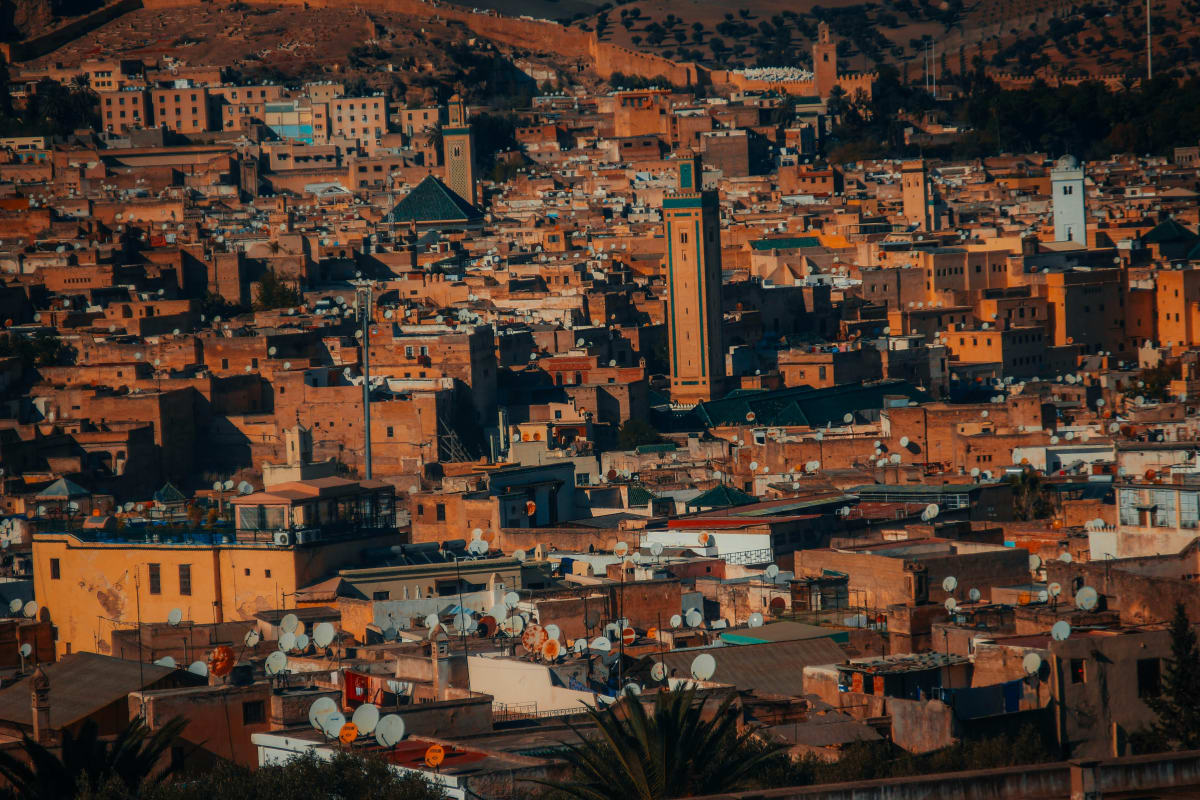
South from the blue hills. The Rif releases you in stages — blue walls fading, green slopes opening, the road finding its rhythm through olive groves and small towns where men play cards outside cafés that have served the same coffee for thirty years. The land flattens into the Saïss plain, golden and vast. Fes appears in its valley the way all great cities should — gradually, the minarets first, then the walls, then the scent of cedar and leather reaching you before you've parked. The medina awaits with its twelve centuries of accumulated intensity. You enter and the maze begins.
Day 5
Fes
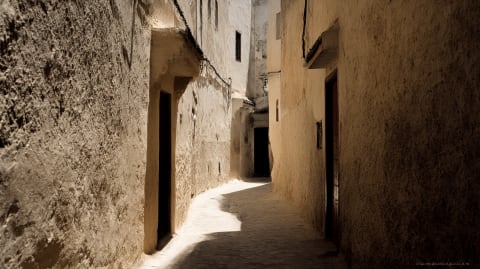
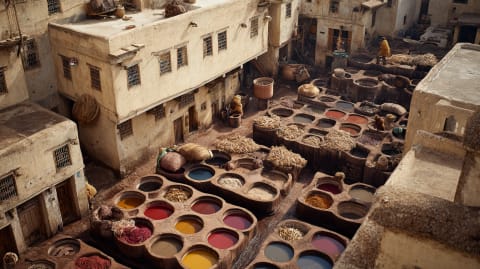
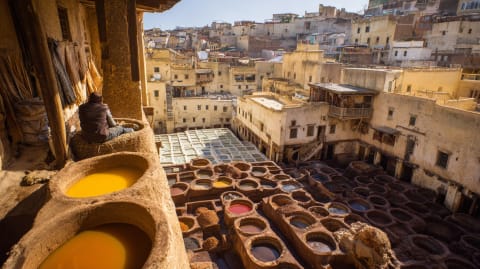
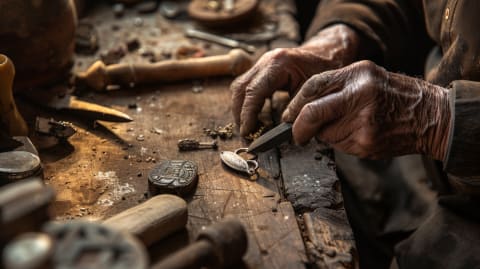
Nine thousand alleys. The medina hasn't changed in a thousand years—same crafts, same quarters, same calls echoing off the walls. The tanneries still use pigeon dung. The brass workers still hammer by hand. You get lost. Everyone does. A boy leads you out for a coin. By evening, you've stopped trying to map it. The labyrinth is the point.
Day 6
Fes
Nine thousand alleys. The medina hasn't changed in a thousand years—same crafts, same quarters, same calls echoing off the walls. The tanneries still use pigeon dung. The brass workers still hammer by hand. You get lost. Everyone does. A boy leads you out for a coin. By evening, you've stopped trying to map it. The labyrinth is the point.
Day 7
Merzouga
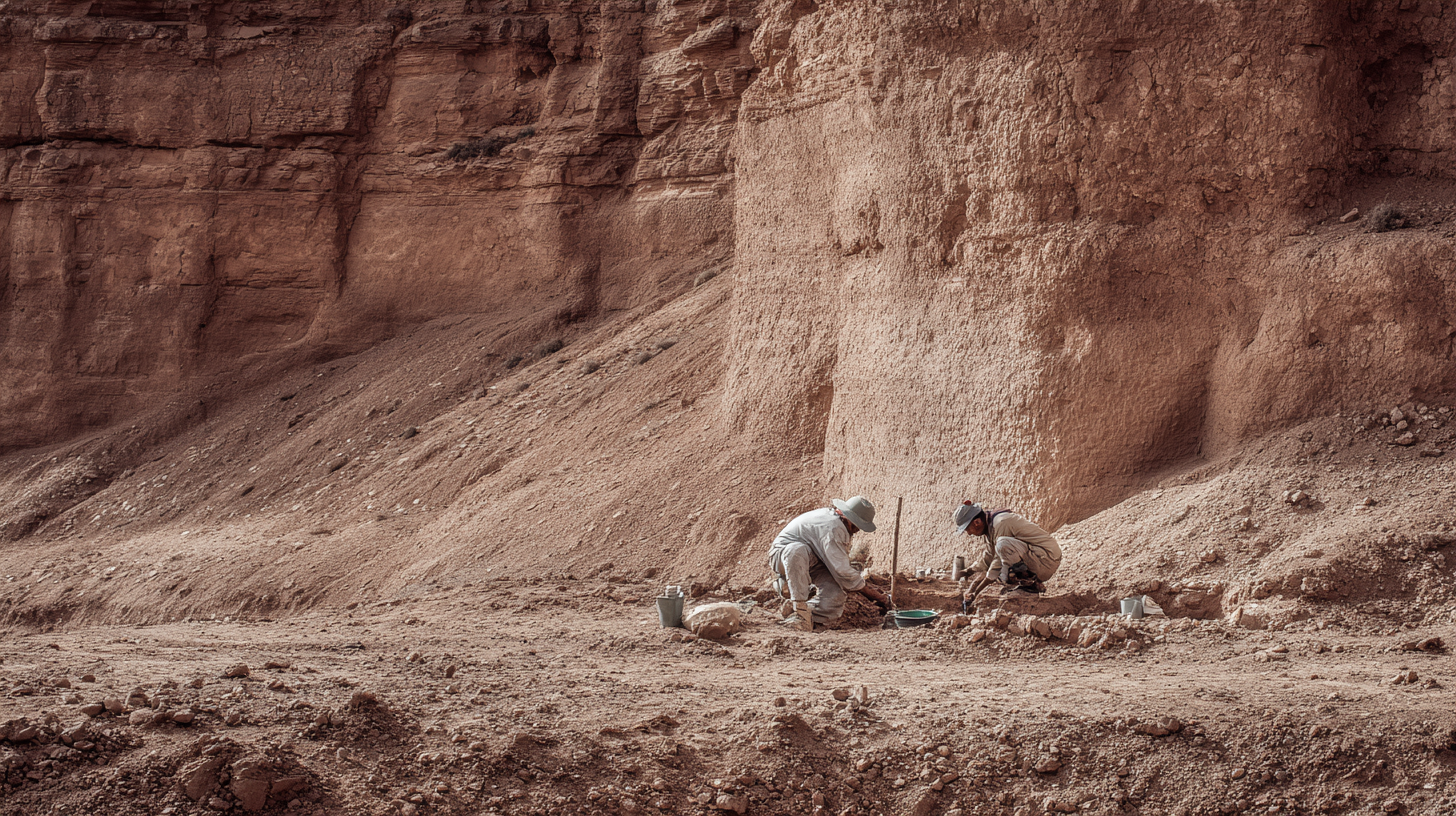
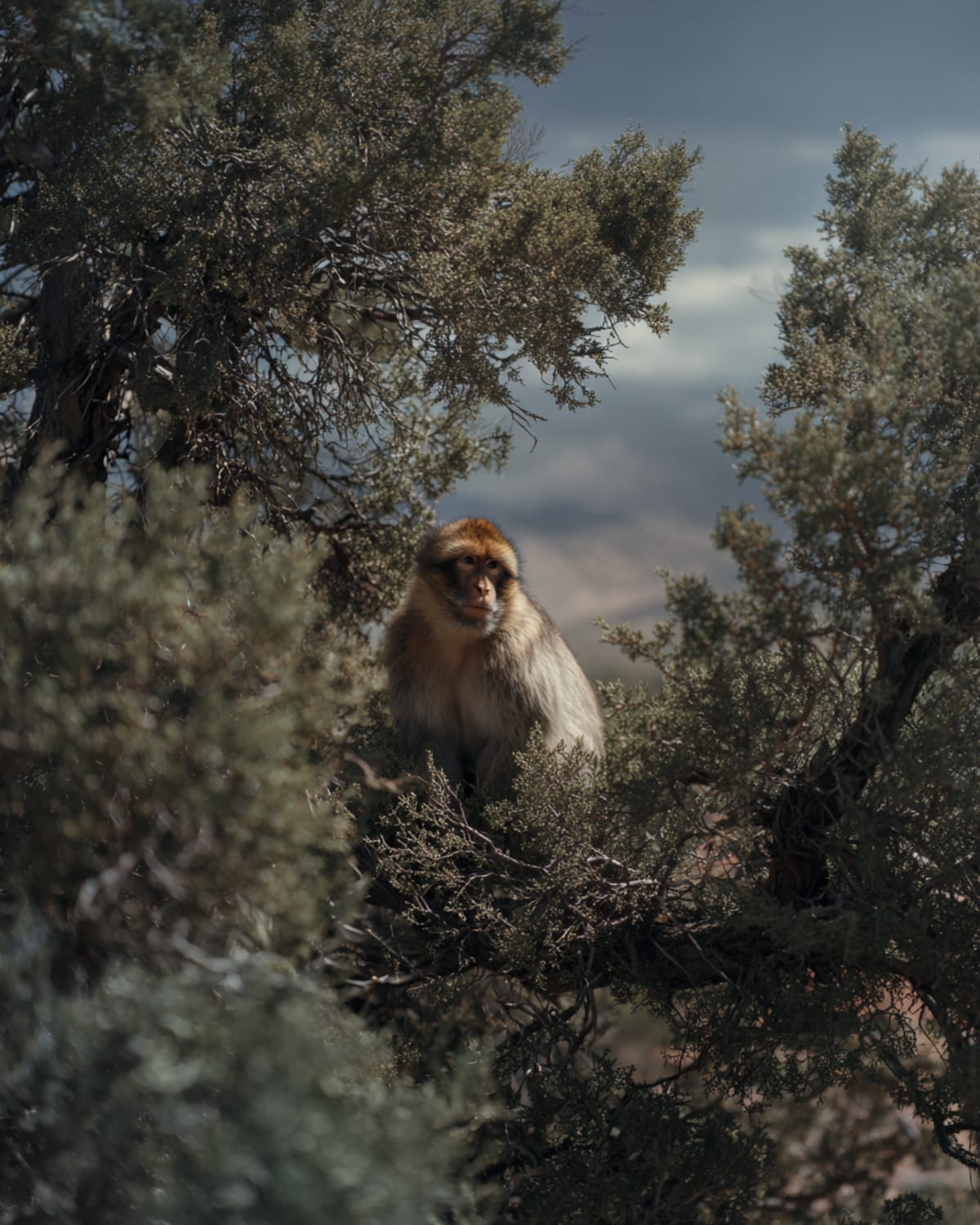
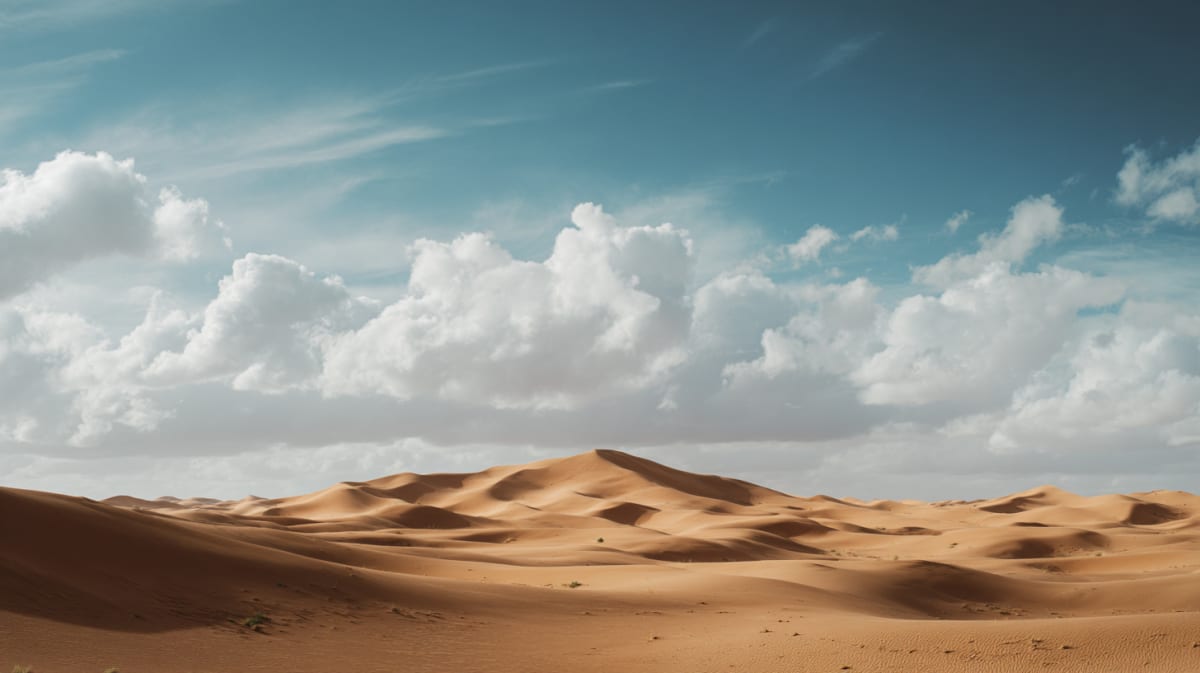
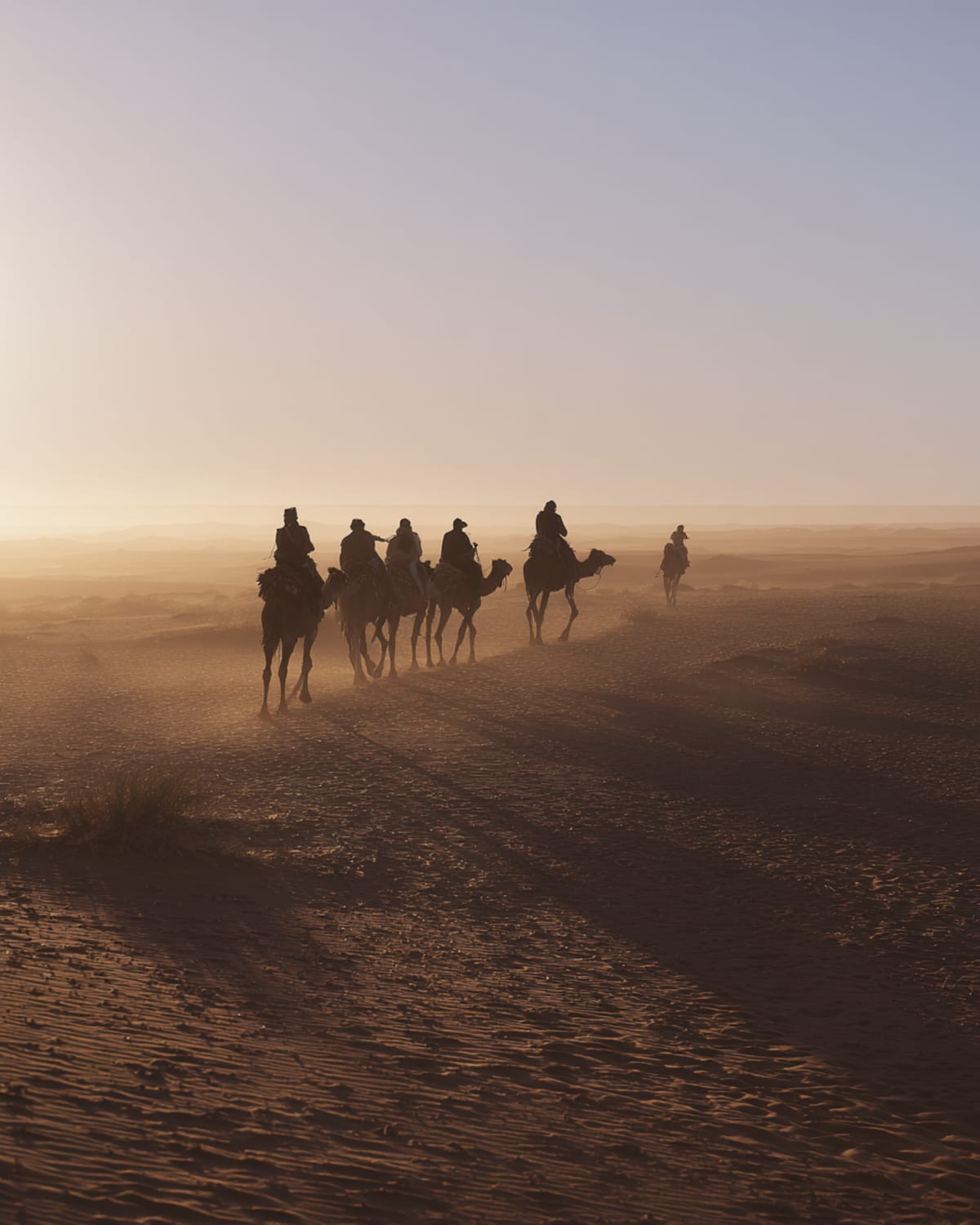
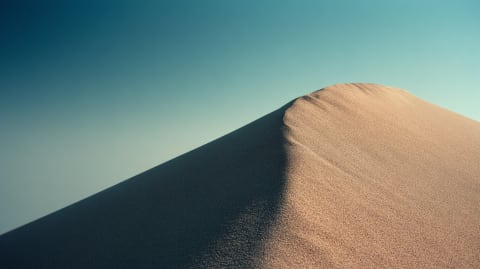
The longest day and the most dramatic shift. South from Fes through the Middle Atlas — cedar forests, Barbary macaques, air so cold and clean it stings your throat. Past Midelt the colour changes. Green to brown to ochre to gold. The Ziz Gorge cuts through red rock, palms lining the river like a procession. Erfoud passes — fossil town, the trilobites older than thought. Then the hammada flattens and empties. And there, rising from nothing, Erg Chebbi. Three hundred metres of sand, glowing copper in the last light. Your camp sits at the base. A camel waits. The sky is already filling with stars.
Day 8
Merzouga
A day without roads. The dunes shift color as the sun moves—pink at dawn, gold at noon, orange by evening. You can walk to nomad tents where tea is poured without ceremony. Or drive to Khamlia where Gnawa music rises from the sand. Or do nothing. The desert doesn't require your participation. It just asks that you notice.
Day 9
Dades
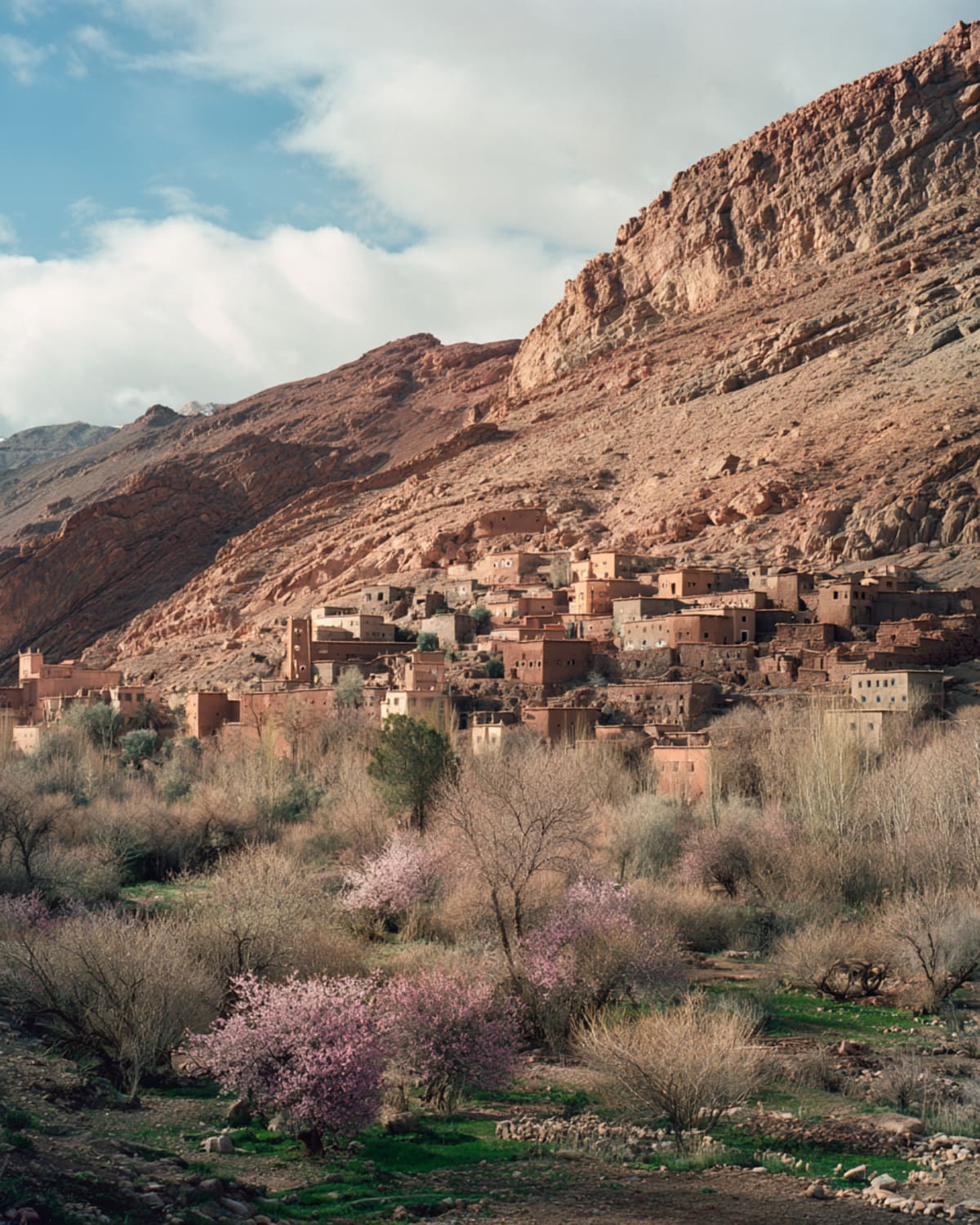
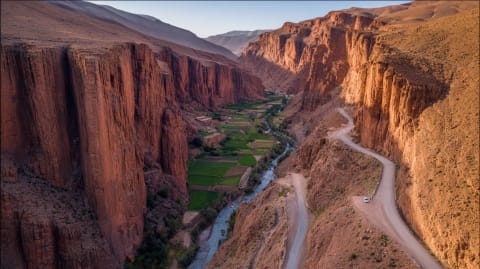
West from the dunes. The sand releases you slowly — first hammada, then the first scrub, then signs for towns that feel like rumours. Erfoud passes with its fossil workshops, trilobites older than imagination. Tinghir appears in its palm grove, the green so vivid after the desert it looks artificial. Then Todra — walls rising vertical and close, the river cold at the bottom, your voice echoing off limestone that has been standing since before the word for stone existed. The road opens into the Dades. The valley glows copper at sunset, the kasbahs catching the last light like lanterns. You sleep in the gorge. The stars are framed by the canyon walls.
Day 10
Marrakech
The valley narrows, then releases. Ouarzazate passes at the crossroads — gateway town, the Atlas ahead of you now. Then the climb. Tizi n'Tichka winds upward through stone and shepherd country, the air thinning, the road carved into the mountainside by the French in 1936. You pass through villages where women sell fossils and amethyst from blankets spread on the verge. The pass crests at 2,260 metres. The north side is different — greener, cooler, the smell of thyme and wet stone. By evening Marrakech appears on the plain below, lit amber in the haze. The descent feels like arriving somewhere your body already knows.
Day 11
Marrakech
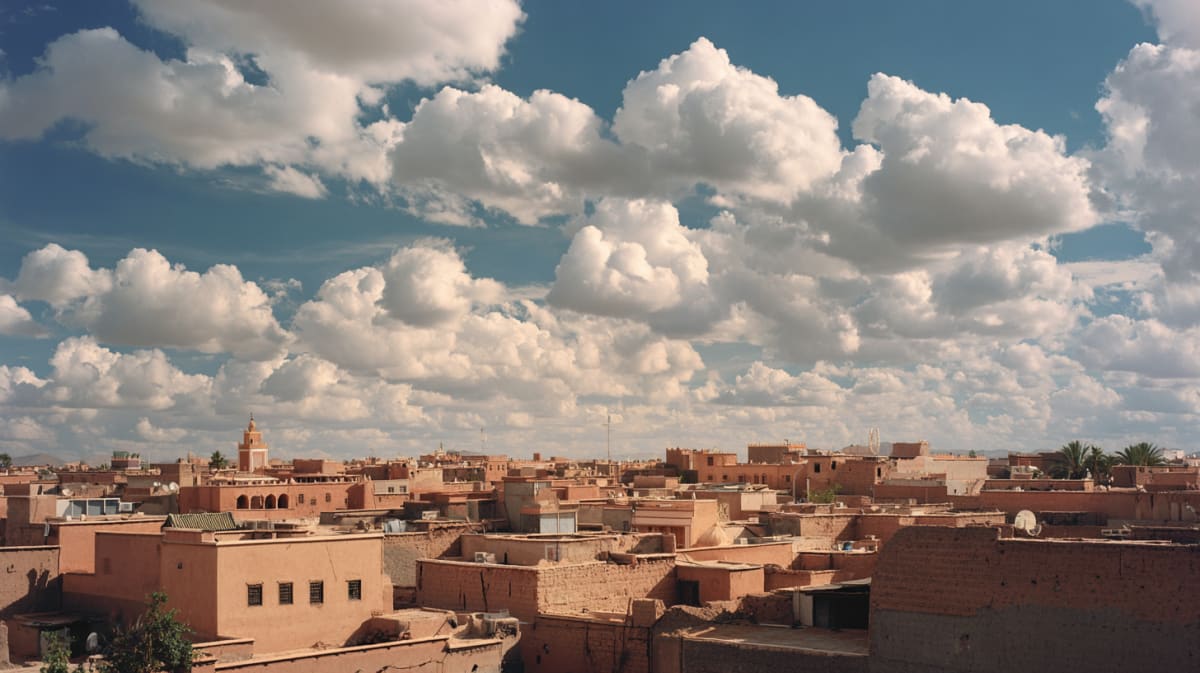
The souks spiral inward by specialty—leather, brass, carpets, spices. Each turn narrows. Bahia Palace holds its painted ceilings in afternoon shadow. The hammam strips you down to quiet. By evening, Jemaa el-Fna transforms. Smoke rises from a hundred grills. Storytellers gather crowds. The square has done this for centuries. It doesn't need your permission.
Day 12
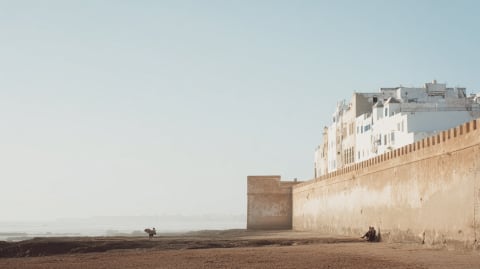
Essaouira
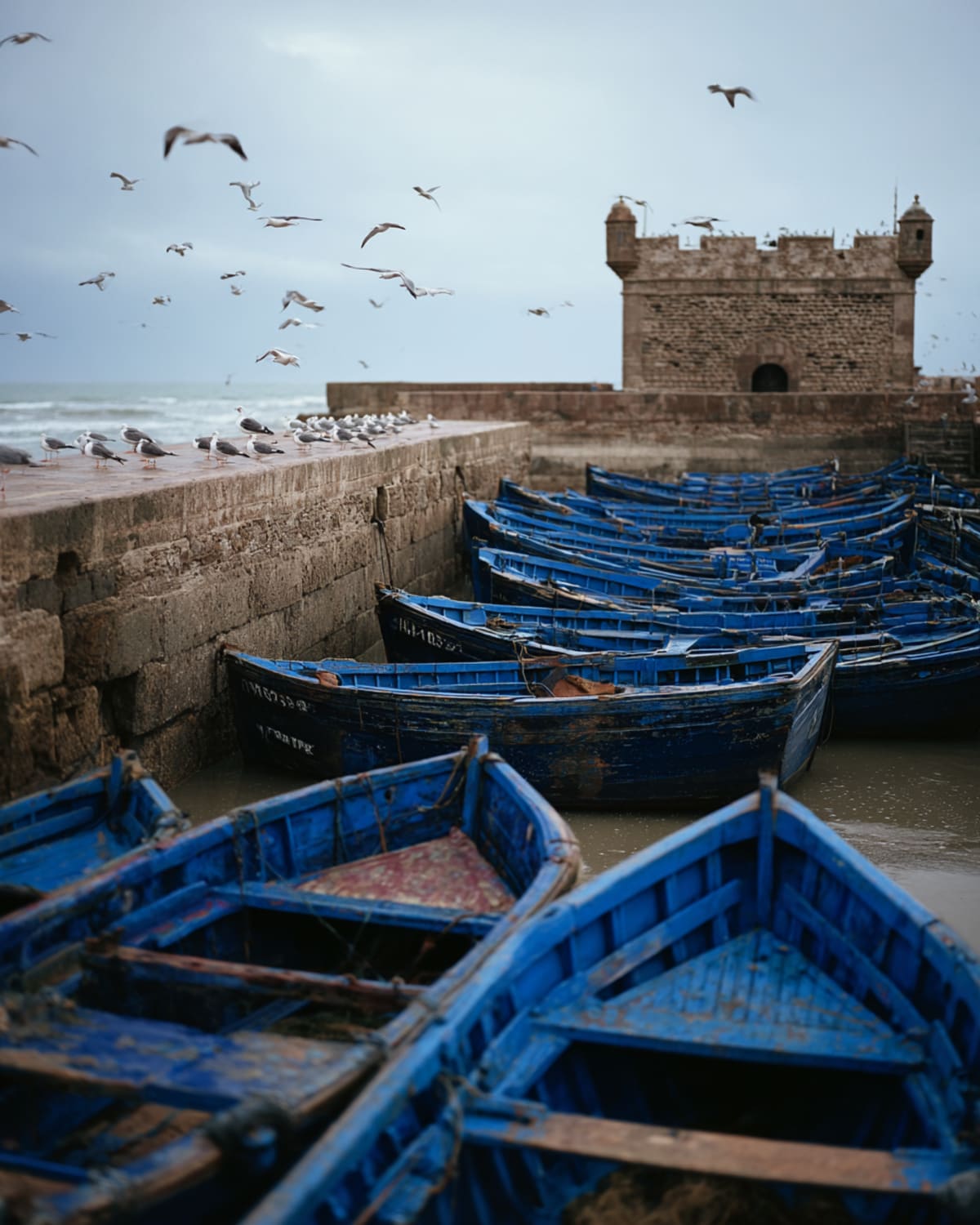
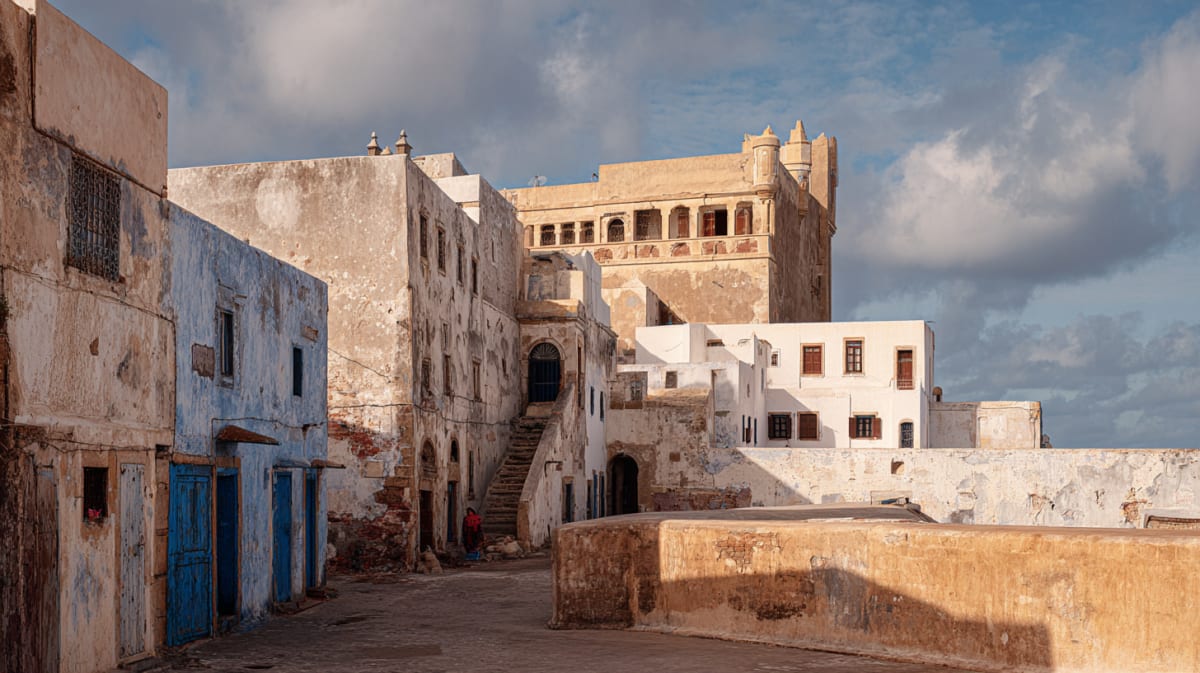
West toward water. The road flattens through argan groves where goats stand in the branches like punctuation marks against the sky. Women crack nuts at cooperatives, the oil tasting of earth and smoke when you dip bread into it. The air changes before you see the sea — salt, wind, something loosening in your shoulders you didn't know was tight. Essaouira appears white against blue. The port smells of fresh catch and rope and cedar shavings. Seagulls wheel. Shutters rattle in the alizé wind that hasn't stopped in recorded history. The city doesn't try to impress. She's busy being herself.
Day 13
Essaouira
The wind never stops. That's the first thing. Essaouira moves at a different speed—artists in studios, fishermen mending nets, cats watching from ramparts. The port smells of sardines and salt. The beach stretches south toward nothing. By sunset, the walls glow gold. The Atlantic doesn't sparkle here. She pulls.
Day 14
Marrakech
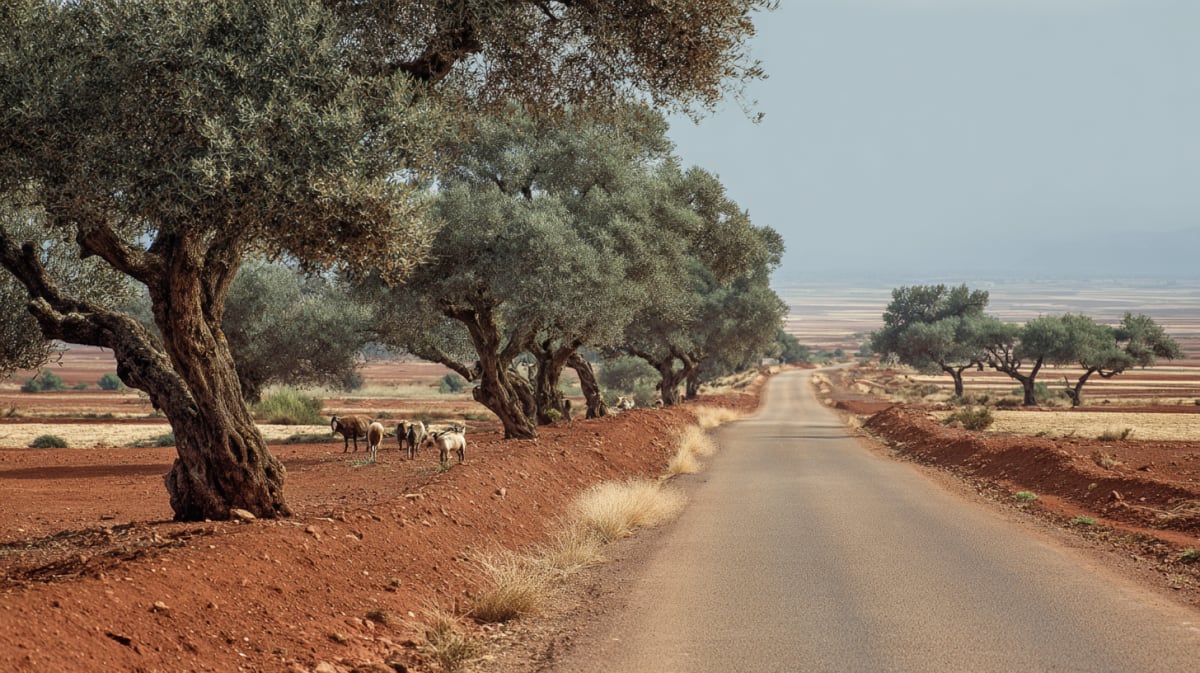
The coast releases you slowly. Fishing boats shrink in the mirror as the road turns inland, climbing through argan groves where goats perch in trees — not for tourists, just because the fruit is there and they are hungry. Women crack argan nuts at a cooperative, the oil golden and peppery when you taste it on bread. The plain opens and heat rises. The Atlas appears. Marrakech materialises as a shimmer before it becomes real — red walls, the Koutoubia, the palms. You've closed the circle. Salt is still in your hair. The wind has left your ears ringing. The city smells of orange blossom and woodsmoke and home.
Private Journeys
Plan this journey.
This route is private, and shaped around how you want to move through the country. Tell us what you're hoping to find — we'll design the trip around it.
There is more
This is just the shape of the route.
The full story — where the road changes, what the maps don't name, which detours are worth the dust — lives in the Slow Morocco letter. Written from the medina. Sent when it matters.
No frequency promises. Unsubscribe anytime.


From the Archive