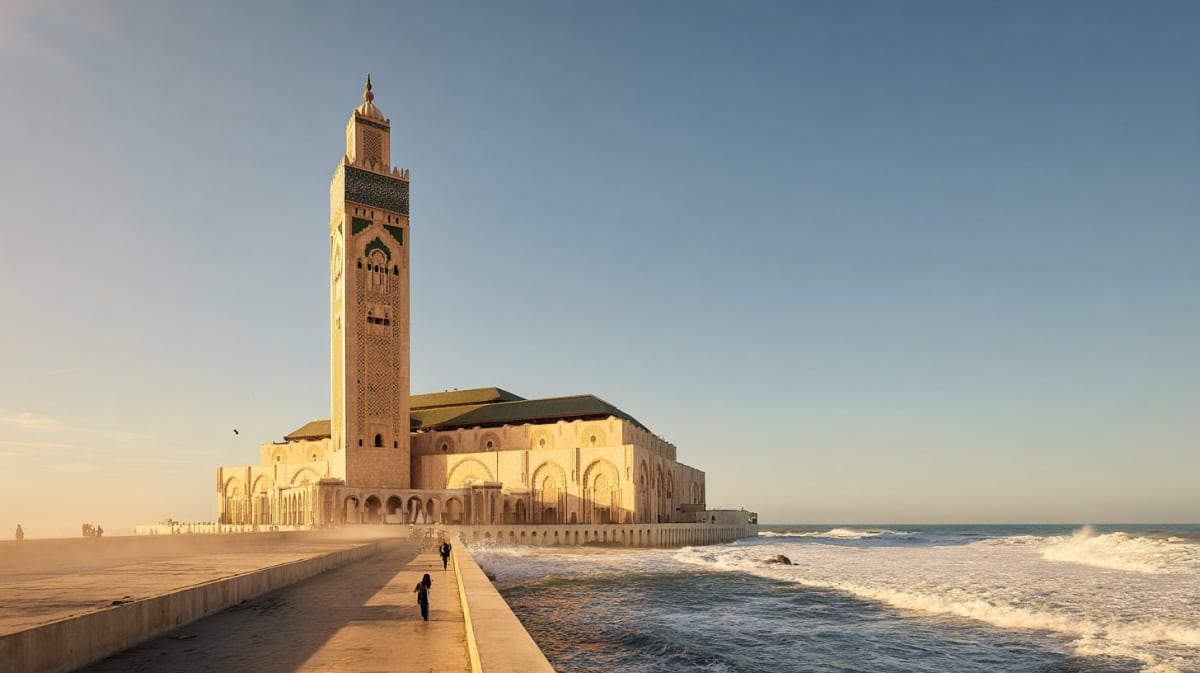
Hassan II Mosque
Hours
Tours: Sat-Thu 9am 10am 11am 2pm
Entry
130 MAD
Duration
75 minutes
Location
Boulevard de la Corniche
The third-largest mosque in the world, built over the Atlantic. The minaret rises 210 meters — the tallest religious structure anywhere, visible 30 kilometers out to sea. Non-Muslims can enter.
01
The King Who Built on Water
In 1980, Hassan II announced he wanted a mosque on the Atlantic. Not beside it — on it. The reasoning was theological: the Quran says God's throne rests upon water. The engineers said it was impossible. Hassan II hired the French architect Michel Pinseau, a man who had never designed a mosque.
Pinseau spent six years on it. The foundation required 26,000 tonnes of steel driven into the ocean floor. The retractable roof — 3,400 square metres of cedarwood — opens in five minutes, which means the prayer hall can become open-air at the push of a button. Think of the retractable roof at Wimbledon's Centre Court, then add a 210-metre minaret.
That minaret is the tallest religious structure in Africa. At night, a laser beam shoots from its summit toward Mecca, visible 30 kilometres out to sea. The construction employed 10,000 workers in shifts around the clock for seven years. It cost an estimated $800 million, financed partly by public donation — some voluntary, some less so.
The mosque opened in 1993. Hassan II attended the first prayer but died six years later, in 1999. He is not buried here. His mausoleum is in Rabat.
02
The Numbers
The prayer hall holds 25,000 worshippers. The esplanade outside holds 80,000 more. The floor is heated — 120 kilometres of underfloor piping — because the Atlantic pushes cold through the foundation. Fifty-seven tonnes of Italian white granite line the floors. The cedarwork, zellige tilework, and carved plaster were done by 6,000 traditional artisans brought from across Morocco.
The hammam downstairs is the largest in Morocco. It was intended as a public bathhouse, functioning, part of the complex. The ablution hall uses 1,200 taps. The chandeliers — 50 of them, Murano glass — were shipped from Venice.
Here is the thing most guides won't mention: the mosque was built on a site that was previously a public swimming pool called the Piscine Municipale. Casablancais of a certain age remember swimming there as children.
03
Visiting
This is one of the only functioning mosques in Morocco open to non-Muslims. That fact alone makes it essential. Guided tours run in multiple languages and last about an hour. They cover the prayer hall, the ablution rooms, and the hammam level.
The tours are managed, not wandering — you go with a group and a guide, which means you cannot linger. Photography is allowed inside, which is rare for Moroccan mosques. The exterior esplanade is open anytime and is where Casablancais walk in the evenings. The best light hits the minaret at sunset, when the white granite goes amber.
Friday is prayer day. Tours do not run during prayer times. Dress modestly — covered shoulders and knees, shoes removed inside. The marble floors are cold, even in summer.
Best Time to Visit
Morning for smaller tour groups. Sunset for the esplanade — the minaret catches the last light off the Atlantic. Avoid midday in summer when the marble reflects brutal heat.
Getting There
The mosque sits on the Casablanca corniche, at the end of Boulevard Sidi Mohammed Ben Abdallah. A petit taxi from Casa Voyageurs train station costs about 20-30 MAD. From the old medina, it is a 15-minute walk north along the coast.
Local Tip
One of the two mosques open to non-Muslims.
Common Questions
Yes. It is one of only two mosques in Morocco open to non-Muslims (the other is the Tin Mal Mosque in the High Atlas, which is partly ruined). Guided tours operate daily except during prayer times.
Approximately one hour. Tours are available in Arabic, French, English, German, and Spanish. You cannot visit independently — all access is through the guided tour.
Morning tours have smaller groups. The exterior esplanade is best at sunset. Friday tours are limited due to congregational prayers.
130 MAD for adults, 50 MAD for children. Prices may change — check at the ticket office on the esplanade.
The hammam beneath the mosque is included in the tour route but does not function as a public bathhouse for tourists. You see it, you do not use it.
Walking Distance
Nearby

The Hassan II Mosque is a stop we time for late afternoon, when the ocean light hits the zellige. The guided tour is the only way inside — we arrange it.
Plan a private journey →Explore More
Related Stories
Discover the history and culture of Casablanca
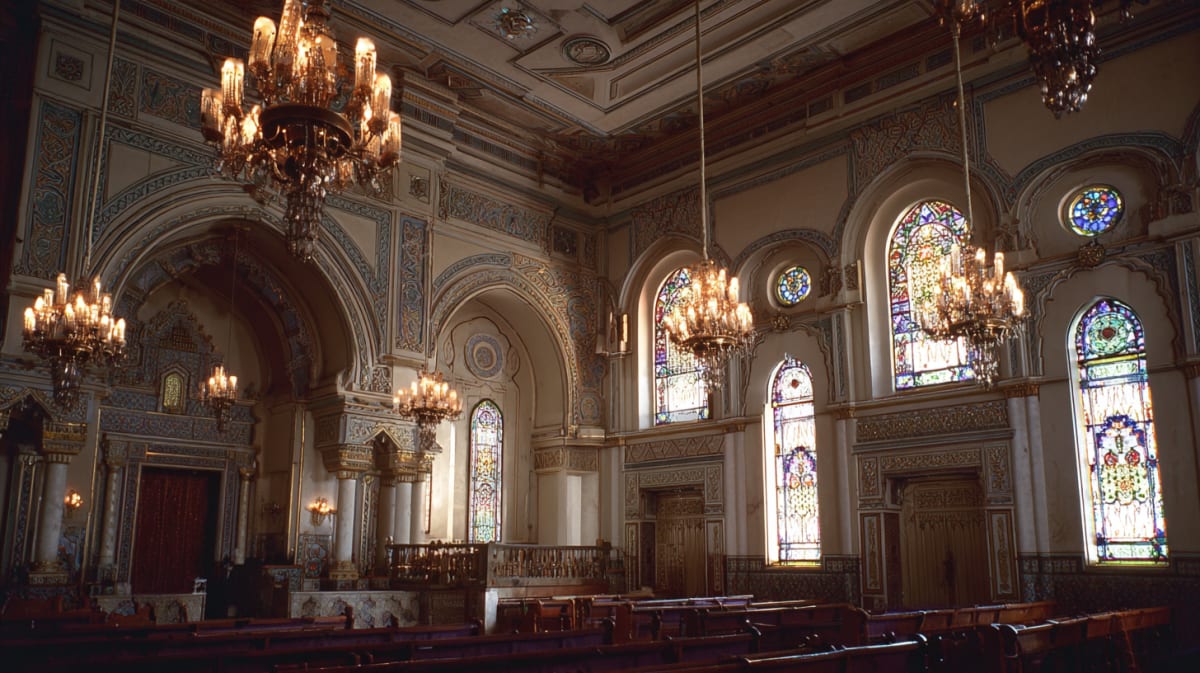
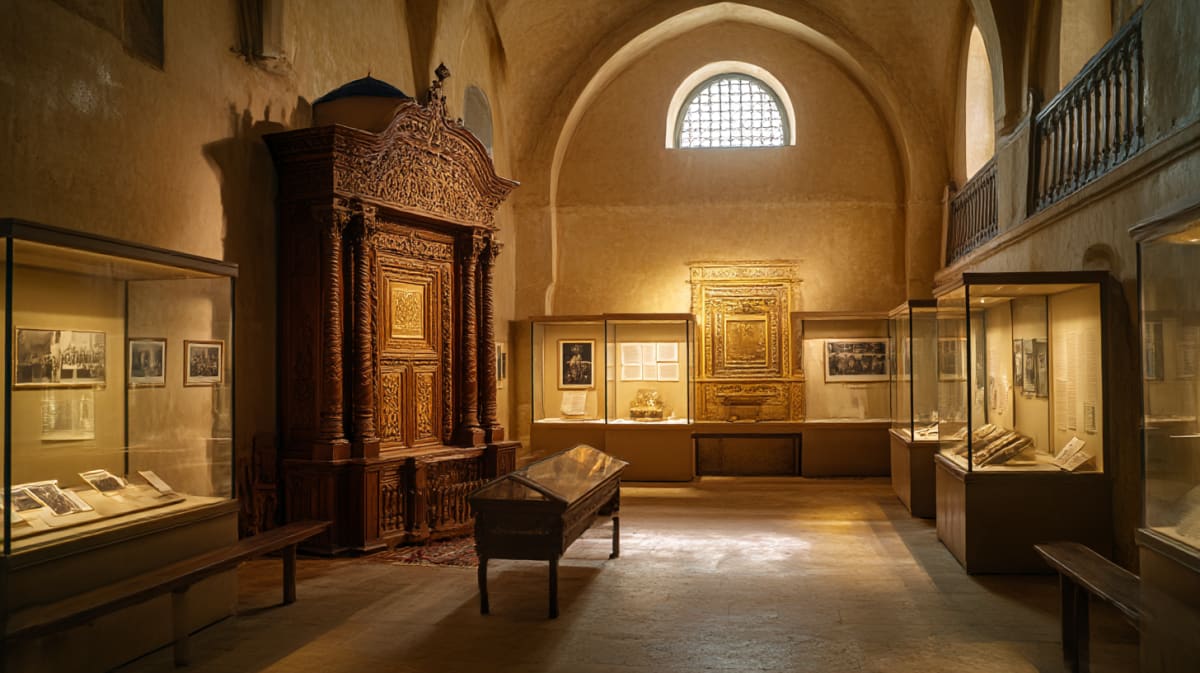

Explore More
Multi-day journeys featuring this place
Curated routes that pass through Casablanca
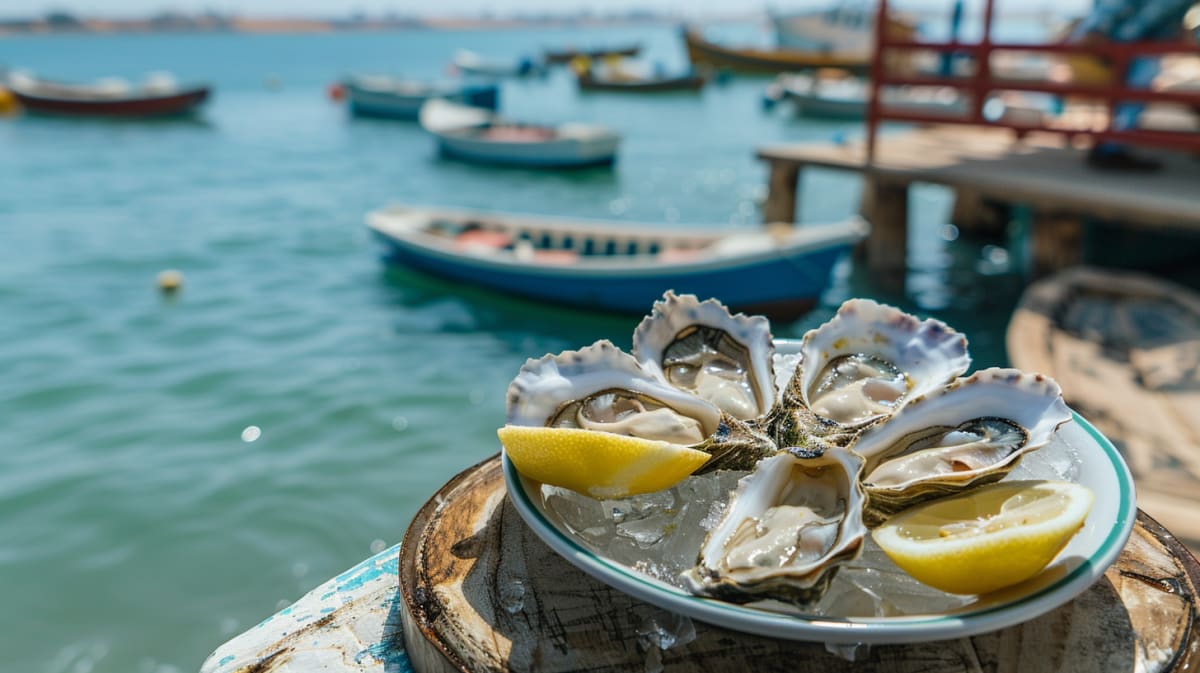
4 Days
Oualidia Oysters & Lagoon
A lagoon between Casablanca and Essaouira produces the only oysters in Morocco. Four days of birds, salt marshes, and a kitchen that knows what to do with both.
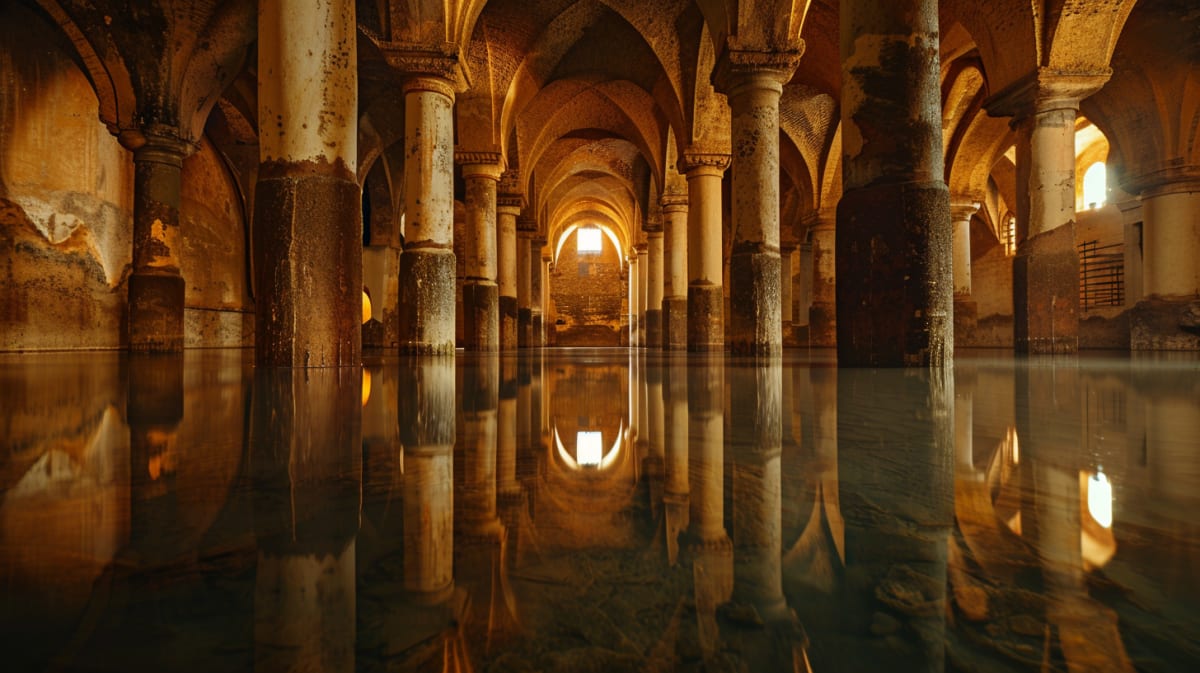
4 Days
Portuguese Coast
El Jadida, Mazagan, and the fortresses Portugal left in Morocco's stone — the empire sailed away but the architecture refused to follow.

5 Days
Contemporary Art Morocco
MACMA, whitewashed galleries, and the young Moroccan artists rewriting their country's visual language — while nobody outside is paying attention yet.
Sources: Fondation de la Mosquée Hassan II official documentation;;UNESCO Tentative List