4 Days
Portuguese Coast
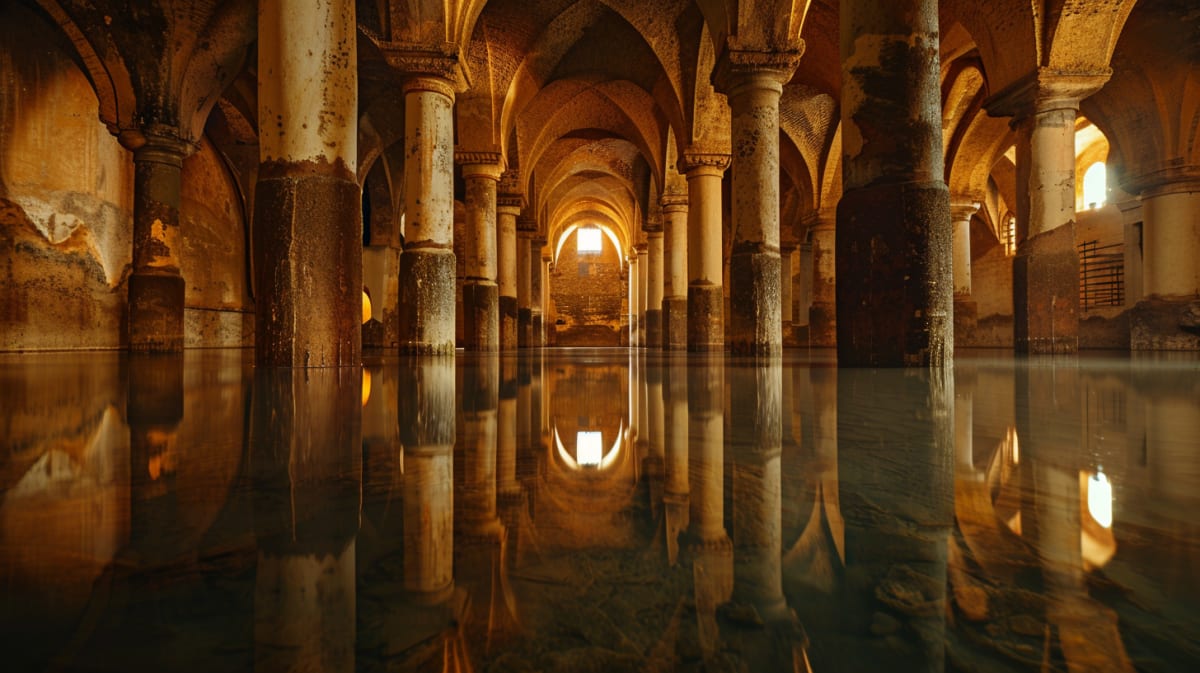
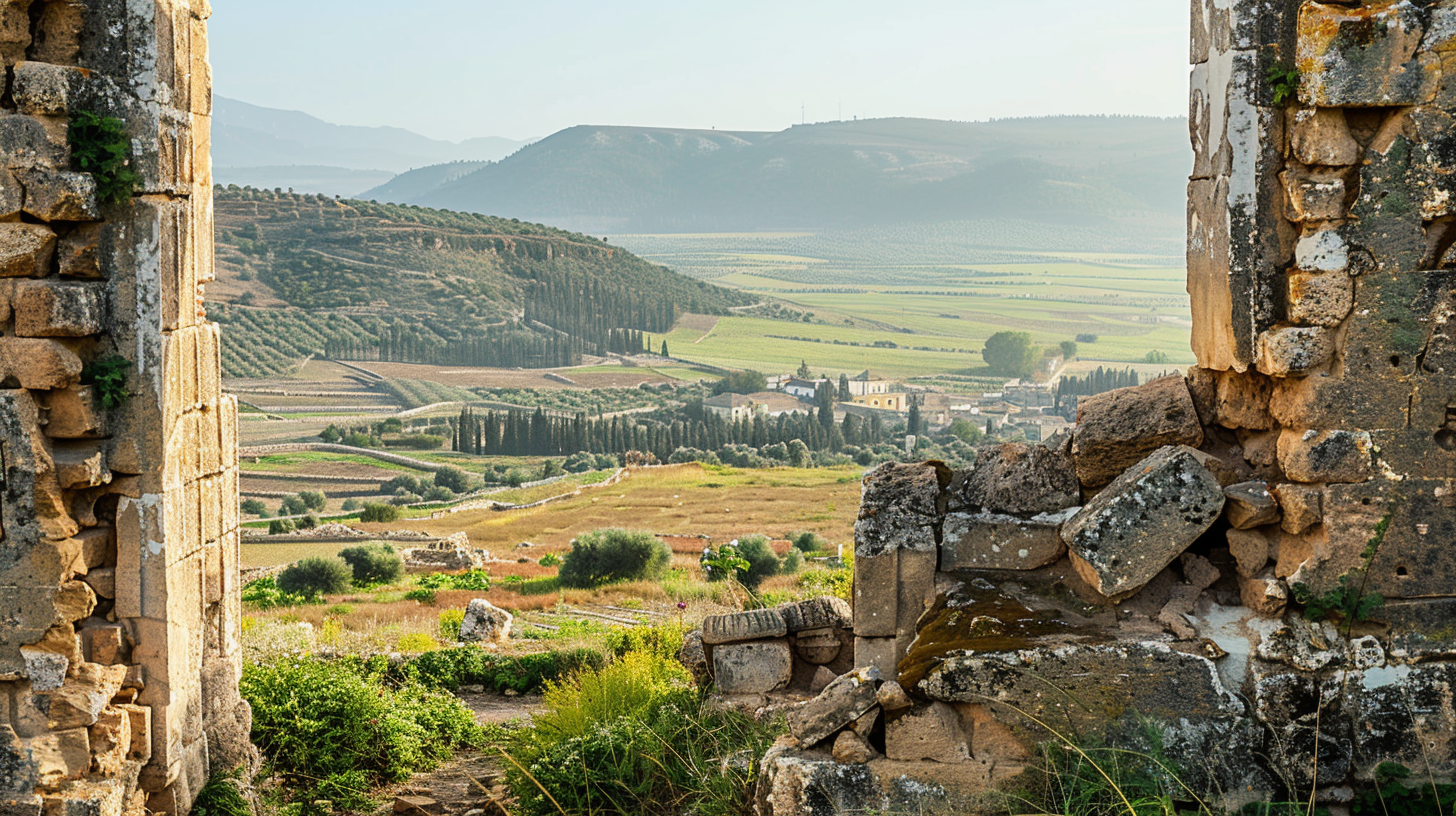
Before Morocco, there was Portugal — at least along this coast. El Jadida's ramparts still carry the scars of siege, the stone pocked and stubborn and not interested in forgetting. Inside the walls, the cistern holds water under vaulted stone — a cathedral underground, the light falling through a hole in the ceiling onto a mirror-still pool, your footsteps echoing off architecture built to survive starvation and centuries and Orson Welles, who filmed here and whose camera understood the space better than most human eyes do. The medina above speaks Portuguese in its bones — the proportions, the doorways, the sense of a civilisation that built to last and then left. Why did they leave? That is a question the stone asks every visitor and no visitor has answered satisfactorily. Four days on the coast where two empires met and the stone remembers both.

Day 1
El Jadida
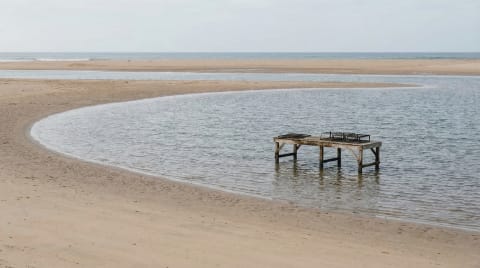
South along the coast. Casablanca's concrete thins and the road finds the Atlantic — grey-green water, fishing boats, the smell of salt and diesel. El Jadida appears behind Portuguese ramparts that have held since the sixteenth century. Inside the walls, the cistern waits — a cathedral of stone and water, light falling through a ceiling hole onto a mirror-still pool. Orson Welles filmed here and you understand why. The acoustics turn a whisper into something sacred. Above ground, the medina speaks Portuguese in its bones. The fish restaurants face the sea.

Day 2
Marrakech
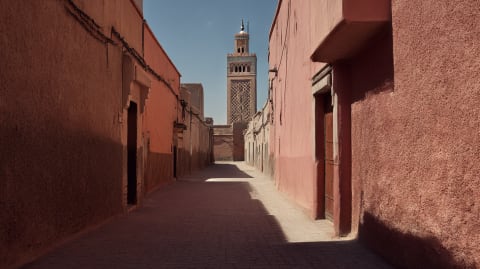
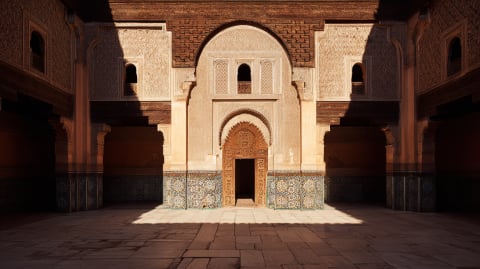
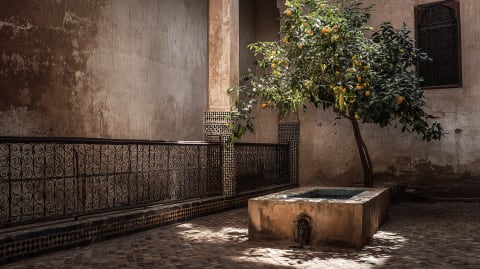
East through the plains. El Jadida's Portuguese ghosts fade as the road finds the interior — the cistern's echo, the rampart's salt wind, all behind you now. The landscape opens into farmland, flat and hot, the kind of drive where the mind empties and the body rests. The Atlas grows on the horizon with every kilometre — from suggestion to certainty to the mountain wall that Marrakech leans against. The red city appears in the afternoon haze, shimmering before it solidifies. The smell of tagine and orange blossom reaches you before the city walls do.
Private Journeys
Plan this journey.
This route is private, and shaped around how you want to move through the country. Tell us what you're hoping to find — we'll design the trip around it.
There is more
This is just the shape of the route.
The full story — where the road changes, what the maps don't name, which detours are worth the dust — lives in the Slow Morocco letter. Written from the medina. Sent when it matters.
No frequency promises. Unsubscribe anytime.



From the Archive