Ben Youssef Madrasa
Hours
Daily 9:00–19:00. Ramadan: 9:00–17:00.
Entry
50 MAD (foreigners). 20 MAD (Moroccan residents). 10 MAD (children under 12). Cash only.
Duration
60 minutes
Location
Kaat Benahid, Medina
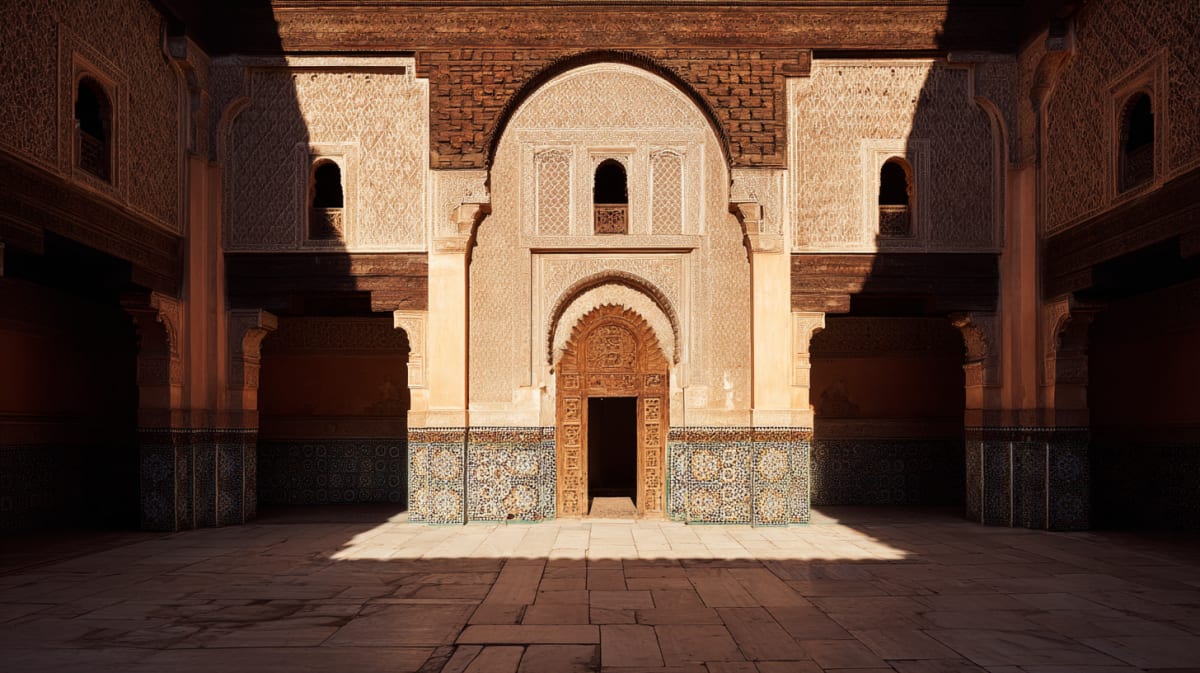
For 400 years, 900 scholars lived in 130 cells around this courtyard, dedicated to theology and Islamic law. The students are gone; the carved cedar and zellige remain.
01
History
The Ben Youssef Medersa was the largest Islamic college in Morocco and one of the largest in North Africa. At its peak, it housed up to 900 students in 130 dormitory cells arranged around a central courtyard.
The medersa was founded in the 14th century under the Marinid dynasty, but the building you see today dates from a complete reconstruction in 1564–1565 under the Saadian sultan Abdallah al-Ghalib. It is named after the Almoravid sultan Ali ibn Youssef, who built the adjacent mosque in the 12th century.
For nearly 400 years, students came from across the Maghreb to study Islamic theology, law, grammar, rhetoric, logic, and mathematics. The curriculum was rigorous. Students lived in tiny cells — some no larger than 2 metres by 1.5 metres — for years at a time, studying by candlelight.
The medersa remained a functioning theological college until 1960. It was then closed and underwent a decade-long restoration before opening as a historical monument. A major renovation completed in 2022 restored much of the carved plaster, zellige tilework, and cedarwood to its original condition.
02
Architecture & Design
The entrance is deliberately modest — a narrow corridor leading to a sudden reveal. You pass from the claustrophobia of the medina into one of the most perfectly proportioned courtyards in Morocco.
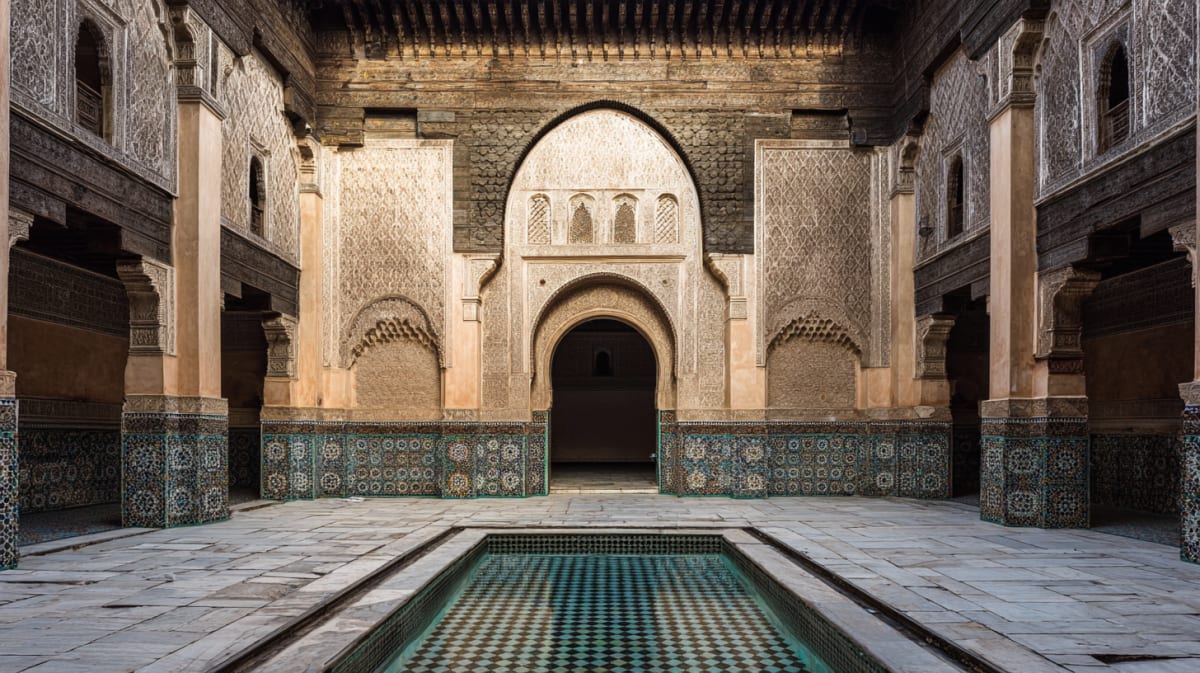
The central courtyard is paved with Carrara marble and centred on a large ablution basin. The proportions — the height of the walls relative to the width of the space — create a quality of enclosed silence that is immediately palpable.
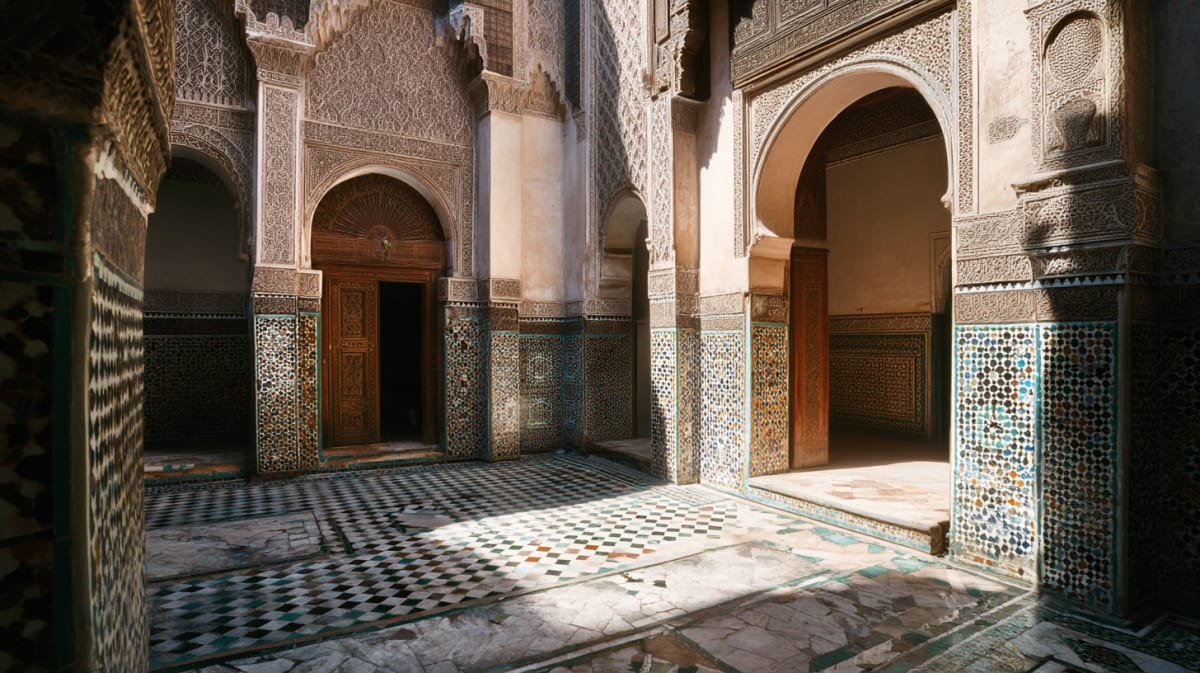
Every surface is decorated. The lower walls are covered in zellige mosaic tilework — geometric patterns in green, white, black, and honey. Above the zellige, carved stucco extends to the ceiling in patterns of extraordinary intricacy: arabesques, calligraphy, and floral motifs. The cedarwood eaves and lintels are carved and painted.
The prayer hall (accessed through the far arch) contains a mihrab flanked by marble columns. The muqarnas dome above the mihrab is one of the finest in Marrakech.
The upper floors contain the student dormitory cells. Each cell is barely large enough for a sleeping mat and a desk. Some have small windows overlooking the courtyard. The contrast between the lavish public spaces below and the austere cells above tells you everything about the institution's priorities: knowledge, not comfort.
The inscription above the entrance reads: 'You who enter my door, may your highest hopes be exceeded.'
03
Visiting
Allow 45–60 minutes. The medersa is compact but dense — every surface rewards close attention.
Start in the courtyard. Let your eyes adjust to the layering: zellige at ground level, carved stucco above, cedarwood at the top, sky overhead. Then explore the ground-floor galleries, the prayer hall, and climb to the upper floors to see the student cells.
The cells are the most atmospheric element. Step inside one and imagine: years of study in a room smaller than a modern bathroom. Some cells have windows; many don't.
After the 2022 restoration, the carved surfaces are crisper and more colourful than they have been in decades. The zellige in particular is vivid.
Photography is permitted. The best shot is from the upper gallery looking down into the courtyard — the geometry of the marble basin framed by the decorated walls.
Combine with the Almoravid Koubba (50 metres away) — the only surviving Almoravid structure in Marrakech, dating to 1117 — and the Marrakech Museum next door.
Best Time to Visit
Opening time (9am) or late afternoon. The central courtyard is most photogenic when morning light hits the marble basin. The upper-floor student cells are atmospheric at any time — they are small and dark regardless of hour.
Getting There
In the northern medina, near the Marrakech Museum and Almoravid Koubba. From Jemaa el-Fna, walk north through the souks — 15–20 minutes. Follow signs for 'Musee de Marrakech' or 'Medersa Ben Youssef.' A petit taxi can drop you at Bab Taghzout or Bab Debbagh, both a 5-minute walk.
Local Tip
Currently under restoration - check before visiting
Common Questions
50 MAD for international visitors, 20 MAD for Moroccan residents, 10 MAD for children under 12. Cash only.
Daily 9:00am to 7:00pm. During Ramadan: 9:00am to 5:00pm.
45 to 60 minutes. The building is compact but richly decorated — every surface has carved plaster, zellige tilework, or painted cedarwood.
No. It functioned as an Islamic theological college until 1960, housing up to 900 students in 130 cells. It is now a historical monument open to visitors.
The Arabic inscription reads: 'You who enter my door, may your highest hopes be exceeded.' It is an invocation for students beginning their studies.
Ben Youssef is the building that makes people go quiet. We time it for mid-morning when the light fills the courtyard and the crowds haven't yet.
Plan a private journey →Explore More
Related Stories
Discover the history and culture of Marrakech

Explore More
Multi-day journeys featuring this place
Curated routes that pass through Marrakech
3 Days
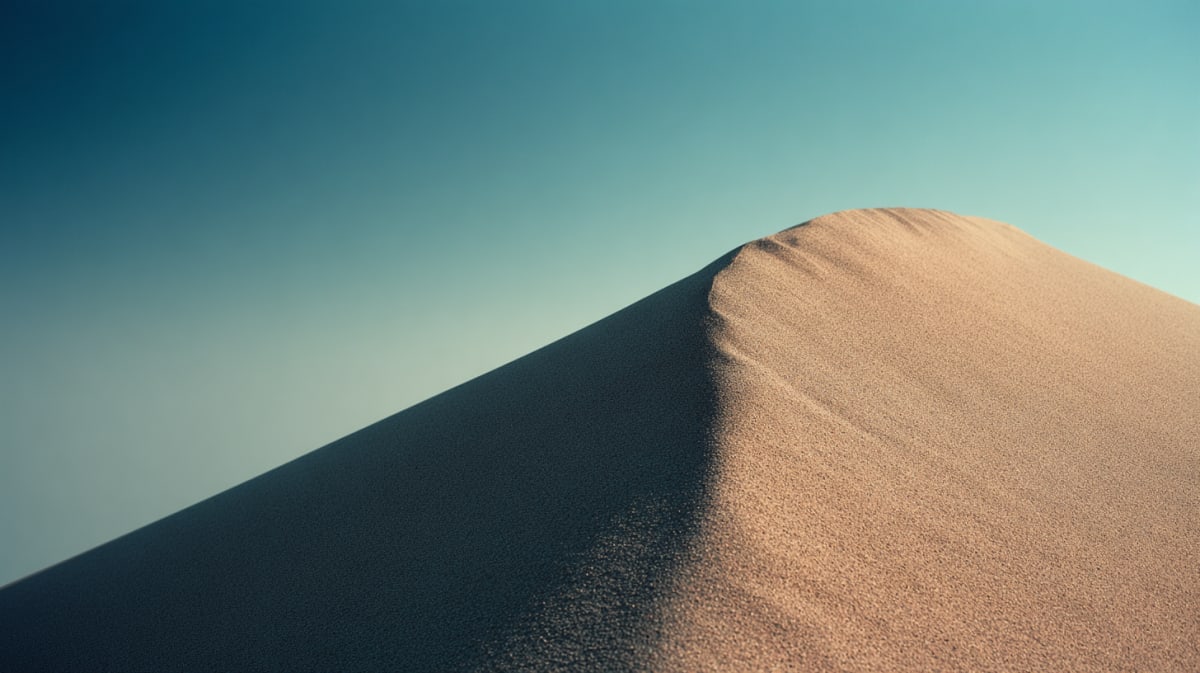
3-Day Sahara Circle
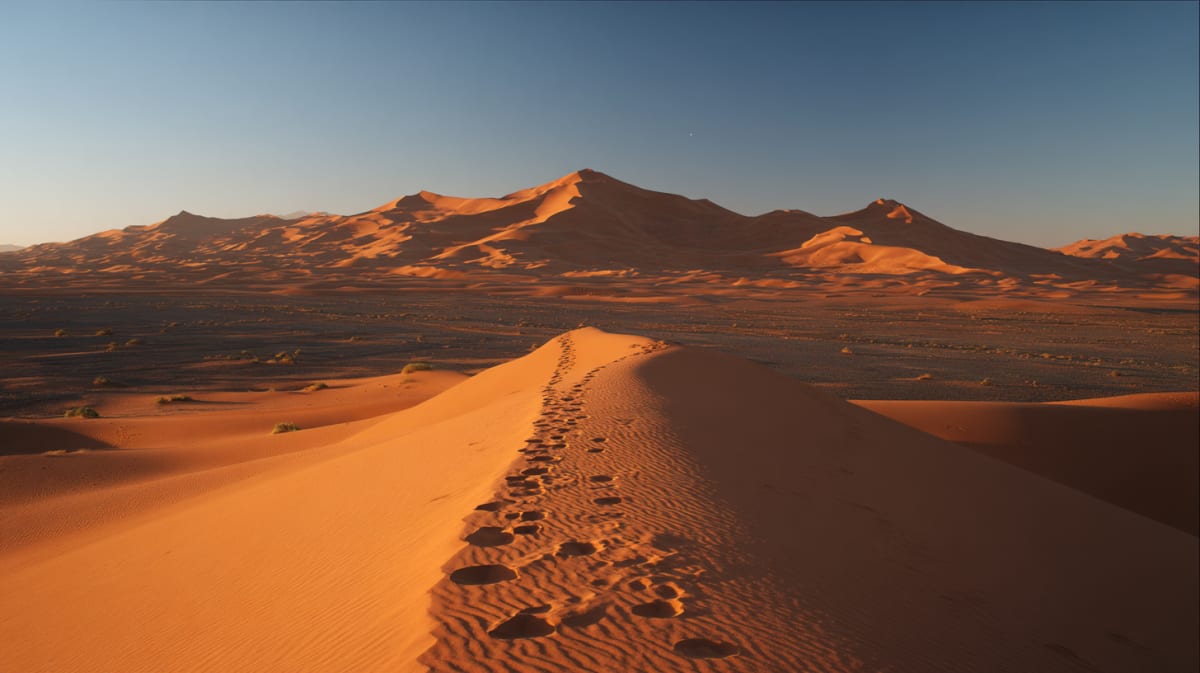
Mountains to sand and back. Stars so dense they press against your chest — and a silence that rewrites what you thought quiet meant.
3 Days
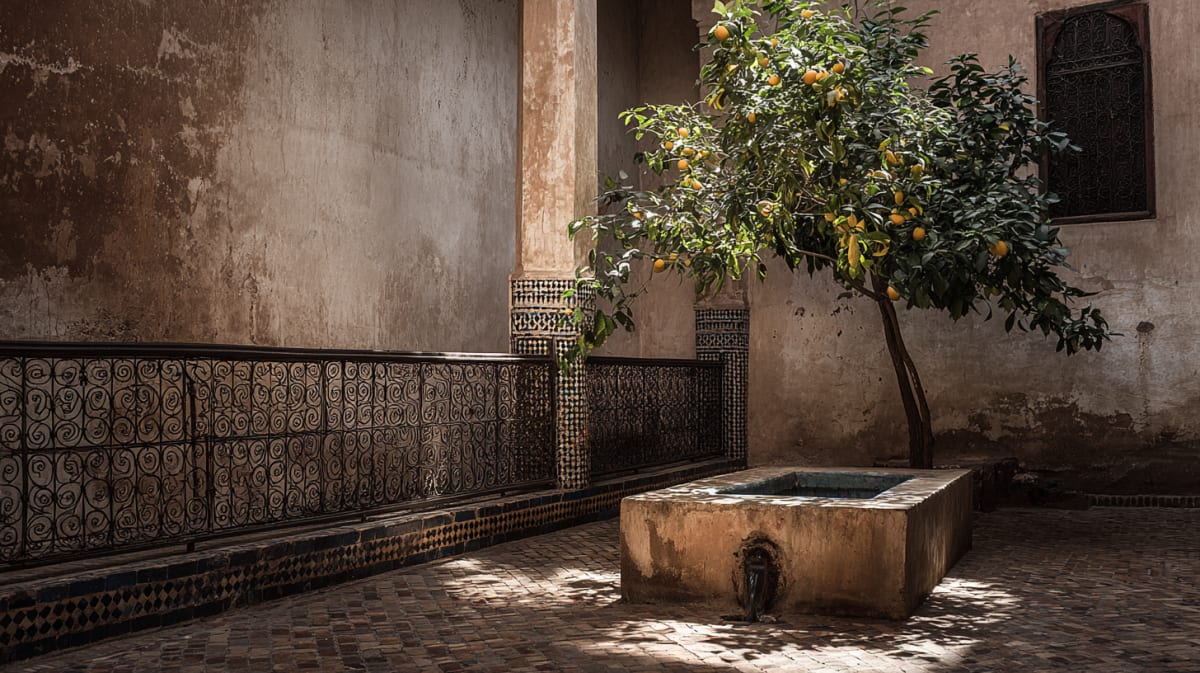
Marrakech City Break
Three days to learn a medina's rhythm — souks at dawn, hidden gardens at noon, the square becoming a theatre at dusk.
4 Days
Marrakech to Fes
The classic — red city to medieval labyrinth via the Sahara. The corridor that defines Moroccan travel.
Sources: Parker R. (1981) A Practical Guide to Islamic Monuments in Morocco;;UNESCO Marrakech nomination file (1985)