6 Days
Morocco Wellness Retreat
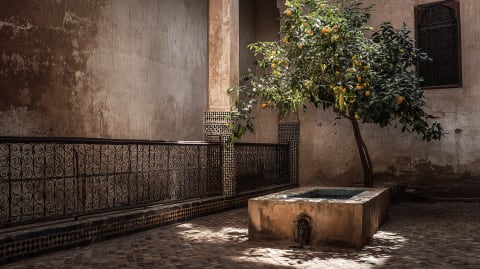
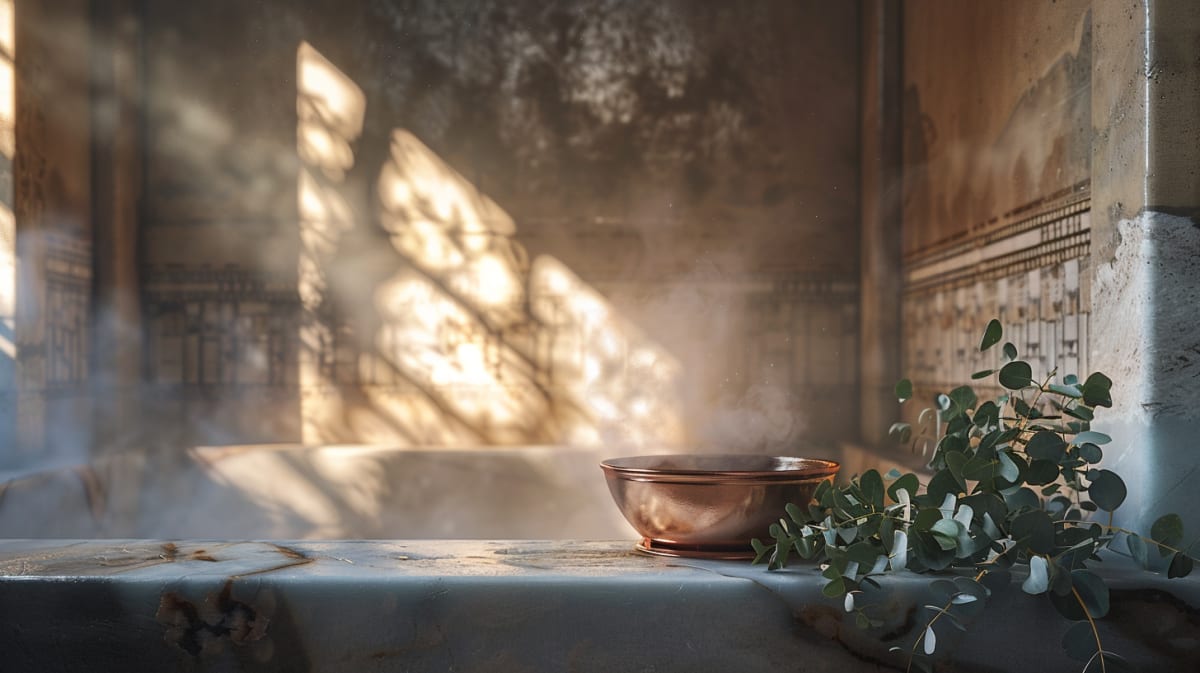
The hammam is Morocco's original spa — steam thick enough to disappear into, black soap worked into your skin until layers of tension surface and wash away down the warm stone. The kessa glove removes things you didn't know you were carrying, which is either exfoliation or metaphor, and in a hammam the distinction doesn't matter. Add yoga on a riad rooftop where the Atlas catches the morning light and the only sound is birdsong and your own breathing. Mountain air in the Ourika Valley where the river runs cold with snowmelt. Six days of slow exhale, warm stone, eucalyptus and rose water, and finally — quiet. Not the absence of noise. The presence of stillness. Morocco keeps it between the chaos, in rooms that smell of steam and olive oil and centuries of people coming here to be put back together.
Day 1
Marrakech
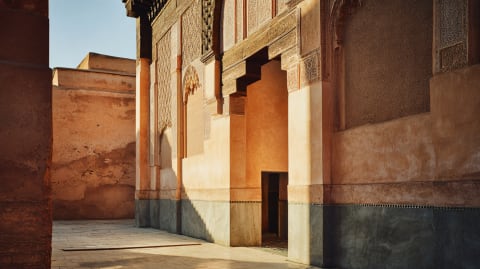
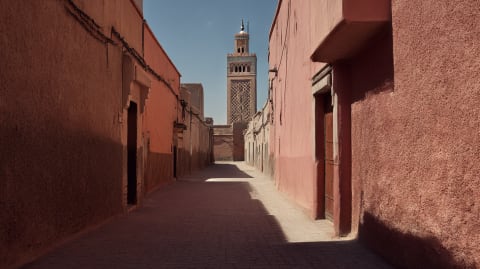
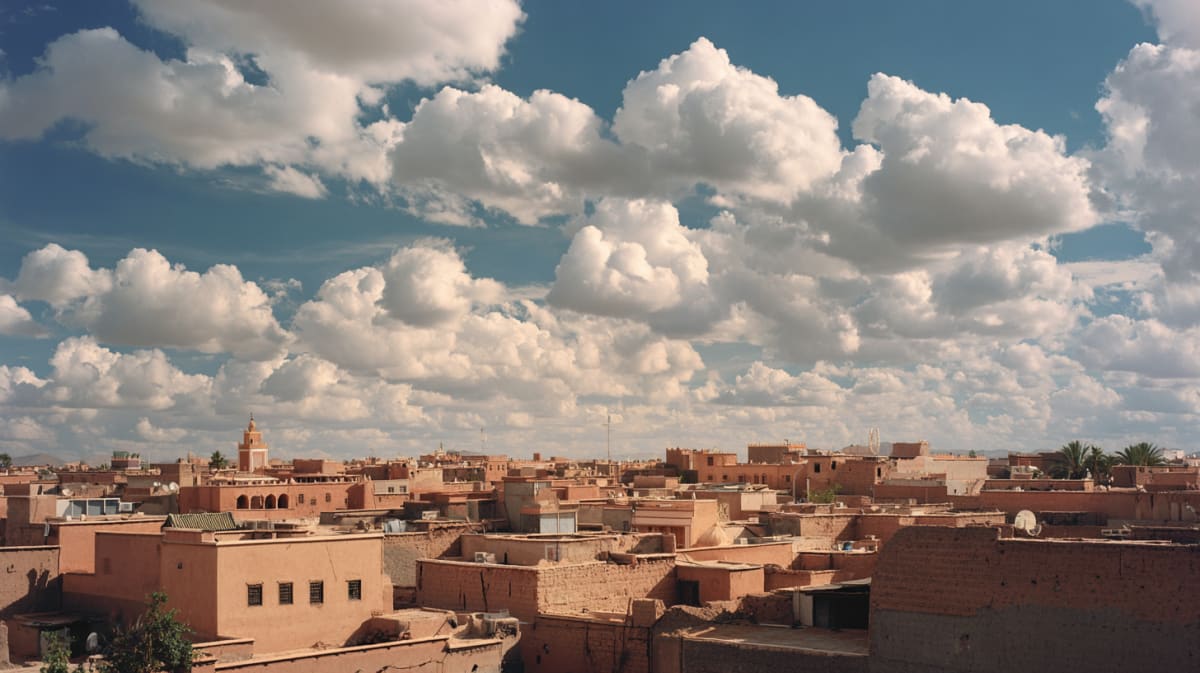
The souks spiral inward by specialty—leather, brass, carpets, spices. Each turn narrows. Bahia Palace holds its painted ceilings in afternoon shadow. The hammam strips you down to quiet. By evening, Jemaa el-Fna transforms. Smoke rises from a hundred grills. Storytellers gather crowds. The square has done this for centuries. It doesn't need your permission.
Day 2
Marrakech
The souks spiral inward by specialty—leather, brass, carpets, spices. Each turn narrows. Bahia Palace holds its painted ceilings in afternoon shadow. The hammam strips you down to quiet. By evening, Jemaa el-Fna transforms. Smoke rises from a hundred grills. Storytellers gather crowds. The square has done this for centuries. It doesn't need your permission.
Day 3
Ourika Valley
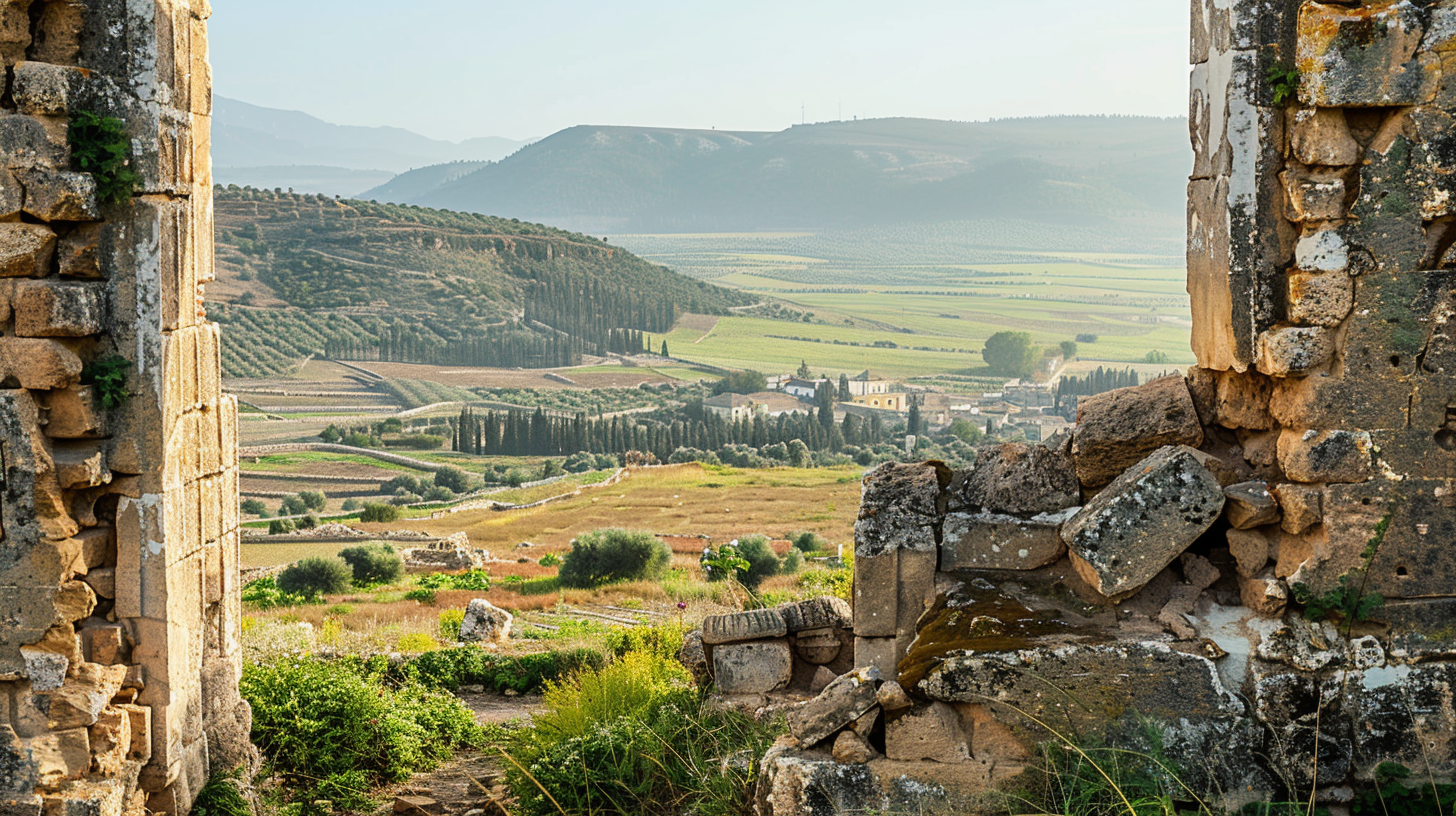
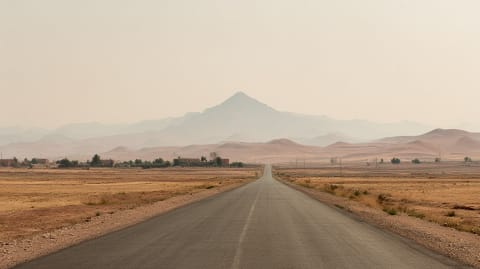
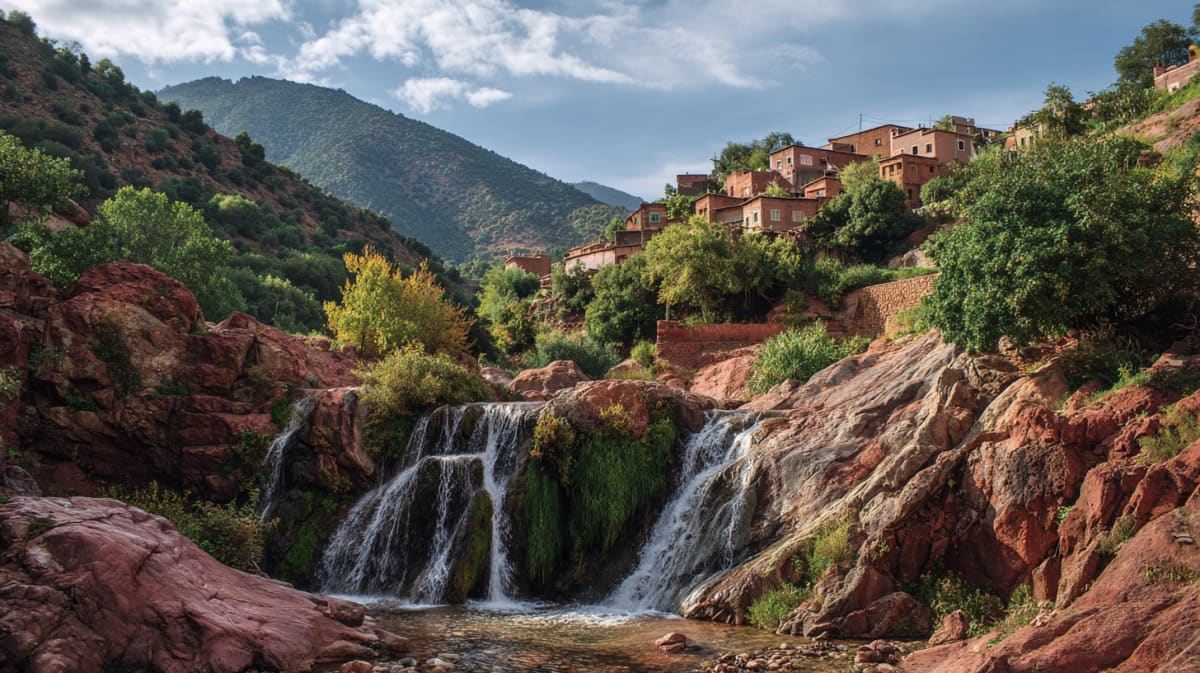
The road climbs south through the Haouz plain, red earth giving way to green as you enter the valley. The Ourika River runs year-round, fed by Atlas snowmelt, cutting through terraced gardens where Berber families grow mint and saffron. You stop at a village clinging to the hillside—stone houses, flat roofs for drying herbs, women washing wool in the river below. The air cools as you climb. A waterfall appears where the valley narrows, mist catching light. Lunch is tajine on a terrace overlooking the gorge, mint tea poured from height. By afternoon you're descending, the city emerging from haze, the call to prayer drifting up from a thousand minarets. Back in Marrakech for sunset. The mountains still visible, still pink, already somewhere you've been.
Day 4
Essaouira
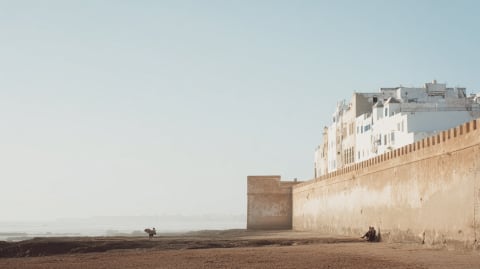
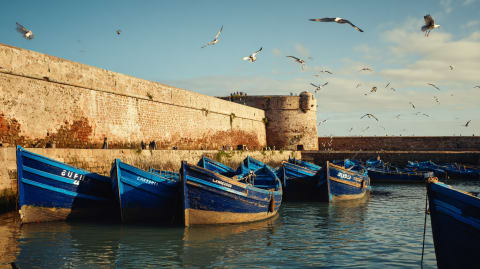
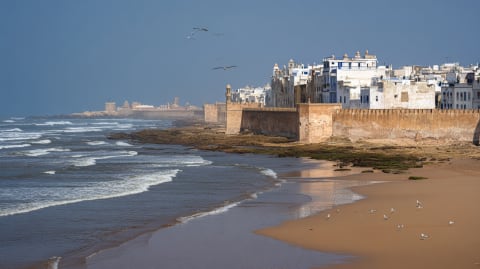
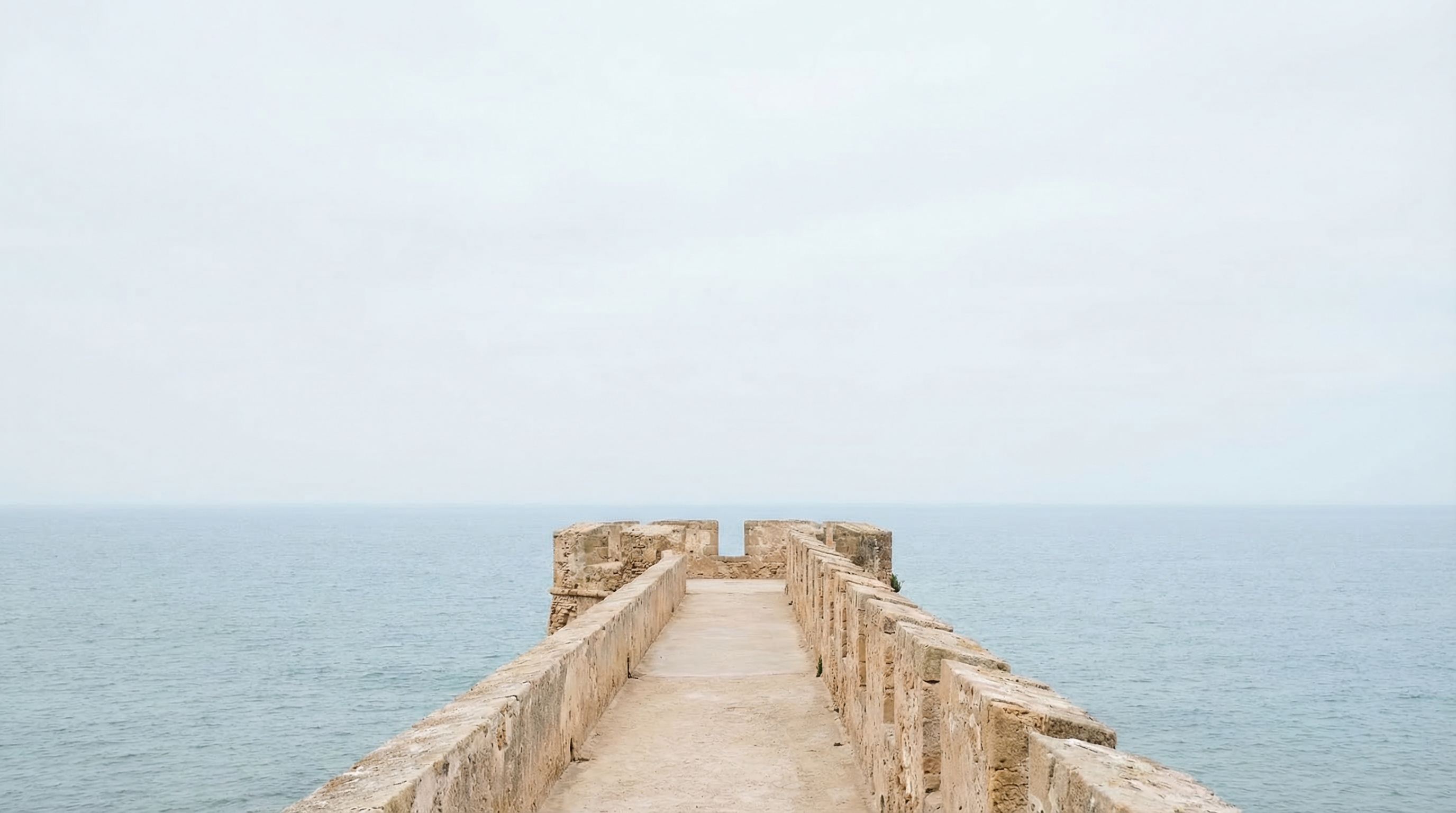
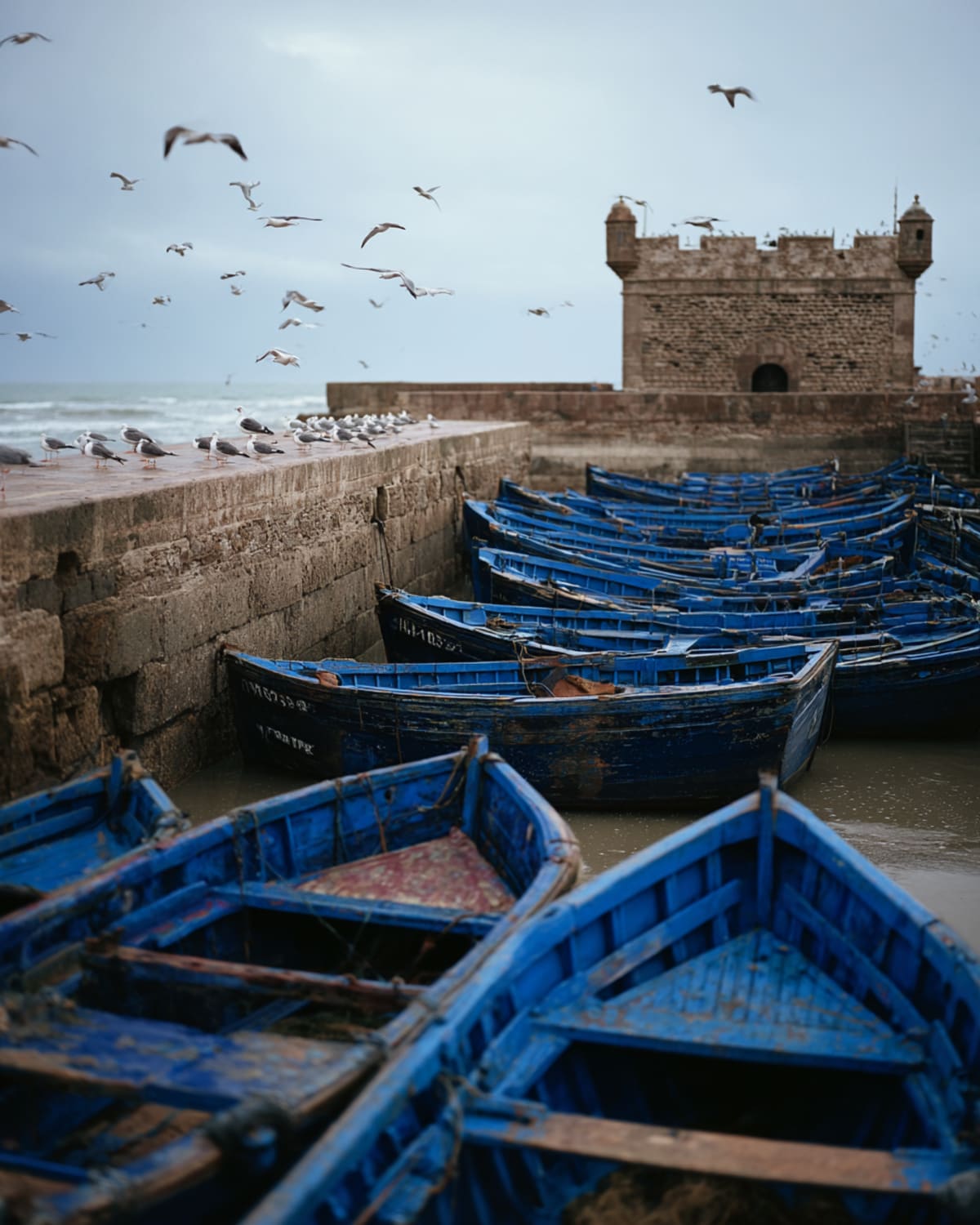
West toward water. The road flattens through argan groves where goats stand in the branches like punctuation marks against the sky. Women crack nuts at cooperatives, the oil tasting of earth and smoke when you dip bread into it. The air changes before you see the sea — salt, wind, something loosening in your shoulders you didn't know was tight. Essaouira appears white against blue. The port smells of fresh catch and rope and cedar shavings. Seagulls wheel. Shutters rattle in the alizé wind that hasn't stopped in recorded history. The city doesn't try to impress. She's busy being herself.
Day 5
Essaouira
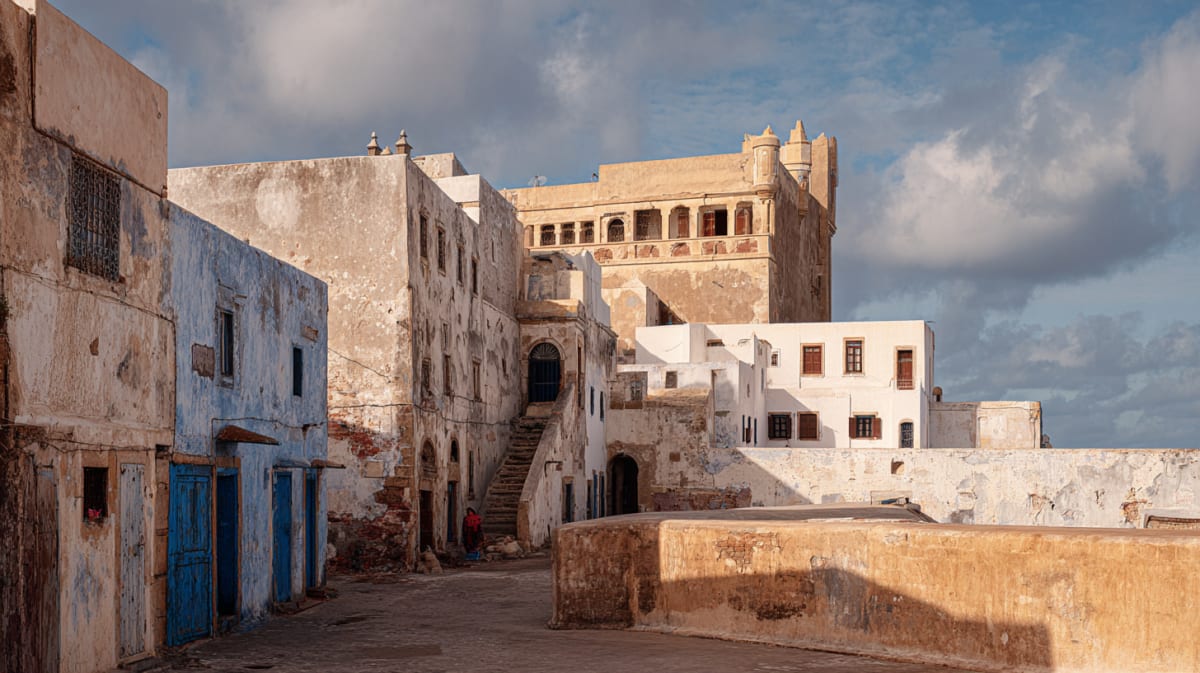
The wind never stops. That's the first thing. Essaouira moves at a different speed—artists in studios, fishermen mending nets, cats watching from ramparts. The port smells of sardines and salt. The beach stretches south toward nothing. By sunset, the walls glow gold. The Atlantic doesn't sparkle here. She pulls.
Day 6
Marrakech
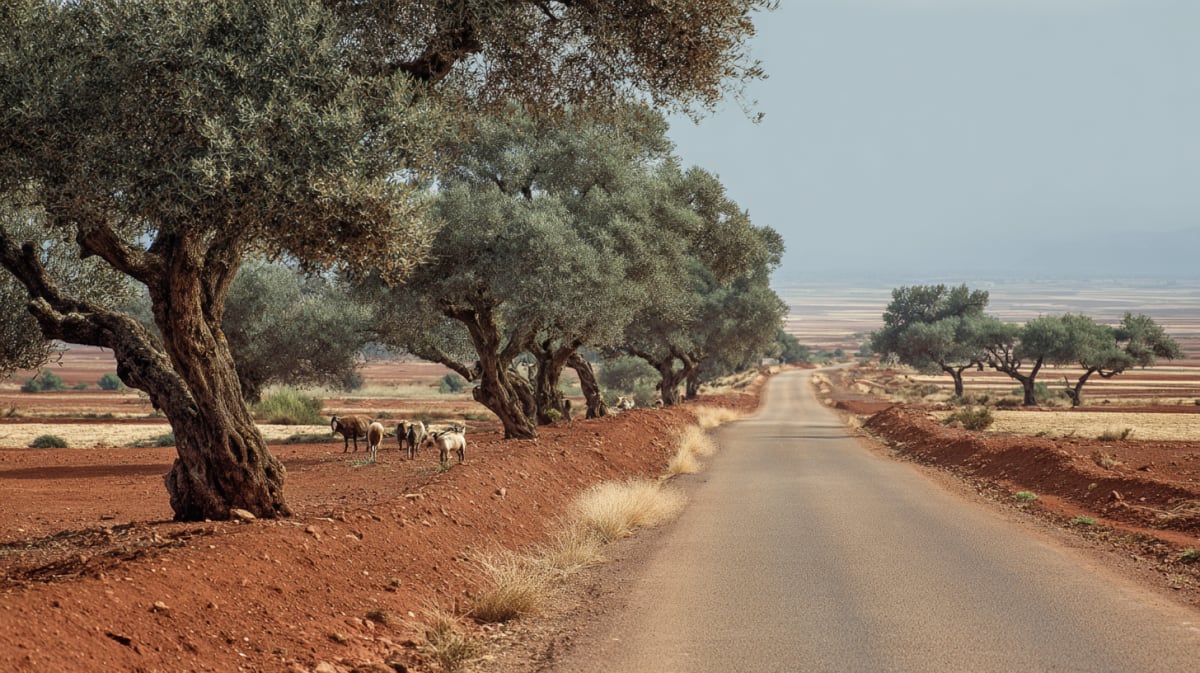
The coast releases you slowly. Fishing boats shrink in the mirror as the road turns inland, climbing through argan groves where goats perch in trees — not for tourists, just because the fruit is there and they are hungry. Women crack argan nuts at a cooperative, the oil golden and peppery when you taste it on bread. The plain opens and heat rises. The Atlas appears. Marrakech materialises as a shimmer before it becomes real — red walls, the Koutoubia, the palms. You've closed the circle. Salt is still in your hair. The wind has left your ears ringing. The city smells of orange blossom and woodsmoke and home.
Private Journeys
Plan this journey.
This route is private, and shaped around how you want to move through the country. Tell us what you're hoping to find — we'll design the trip around it.
There is more
This is just the shape of the route.
The full story — where the road changes, what the maps don't name, which detours are worth the dust — lives in the Slow Morocco letter. Written from the medina. Sent when it matters.
No frequency promises. Unsubscribe anytime.