10 Days
Morocco Textile Trail
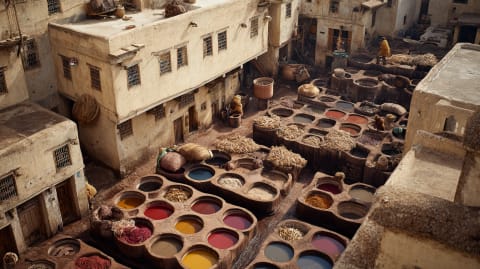
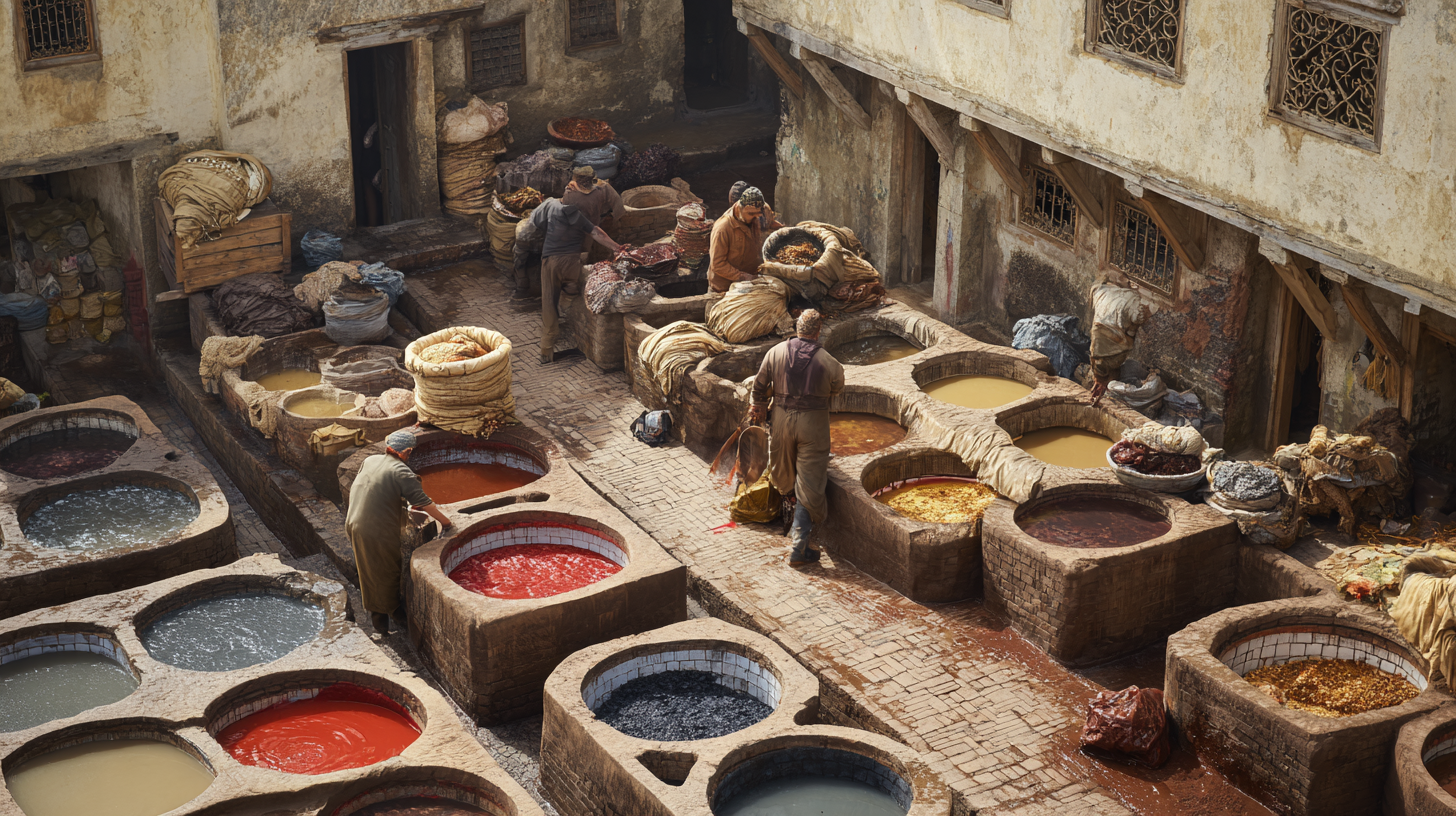
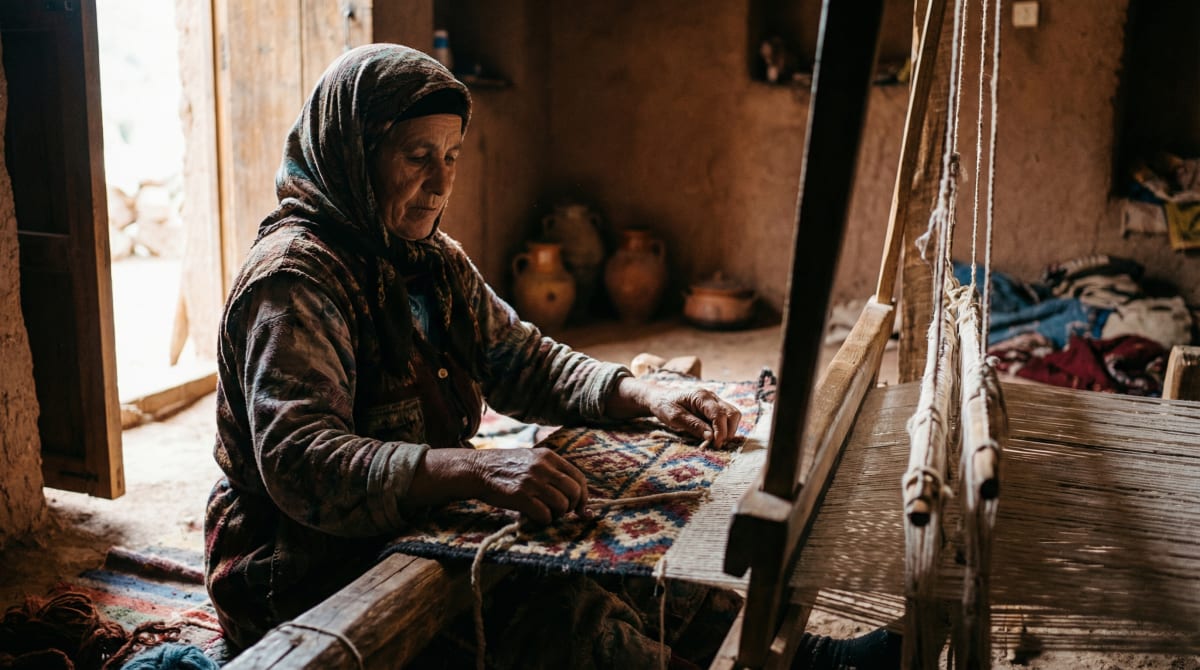
Every region weaves differently and every difference tells a story that the thread remembers even when the weaver has forgotten the words. Fes embroiders in silk and gold thread, the needles moving with a precision that makes watchmaking look crude. Marrakech trades in tribal rugs from the Atlas — abstract geometry in natural dyes, each knot tied by a woman who learned the pattern from her mother, who learned it from hers, who learned it from the mountains. Chefchaouen weaves striped blankets in blues that match the walls, which is either coordination or obsession and the town has not clarified. Taznakht's cooperatives produce the geometric carpets collectors prize — saffron yellow, pomegranate red, indigo blue, the colours pulled from plants and minerals and patience. Ten days meeting the women who weave and the traders who have sold textiles for generations. By the end, you won't look at a rug the same way. You'll read it.
Day 1
Chefchaouen
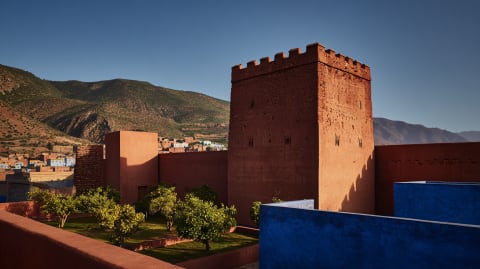
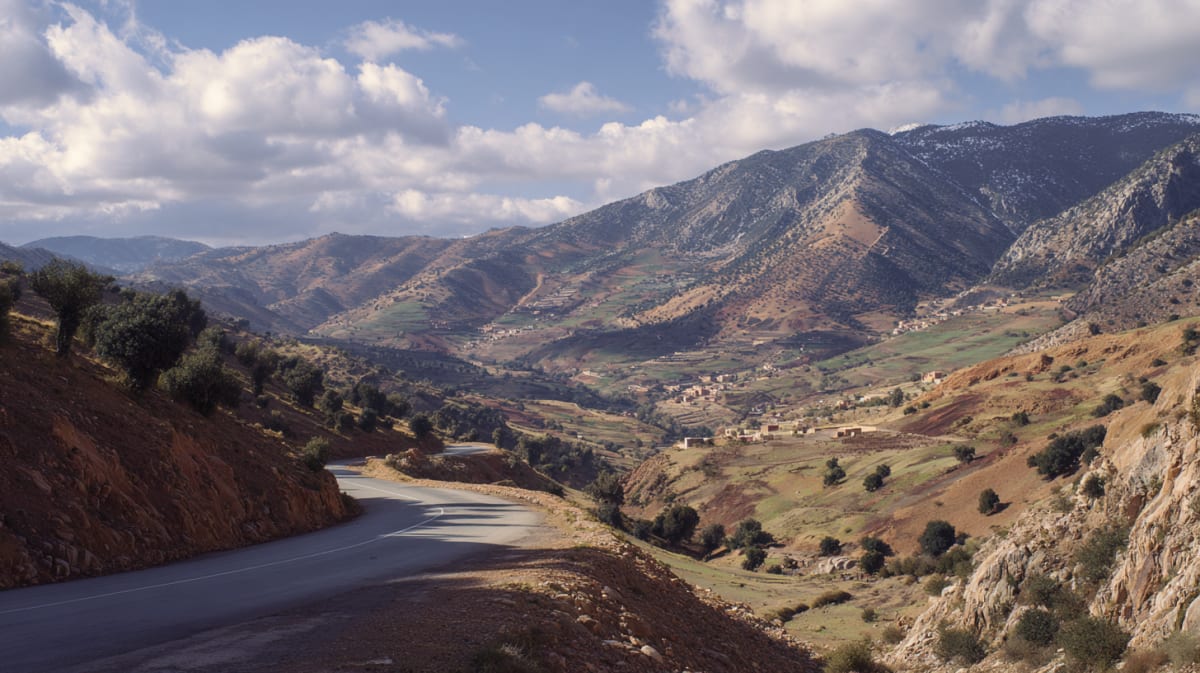
North into the Rif. The imperial flatlands give way to mountains that don't care about dynasties or centuries of scholarship — they just rise, green and indifferent. Villages appear white against the slopes, their minarets small and defiant. The road winds tighter, the air cooling, the smell of wet earth and eucalyptus replacing the medina's leather and cedar. Then Chefchaouen — blue spilling down the mountainside like someone knocked over the sky. The twin peaks watch. The paint doesn't explain itself. The first cup of tea arrives in a glass the colour of the walls. You drink the town.
Day 2
Fes
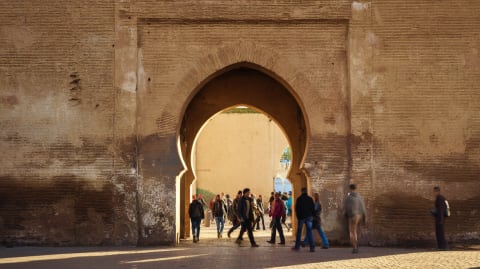
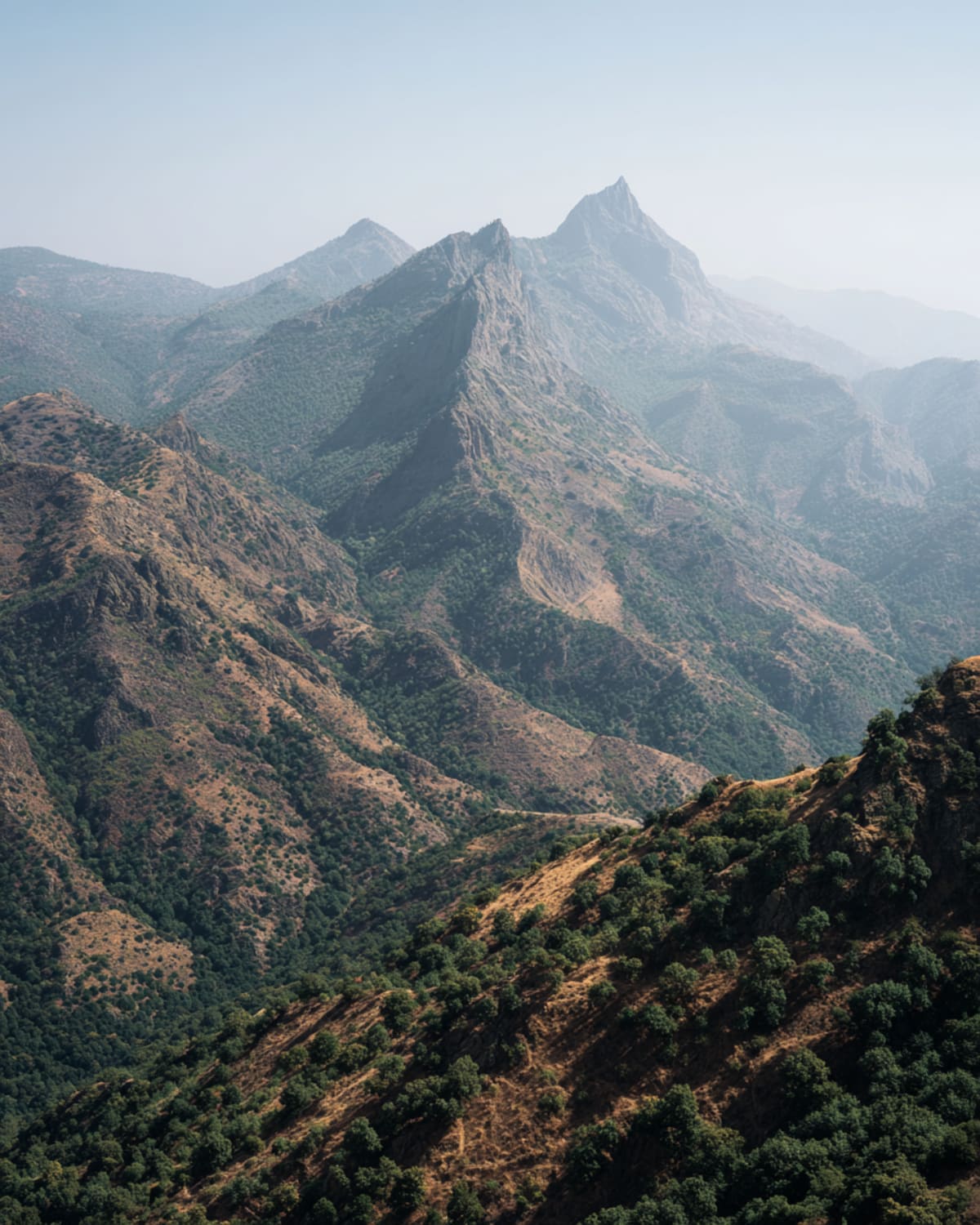
South from the blue hills. The Rif releases you in stages — blue walls fading, green slopes opening, the road finding its rhythm through olive groves and small towns where men play cards outside cafés that have served the same coffee for thirty years. The land flattens into the Saïss plain, golden and vast. Fes appears in its valley the way all great cities should — gradually, the minarets first, then the walls, then the scent of cedar and leather reaching you before you've parked. The medina awaits with its twelve centuries of accumulated intensity. You enter and the maze begins.
Day 3
Meknes
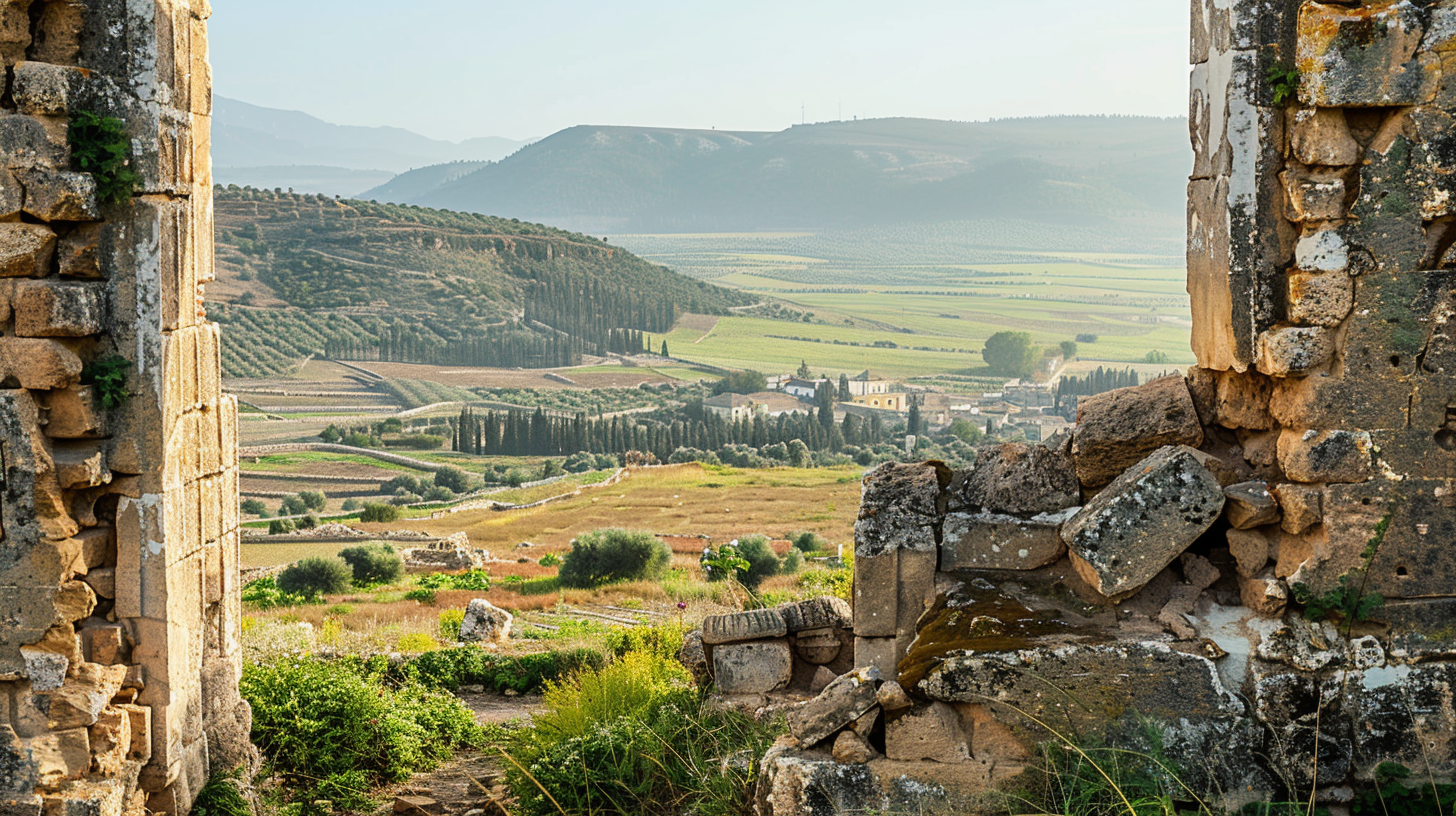
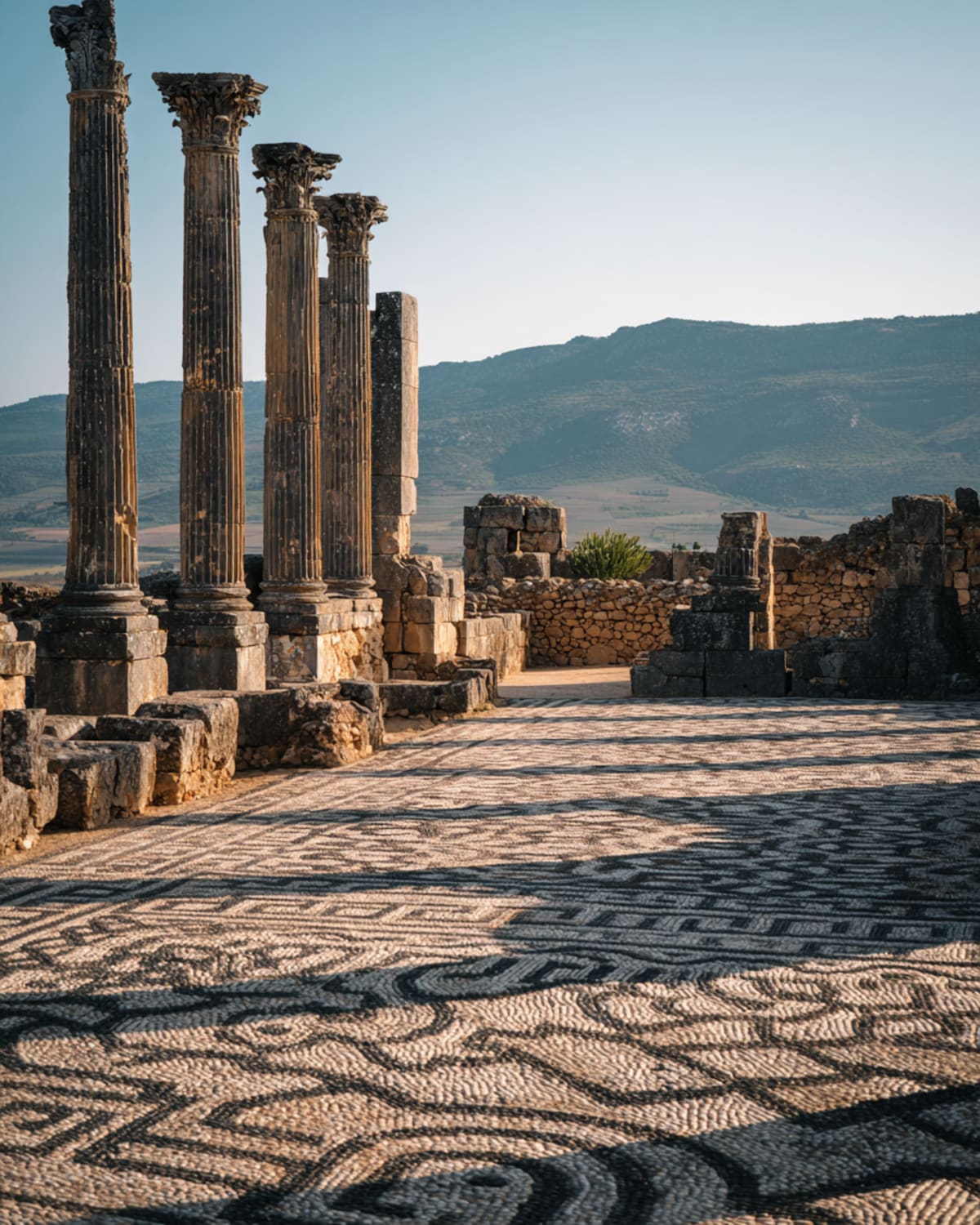
West through the Saïss. The road is short — barely an hour — but the detour changes everything. Volubilis rises from wheat fields like a dream Rome forgot to finish. Columns catch morning light. Mosaic floors lie open to the sky — Orpheus, Bacchus, acrobats and beasts, still vivid after two thousand years. Storks nest on the capitals. The silence is the kind that comes after something enormous has left. Then Meknes — Moulay Ismail's obsession, his answer to Versailles. Bab Mansour's tilework glints. The granaries stretch dark and cool. Two empires in one afternoon.
Day 4
Rabat
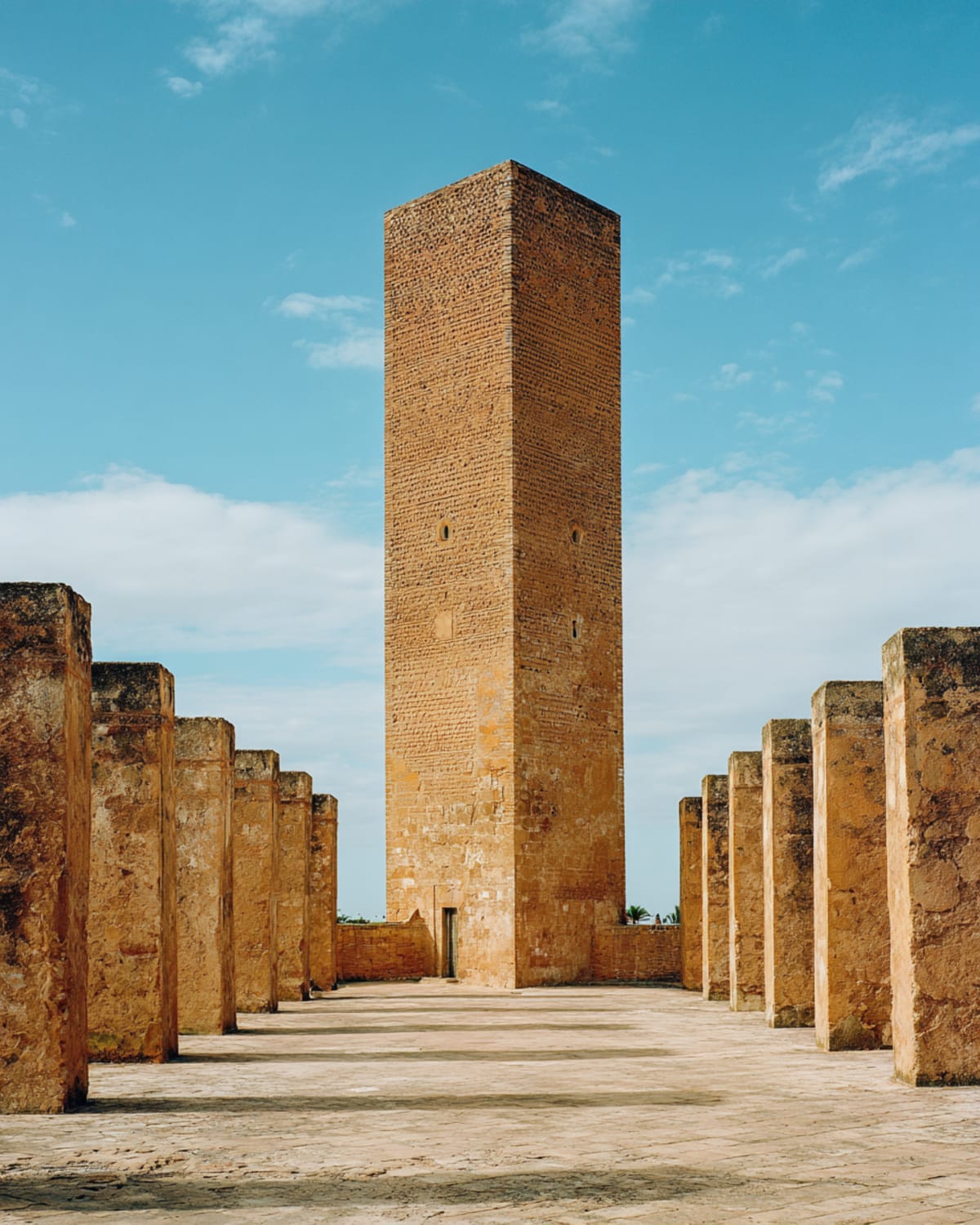
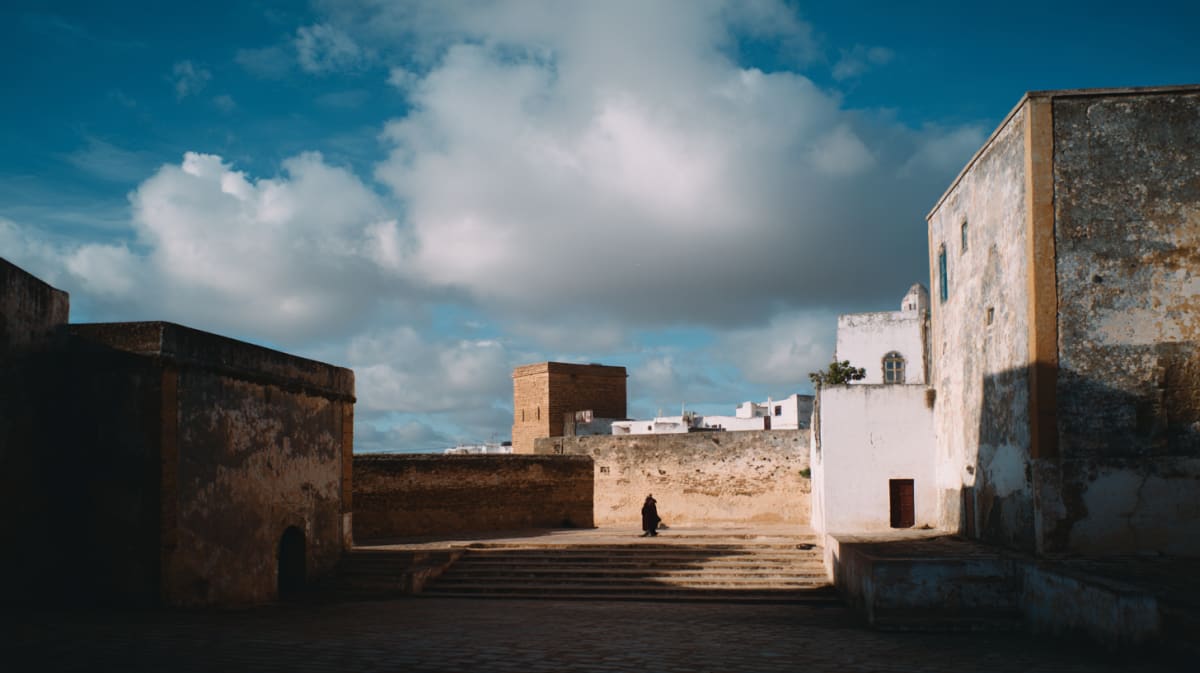
West toward the Atlantic. The Saïss plain stretches under a sky that gets bigger as the land gets flatter. The road cuts through farmland — wheat, sunflowers, the occasional village where a café spills plastic chairs onto the pavement. Rabat appears where the Bou Regreg meets the ocean — white, diplomatic, composed. The kasbah faces the Atlantic from its cliff. The medina is ordered, almost European in its navigability. After Meknes's imperial excess, Rabat feels like the quiet sibling who ended up running the family.
Day 5
Marrakech
South along the Atlantic corridor. Casablanca passes in concrete and ambition — a city you could spend a week in but today you don't. The Haouz plain opens beyond it, flat and hot, the Atlas growing with each kilometre until the mountains fill the windshield. Snow on peaks. Red city below. Marrakech appears under the Atlas, drawing you in. The medina waits. The souks spiral inward. Jemaa el-Fna begins its evening transformation — smoke from grills, drums from the Gnawa circles, storytellers gathering crowds. The mountain air follows you into the square. The city swallows you whole.

Day 6
Ouarzazate
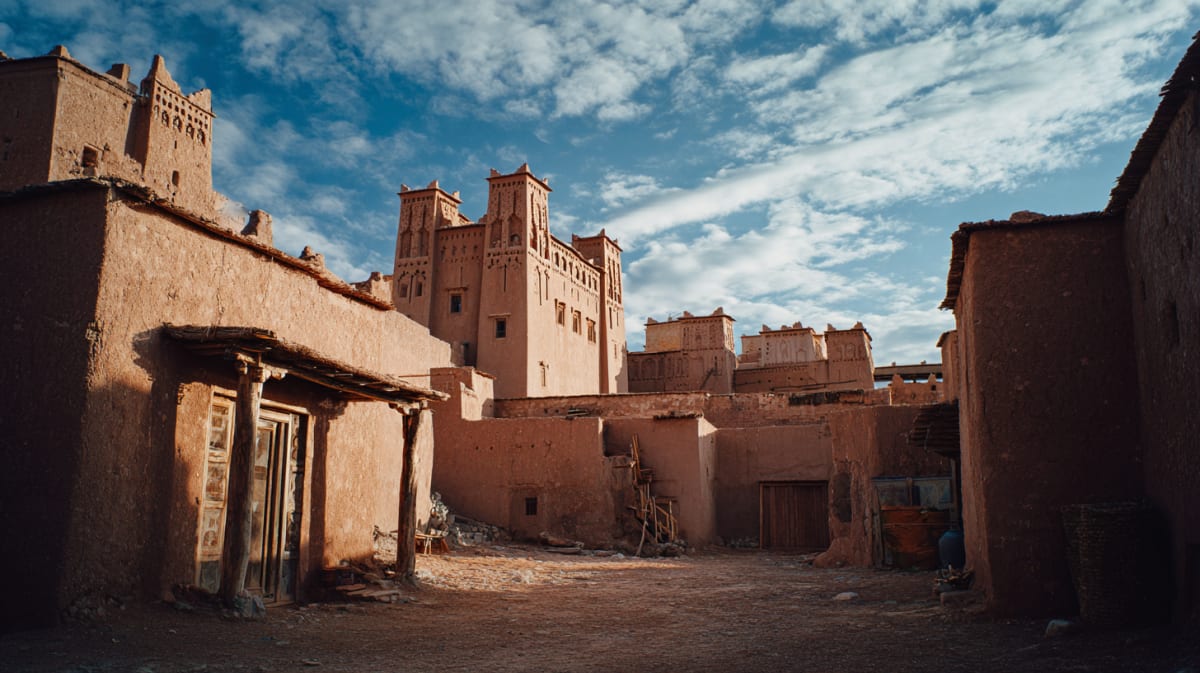
The road climbs until Marrakech disappears — first the palms, then the minarets, then the haze. Stone villages cling to slopes where the light shifts by the hour, women carrying bundles of firewood along paths that predate the tarmac by centuries. Switchbacks tighten around you like a held breath. Your ears pop at the pass — 2,260 metres, the highest paved road in Morocco. The south side is different. Drier. Warmer. The colour changes from green to ochre in the space of a single bend. By afternoon, the mountains release you into silence. Ouarzazate waits — not as a destination but as a threshold. A glass of tea arrives before you ask. The mint cuts through the dust on your tongue.
Day 7
Marrakech
The crossing in reverse. Aït Benhaddou in morning light — the clay glows different at this hour, amber and warm, the ksar casting long shadows across the river. Then the climb. Tizi n'Tichka at 2,260 metres, the road switching back through shepherd country where the air tastes of thyme and cold stone. Your ears pop. The pass holds its breath. The descent reveals the Haouz plain — flat, green, impossibly different from the desert you woke in. Marrakech appears under the Atlas like it's been waiting for you specifically. The first glass of orange juice costs five dirhams and tastes like sunlight.
Private Journeys
Plan this journey.
This route is private, and shaped around how you want to move through the country. Tell us what you're hoping to find — we'll design the trip around it.
There is more
This is just the shape of the route.
The full story — where the road changes, what the maps don't name, which detours are worth the dust — lives in the Slow Morocco letter. Written from the medina. Sent when it matters.
No frequency promises. Unsubscribe anytime.