10 Days
Sahara to Sea
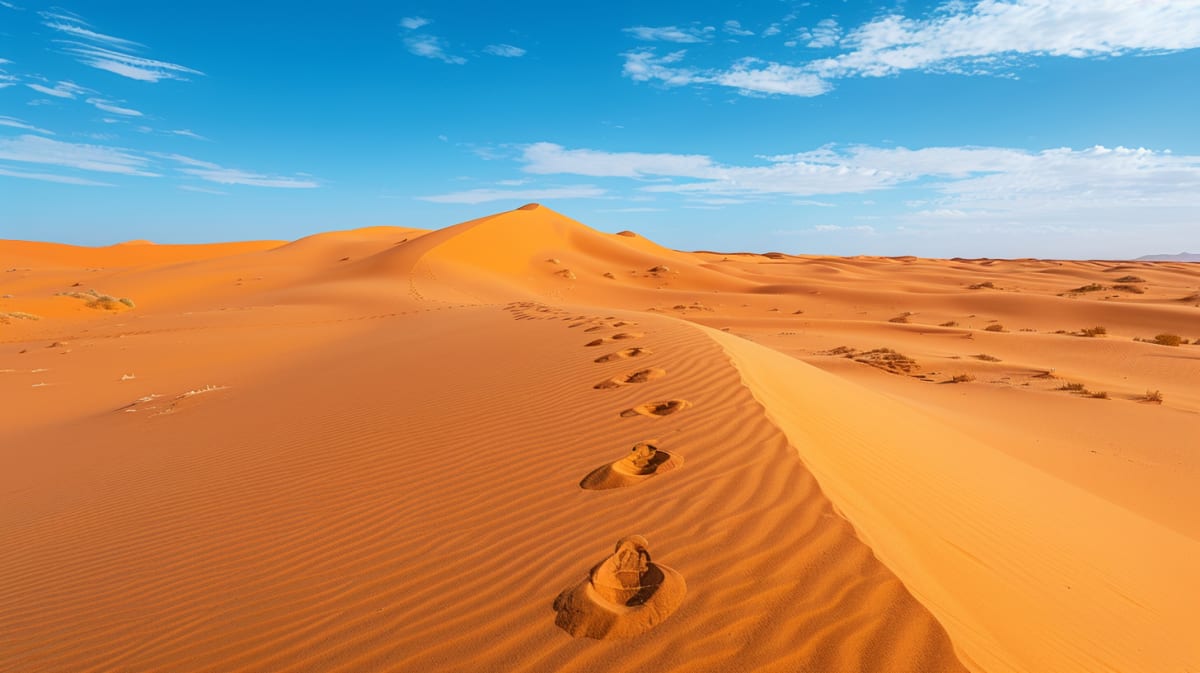
Start where the sand begins — the dunes glowing copper at dawn, your footprints the first marks of the morning. End where it meets the Atlantic — the waves crashing against Essaouira's ramparts, salt spray on your lips. Between them: every Morocco that exists, which is more Moroccos than any single country should reasonably contain. The gorges where rock twists into shapes that defy explanation. The kasbahs rising from river valleys. The Atlas crossing where your ears pop and the light changes and the country switches from desert to garden in the space of a pass. The argan groves where goats stand in trees, which you will photograph and nobody back home will believe. The coastal road where the wind arrives before the town does. Ten days. The country's full spectrum. Sand under your nails at the start. Salt in your hair at the end. And somewhere in the middle, the moment you realised a country can be both.
Your Route
Day 1
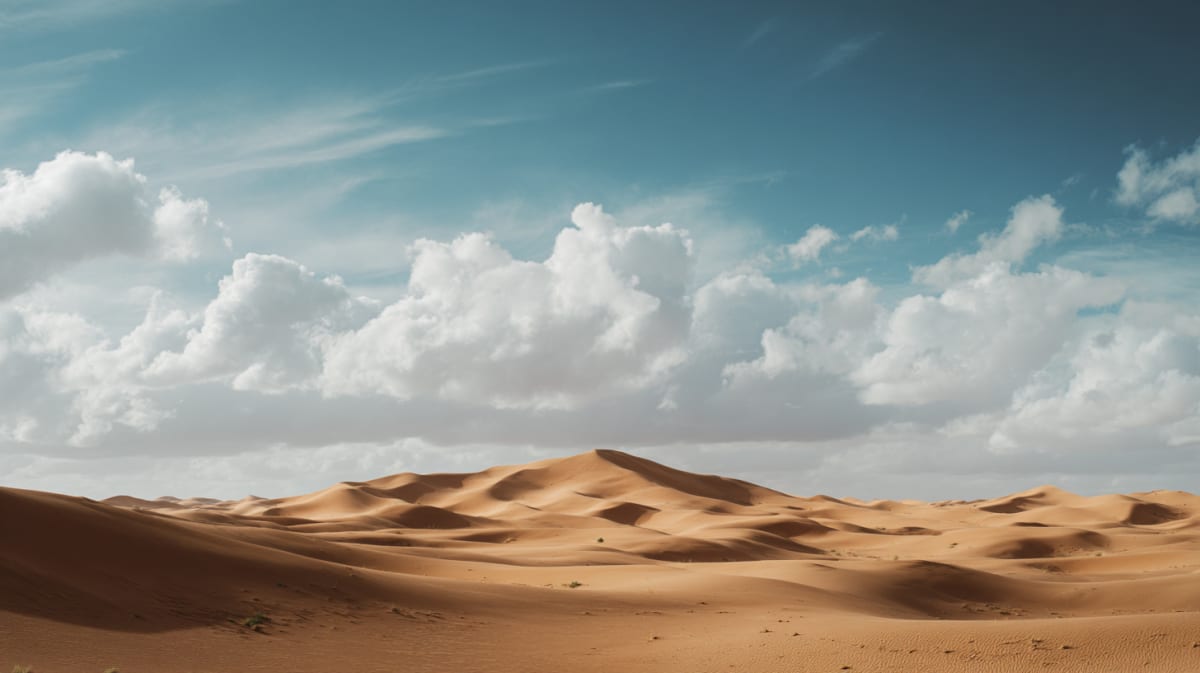
Merzouga
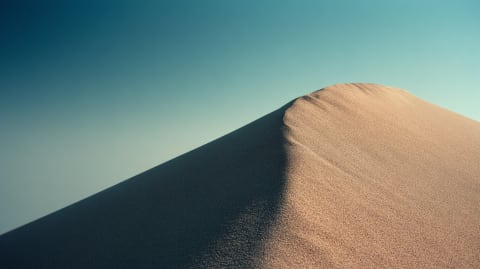
A day without roads. The dunes shift color as the sun moves—pink at dawn, gold at noon, orange by evening. You can walk to nomad tents where tea is poured without ceremony. Or drive to Khamlia where Gnawa music rises from the sand. Or do nothing. The desert doesn't require your participation. It just asks that you notice.
Day 2
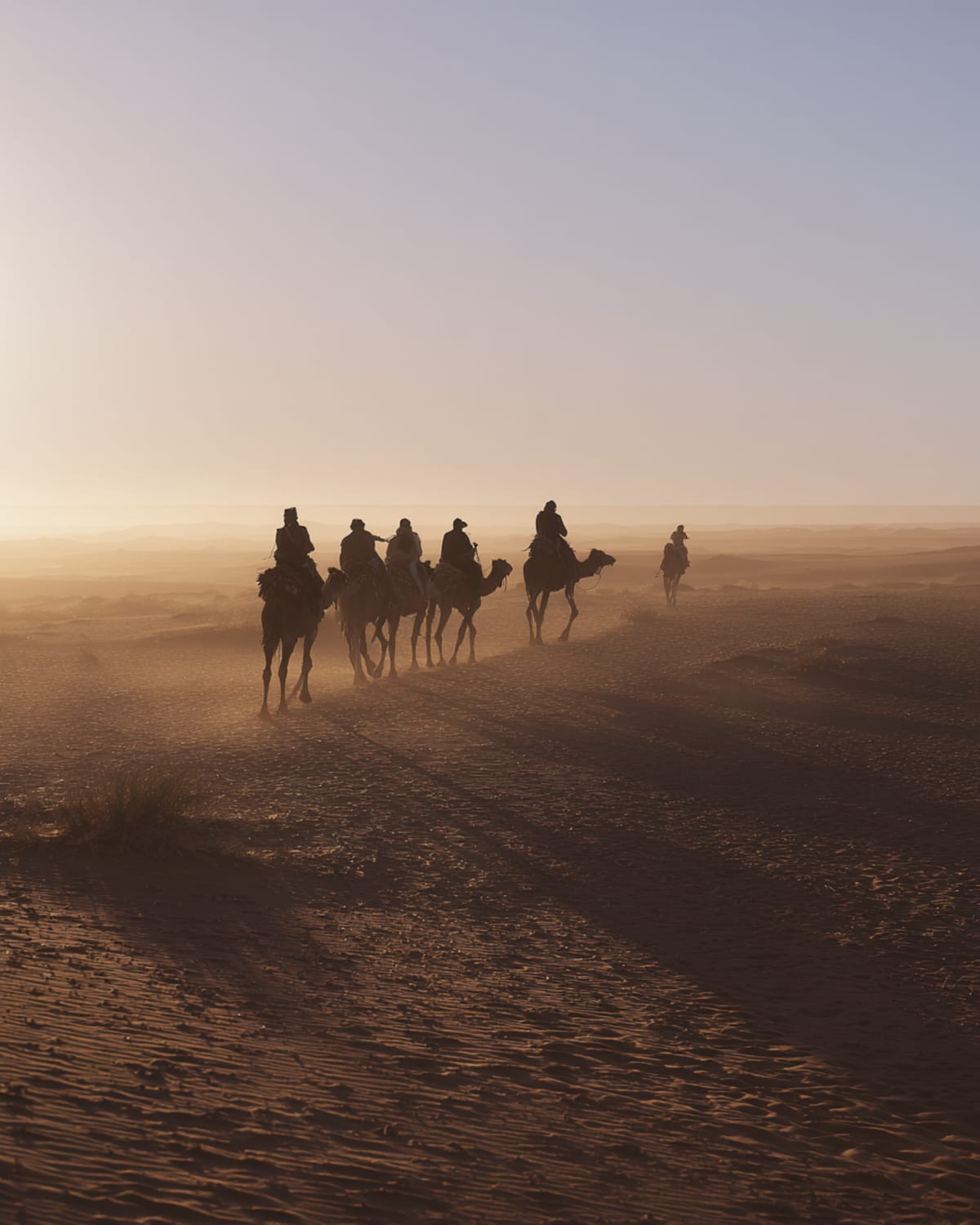
Merzouga → Dades
West from the dunes. The sand releases you slowly — first hammada, then the first scrub, then signs for towns that feel like rumours. Erfoud passes with its fossil workshops, trilobites older than imagination. Tinghir appears in its palm grove, the green so vivid after the desert it looks artificial. Then Todra — walls rising vertical and close, the river cold at the bottom, your voice echoing off limestone that has been standing since before the word for stone existed. The road opens into the Dades. The valley glows copper at sunset, the kasbahs catching the last light like lanterns. You sleep in the gorge. The stars are framed by the canyon walls.
Day 3
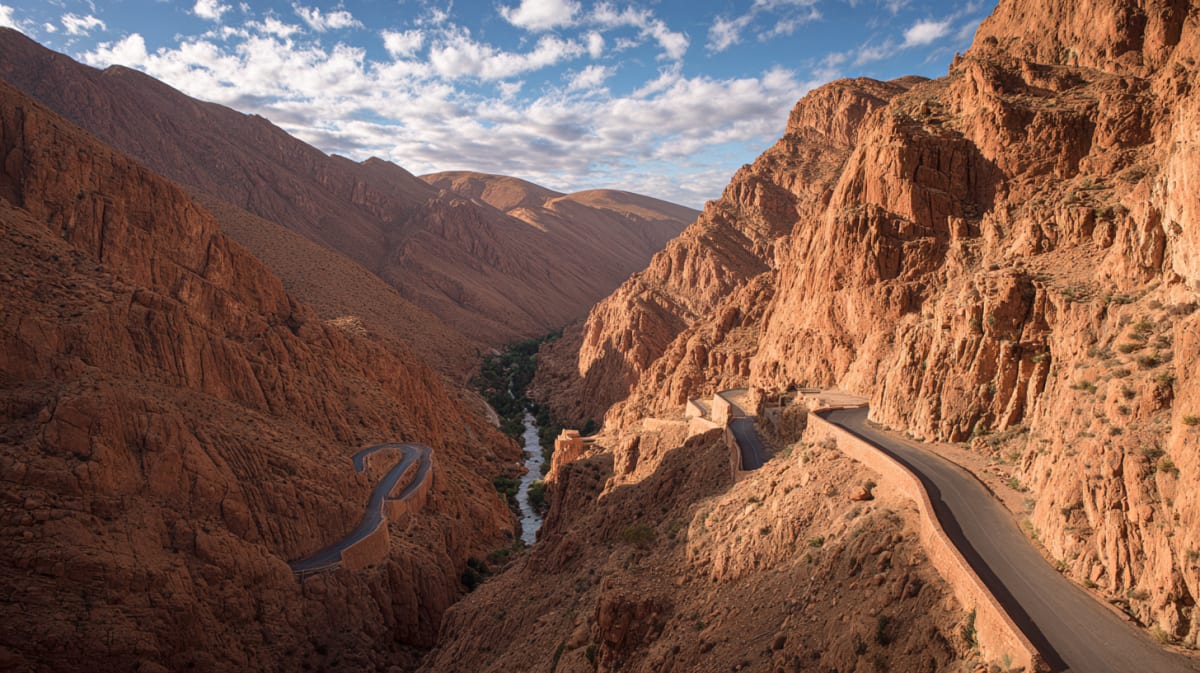
Dades → Ouarzazate
West through the valley they call the Road of a Thousand Kasbahs. Every bend reveals another — mud towers rising from the green, some crumbling, some still lived in, their walls the exact colour of the earth they grew from. Skoura's palmeraie stretches for seventeen kilometres, date groves hiding structures that were fortresses once and are stories now. In spring the Rose Valley blooms pink along every irrigation channel, the air so sweet your lungs feel rinsed. Ouarzazate waits at the crossroads where the valley meets the mountain. Gateway to somewhere. Threshold to everywhere. The café on the main street serves coffee and the view of the Atlas.
Day 4
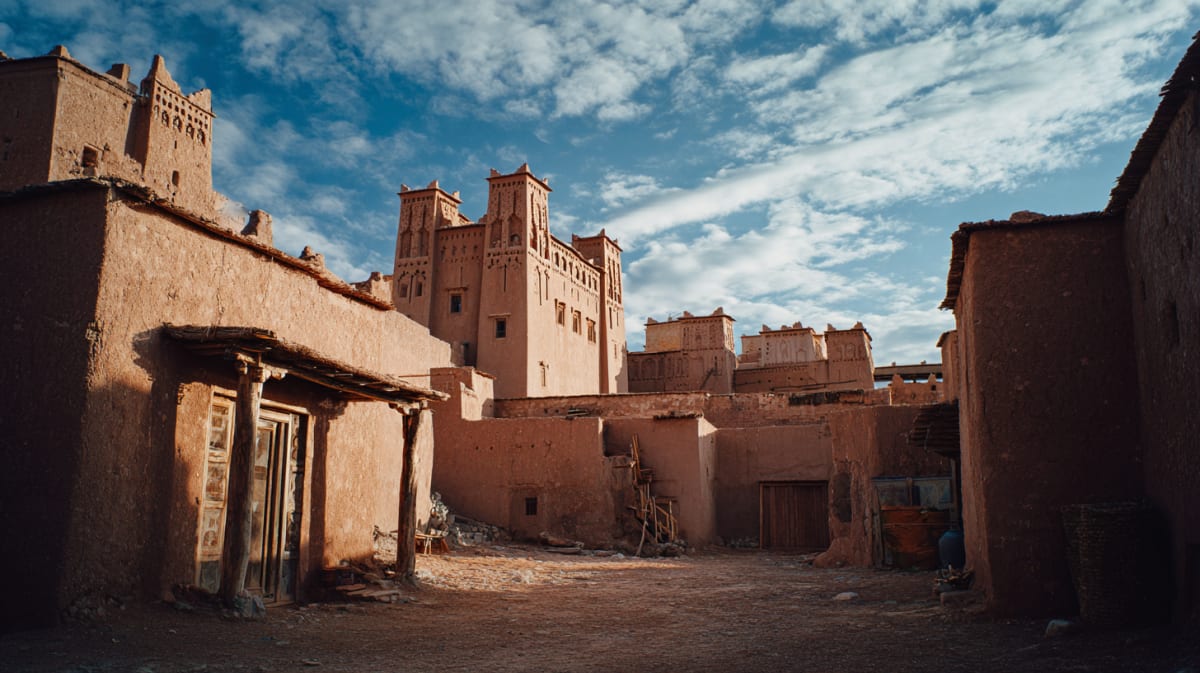
Ouarzazate → Marrakech
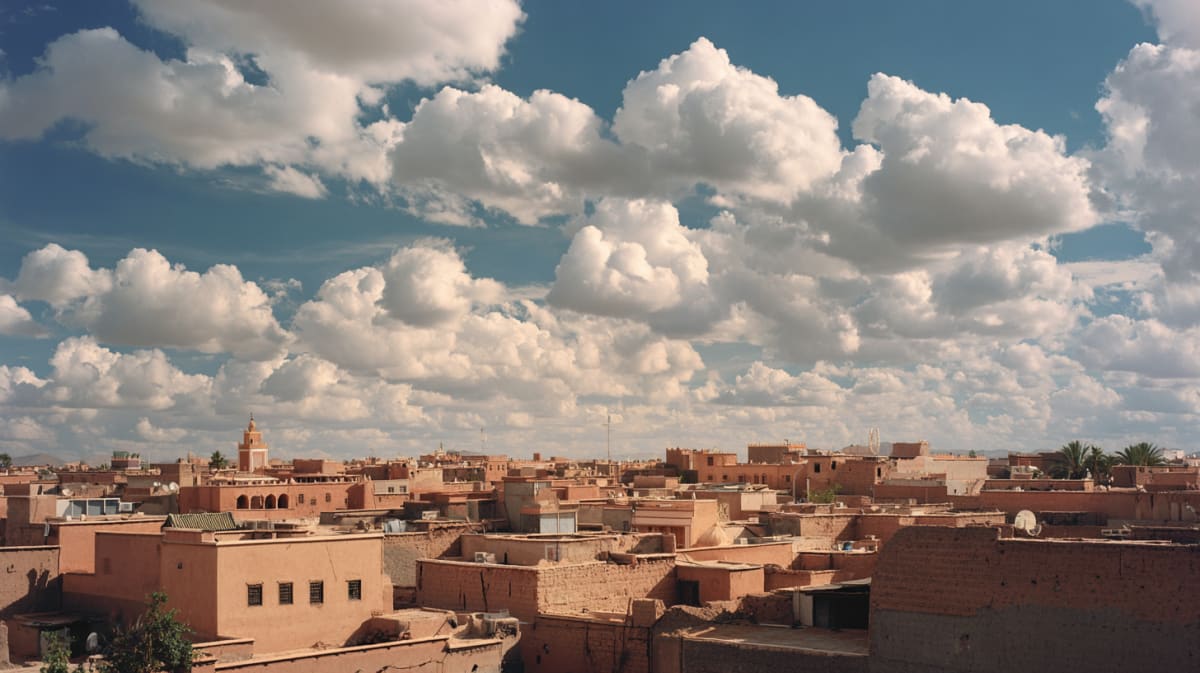
The crossing in reverse. Aït Benhaddou in morning light — the clay glows different at this hour, amber and warm, the ksar casting long shadows across the river. Then the climb. Tizi n'Tichka at 2,260 metres, the road switching back through shepherd country where the air tastes of thyme and cold stone. Your ears pop. The pass holds its breath. The descent reveals the Haouz plain — flat, green, impossibly different from the desert you woke in. Marrakech appears under the Atlas like it's been waiting for you specifically. The first glass of orange juice costs five dirhams and tastes like sunlight.
Day 5
Marrakech
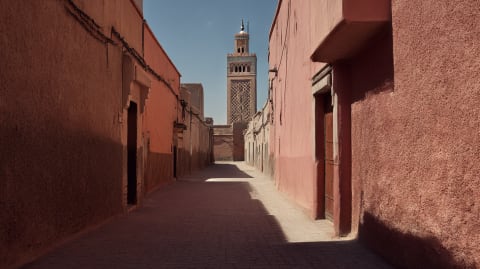
The souks spiral inward by specialty—leather, brass, carpets, spices. Each turn narrows. Bahia Palace holds its painted ceilings in afternoon shadow. The hammam strips you down to quiet. By evening, Jemaa el-Fna transforms. Smoke rises from a hundred grills. Storytellers gather crowds. The square has done this for centuries. It doesn't need your permission.
Day 6
Marrakech
The souks spiral inward by specialty—leather, brass, carpets, spices. Each turn narrows. Bahia Palace holds its painted ceilings in afternoon shadow. The hammam strips you down to quiet. By evening, Jemaa el-Fna transforms. Smoke rises from a hundred grills. Storytellers gather crowds. The square has done this for centuries. It doesn't need your permission.
Day 7
Marrakech → Essaouira
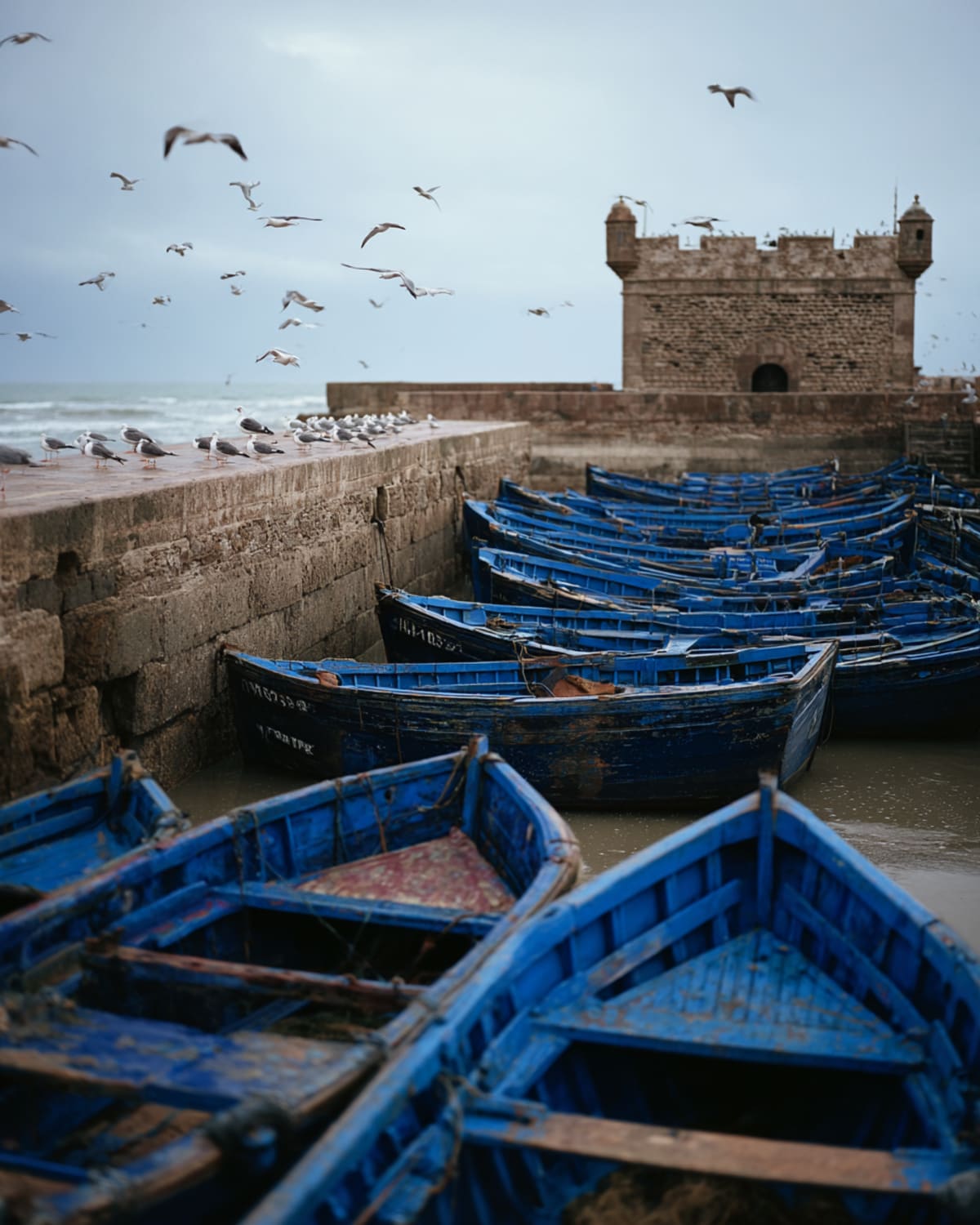
West toward water. The road flattens through argan groves where goats stand in the branches like punctuation marks against the sky. Women crack nuts at cooperatives, the oil tasting of earth and smoke when you dip bread into it. The air changes before you see the sea — salt, wind, something loosening in your shoulders you didn't know was tight. Essaouira appears white against blue. The port smells of fresh catch and rope and cedar shavings. Seagulls wheel. Shutters rattle in the alizé wind that hasn't stopped in recorded history. The city doesn't try to impress. She's busy being herself.
Day 8
Essaouira
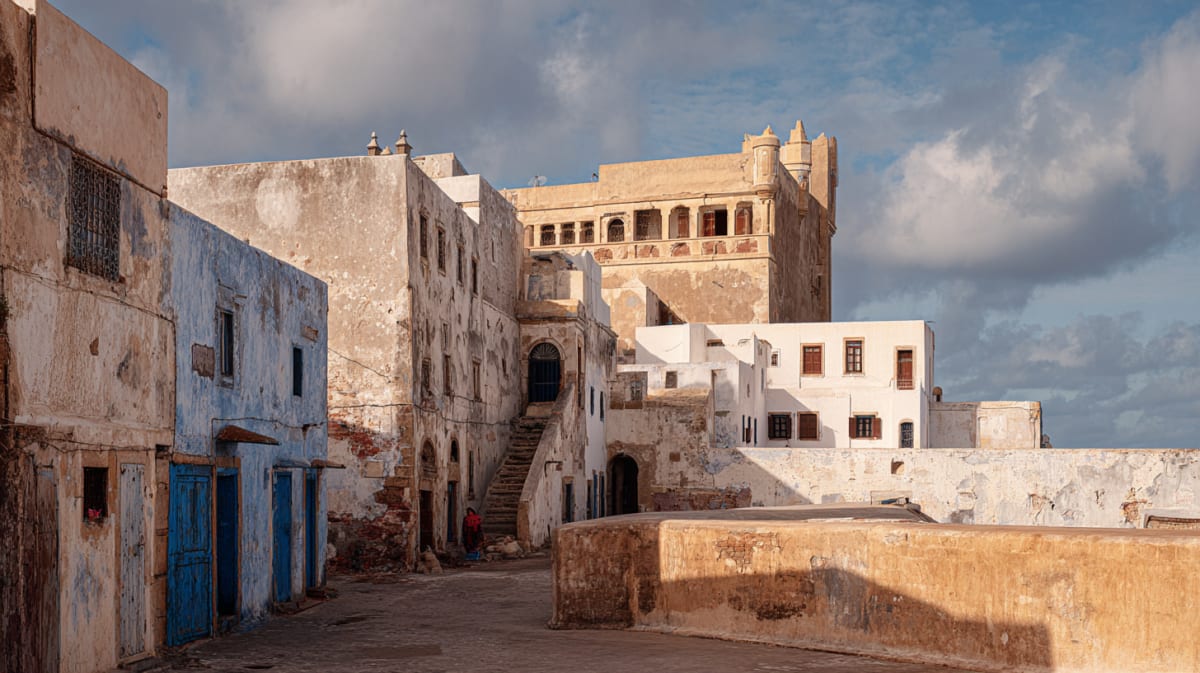
The wind never stops. That's the first thing. Essaouira moves at a different speed—artists in studios, fishermen mending nets, cats watching from ramparts. The port smells of sardines and salt. The beach stretches south toward nothing. By sunset, the walls glow gold. The Atlantic doesn't sparkle here. She pulls.
Day 9
Essaouira
The wind never stops. That's the first thing. Essaouira moves at a different speed—artists in studios, fishermen mending nets, cats watching from ramparts. The port smells of sardines and salt. The beach stretches south toward nothing. By sunset, the walls glow gold. The Atlantic doesn't sparkle here. She pulls.
Day 10
Essaouira → Marrakech
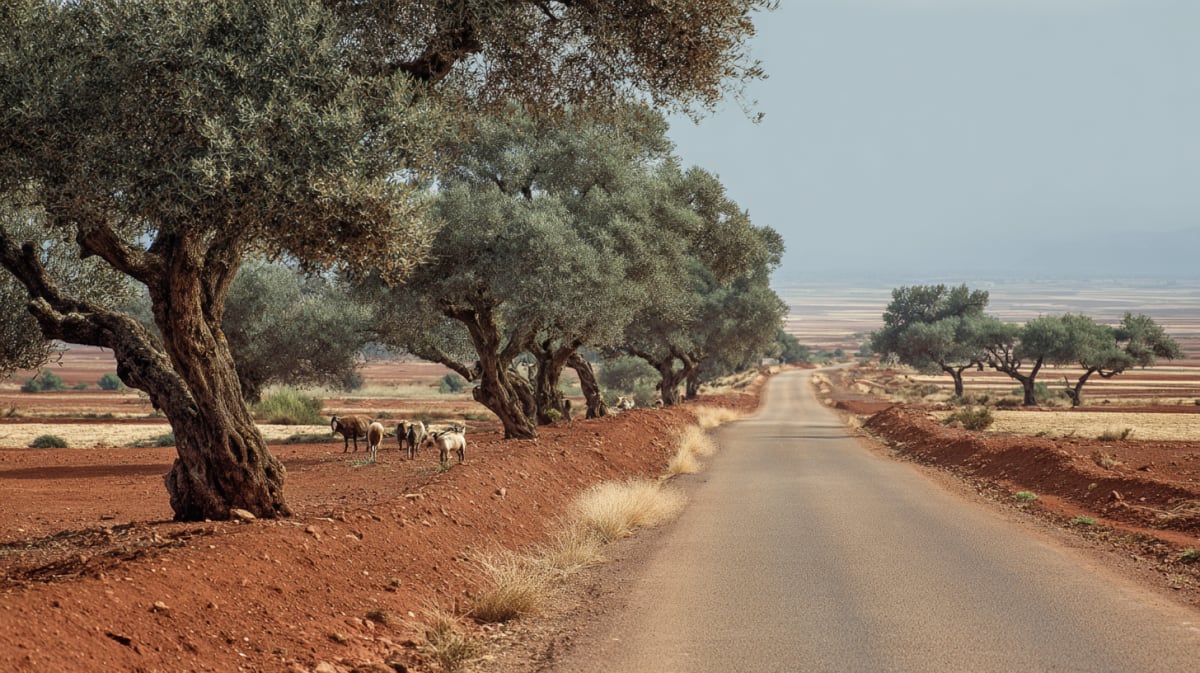
The coast releases you slowly. Fishing boats shrink in the mirror as the road turns inland, climbing through argan groves where goats perch in trees — not for tourists, just because the fruit is there and they are hungry. Women crack argan nuts at a cooperative, the oil golden and peppery when you taste it on bread. The plain opens and heat rises. The Atlas appears. Marrakech materialises as a shimmer before it becomes real — red walls, the Koutoubia, the palms. You've closed the circle. Salt is still in your hair. The wind has left your ears ringing. The city smells of orange blossom and woodsmoke and home.

From the Archive