8 Days
Morocco Culinary Journey
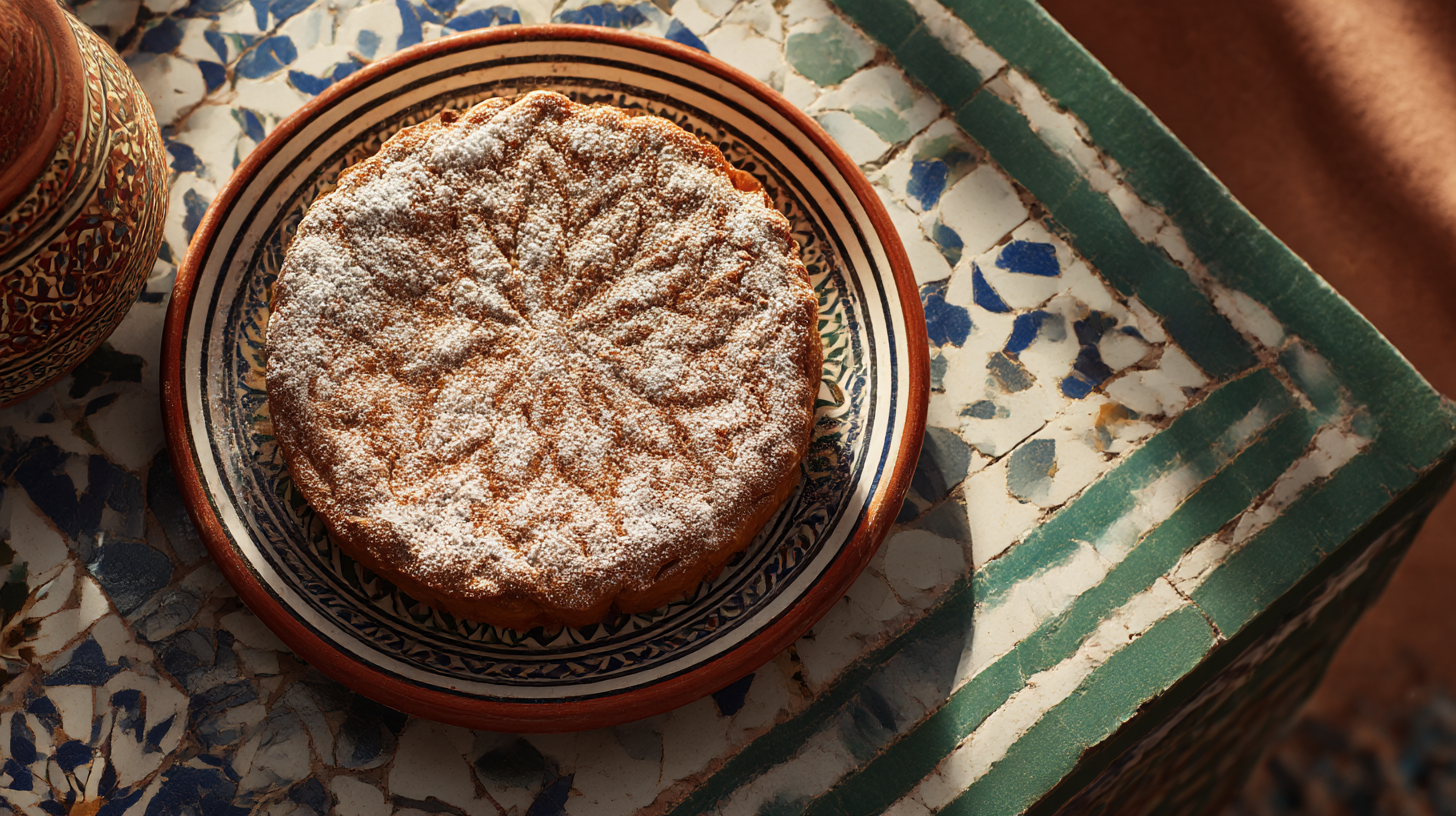
Every region has its own kitchen and its own argument about whose is best. Fes preserves medieval recipes — pigeon pastilla dusted with sugar and cinnamon, the sweetness and savoury fighting on your tongue until you stop trying to decide which side you are on. Marrakech adds heat and speed — tanjia slow-cooked in the hammam's ashes, street food that burns your fingers and rewards your patience. The coast brings fish and argan — grilled sole with chermoula, the herbs sharp and green. Cooking classes where you roll couscous by hand and the grandmother corrects your technique without words, just a look that has ended careers. Market tours where the spice vendor lets you smell before you buy and the saffron threads glow red against his palm like a dare. Eight days eating with your hands, tasting with your memory, understanding that Moroccan food is not cuisine — it is biography.
Day 1
Marrakech
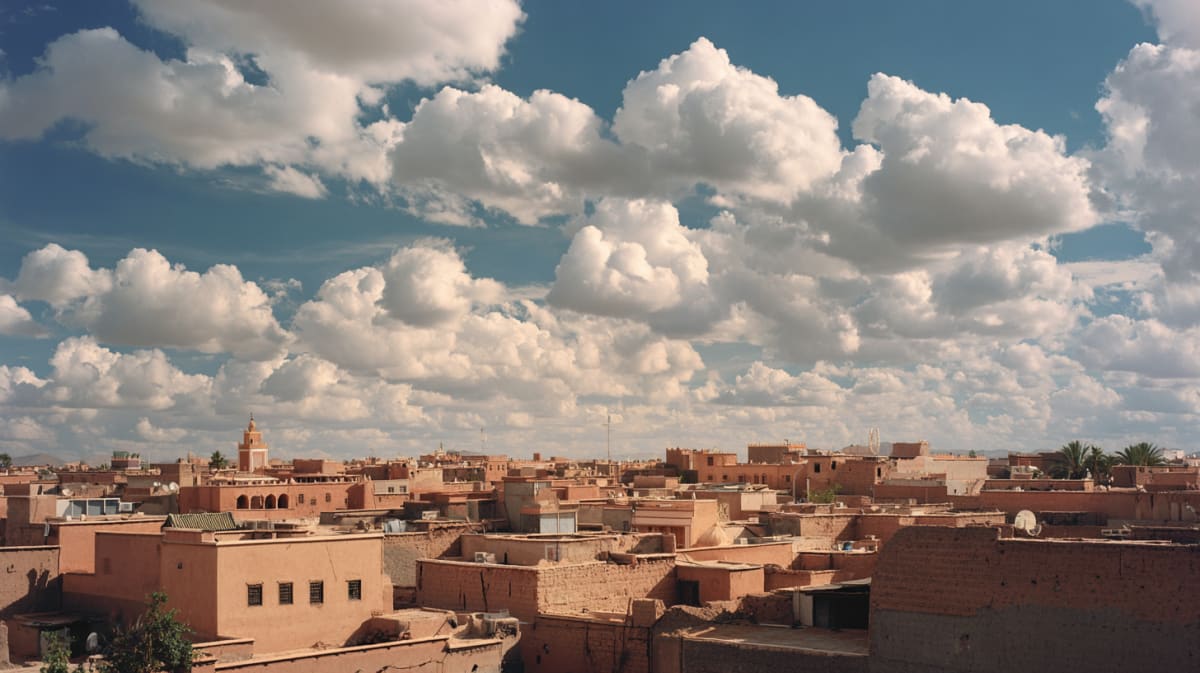
The souks spiral inward by specialty—leather, brass, carpets, spices. Each turn narrows. Bahia Palace holds its painted ceilings in afternoon shadow. The hammam strips you down to quiet. By evening, Jemaa el-Fna transforms. Smoke rises from a hundred grills. Storytellers gather crowds. The square has done this for centuries. It doesn't need your permission.
Day 2
Marrakech
The souks spiral inward by specialty—leather, brass, carpets, spices. Each turn narrows. Bahia Palace holds its painted ceilings in afternoon shadow. The hammam strips you down to quiet. By evening, Jemaa el-Fna transforms. Smoke rises from a hundred grills. Storytellers gather crowds. The square has done this for centuries. It doesn't need your permission.
Day 3
Fes
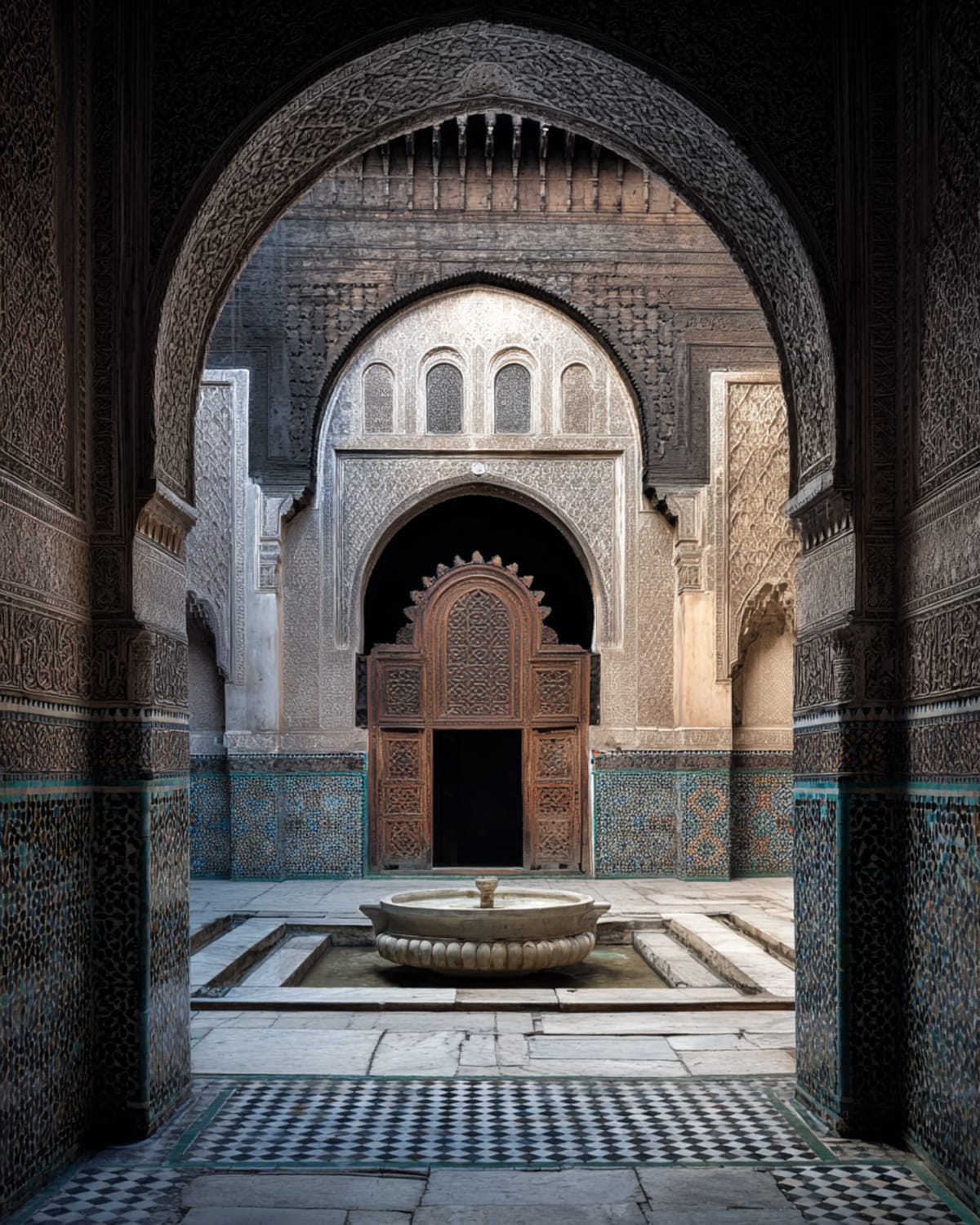
The highway north runs straight through the interior — six hours across the plain that separates Morocco's two great rivals. The Haouz gives way to the Tadla, wheat fields stretching to every horizon, the sky enormous and pale with heat. You cross the invisible border where the dialect shifts, where bread changes shape, where the spice mix recalibrates from Marrakech's fire to Fes's finesse. The city appears in its valley — minarets first, then walls, then the vast tangle of the medina. You enter through one of the fourteen gates and the twenty-first century stays outside.
Day 4
Fes
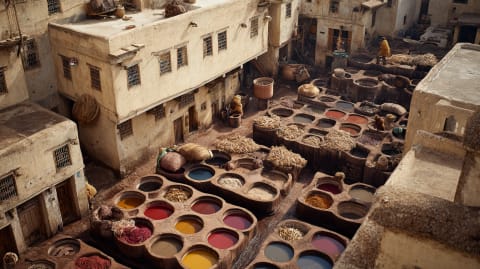
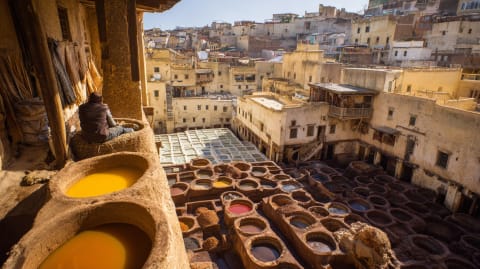
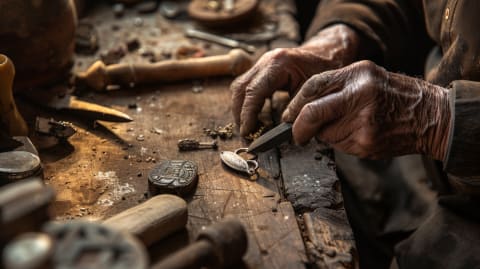
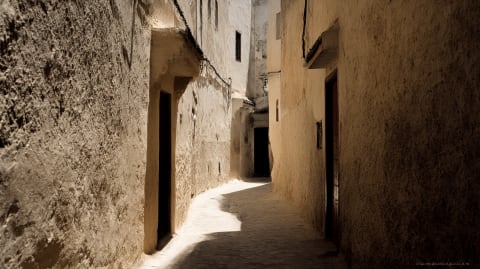
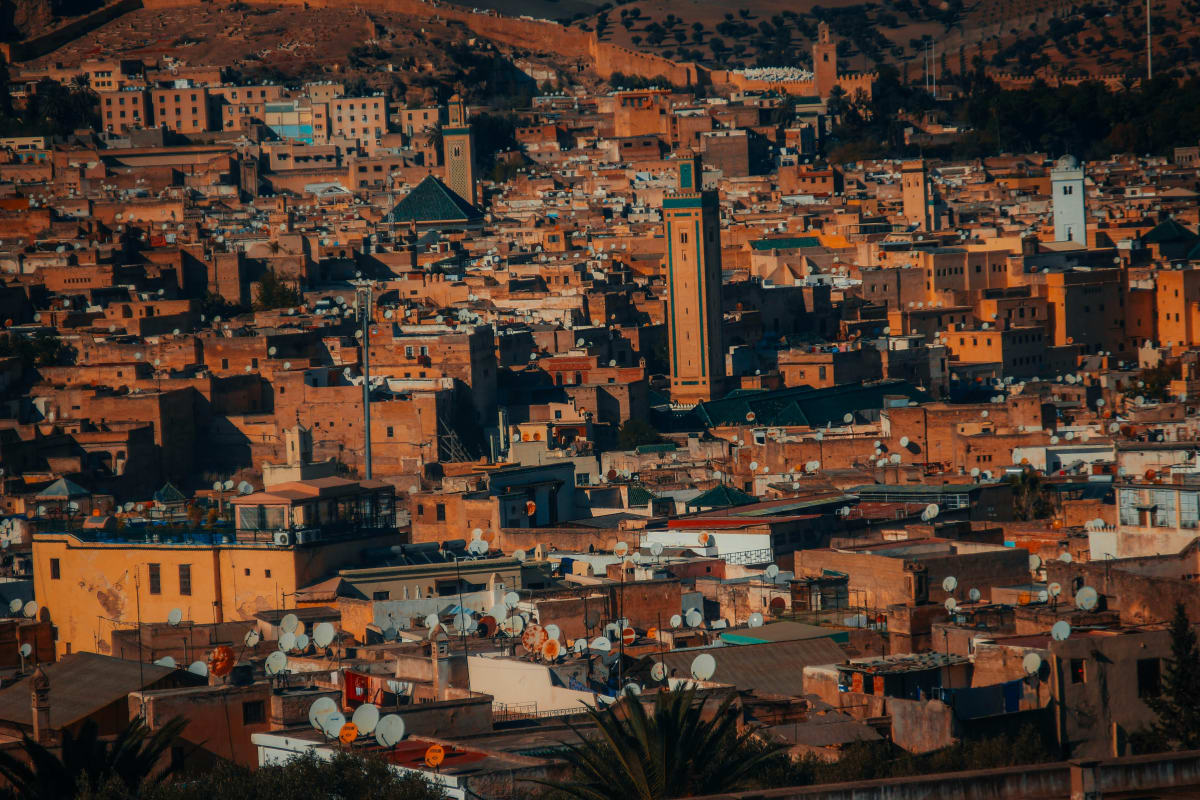
Nine thousand alleys. The medina hasn't changed in a thousand years—same crafts, same quarters, same calls echoing off the walls. The tanneries still use pigeon dung. The brass workers still hammer by hand. You get lost. Everyone does. A boy leads you out for a coin. By evening, you've stopped trying to map it. The labyrinth is the point.
Day 5
Fes
Nine thousand alleys. The medina hasn't changed in a thousand years—same crafts, same quarters, same calls echoing off the walls. The tanneries still use pigeon dung. The brass workers still hammer by hand. You get lost. Everyone does. A boy leads you out for a coin. By evening, you've stopped trying to map it. The labyrinth is the point.
Day 6
Marrakech
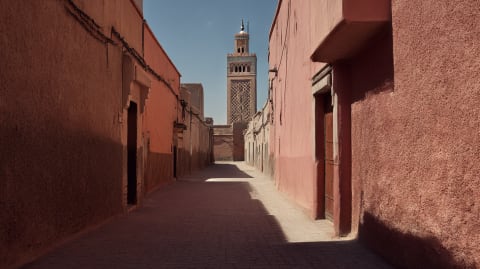
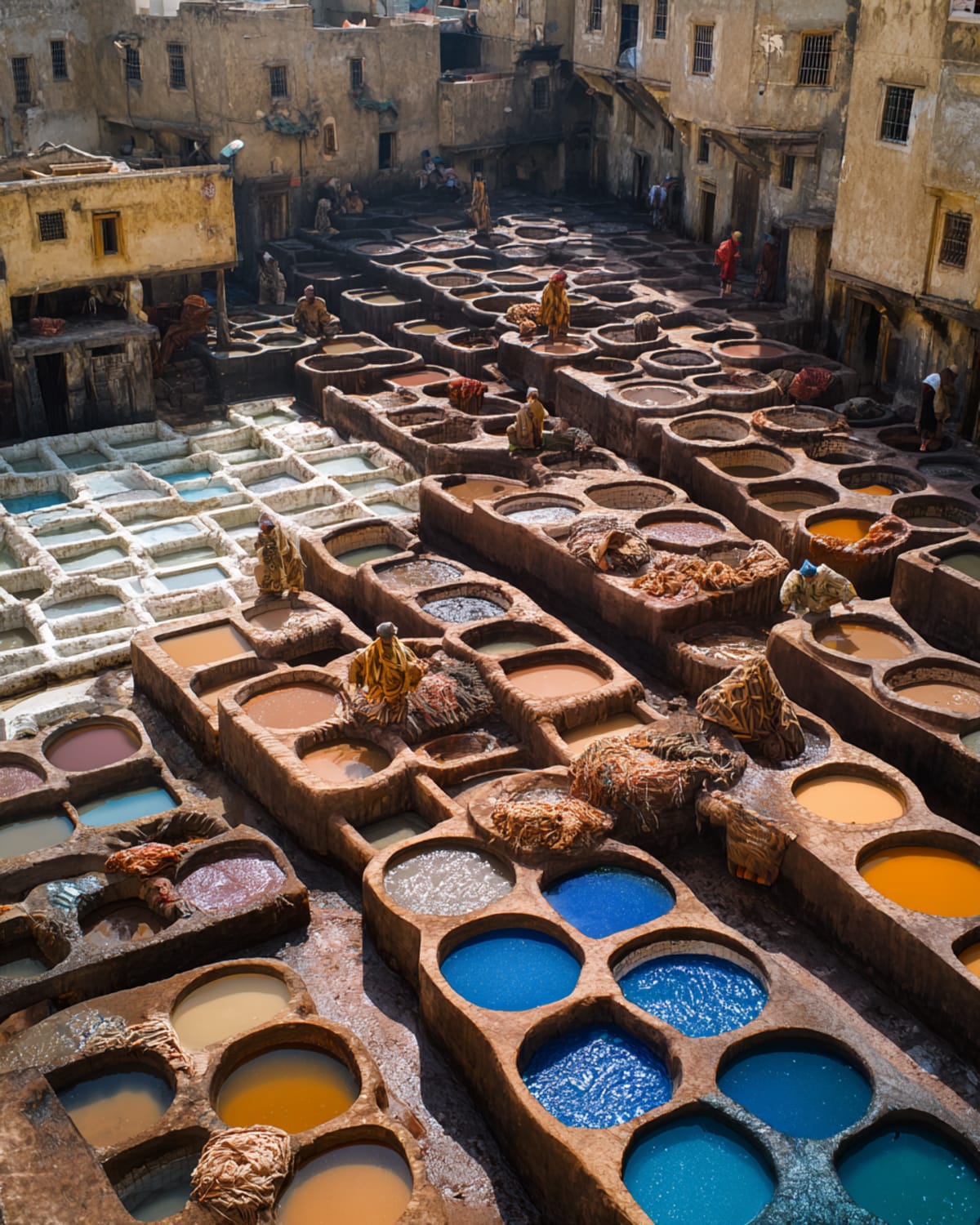
Six hours across the interior. The highway stitches together two cities that have competed for a thousand years — Fes the intellectual, Marrakech the merchant. Between them: the Saïss plain, then the Haouz, flat agricultural land where the sky is enormous and the road dissolves into heat shimmer. You cross the invisible line where the dialect shifts, where couscous changes shape, where the spice blend recalibrates. Marrakech appears under the Atlas — rose-pink walls, the Koutoubia minaret rising above the palms. The square begins to fill. A different city. A different argument about what Morocco is.
Day 7
Essaouira
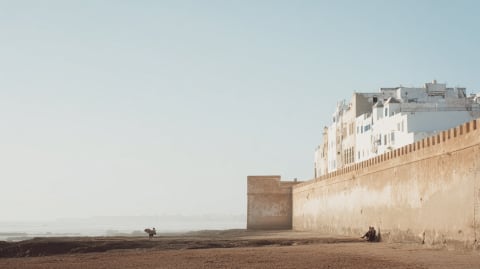
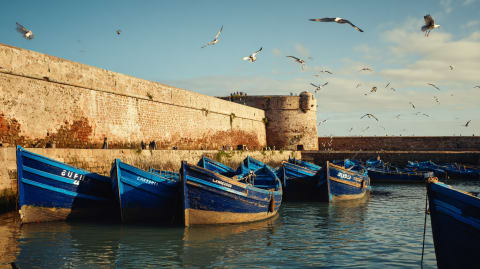
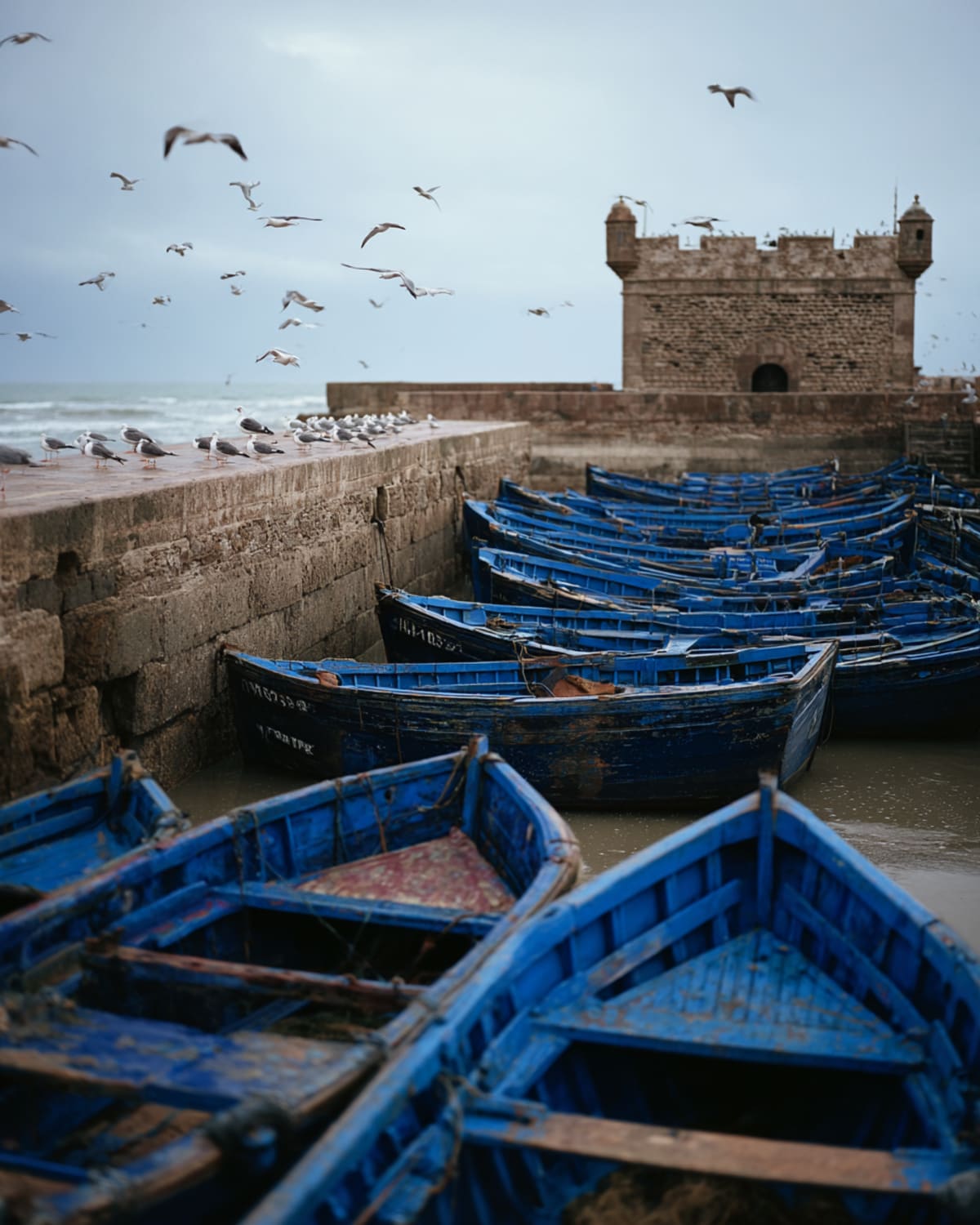
West toward water. The road flattens through argan groves where goats stand in the branches like punctuation marks against the sky. Women crack nuts at cooperatives, the oil tasting of earth and smoke when you dip bread into it. The air changes before you see the sea — salt, wind, something loosening in your shoulders you didn't know was tight. Essaouira appears white against blue. The port smells of fresh catch and rope and cedar shavings. Seagulls wheel. Shutters rattle in the alizé wind that hasn't stopped in recorded history. The city doesn't try to impress. She's busy being herself.
Day 8
Marrakech
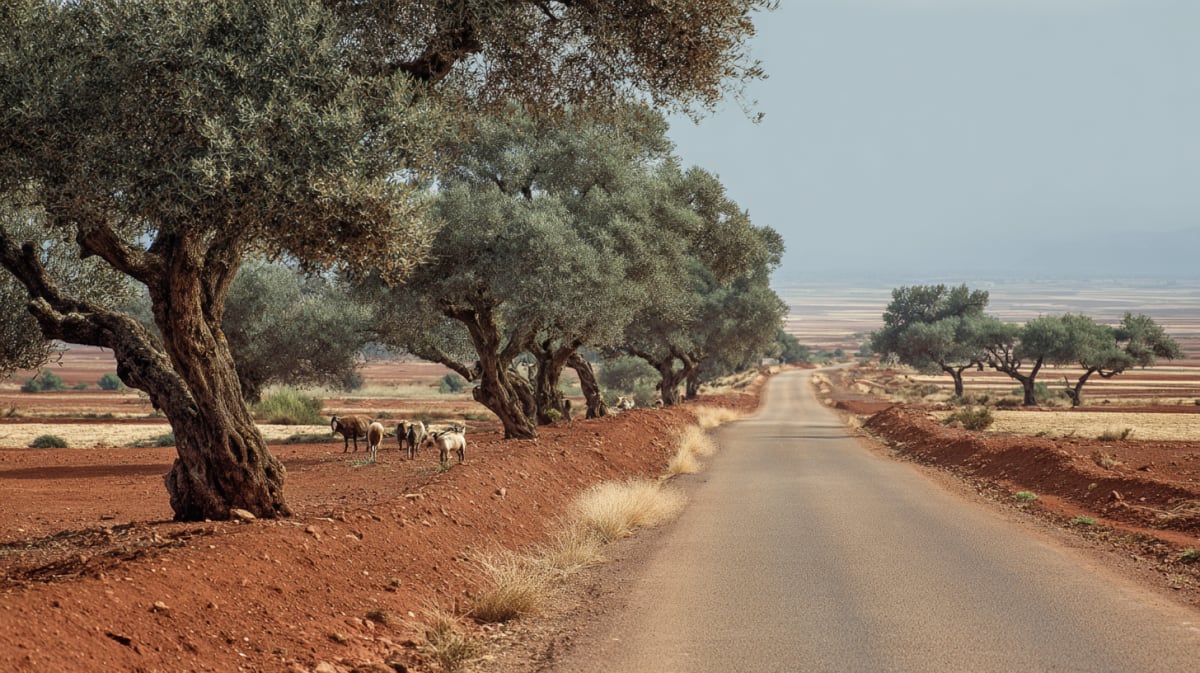
The coast releases you slowly. Fishing boats shrink in the mirror as the road turns inland, climbing through argan groves where goats perch in trees — not for tourists, just because the fruit is there and they are hungry. Women crack argan nuts at a cooperative, the oil golden and peppery when you taste it on bread. The plain opens and heat rises. The Atlas appears. Marrakech materialises as a shimmer before it becomes real — red walls, the Koutoubia, the palms. You've closed the circle. Salt is still in your hair. The wind has left your ears ringing. The city smells of orange blossom and woodsmoke and home.
Private Journeys
Plan this journey.
This route is private, and shaped around how you want to move through the country. Tell us what you're hoping to find — we'll design the trip around it.
There is more
This is just the shape of the route.
The full story — where the road changes, what the maps don't name, which detours are worth the dust — lives in the Slow Morocco letter. Written from the medina. Sent when it matters.
No frequency promises. Unsubscribe anytime.