8 Days
Morocco Family Adventure
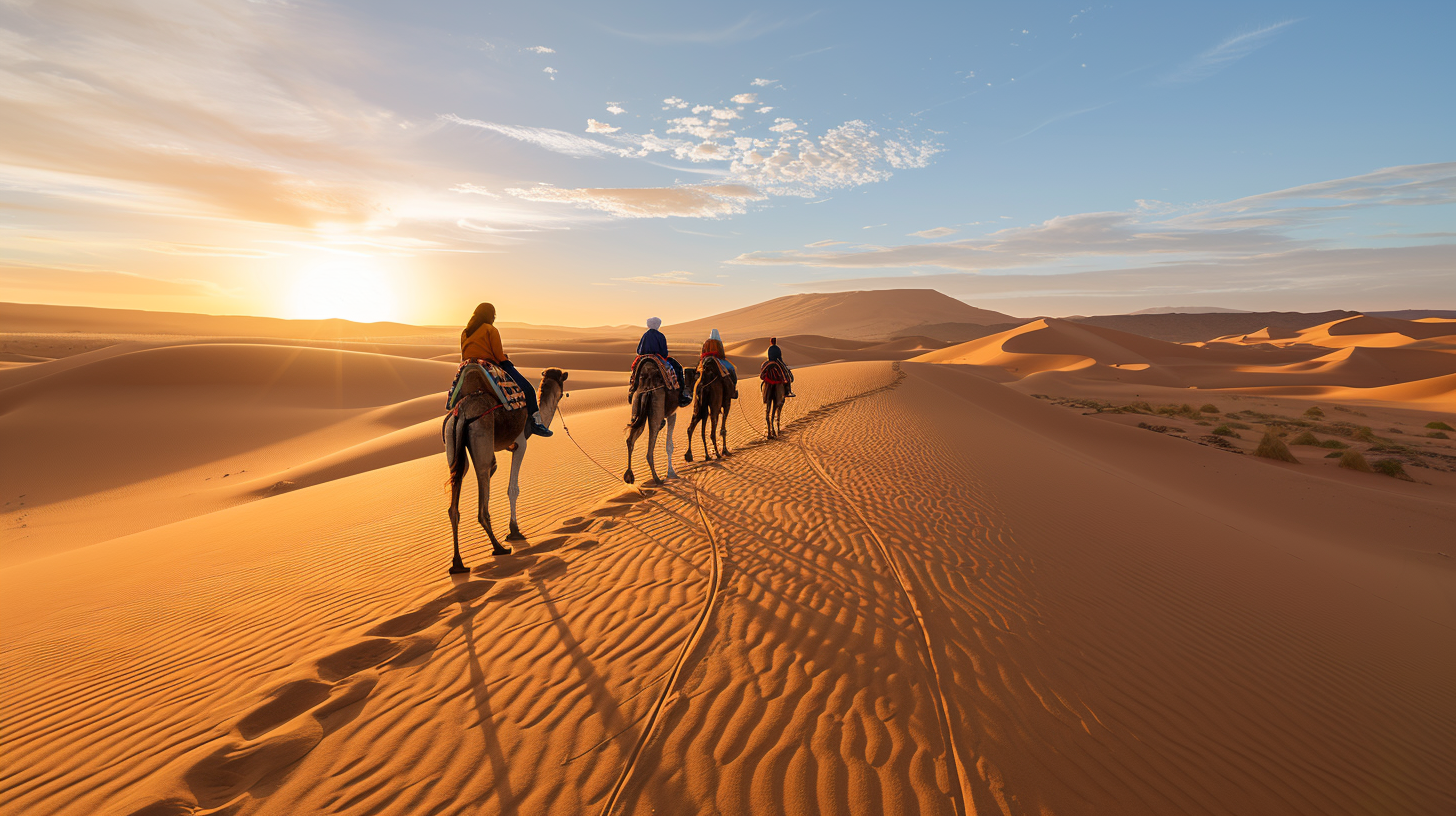
Families need different rhythms. Shorter drives where the backseat stays peaceful. More play — treasure hunts in ancient medinas where every turn reveals a fountain, a cat, a door with knockers shaped like the Hand of Fatima. Camel rides where the children sit higher than the adults and laugh at the lurch, which is the sound of a holiday working. Beach days where the Atlantic waves arrive perfectly sized for small bodies. Desert nights where the stars make a nine-year-old ask questions that make a forty-year-old go quiet — which is the best thing a desert can do for a family. Eight days of Morocco through younger eyes that see things adults miss — the beetle on the kasbah wall, the kitten in the souk, the way the tagine steam makes shapes in the light. The children will remember this trip. The adults will remember the children remembering.
Day 1
Marrakech
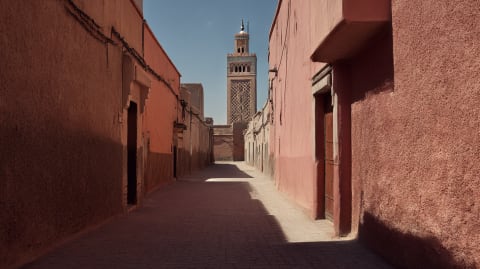
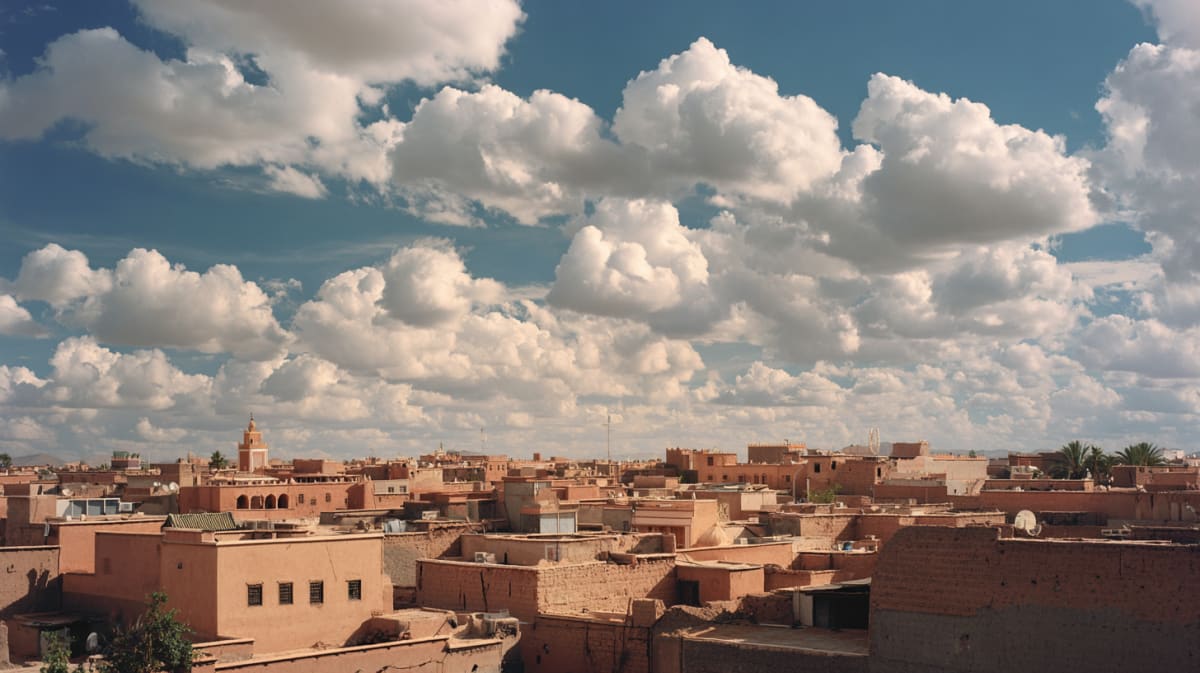
The souks spiral inward by specialty—leather, brass, carpets, spices. Each turn narrows. Bahia Palace holds its painted ceilings in afternoon shadow. The hammam strips you down to quiet. By evening, Jemaa el-Fna transforms. Smoke rises from a hundred grills. Storytellers gather crowds. The square has done this for centuries. It doesn't need your permission.
Day 2
Ourika Valley
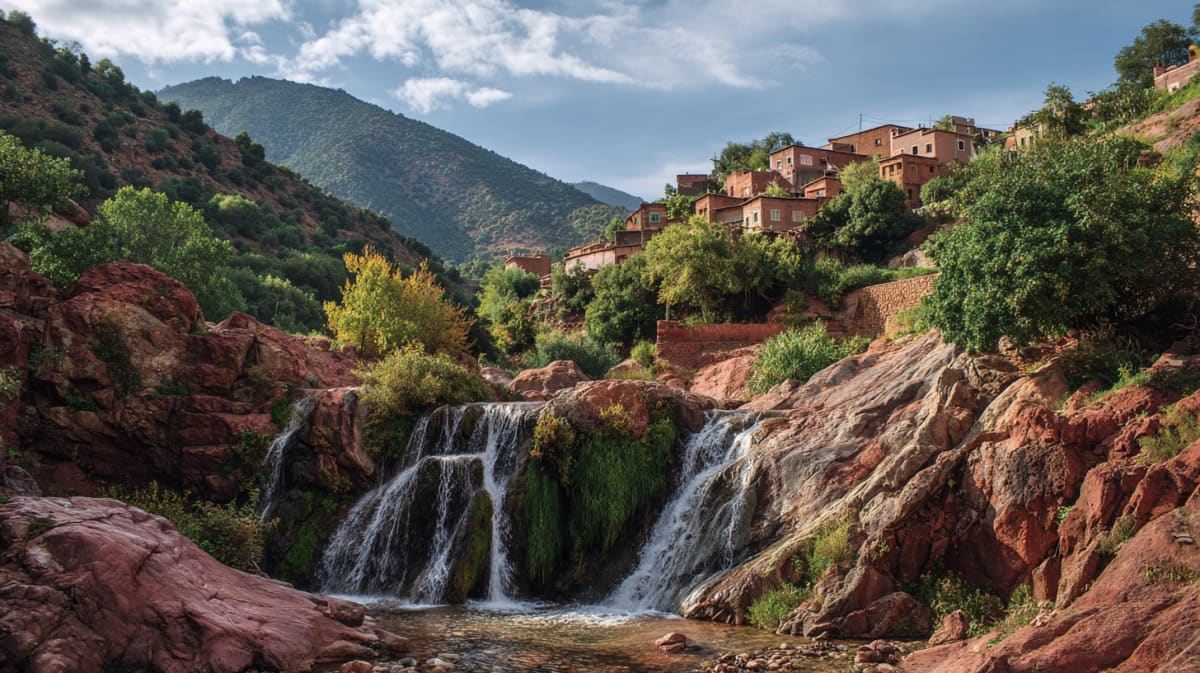
The road climbs south through the Haouz plain, red earth giving way to green as you enter the valley. The Ourika River runs year-round, fed by Atlas snowmelt, cutting through terraced gardens where Berber families grow mint and saffron. You stop at a village clinging to the hillside—stone houses, flat roofs for drying herbs, women washing wool in the river below. The air cools as you climb. A waterfall appears where the valley narrows, mist catching light. Lunch is tajine on a terrace overlooking the gorge, mint tea poured from height. By afternoon you're descending, the city emerging from haze, the call to prayer drifting up from a thousand minarets. Back in Marrakech for sunset. The mountains still visible, still pink, already somewhere you've been.

Day 3
Ouarzazate
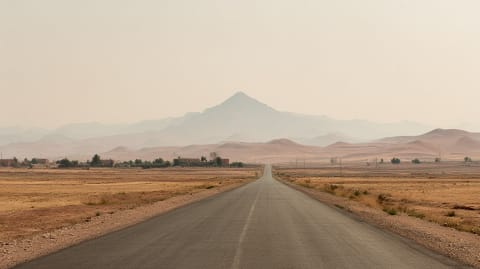
The road climbs until Marrakech disappears — first the palms, then the minarets, then the haze. Stone villages cling to slopes where the light shifts by the hour, women carrying bundles of firewood along paths that predate the tarmac by centuries. Switchbacks tighten around you like a held breath. Your ears pop at the pass — 2,260 metres, the highest paved road in Morocco. The south side is different. Drier. Warmer. The colour changes from green to ochre in the space of a single bend. By afternoon, the mountains release you into silence. Ouarzazate waits — not as a destination but as a threshold. A glass of tea arrives before you ask. The mint cuts through the dust on your tongue.
Day 4
Marrakech
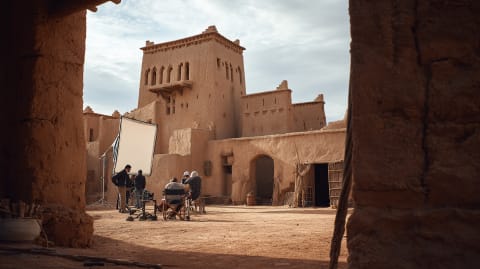
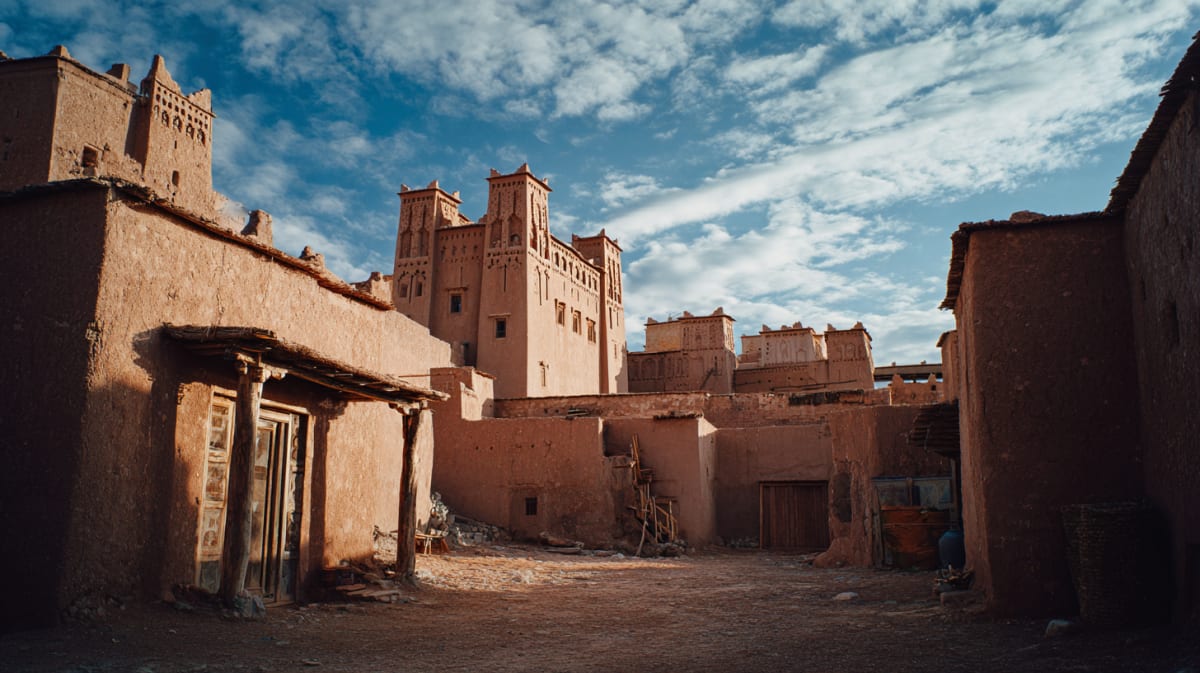
The crossing in reverse. Aït Benhaddou in morning light — the clay glows different at this hour, amber and warm, the ksar casting long shadows across the river. Then the climb. Tizi n'Tichka at 2,260 metres, the road switching back through shepherd country where the air tastes of thyme and cold stone. Your ears pop. The pass holds its breath. The descent reveals the Haouz plain — flat, green, impossibly different from the desert you woke in. Marrakech appears under the Atlas like it's been waiting for you specifically. The first glass of orange juice costs five dirhams and tastes like sunlight.
Day 5
Marrakech
The souks spiral inward by specialty—leather, brass, carpets, spices. Each turn narrows. Bahia Palace holds its painted ceilings in afternoon shadow. The hammam strips you down to quiet. By evening, Jemaa el-Fna transforms. Smoke rises from a hundred grills. Storytellers gather crowds. The square has done this for centuries. It doesn't need your permission.
Day 6
Essaouira
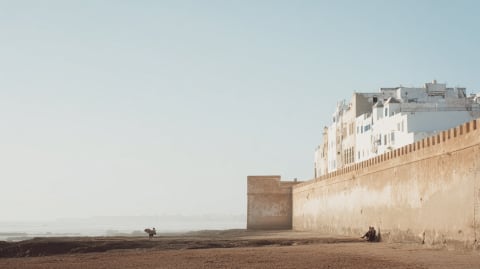
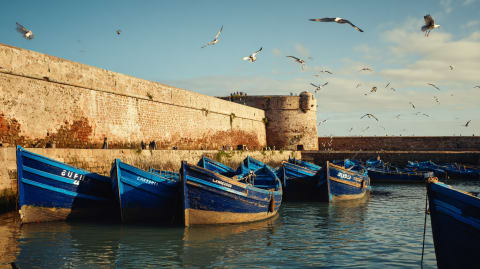
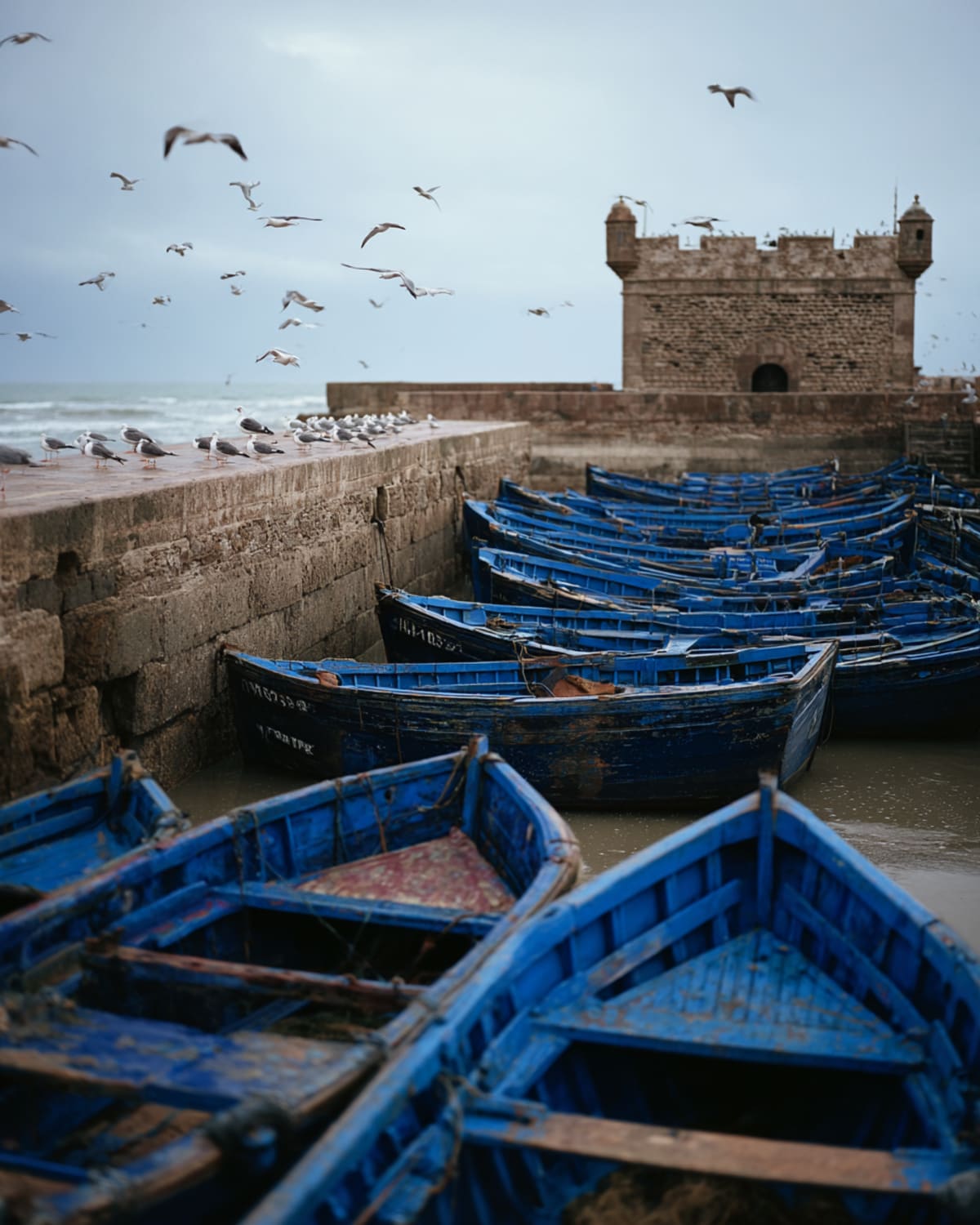
West toward water. The road flattens through argan groves where goats stand in the branches like punctuation marks against the sky. Women crack nuts at cooperatives, the oil tasting of earth and smoke when you dip bread into it. The air changes before you see the sea — salt, wind, something loosening in your shoulders you didn't know was tight. Essaouira appears white against blue. The port smells of fresh catch and rope and cedar shavings. Seagulls wheel. Shutters rattle in the alizé wind that hasn't stopped in recorded history. The city doesn't try to impress. She's busy being herself.
Day 7
Essaouira
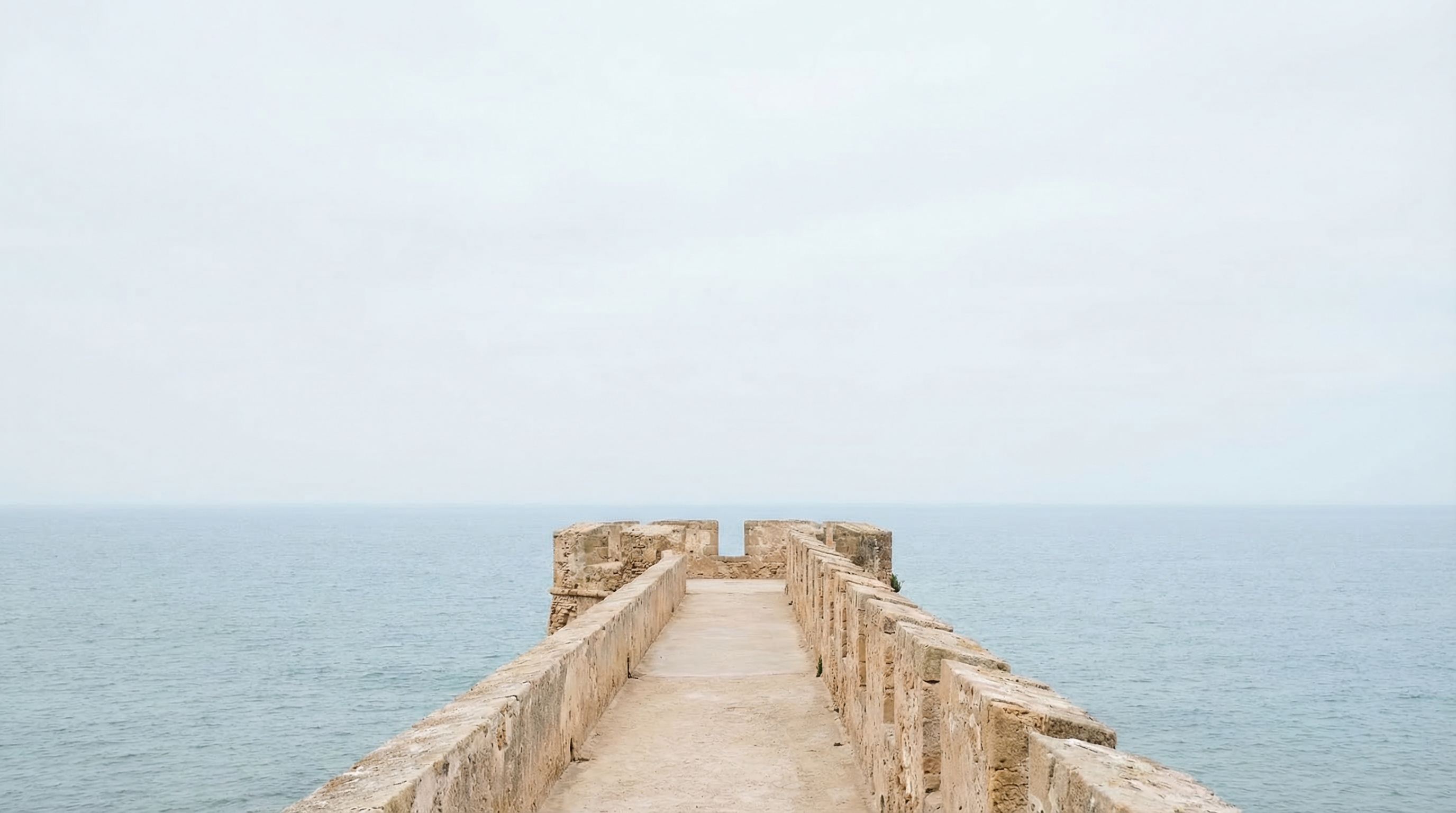
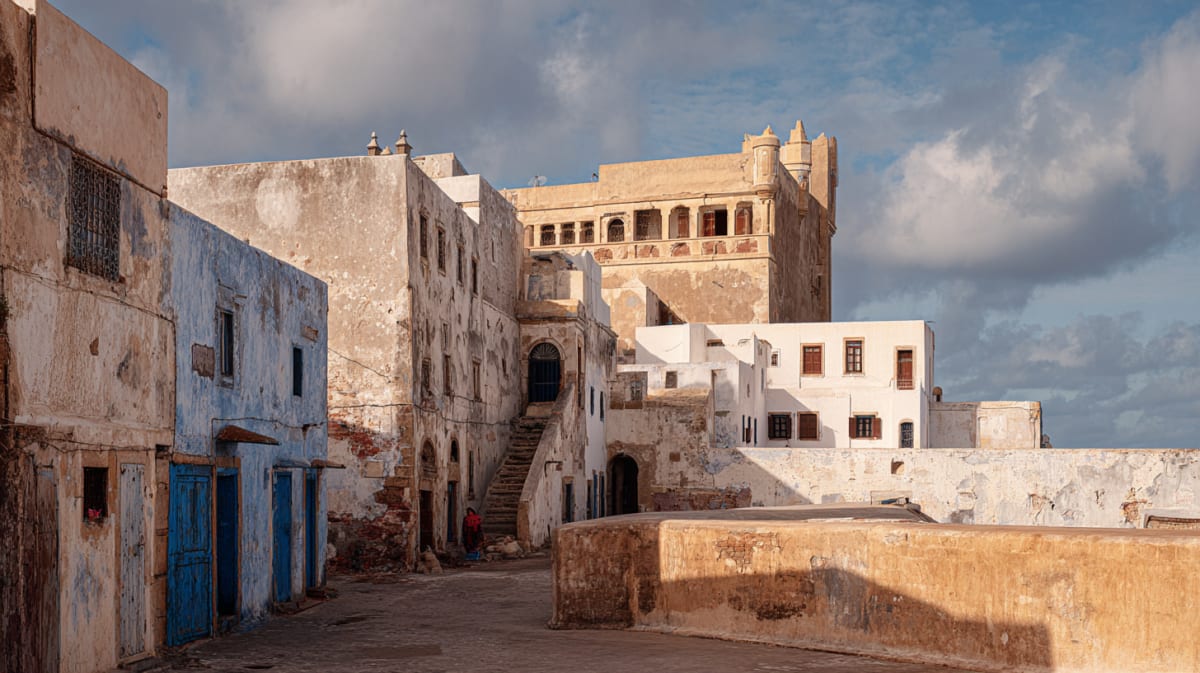
The wind never stops. That's the first thing. Essaouira moves at a different speed—artists in studios, fishermen mending nets, cats watching from ramparts. The port smells of sardines and salt. The beach stretches south toward nothing. By sunset, the walls glow gold. The Atlantic doesn't sparkle here. She pulls.
Day 8
Marrakech
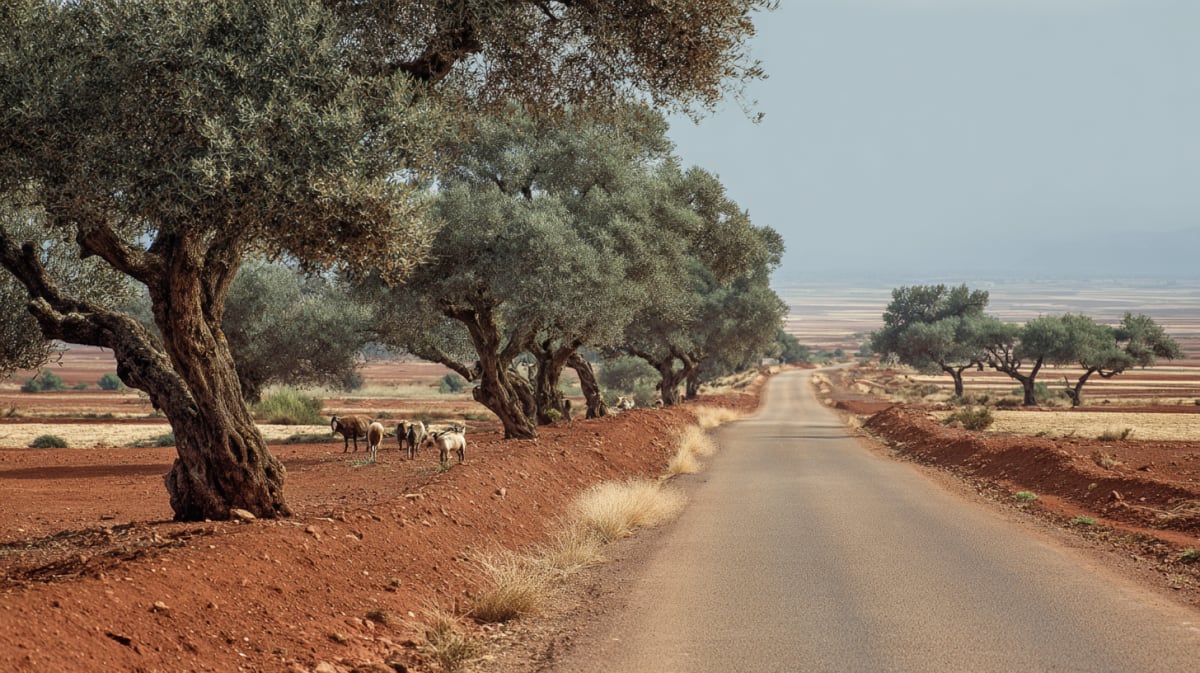
The coast releases you slowly. Fishing boats shrink in the mirror as the road turns inland, climbing through argan groves where goats perch in trees — not for tourists, just because the fruit is there and they are hungry. Women crack argan nuts at a cooperative, the oil golden and peppery when you taste it on bread. The plain opens and heat rises. The Atlas appears. Marrakech materialises as a shimmer before it becomes real — red walls, the Koutoubia, the palms. You've closed the circle. Salt is still in your hair. The wind has left your ears ringing. The city smells of orange blossom and woodsmoke and home.
Private Journeys
Plan this journey.
This route is private, and shaped around how you want to move through the country. Tell us what you're hoping to find — we'll design the trip around it.
There is more
This is just the shape of the route.
The full story — where the road changes, what the maps don't name, which detours are worth the dust — lives in the Slow Morocco letter. Written from the medina. Sent when it matters.
No frequency promises. Unsubscribe anytime.