4 Days
Fes to Marrakech
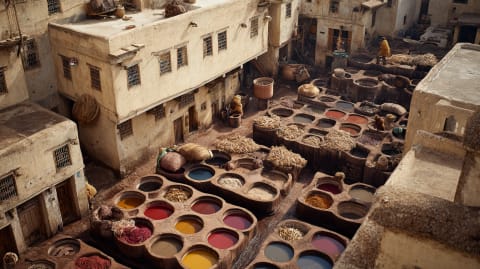
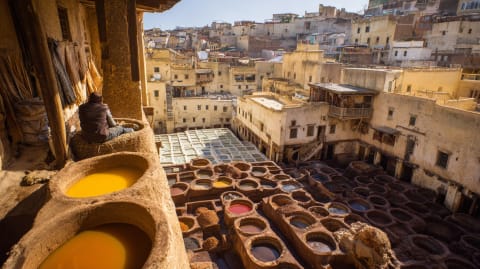
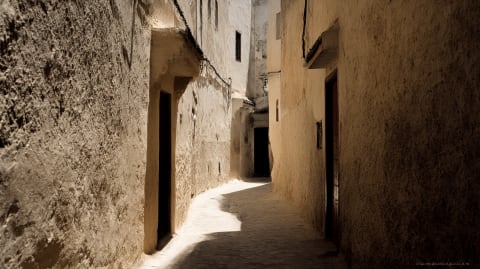
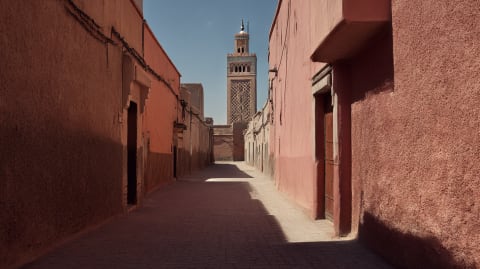
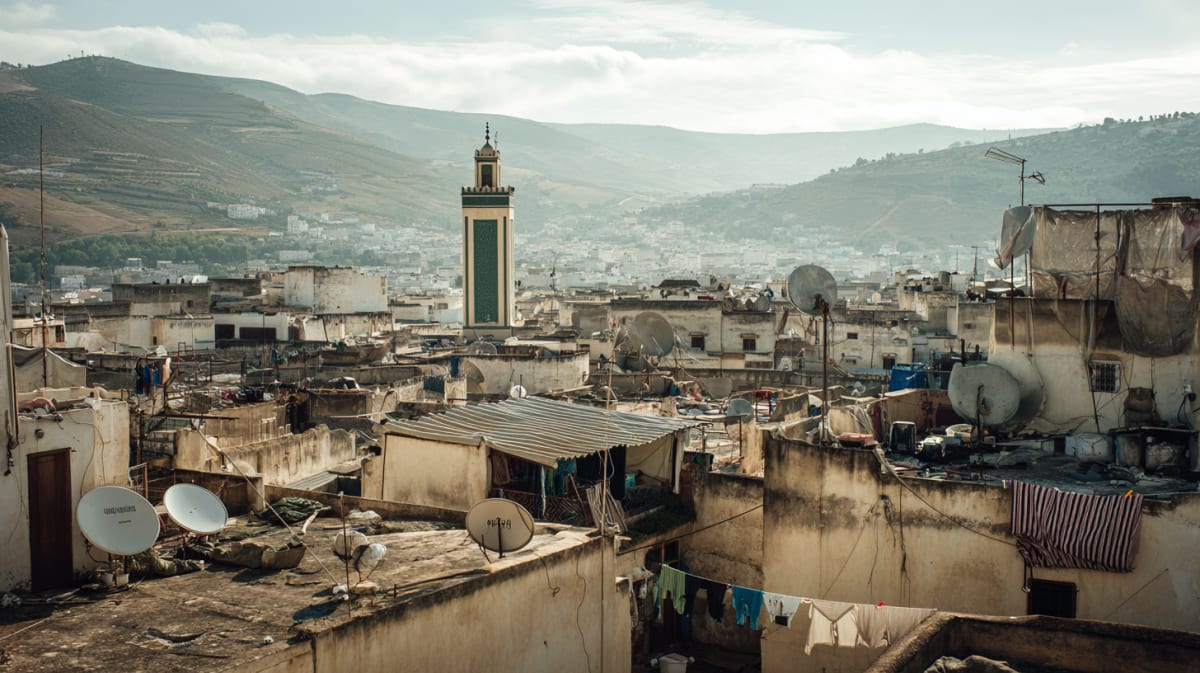
Start in the medieval labyrinth where the tannery vats glow at dawn and the call to prayer multiplies off a thousand walls. End in the red city where the square fills at dusk and the drums vibrate in your chest. Between them: the Sahara. The legendary corridor every traveller eventually takes — but the light hits differently heading south. The Atlas reveals itself in stages, each switchback a different Morocco. The dunes arrive like a held breath released. The gorges on the return cut through rock in colours your phone can't capture, which is the rock's way of telling you to put the phone down and look. Four days. Two cities that have argued about Morocco for a thousand years. One desert that doesn't care about either of them, and is right not to.
Day 1
Merzouga
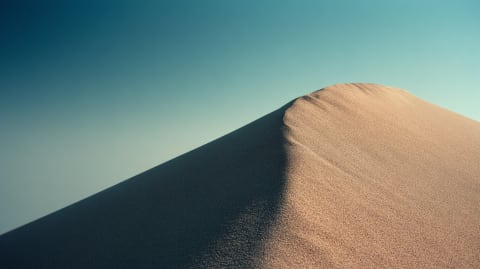
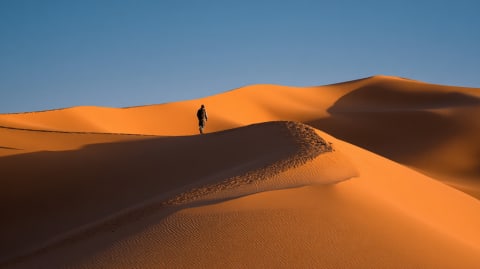
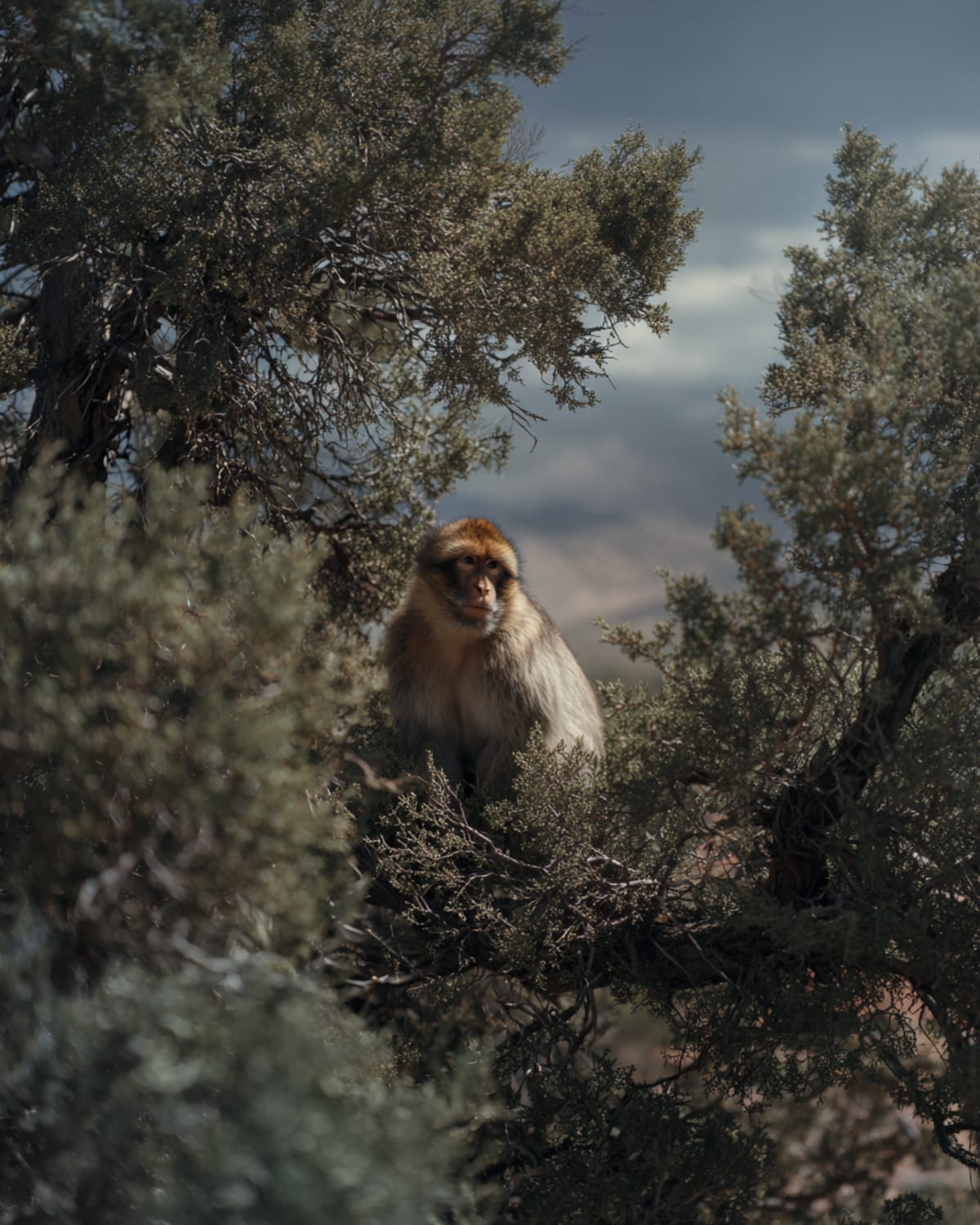
The longest day and the most dramatic shift. South from Fes through the Middle Atlas — cedar forests, Barbary macaques, air so cold and clean it stings your throat. Past Midelt the colour changes. Green to brown to ochre to gold. The Ziz Gorge cuts through red rock, palms lining the river like a procession. Erfoud passes — fossil town, the trilobites older than thought. Then the hammada flattens and empties. And there, rising from nothing, Erg Chebbi. Three hundred metres of sand, glowing copper in the last light. Your camp sits at the base. A camel waits. The sky is already filling with stars.
Day 2
Merzouga
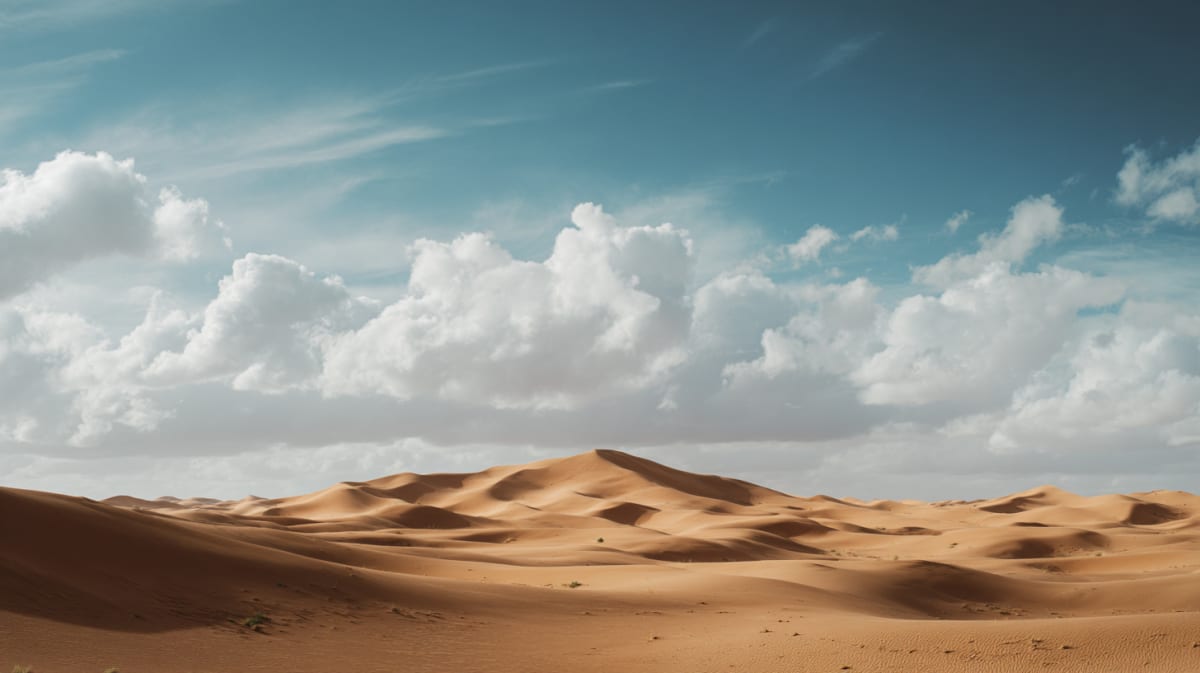
A day without roads. The dunes shift color as the sun moves—pink at dawn, gold at noon, orange by evening. You can walk to nomad tents where tea is poured without ceremony. Or drive to Khamlia where Gnawa music rises from the sand. Or do nothing. The desert doesn't require your participation. It just asks that you notice.
Day 3
Dades
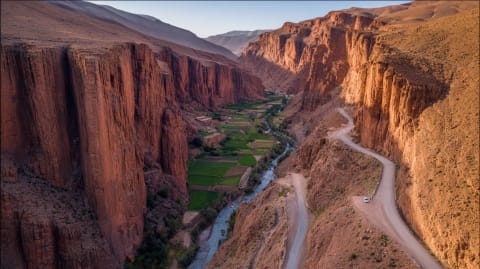
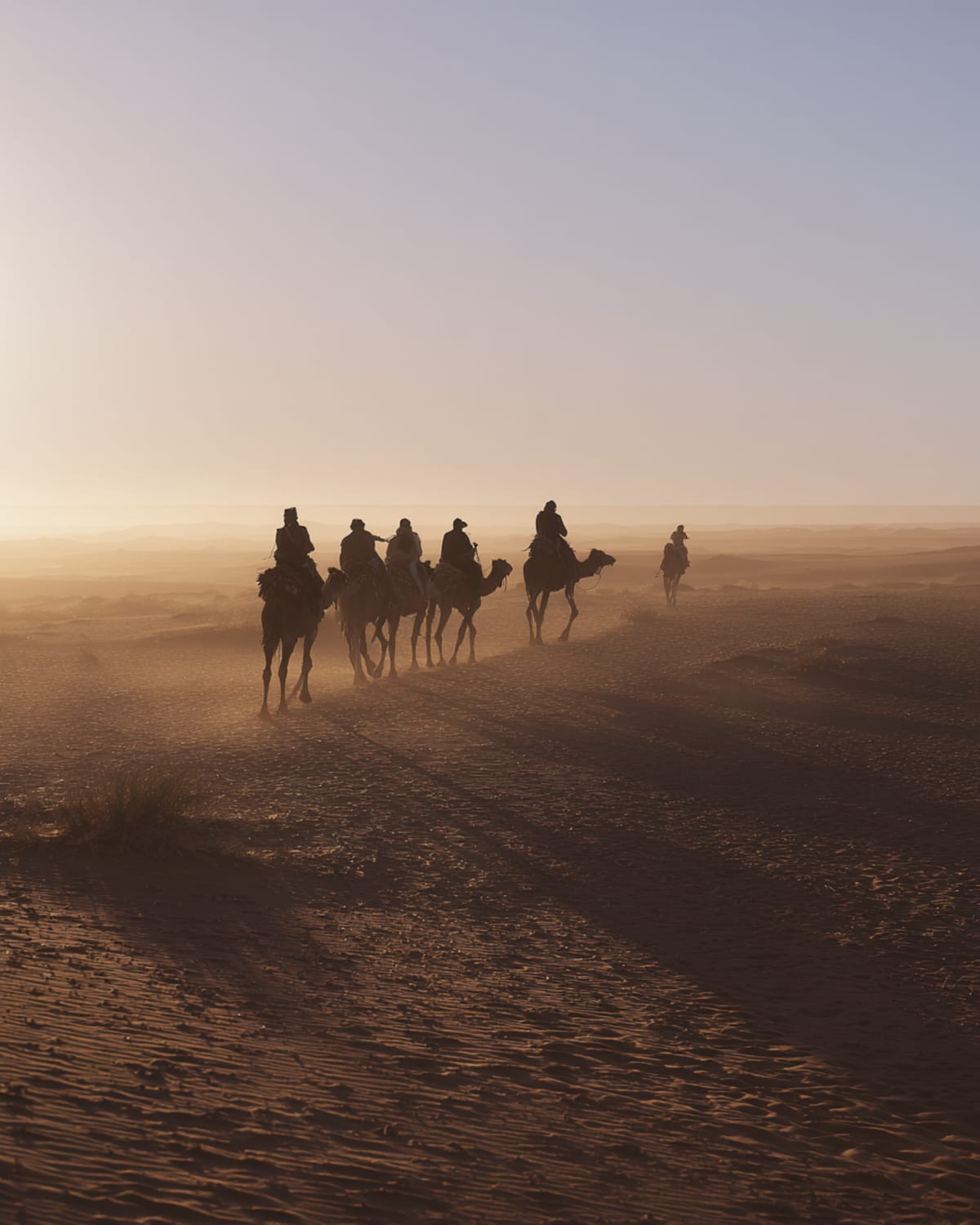
West from the dunes. The sand releases you slowly — first hammada, then the first scrub, then signs for towns that feel like rumours. Erfoud passes with its fossil workshops, trilobites older than imagination. Tinghir appears in its palm grove, the green so vivid after the desert it looks artificial. Then Todra — walls rising vertical and close, the river cold at the bottom, your voice echoing off limestone that has been standing since before the word for stone existed. The road opens into the Dades. The valley glows copper at sunset, the kasbahs catching the last light like lanterns. You sleep in the gorge. The stars are framed by the canyon walls.
Day 4
Marrakech
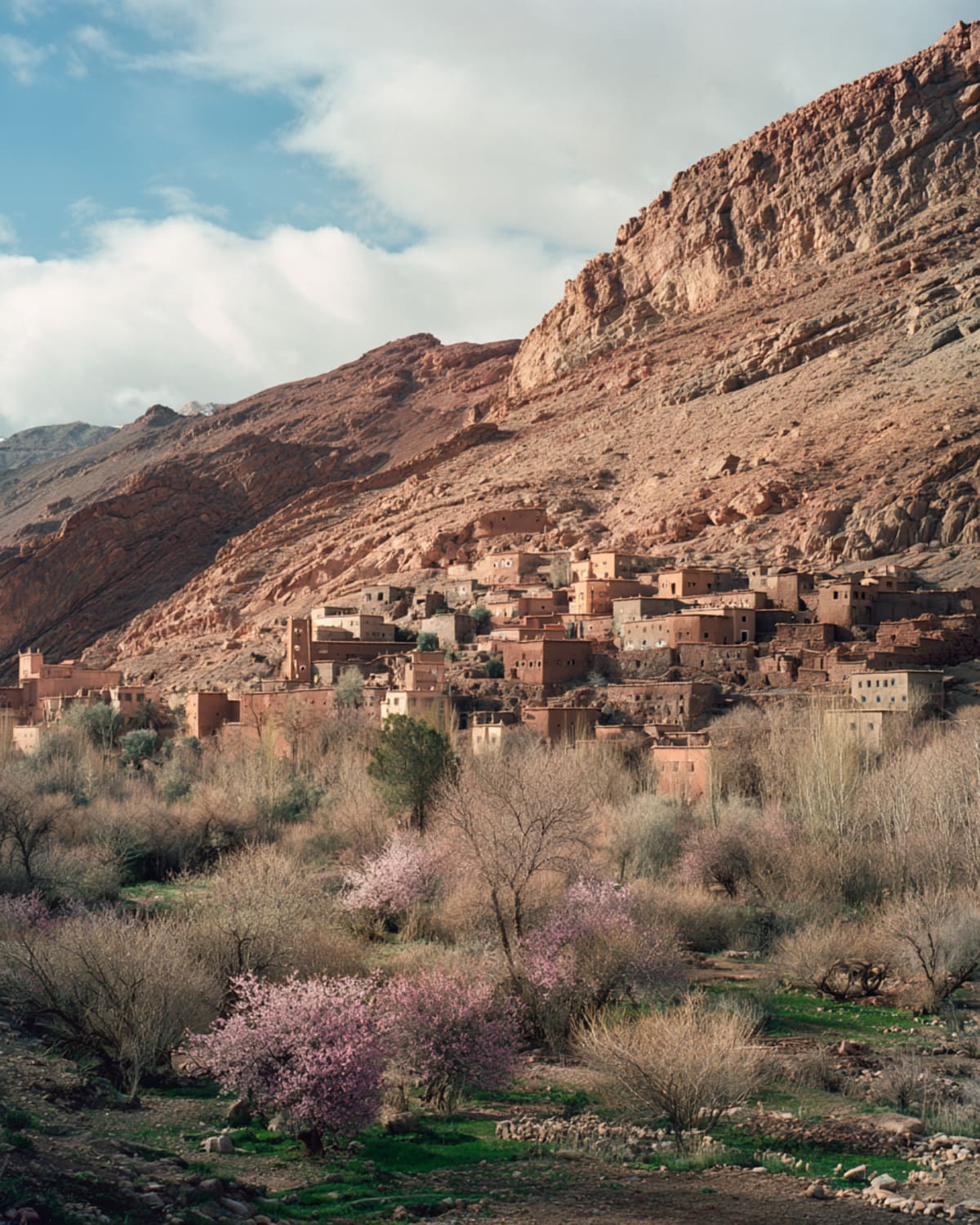
The valley narrows, then releases. Ouarzazate passes at the crossroads — gateway town, the Atlas ahead of you now. Then the climb. Tizi n'Tichka winds upward through stone and shepherd country, the air thinning, the road carved into the mountainside by the French in 1936. You pass through villages where women sell fossils and amethyst from blankets spread on the verge. The pass crests at 2,260 metres. The north side is different — greener, cooler, the smell of thyme and wet stone. By evening Marrakech appears on the plain below, lit amber in the haze. The descent feels like arriving somewhere your body already knows.
Private Journeys
Plan this journey.
This route is private, and shaped around how you want to move through the country. Tell us what you're hoping to find — we'll design the trip around it.
There is more
This is just the shape of the route.
The full story — where the road changes, what the maps don't name, which detours are worth the dust — lives in the Slow Morocco letter. Written from the medina. Sent when it matters.
No frequency promises. Unsubscribe anytime.