5 Days
Middle Atlas Discovery
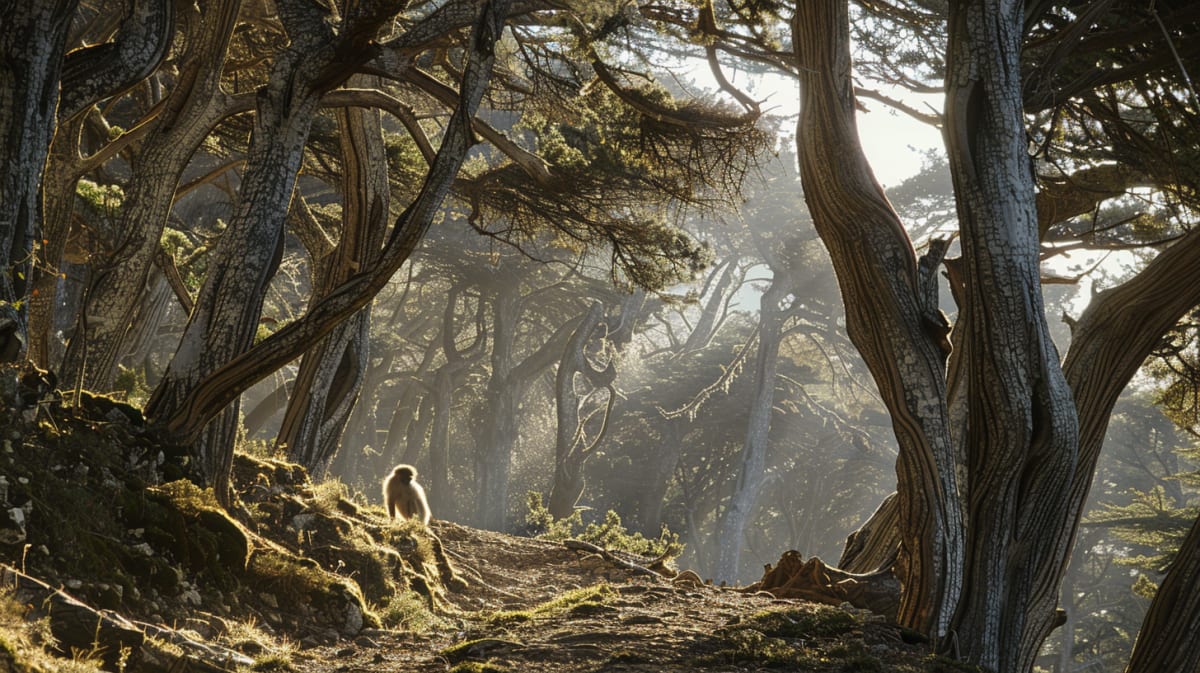
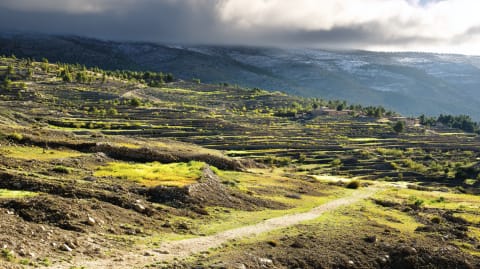
An hour from Fes, Morocco becomes alpine and stays that way for days. Cedar forests thick enough to lose the sun, the trunks ancient and wide, the air cold and sharp with resin. Barbary macaques watching from branches with the entitlement of landlords. Lakes reflecting peaks that hold snow. Ifrane's improbable tidiness — flower beds, swept streets, chalets. It is the Morocco nobody expects and nobody photographs and that is exactly its power. Five days in the mountains that make you reconsider the word 'Morocco' and everything it conjured before you came.
Day 1
Fes
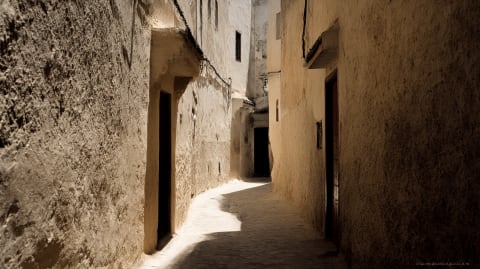
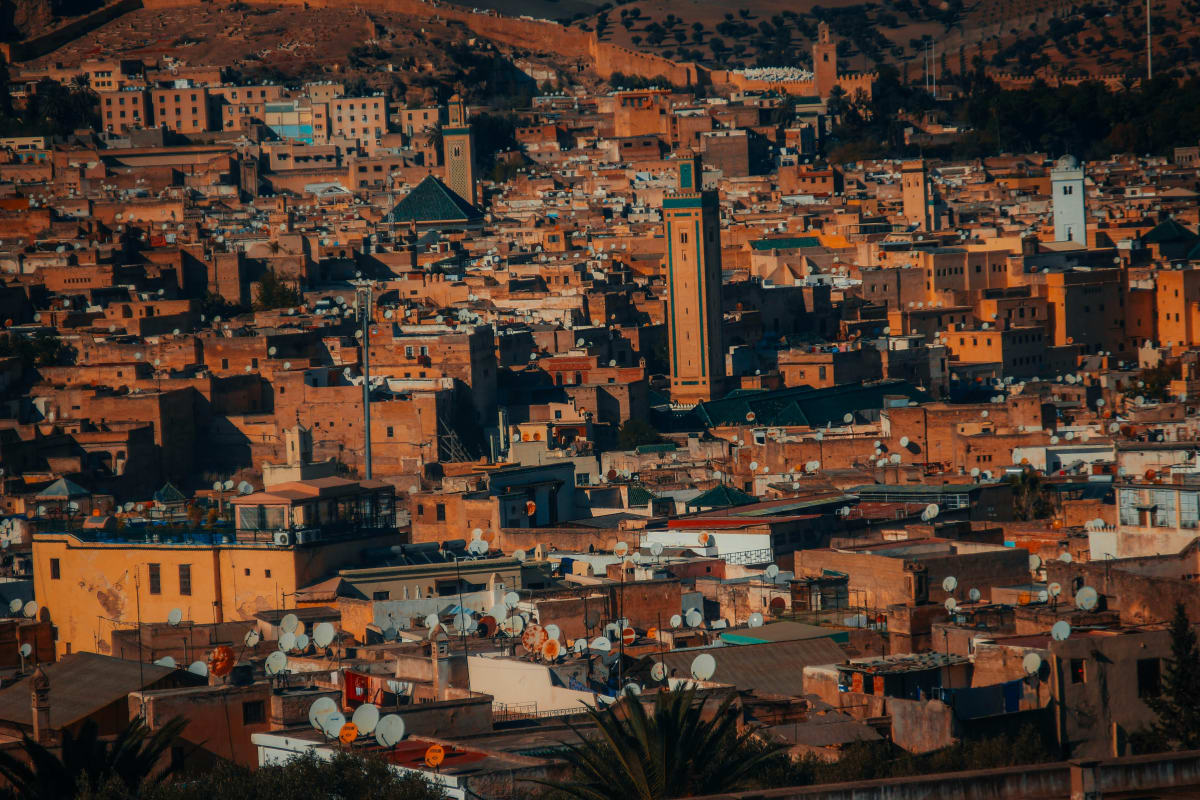
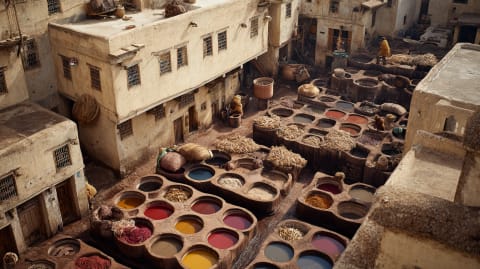
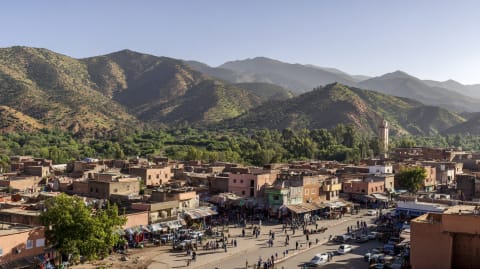
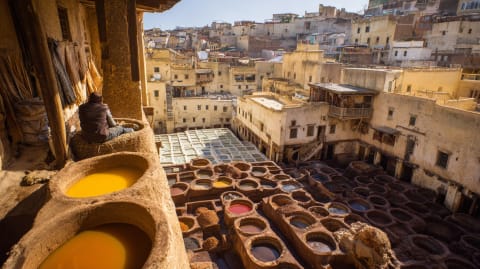
Nine thousand alleys. The medina hasn't changed in a thousand years—same crafts, same quarters, same calls echoing off the walls. The tanneries still use pigeon dung. The brass workers still hammer by hand. You get lost. Everyone does. A boy leads you out for a coin. By evening, you've stopped trying to map it. The labyrinth is the point.
Day 2
Ifrane
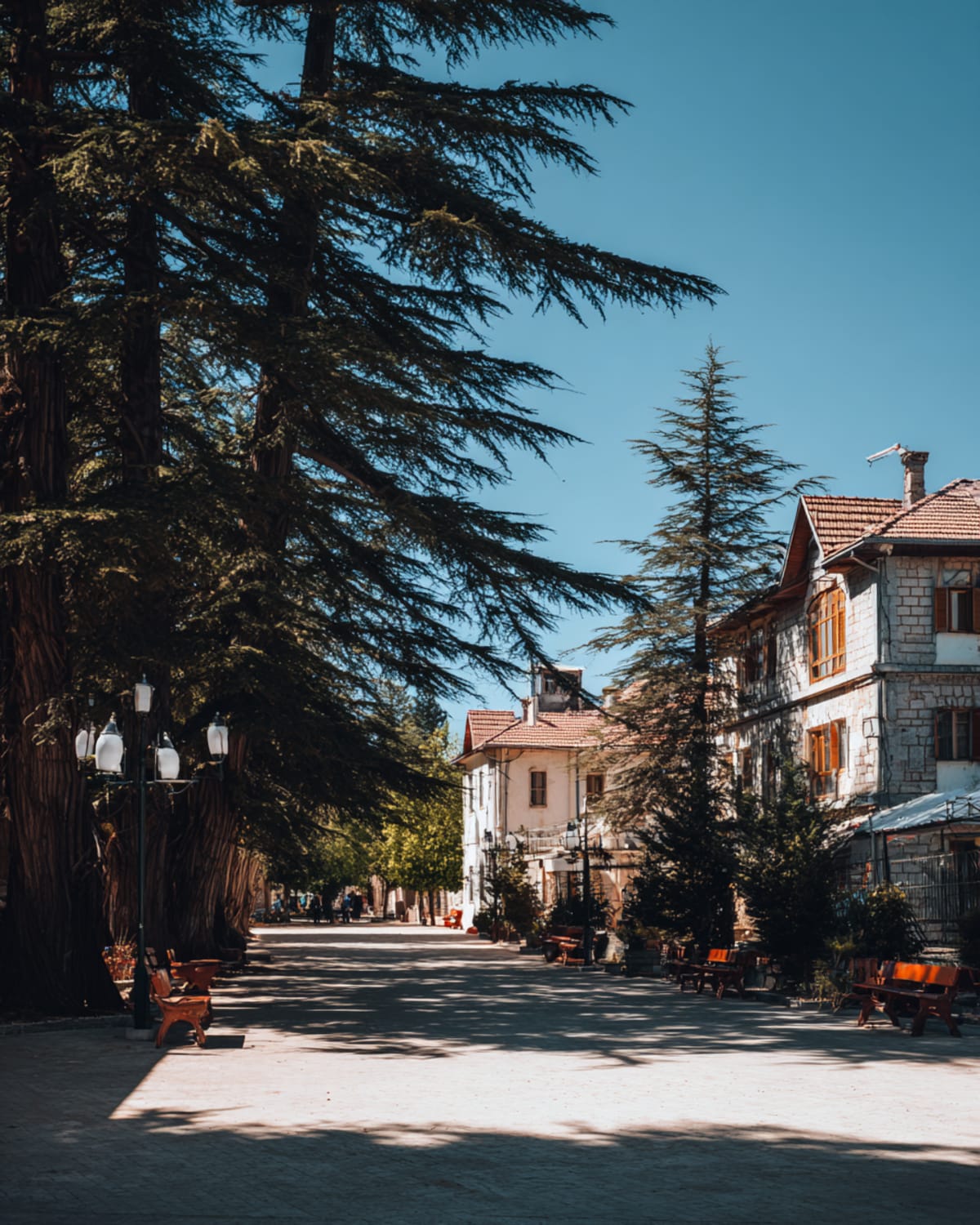
The road climbs south from Fes and the temperature drops like a secret being revealed. The Saïss plain gives way to oak and cedar. Ifrane appears immaculate — flower beds, swept streets, chalets with pitched roofs. They call it Morocco's Switzerland and the comparison isn't lazy, it's disorienting. Snow falls here in winter. Students from the university walk between buildings that could be in Lausanne. The air is clean enough to taste. After the sensory assault of Fes, Ifrane feels like someone turned the volume down and handed you a glass of cold water.
Day 3
Fes
North from the cedars. The road descends through the Middle Atlas and the temperature climbs with every switchback — cold forest air warming to valley heat. Ifrane's tidiness fades behind you. The land opens into the Saïss plain, olive groves and wheat stretching to the horizon. Fes appears gradually — first the new city, then the walls, then the minarets rising from the medina like fingers pointing at something only they can see. You enter through Bab Boujloud and the century changes under your feet.
Day 4
Azrou
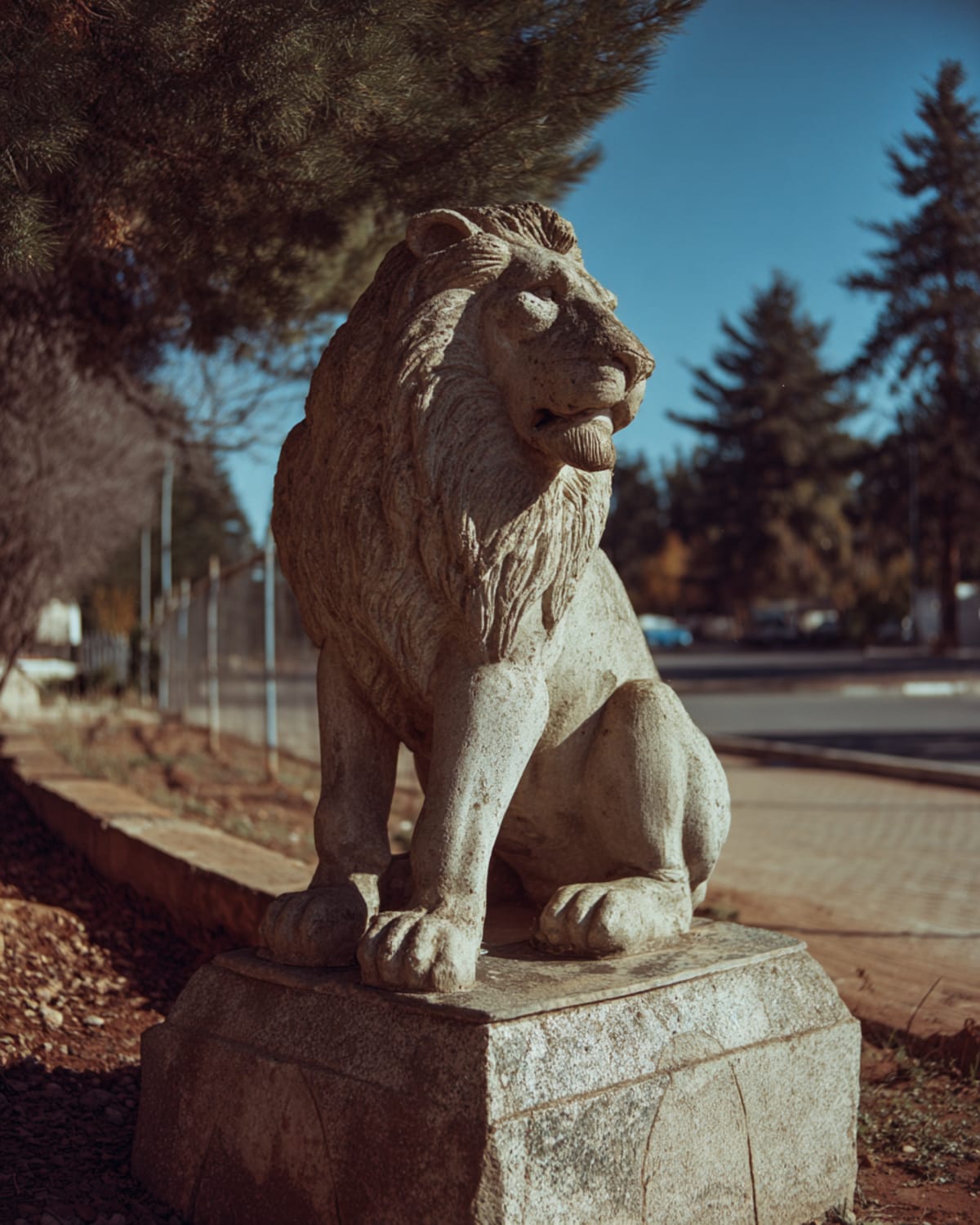
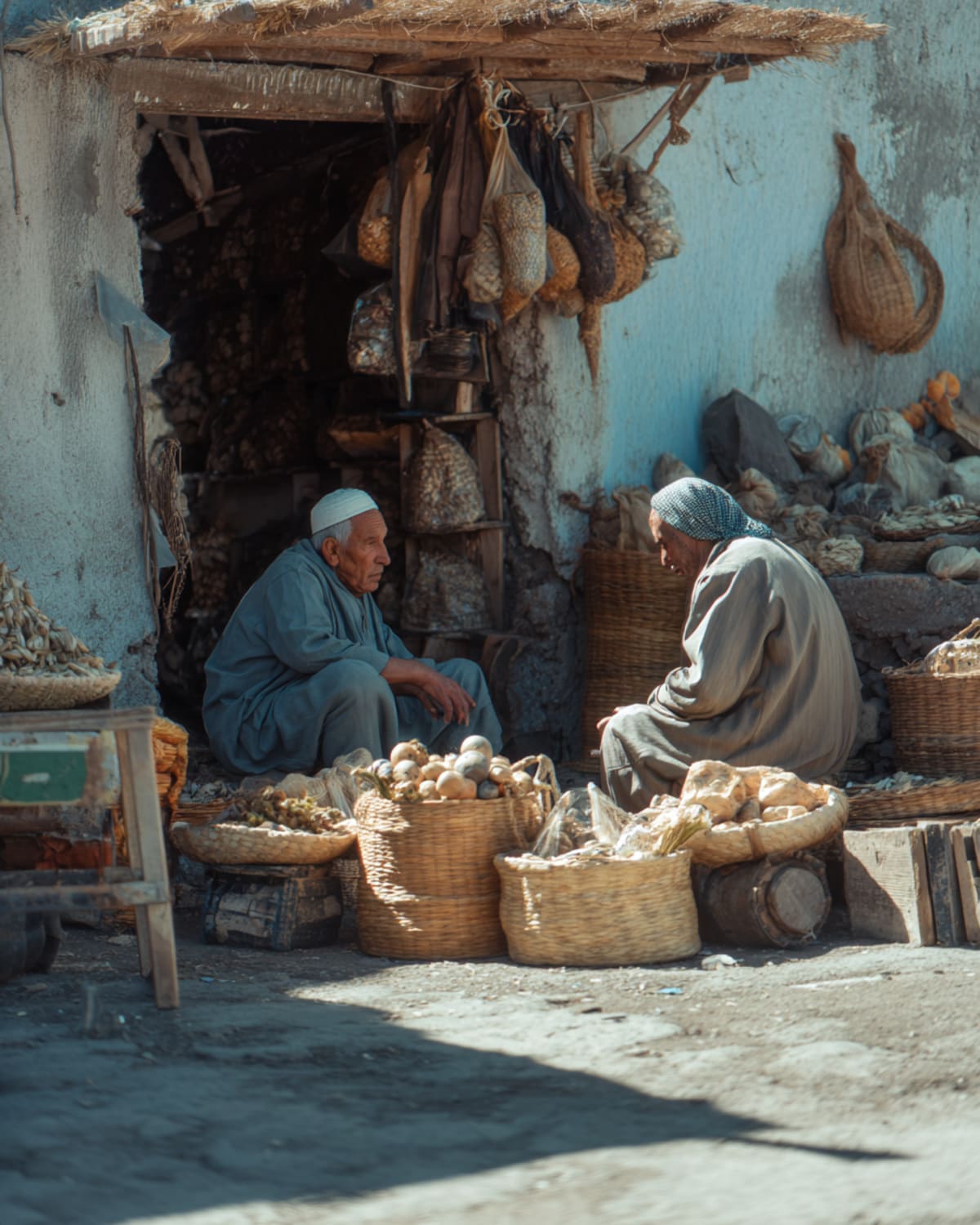
South into the Middle Atlas. Fes releases you reluctantly — the suburbs thin, the land rises, and suddenly you are in country that looks nothing like Morocco. Ifrane appears like a Swiss village teleported to North Africa — red roofs, clipped lawns, a stone lion guarding the entrance. Past the town the cedars begin. Ancient trees, some over eight hundred years old, their canopy so thick the temperature drops five degrees. Barbary macaques sit on the roadside with the entitlement of landlords. Azrou waits in the heart of the forest — a Berber market town where craftsmen carve the fragrant wood.
Day 5
Midelt
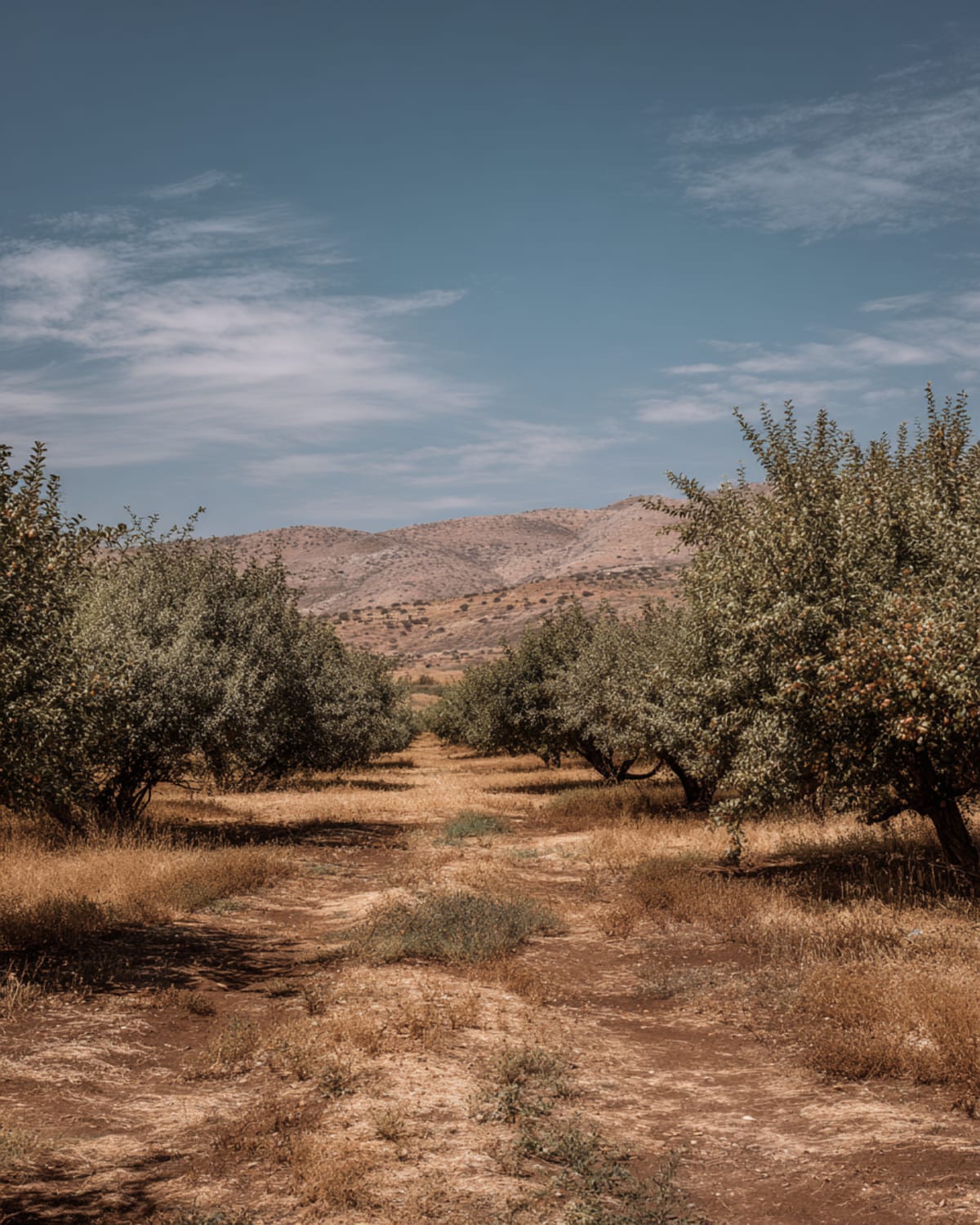
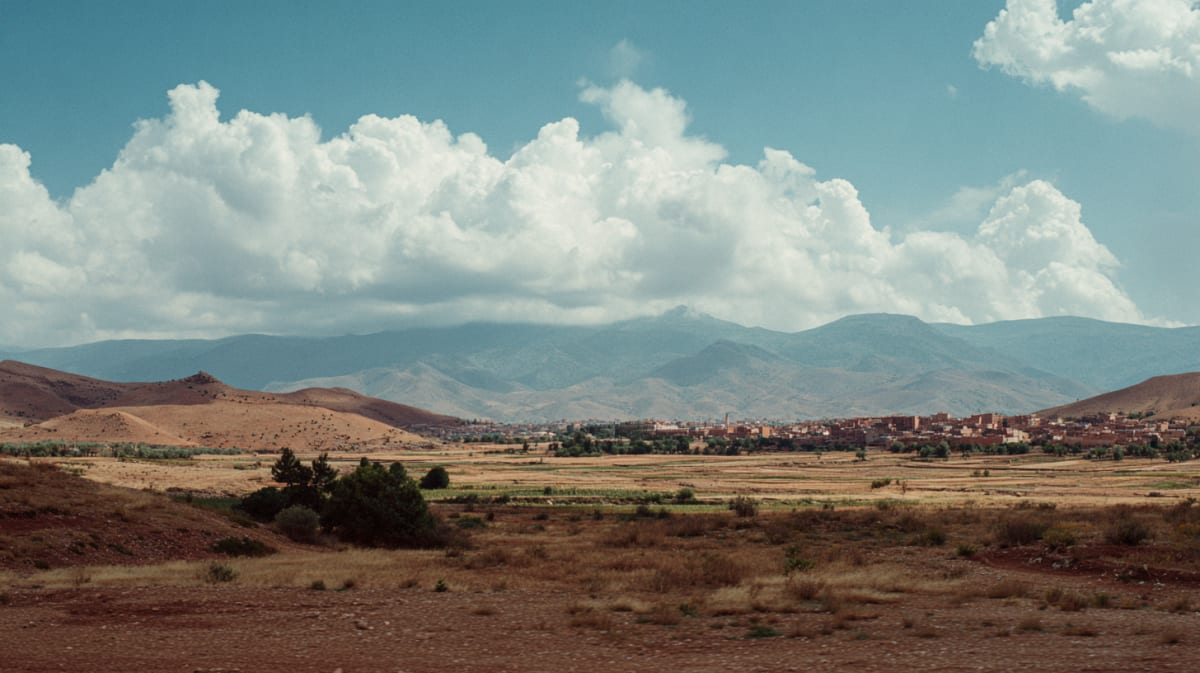
South through the cedars. The forest closes around you — ancient trees with trunks wider than the car, Barbary macaques watching from branches with an expression that says they were here first. The air smells of Christmas in the middle of Morocco. Past the forest the landscape opens and dries. The Middle Atlas rolls in long brown waves. Midelt appears in the valley below Jebel Ayachi, a mountain that holds snow into May. The town sells apples and fossils. The restaurant serves trout from the river. You are halfway between Fes and the desert, and the light is already changing.
Private Journeys
Plan this journey.
This route is private, and shaped around how you want to move through the country. Tell us what you're hoping to find — we'll design the trip around it.
There is more
This is just the shape of the route.
The full story — where the road changes, what the maps don't name, which detours are worth the dust — lives in the Slow Morocco letter. Written from the medina. Sent when it matters.
No frequency promises. Unsubscribe anytime.



From the Archive