10 Days
Morocco Photography Journey
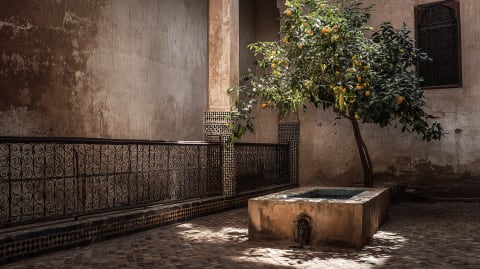
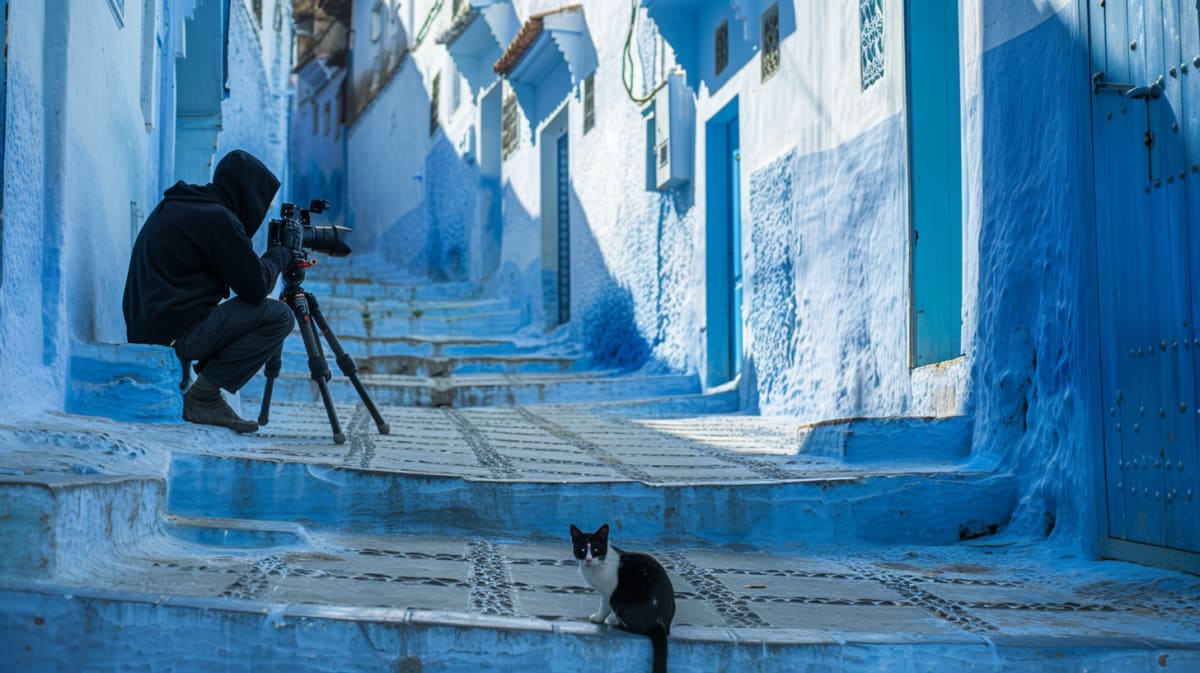
Scheduled around light, not logistics — and in Morocco the light is the reason painters crossed the Mediterranean and never went home. Blue hour in Chefchaouen when the walls deepen to indigo and the shadows fill the stairways. Golden hour in the desert when the dunes turn from gold to copper to a colour that makes your sensor work for its living. The way afternoon sun falls through medina lattice and scatters geometric patterns across tiled floors — who designed this? The architect or the sun? Both, and neither knows it. The moment before sunset when the Atlas turns pink and the city below turns amber and the space between them is pure violet. Ten days. You will learn where to stand and when to wait. You will understand that the best photographs in Morocco are the ones the light gives you, not the ones you chase.
Day 1
Marrakech
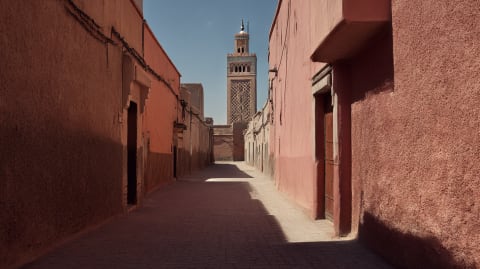
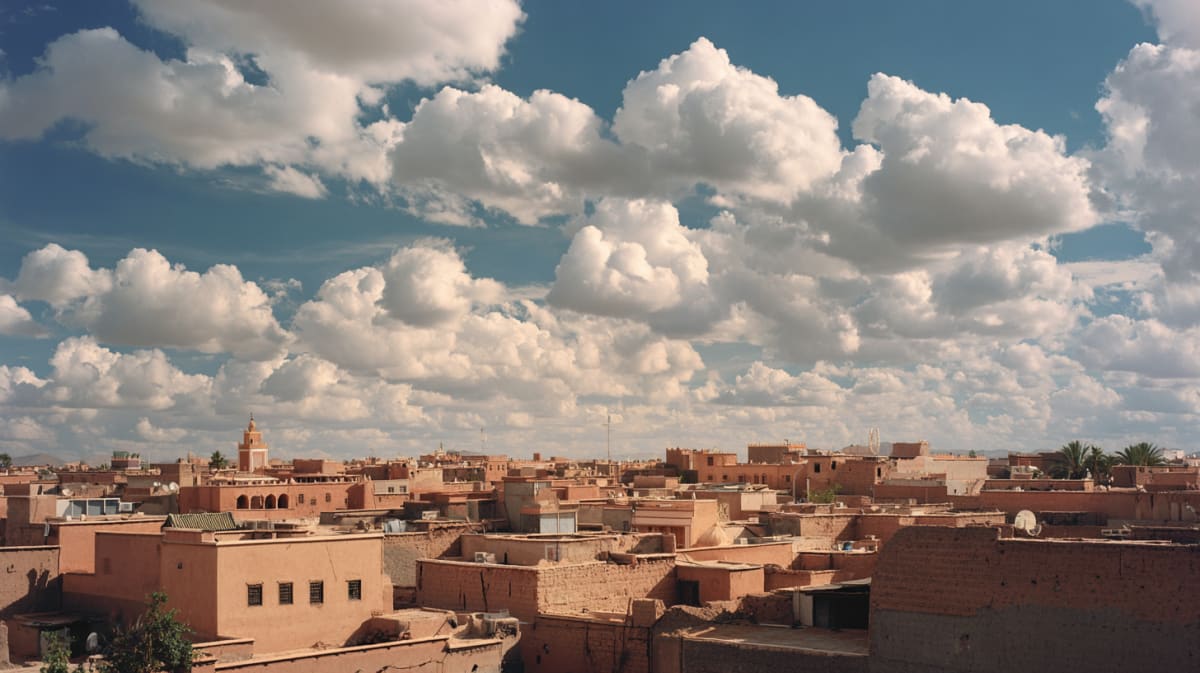
The souks spiral inward by specialty—leather, brass, carpets, spices. Each turn narrows. Bahia Palace holds its painted ceilings in afternoon shadow. The hammam strips you down to quiet. By evening, Jemaa el-Fna transforms. Smoke rises from a hundred grills. Storytellers gather crowds. The square has done this for centuries. It doesn't need your permission.

Day 2
Ouarzazate
The road climbs until Marrakech disappears — first the palms, then the minarets, then the haze. Stone villages cling to slopes where the light shifts by the hour, women carrying bundles of firewood along paths that predate the tarmac by centuries. Switchbacks tighten around you like a held breath. Your ears pop at the pass — 2,260 metres, the highest paved road in Morocco. The south side is different. Drier. Warmer. The colour changes from green to ochre in the space of a single bend. By afternoon, the mountains release you into silence. Ouarzazate waits — not as a destination but as a threshold. A glass of tea arrives before you ask. The mint cuts through the dust on your tongue.
Day 3
Merzouga
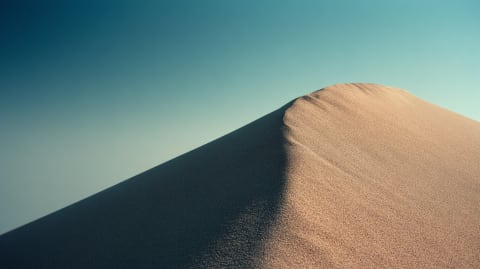
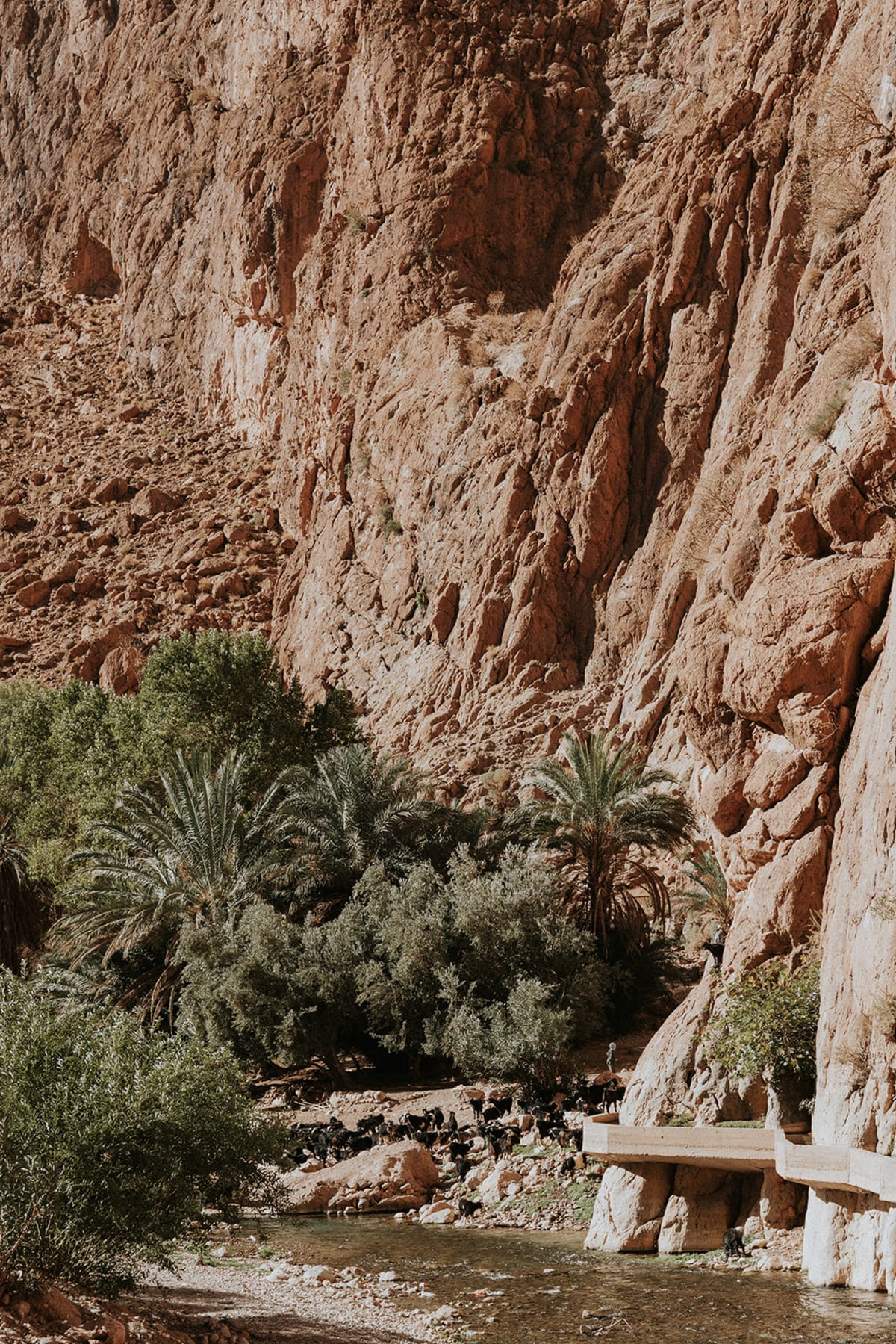
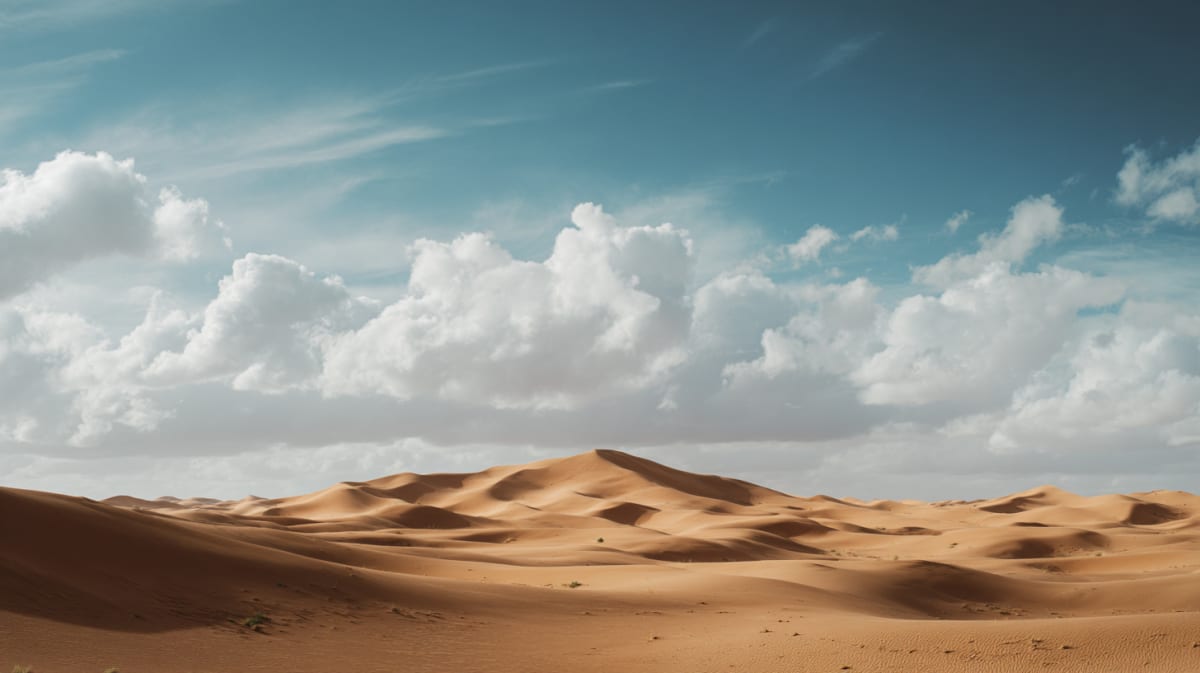
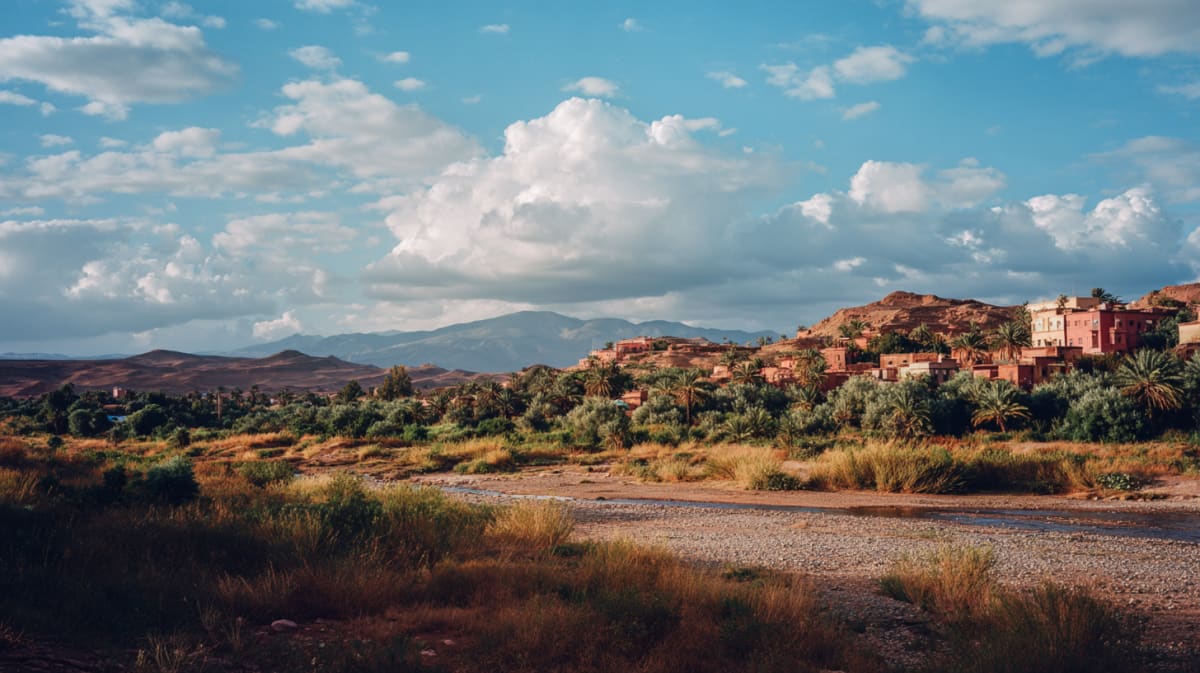
East into the pre-Sahara. The road stretches through country that empties as you go — each town smaller, each valley drier, the horizons widening. Tinghir's palm grove is the last serious green. Then Todra — canyon walls vertical and close, the afternoon shadow pooling at the bottom like spilled ink, the river running cold over your hand when you reach down. Beyond Erfoud the hammada ends. Erg Chebbi rises from the flat earth. The dunes turn gold, then orange, then colours your vocabulary can't reach as the light falls. Camp appears at the base. The sand is warm under your palm. The first stars arrive before you're ready.
Day 4
Merzouga
A day without roads. The dunes shift color as the sun moves—pink at dawn, gold at noon, orange by evening. You can walk to nomad tents where tea is poured without ceremony. Or drive to Khamlia where Gnawa music rises from the sand. Or do nothing. The desert doesn't require your participation. It just asks that you notice.
Day 5
Fes
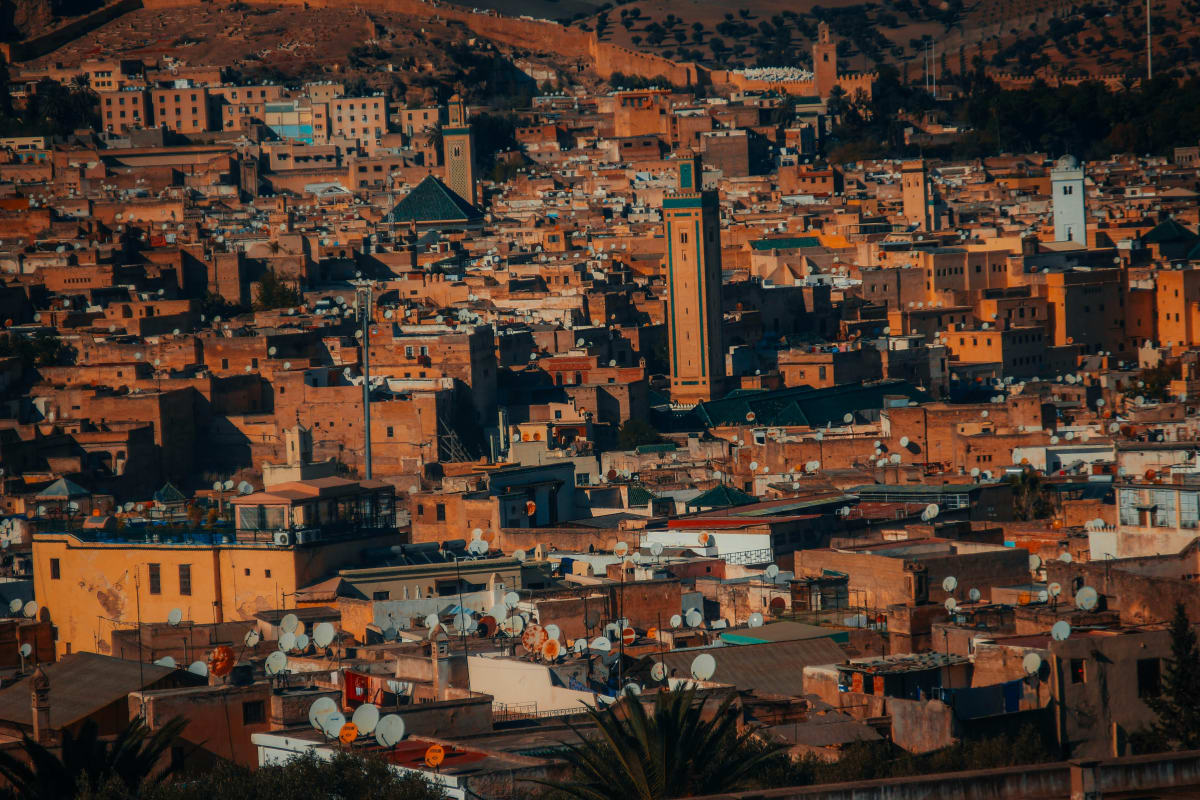
You leave the dunes at dawn. The sand still holds last night's cold under your bare feet. North through the Ziz — palms pressed against red canyon walls, the gorge narrowing and opening like breathing. The Middle Atlas appears in cedar and mist. The air changes — colder, wetter, the smell of pine resin and wet bark. Barbary macaques sit in the branches like philosophers holding court. By evening Fes sprawls below its hills — a thousand years of medina, smoke rising from a hundred hammams, the faint sound of brass being hammered reaching you before you've found the gate. You've crossed from sand to civilisation. The desert hasn't left.
Day 6
Fes
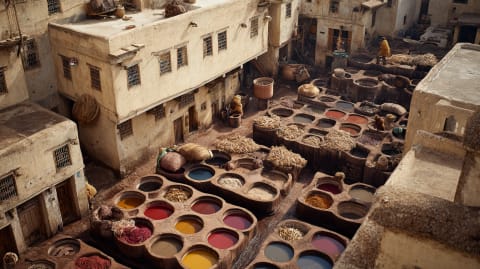
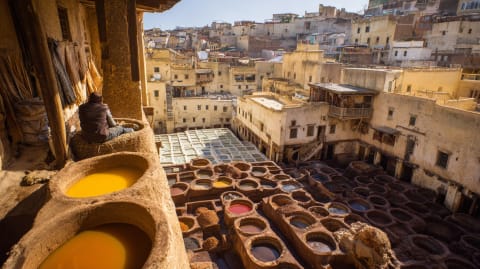
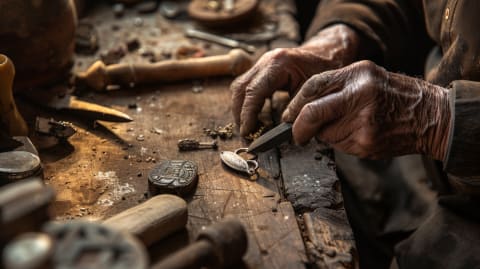
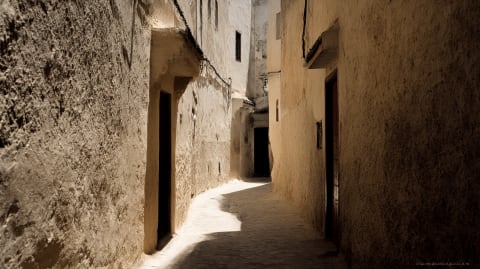
Nine thousand alleys. The medina hasn't changed in a thousand years—same crafts, same quarters, same calls echoing off the walls. The tanneries still use pigeon dung. The brass workers still hammer by hand. You get lost. Everyone does. A boy leads you out for a coin. By evening, you've stopped trying to map it. The labyrinth is the point.
Day 7
Chefchaouen
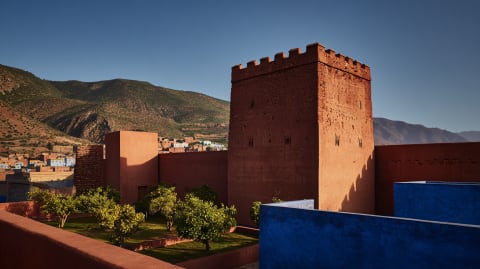
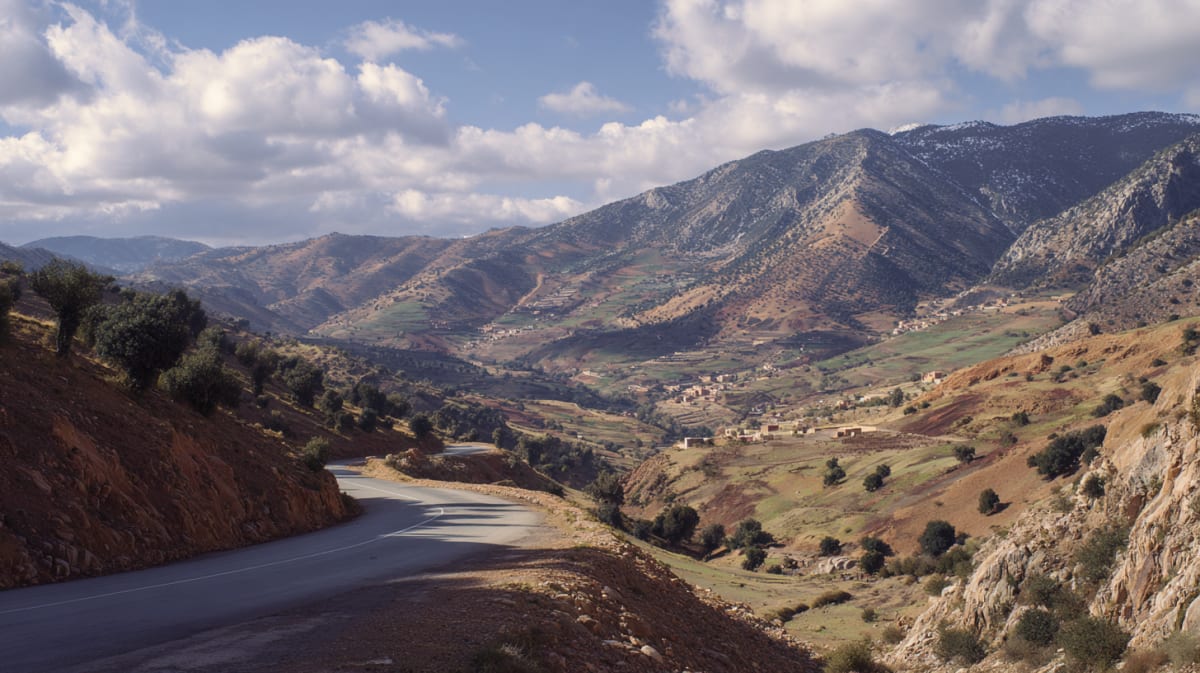
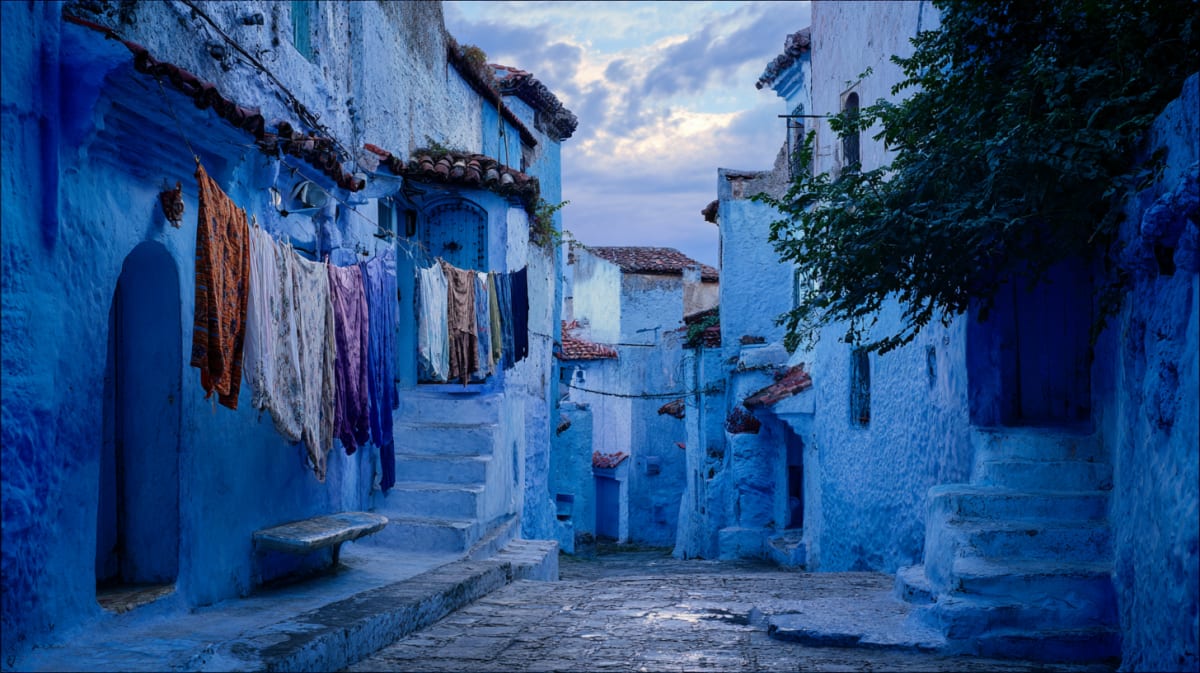
North into the Rif. The imperial flatlands give way to mountains that don't care about dynasties or centuries of scholarship — they just rise, green and indifferent. Villages appear white against the slopes, their minarets small and defiant. The road winds tighter, the air cooling, the smell of wet earth and eucalyptus replacing the medina's leather and cedar. Then Chefchaouen — blue spilling down the mountainside like someone knocked over the sky. The twin peaks watch. The paint doesn't explain itself. The first cup of tea arrives in a glass the colour of the walls. You drink the town.
Day 8
Chefchaouen
Blue on blue on blue. Every surface painted—walls, steps, doorways, pots. The tradition started with Jewish refugees in the 1930s. No one remembers exactly why. The color just is now. You climb to the Spanish Mosque at sunset. The blue rooftops spread below. The Rif peaks watch. The town doesn't explain itself. Neither should you.
Day 9
Fes
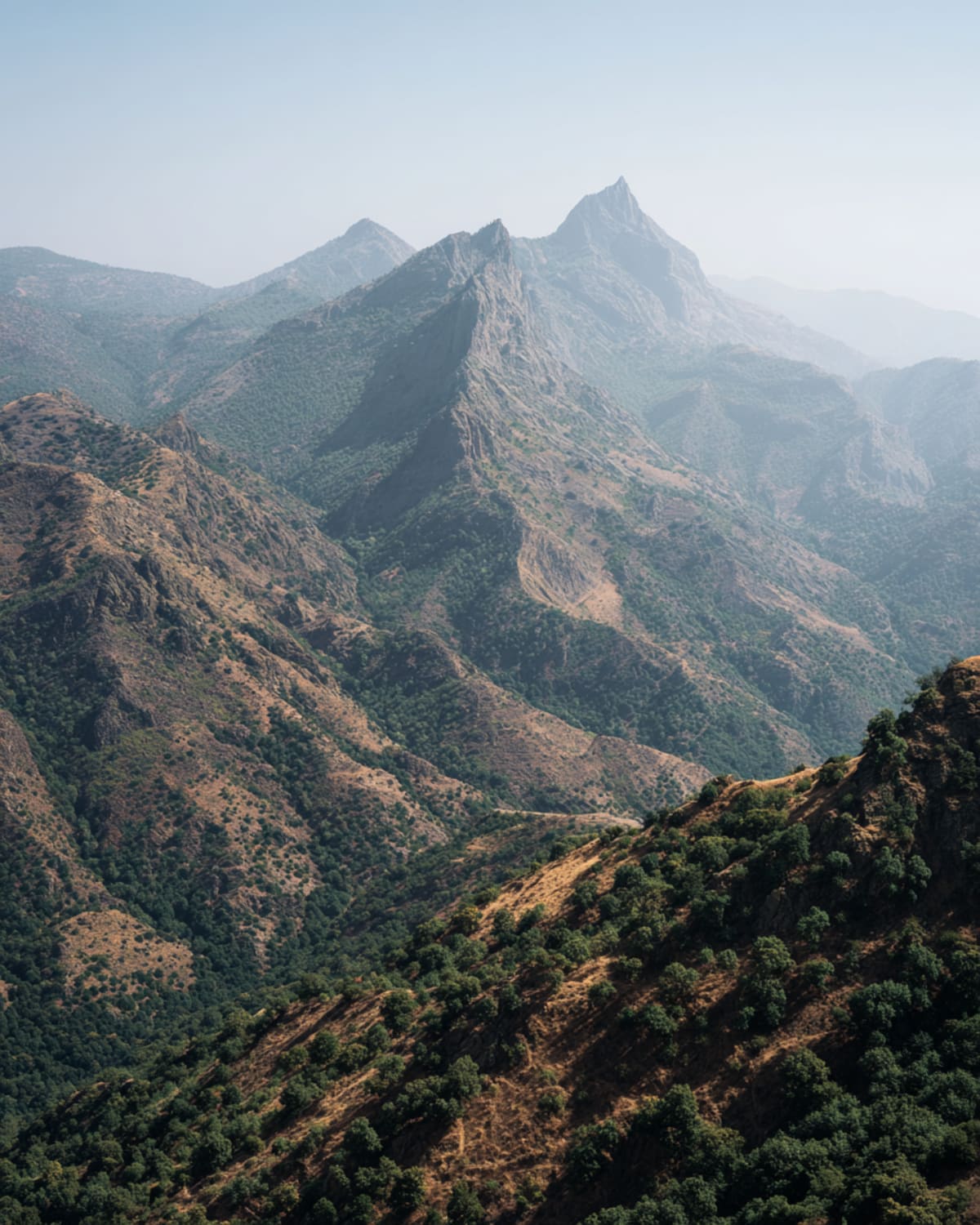
South from the blue hills. The Rif releases you in stages — blue walls fading, green slopes opening, the road finding its rhythm through olive groves and small towns where men play cards outside cafés that have served the same coffee for thirty years. The land flattens into the Saïss plain, golden and vast. Fes appears in its valley the way all great cities should — gradually, the minarets first, then the walls, then the scent of cedar and leather reaching you before you've parked. The medina awaits with its twelve centuries of accumulated intensity. You enter and the maze begins.
Day 10
Fes
Nine thousand alleys. The medina hasn't changed in a thousand years—same crafts, same quarters, same calls echoing off the walls. The tanneries still use pigeon dung. The brass workers still hammer by hand. You get lost. Everyone does. A boy leads you out for a coin. By evening, you've stopped trying to map it. The labyrinth is the point.
Private Journeys
Plan this journey.
This route is private, and shaped around how you want to move through the country. Tell us what you're hoping to find — we'll design the trip around it.
There is more
This is just the shape of the route.
The full story — where the road changes, what the maps don't name, which detours are worth the dust — lives in the Slow Morocco letter. Written from the medina. Sent when it matters.
No frequency promises. Unsubscribe anytime.