10 Days
10-Day Atlantic Coast Journey
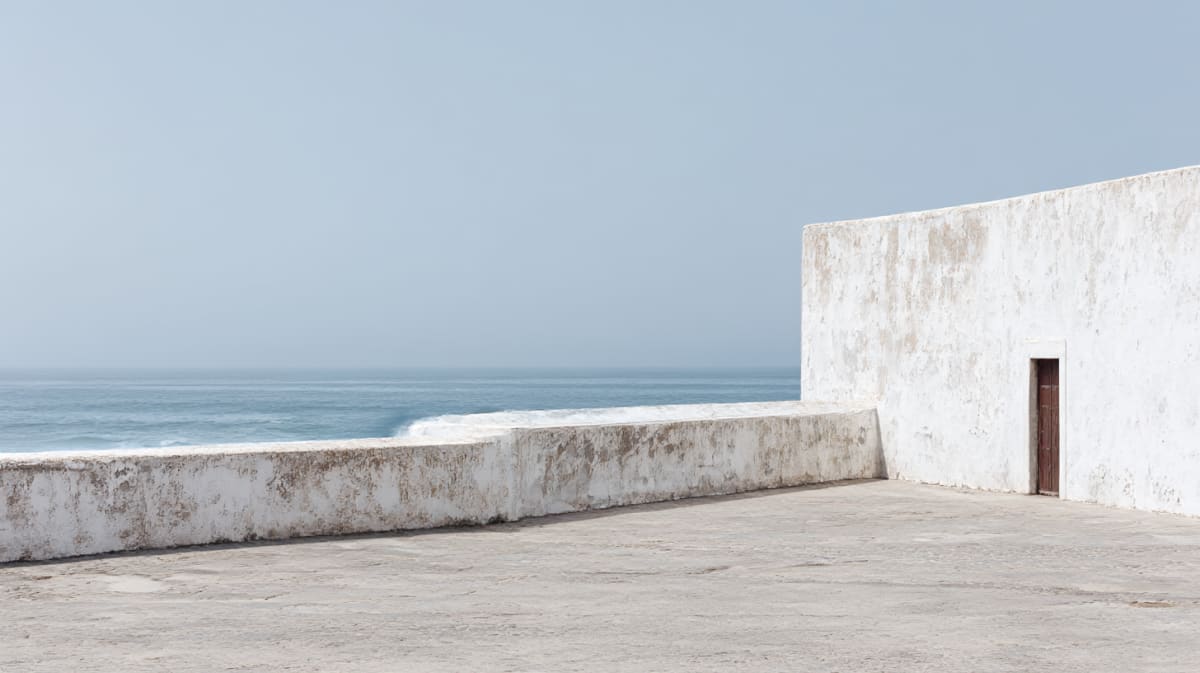
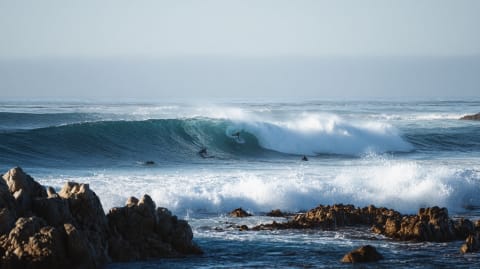
Ten days with the ocean on your right and the windows down. Casablanca falls behind faster than you'd expect for a city of five million. El Jadida's Portuguese cistern echoes under your footsteps — a cathedral of water and stone that Orson Welles filmed, and you understand why the moment the light hits the pool. Essaouira's wind arrives before the town does, rattling shutters, carrying the smell of thuya wood and fresh catch. Sidi Kaouki's surfers paddle out at dawn and come back salt-crusted and silent, which is the only reasonable response to that water. Further south the cliffs turn red, the beaches empty, and Legzira's stone arches stand in the surf like doors to somewhere that doesn't need a name. You sleep with salt in your hair every night. By day ten the ocean has rewritten your sense of time, and you have stopped resisting.
Day 1
Casablanca
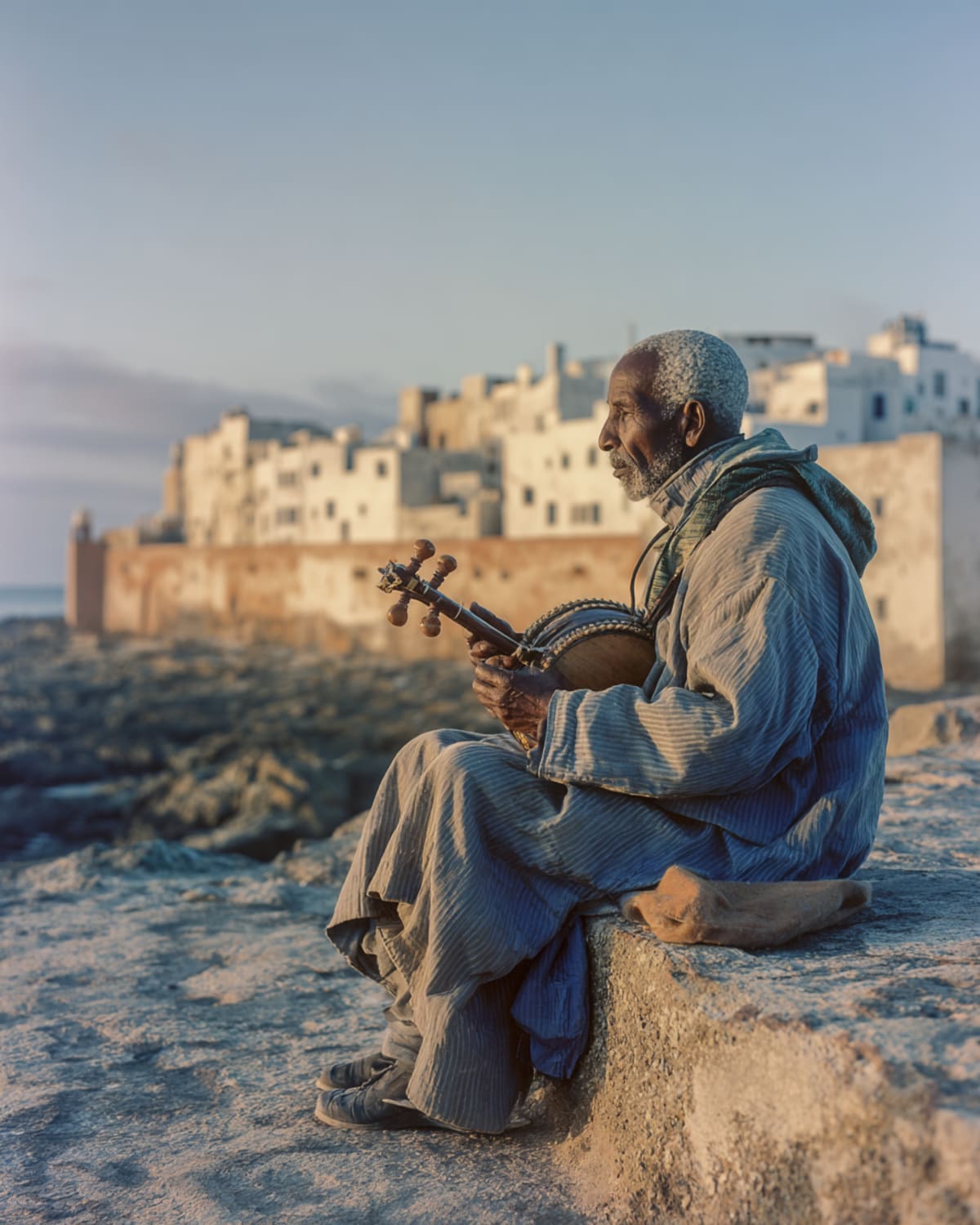
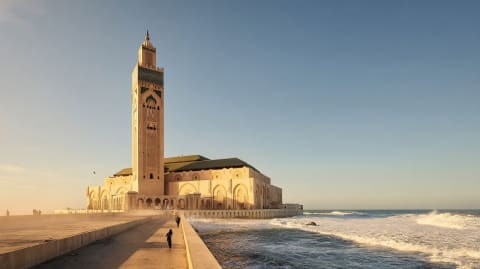
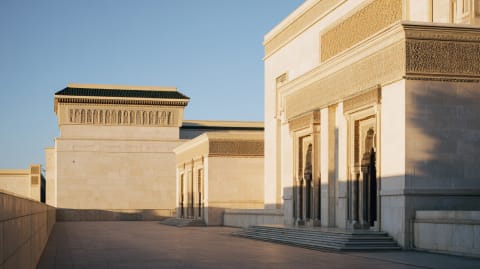
North along the coast. The wind follows you out of Essaouira for the first hour, rattling the windows, then relents as the road turns inland. Oualidia's lagoon glints between the dunes. El Jadida passes with its Portuguese cistern and fortress walls. The road finds the highway and the highway finds Casablanca — the white city rising in stages, industrial fringe giving way to Art Deco splendour. Hassan II Mosque appears where the land meets the Atlantic, its minaret the tallest in Africa. Modern Morocco announces itself in concrete and ambition and the smell of ocean spray.

Day 2
El Jadida
South along the coast. Casablanca's concrete thins and the road finds the Atlantic — grey-green water, fishing boats, the smell of salt and diesel. El Jadida appears behind Portuguese ramparts that have held since the sixteenth century. Inside the walls, the cistern waits — a cathedral of stone and water, light falling through a ceiling hole onto a mirror-still pool. Orson Welles filmed here and you understand why. The acoustics turn a whisper into something sacred. Above ground, the medina speaks Portuguese in its bones. The fish restaurants face the sea.
Day 3
Essaouira
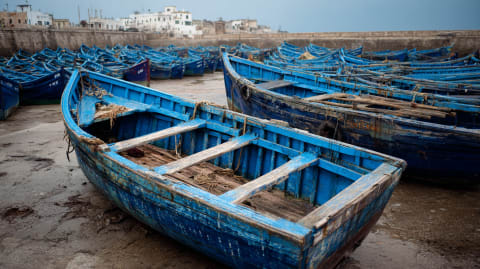
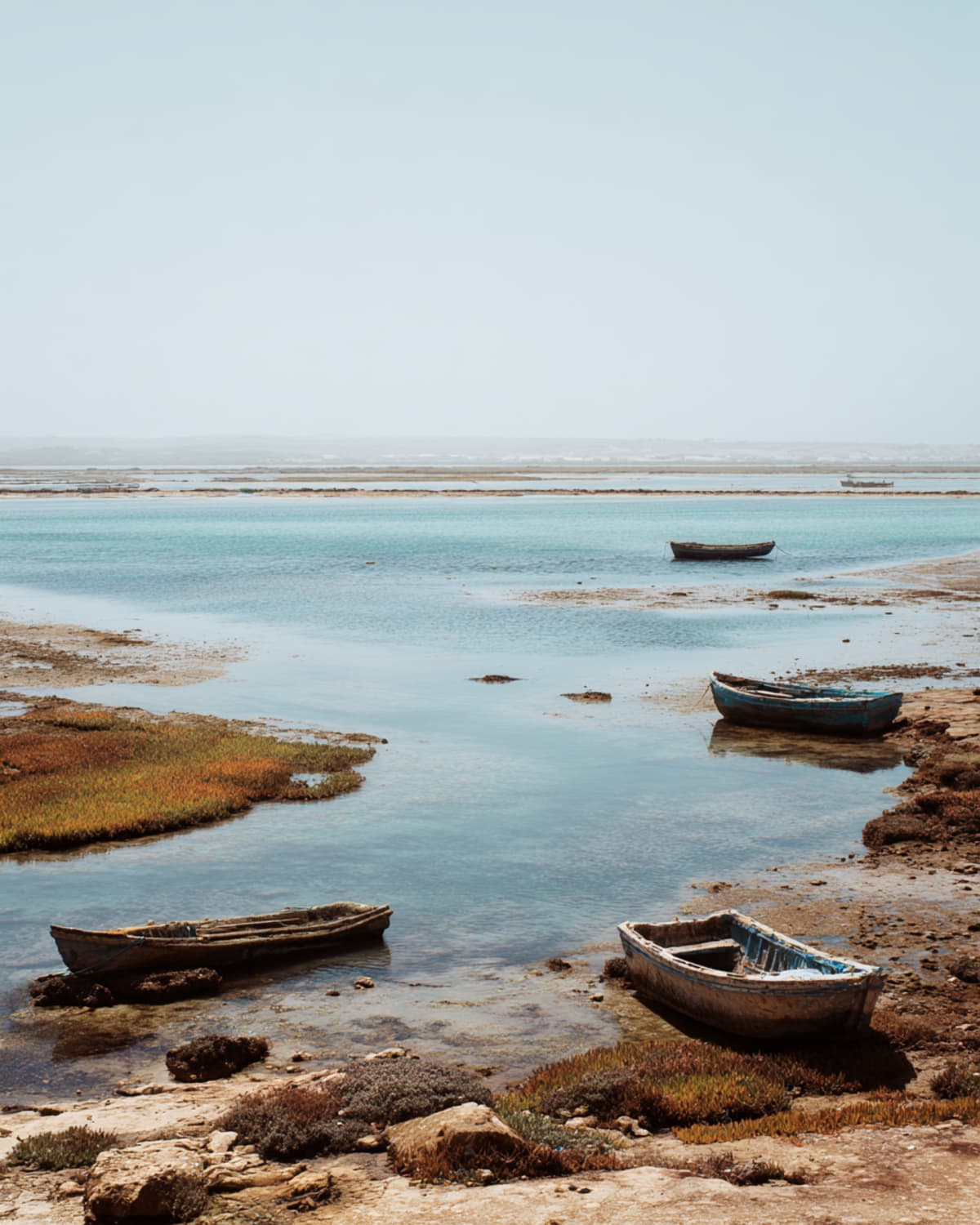
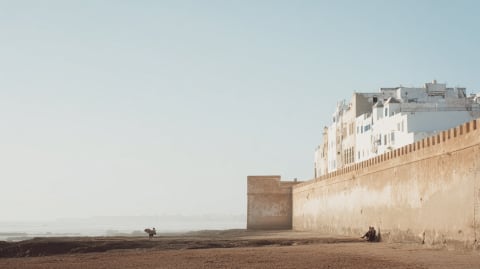
South along the Atlantic. The coast road unspools through farmland and fishing villages, Oualidia's lagoon glinting inland where flamingos wade in the salt pans. The landscape dries as you go south — argan trees replacing green fields, goats balancing in branches. The wind picks up an hour before Essaouira. You feel the town before you see it — the temperature drops, the air sharpens with salt and cedar. Then the white walls appear against blue sea and bluer sky. The port smells of fresh catch and rope. Seagulls wheel. The shutters rattle in the alizé.
Day 4
Legzira
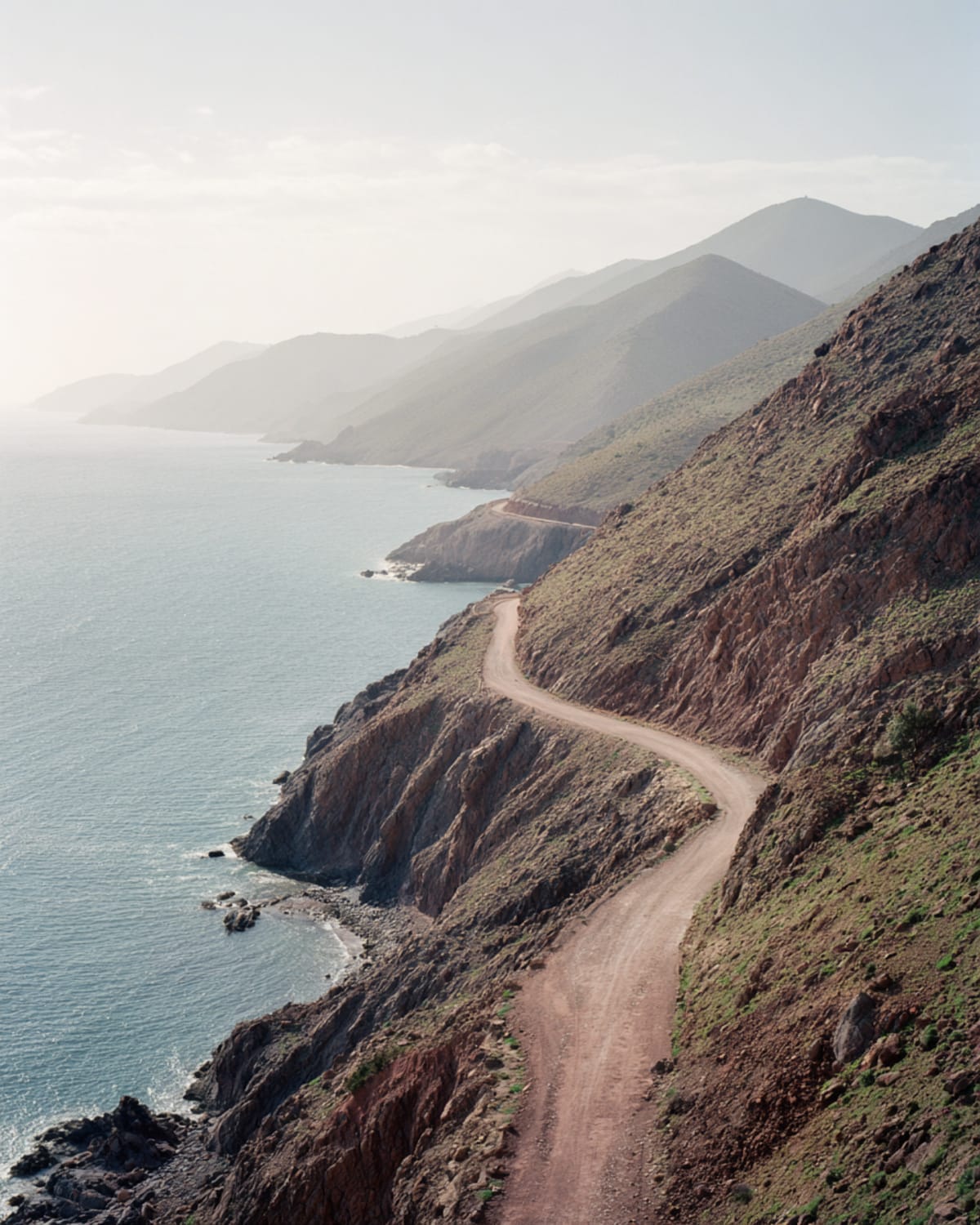
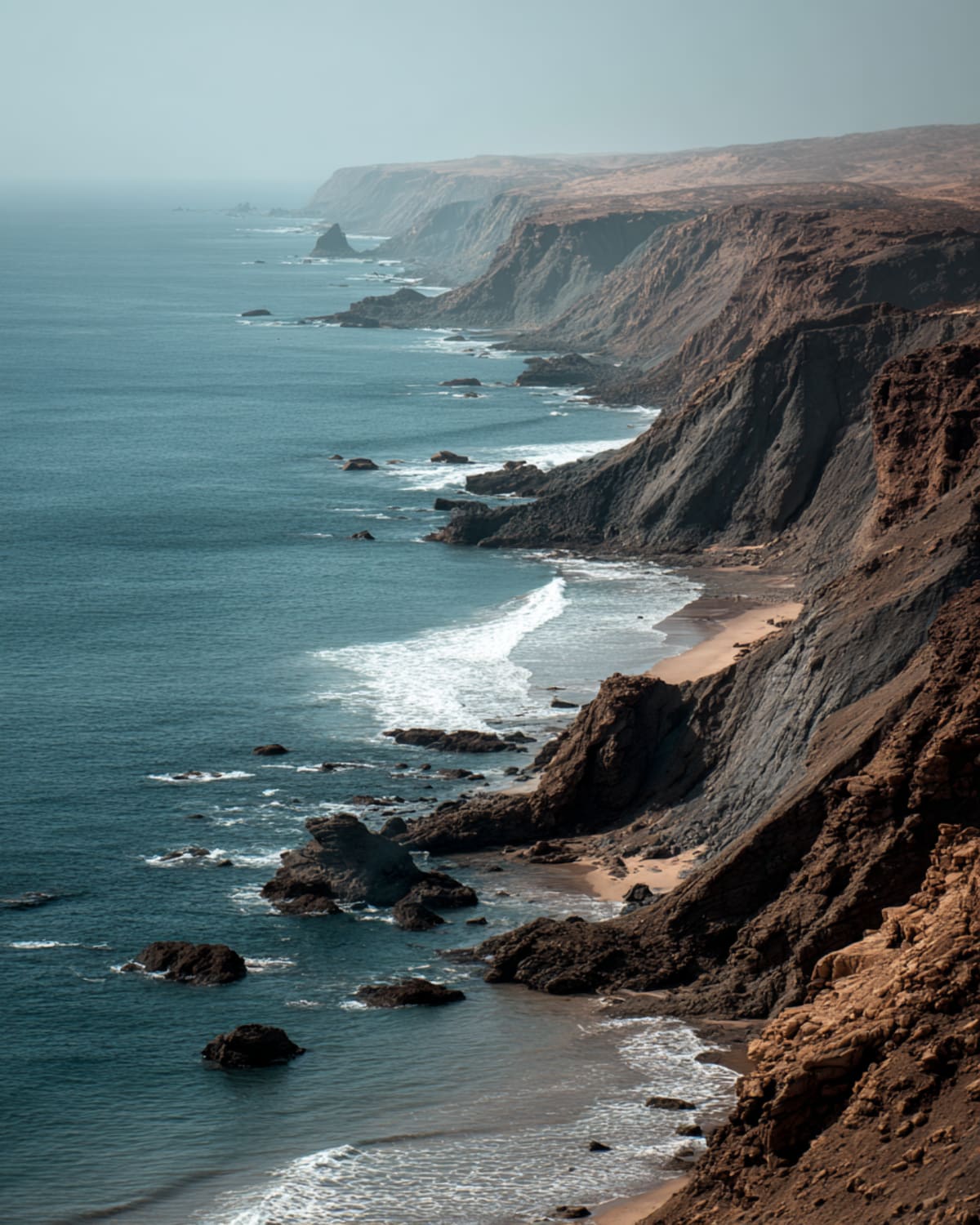
South into wilder country. Agadir passes in a blur of concrete and coastline. Tiznit's silver walls flash briefly in the afternoon light. The coast turns dramatic — red cliffs rising from empty beaches, the Atlantic crashing against rock without audience or applause. Legzira's arches appear sculpted by millennia of salt water, sandstone shaped into cathedral doors standing in the surf. The beach stretches in both directions, your footprints the only marks. The sand is coarse and warm. The sea spray tastes of iron and salt. The waves have been carving these arches since before anyone thought to name them.
Day 5
Agadir
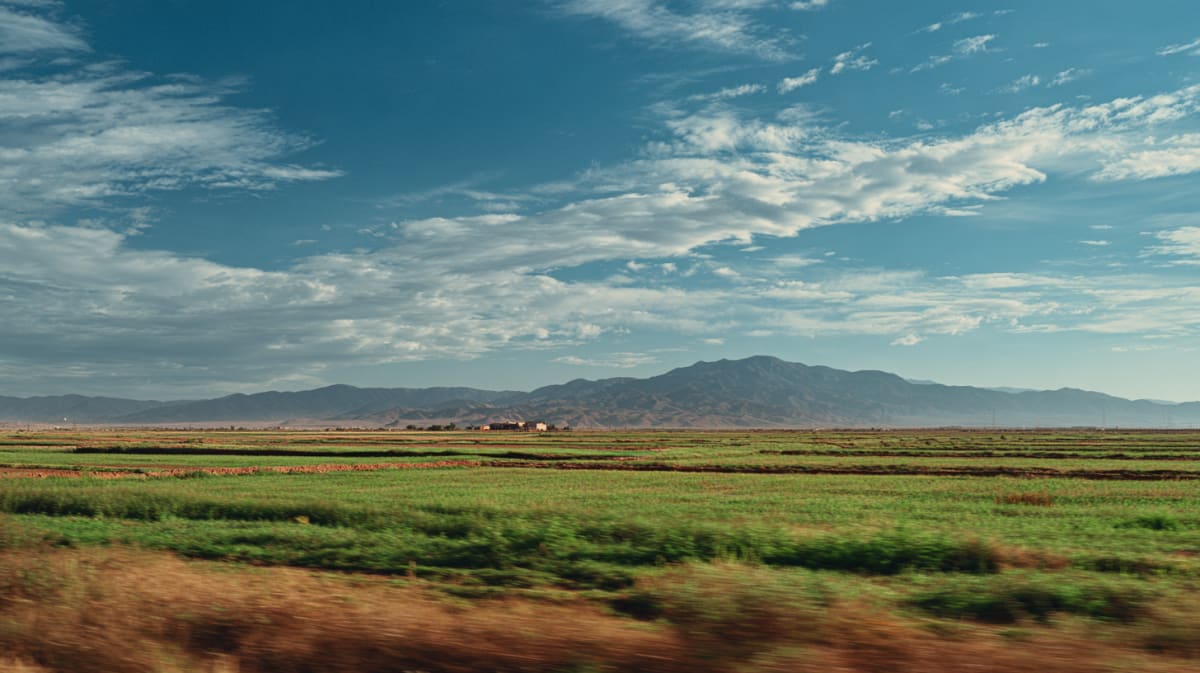
North along the coast. Legzira's red arches disappear behind the cliff and the road climbs through Mirleft — a village perched between red rock and blue water, surfers carrying boards up the path. Tiznit's walls flash past. The Anti-Atlas foothills soften into the Souss plain. Agadir appears sprawled along the bay, modern and low, rebuilt after the earthquake that flattened it in 1960. The beach stretches ten kilometres. The sunset turns the entire bay copper.
Private Journeys
Plan this journey.
This route is private, and shaped around how you want to move through the country. Tell us what you're hoping to find — we'll design the trip around it.
There is more
This is just the shape of the route.
The full story — where the road changes, what the maps don't name, which detours are worth the dust — lives in the Slow Morocco letter. Written from the medina. Sent when it matters.
No frequency promises. Unsubscribe anytime.


From the Archive