12 Days
12-Day Grand Tour - Eastern Arc
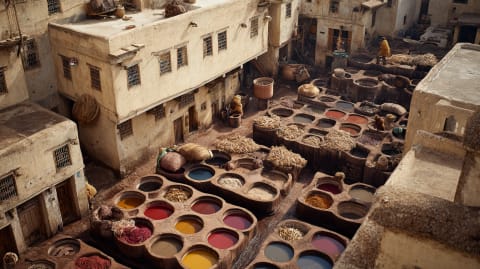
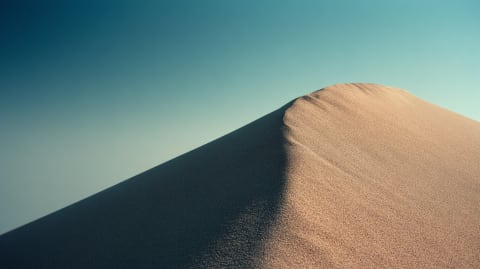
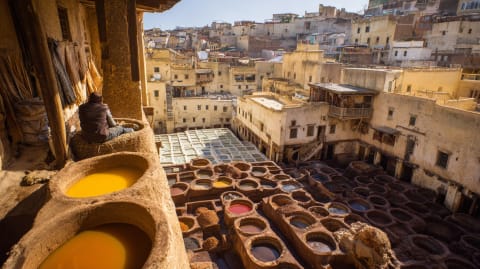
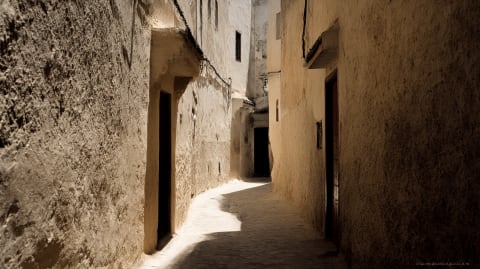
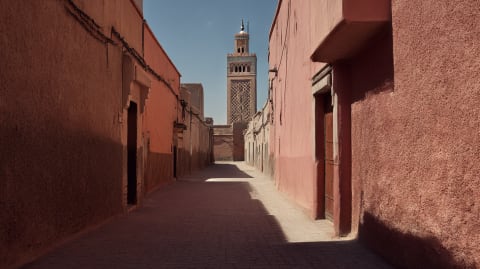
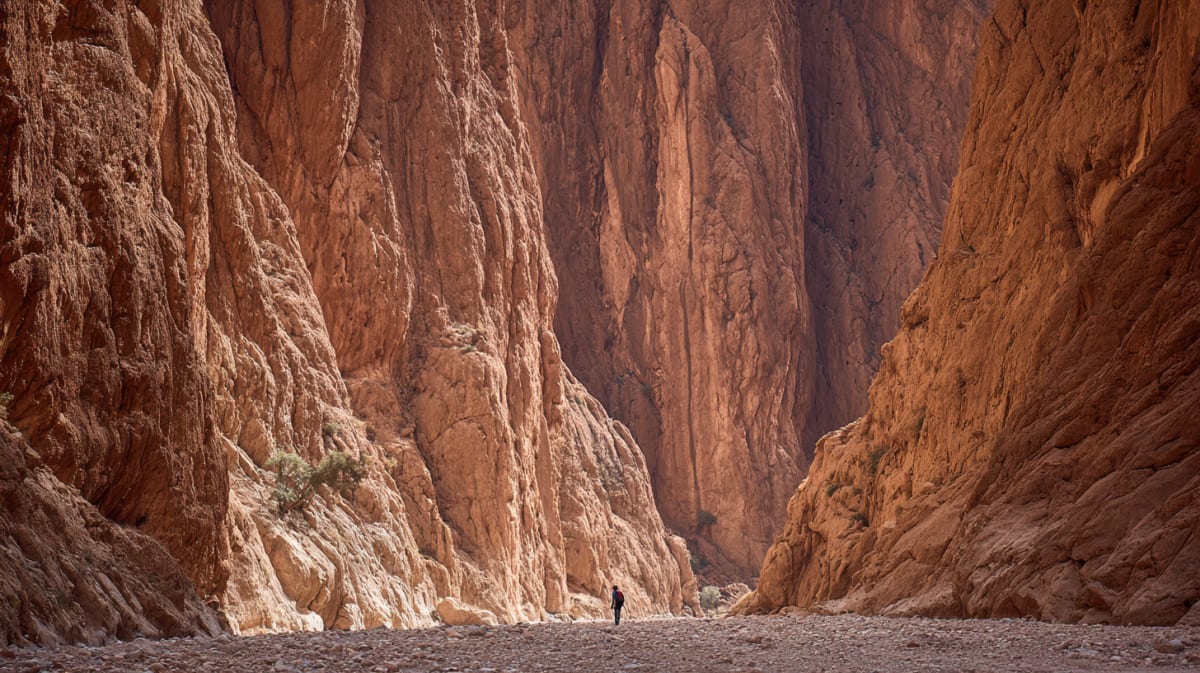
Twelve days crossing Morocco's eastern spine and you will feel it in your body. Tangier's Strait wind flattening your shirt against your chest. Chefchaouen's indigo quiet settling your breathing — how does a colour do that? Fes, where the tannery vats glow copper and violet and the smell of leather follows you through streets that haven't widened in a thousand years, because nobody asked them to. Through Middle Atlas cedar where the air stings cold and clean, across the Ziz Valley's green corridor, and then the dunes — Erg Chebbi rising from flat earth like something the planet kept in reserve. The return cuts through Todra's vertical walls and the Dades' twisted rock, your voice echoing back changed. You arrive in Marrakech carrying the breadth of the country in your bones. The orange blossom hits you at the gate. The city feels smaller now. You've seen what surrounds it.
Day 1
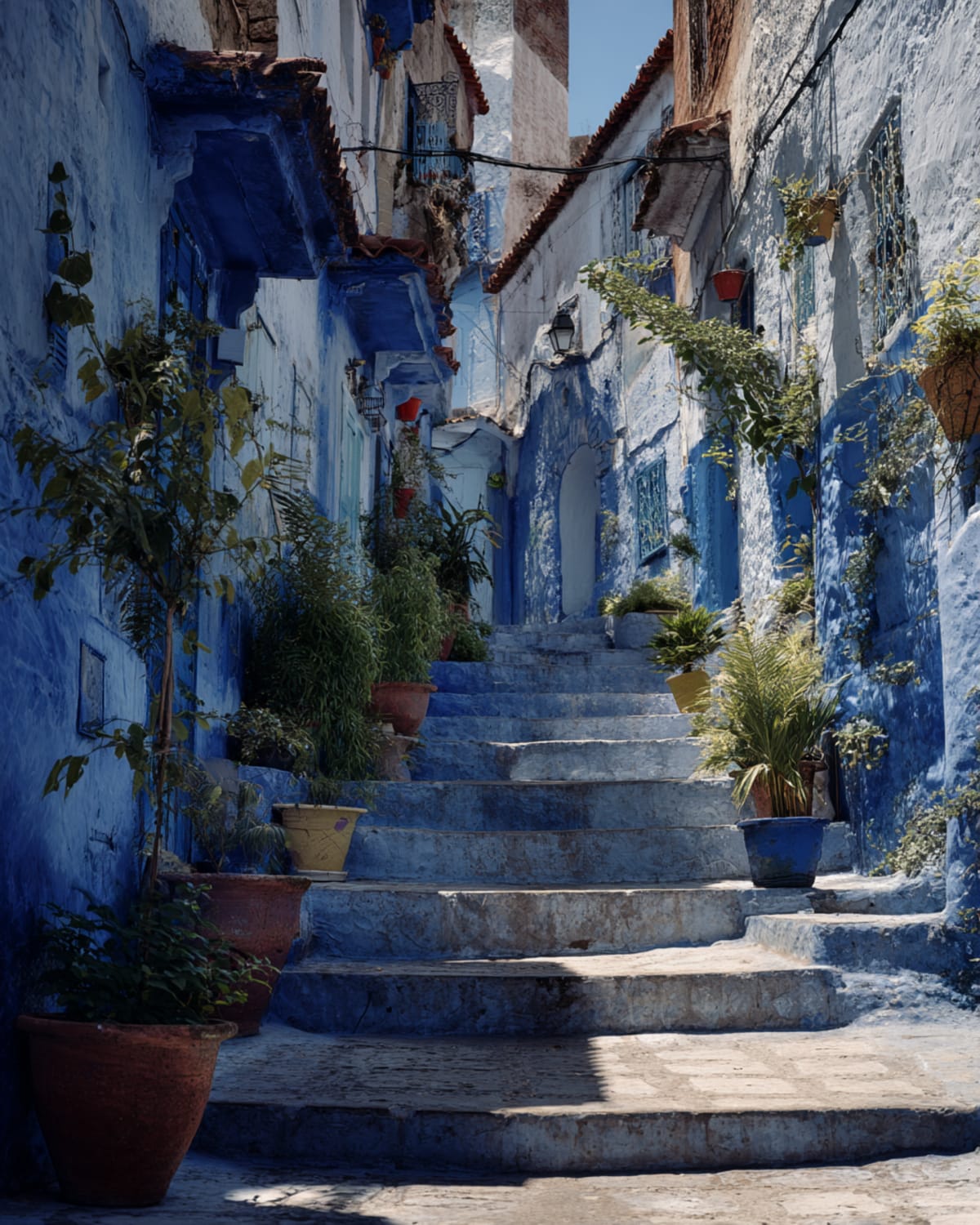
Chefchaouen
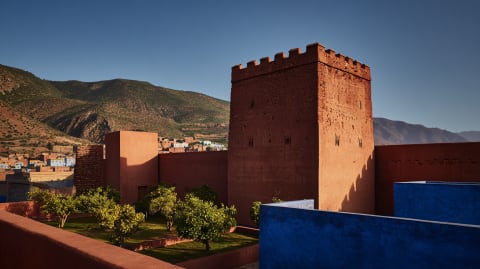
A drive south from Tangier into the Rif Mountains to reach the blue town of Chefchaouen.
Day 2
Fes
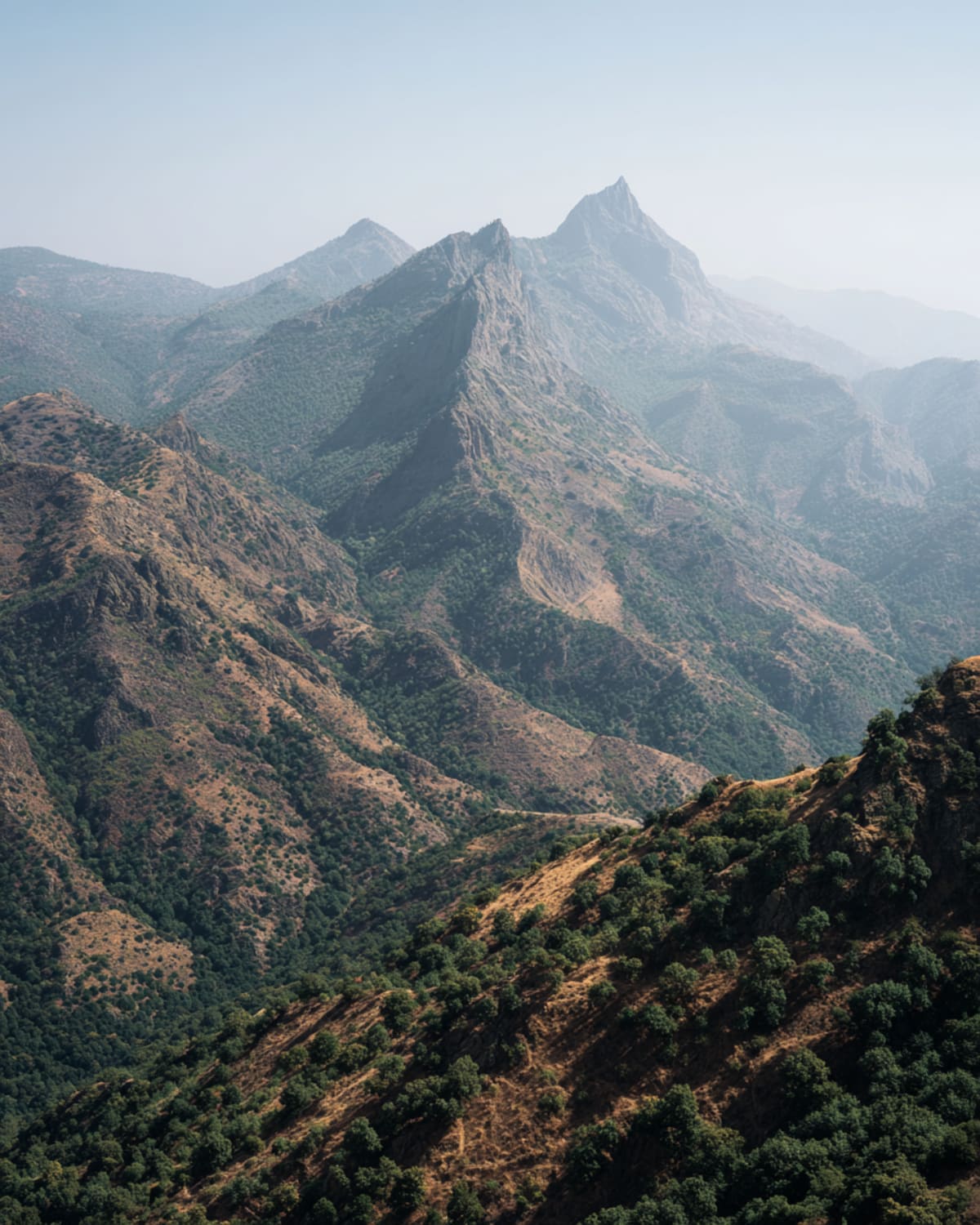
South from the blue hills. The Rif releases you in stages — blue walls fading, green slopes opening, the road finding its rhythm through olive groves and small towns where men play cards outside cafés that have served the same coffee for thirty years. The land flattens into the Saïss plain, golden and vast. Fes appears in its valley the way all great cities should — gradually, the minarets first, then the walls, then the scent of cedar and leather reaching you before you've parked. The medina awaits with its twelve centuries of accumulated intensity. You enter and the maze begins.
Day 3
Merzouga
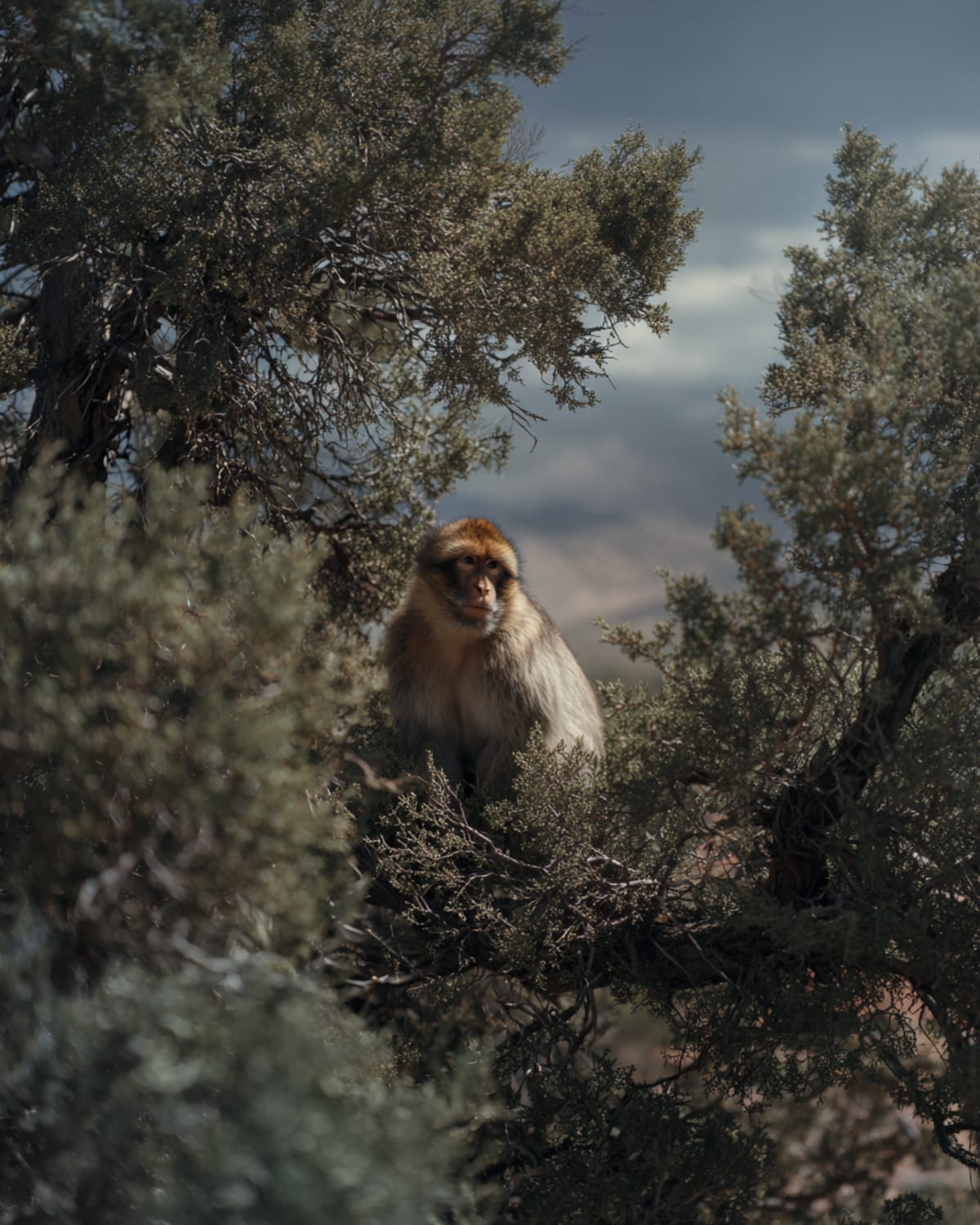
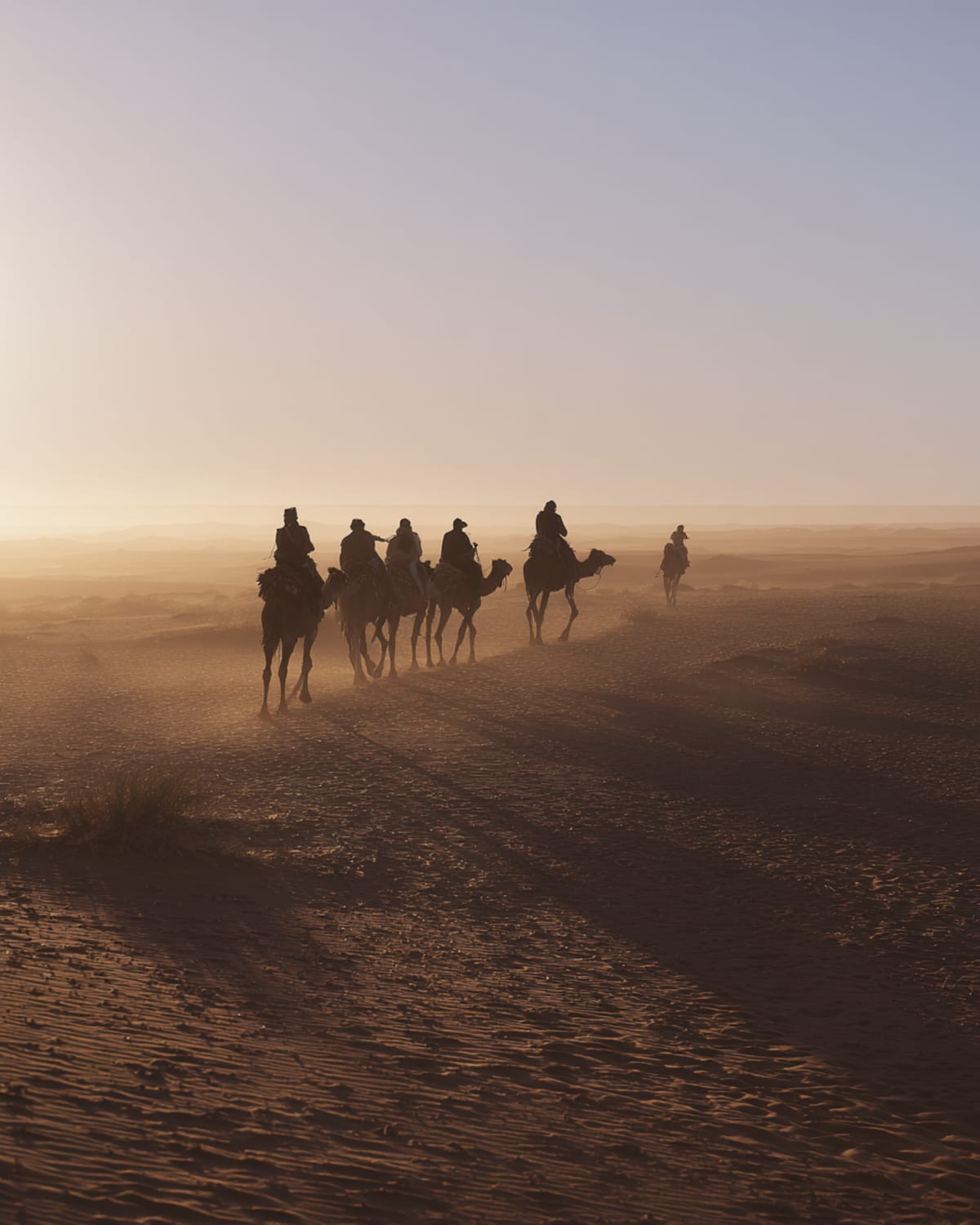
The longest day and the most dramatic shift. South from Fes through the Middle Atlas — cedar forests, Barbary macaques, air so cold and clean it stings your throat. Past Midelt the colour changes. Green to brown to ochre to gold. The Ziz Gorge cuts through red rock, palms lining the river like a procession. Erfoud passes — fossil town, the trilobites older than thought. Then the hammada flattens and empties. And there, rising from nothing, Erg Chebbi. Three hundred metres of sand, glowing copper in the last light. Your camp sits at the base. A camel waits. The sky is already filling with stars.
Day 4
Dades
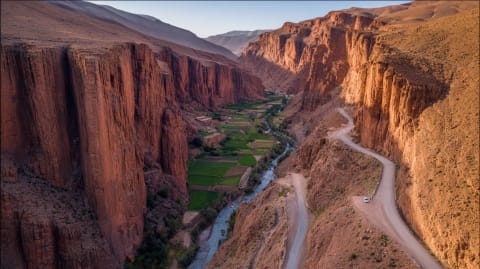
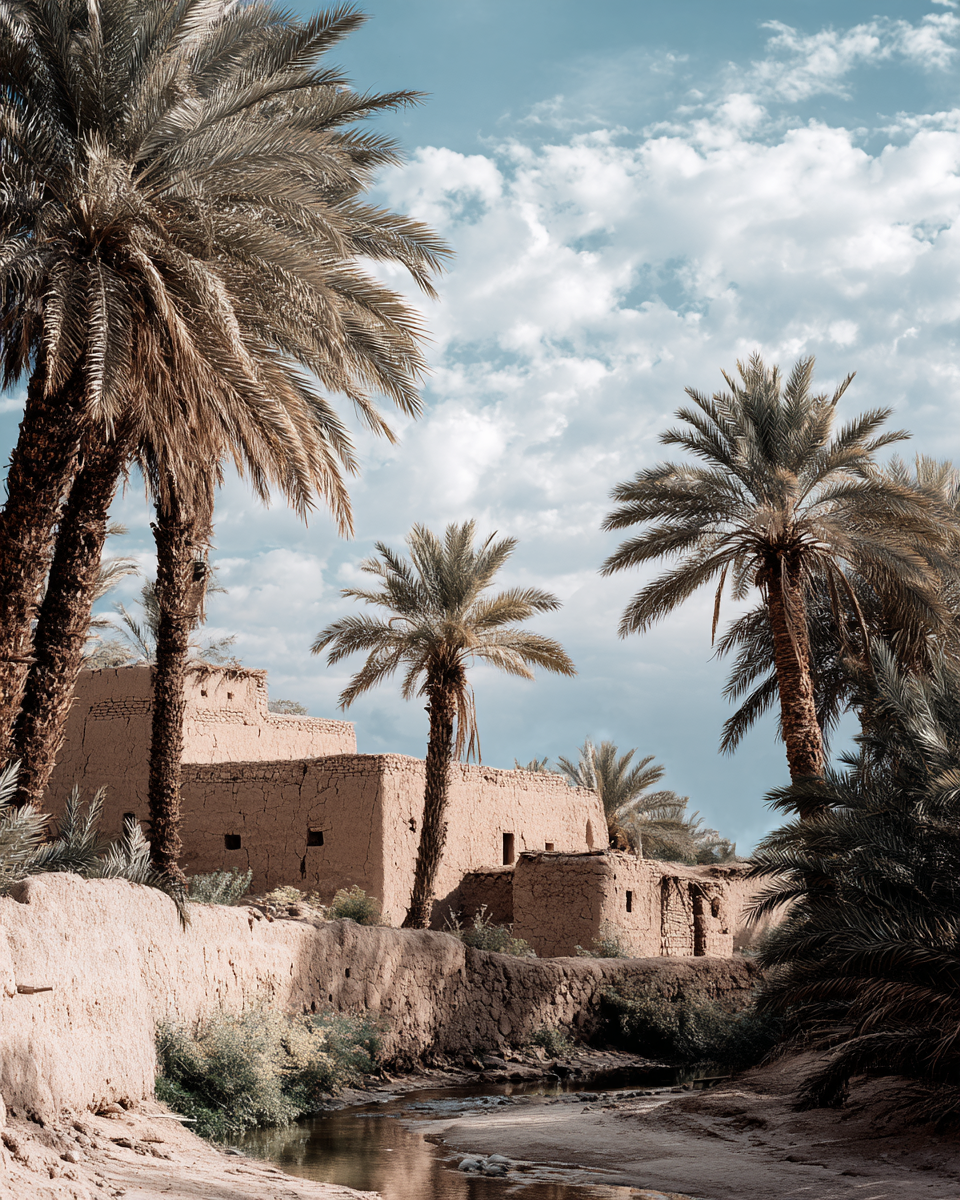
West from the dunes. The sand releases you slowly — first hammada, then the first scrub, then signs for towns that feel like rumours. Erfoud passes with its fossil workshops, trilobites older than imagination. Tinghir appears in its palm grove, the green so vivid after the desert it looks artificial. Then Todra — walls rising vertical and close, the river cold at the bottom, your voice echoing off limestone that has been standing since before the word for stone existed. The road opens into the Dades. The valley glows copper at sunset, the kasbahs catching the last light like lanterns. You sleep in the gorge. The stars are framed by the canyon walls.
Day 5
Tamnougalt
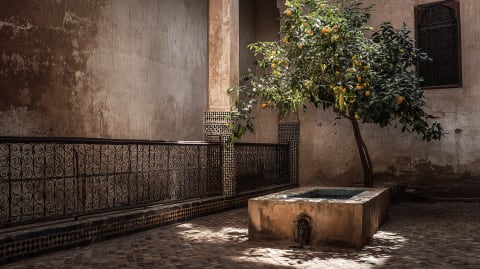
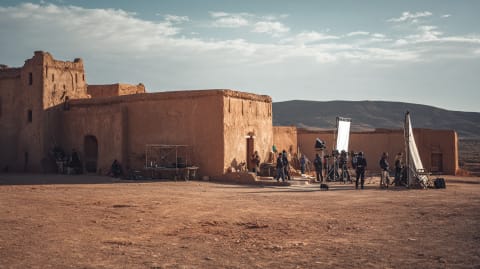
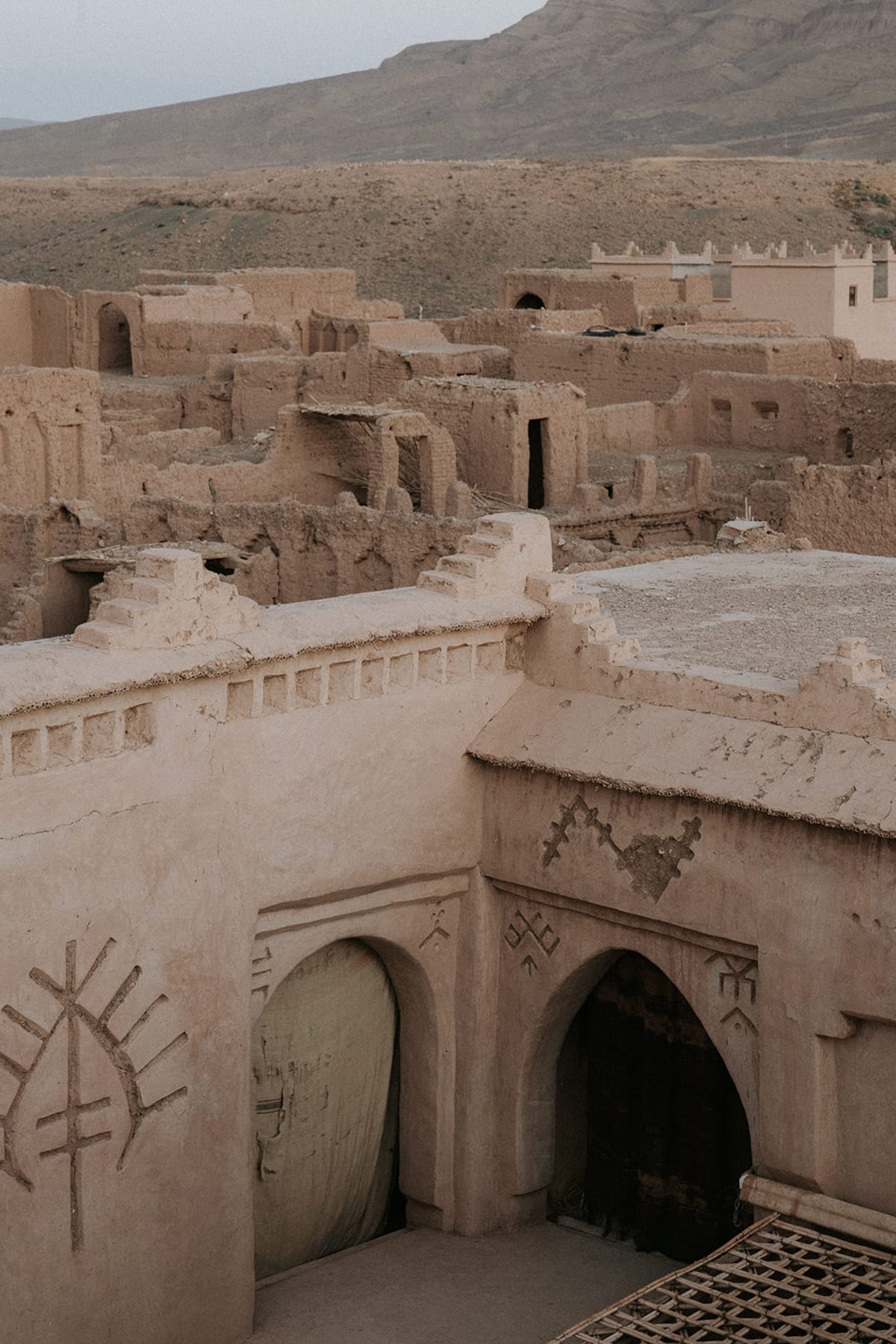
West through the gorge, then south where the Draa begins its long green journey to the desert. Ouarzazate passes at the crossroads. The road follows the river — palm groves appearing in long ribbons against red cliff, kasbahs rising from the earth like old guardians with dust in their joints. Tamnougalt waits at the end, breathing the slow breath of a place that has measured time in harvests, not hours. The kasbah walls are cool inside. The courtyard holds a fig tree. The fruit is warm from the sun and bursts on your tongue, seed and sweetness and something ancient.
Day 6
Marrakech
North through the Draa, then the climb. Ouarzazate marks the turn. The Atlas rises—switchbacks, stone villages, air thinning. Ait Benhaddou appears if you stop. Then the pass, the descent, and Marrakech spreading red below.
Private Journeys
Plan this journey.
This route is private, and shaped around how you want to move through the country. Tell us what you're hoping to find — we'll design the trip around it.
There is more
This is just the shape of the route.
The full story — where the road changes, what the maps don't name, which detours are worth the dust — lives in the Slow Morocco letter. Written from the medina. Sent when it matters.
No frequency promises. Unsubscribe anytime.