3 Days
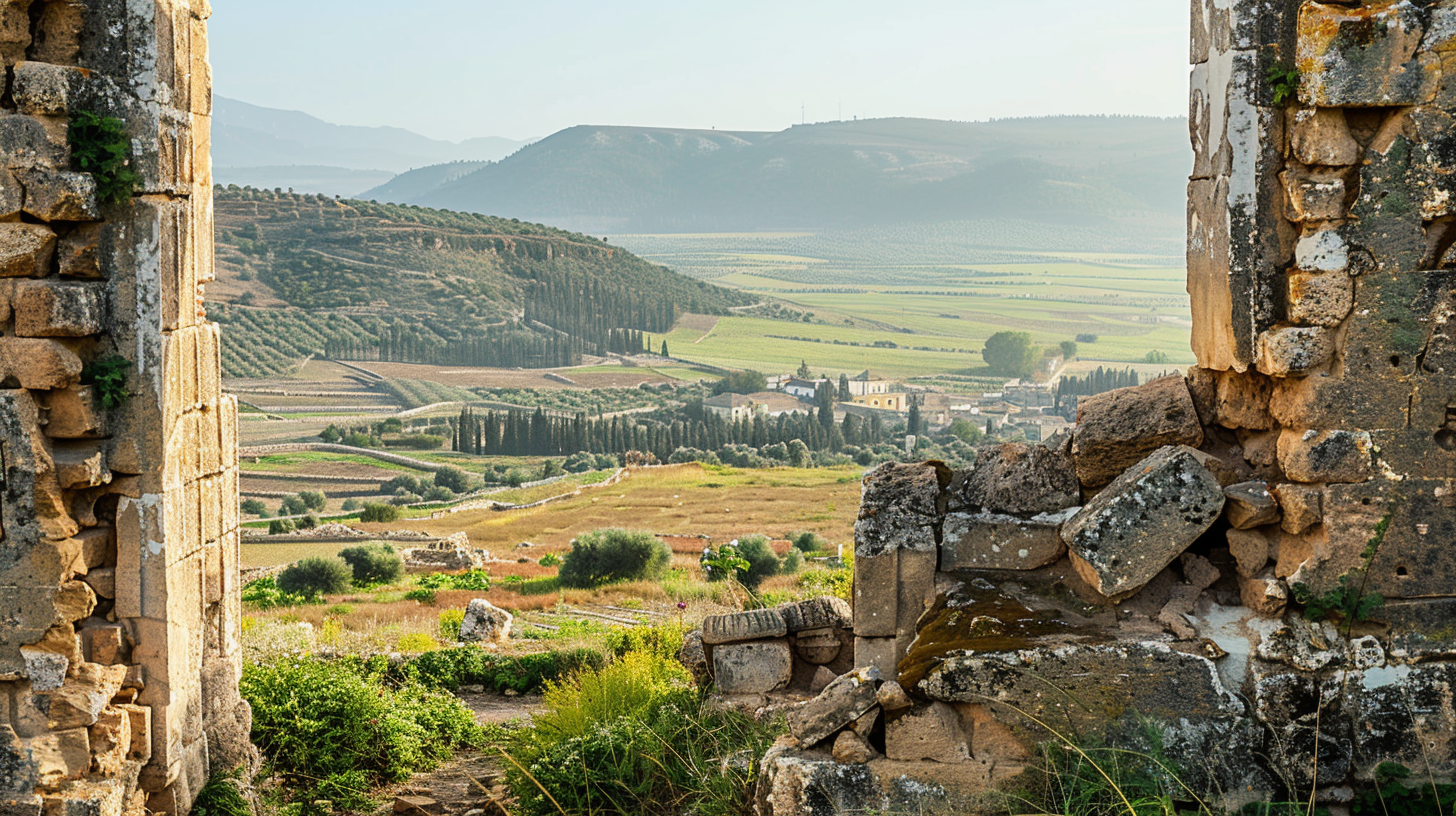
Volubilis & the Holy City
From €2,450 per person
Roman columns and Morocco's holiest shrine, an hour apart.
Every journey is private and fully customizable. Choose a starting point — we shape it around you.
3 Days
From €2,450 per person
Roman columns and Morocco's holiest shrine, an hour apart.
3 Days
From €450 per person
Mountains to sand and back. Stars so dense they press against your chest — and a silence that rewrites what you thought quiet meant.
3 Days
From €2,450 per person
Three days to learn a medina's rhythm — souks at dawn, hidden gardens at noon, the square becoming a theatre at dusk.

3 Days
From €2,450 per person
Imperial cities, Roman mosaics, and a vineyard lunch that quietly dismantles everything you assumed about North African soil.
3 Days
From €2,450 per person
Three days in the world's largest car-free urban area — tanneries, foundouks, and the sound of hammering brass.
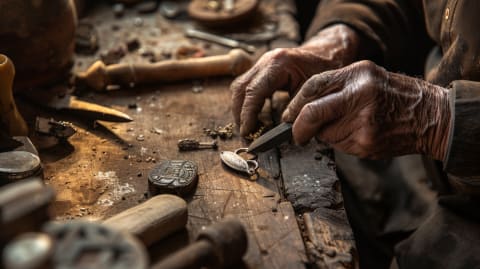
4 Days
From €2,000 per person
Morocco's silver capital — Berber jewelry, crenellated walls, and the hammering that sounds like rain.
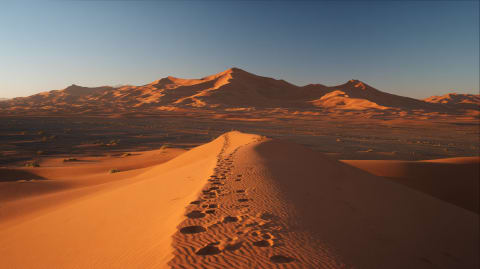
4 Days
From €2,000 per person
The classic — red city to medieval labyrinth via the Sahara. The corridor that defines Moroccan travel.
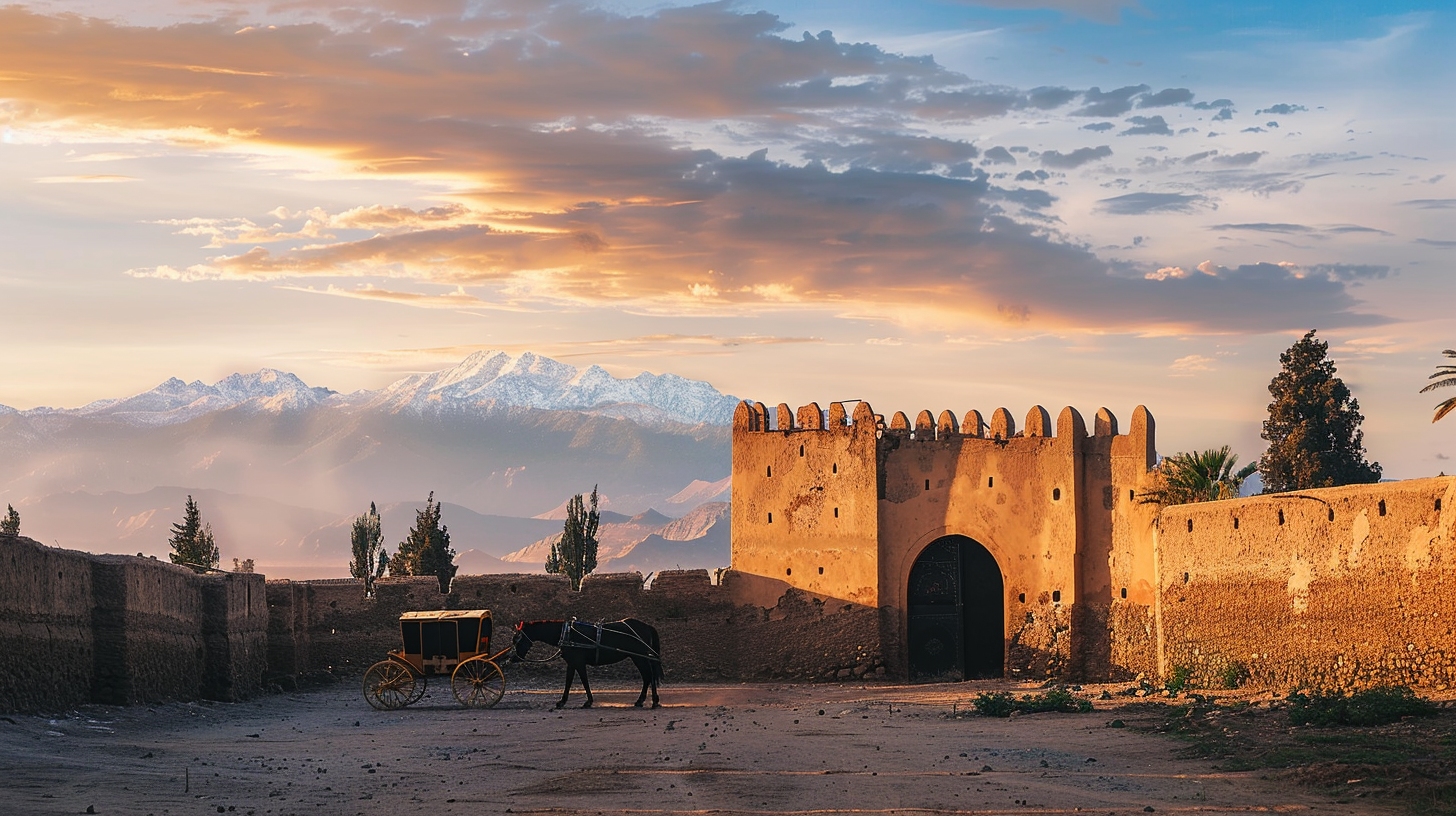
4 Days
From €2,000 per person
The little Marrakech — ochre walls, unhurried souks, and the Atlas rising behind like a standing ovation.
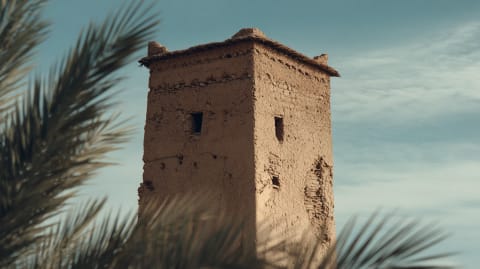
4 Days
From €2,000 per person
Descent through ancient rhythms. Return through gorges where the stone remembers everything — and your phone camera remembers nothing accurately.

4 Days
From €2,000 per person
Wind, grilled fish, Atlantic light — four days where the sea rewrites your clock and nobody asks you to hurry.
4 Days
From €2,000 per person
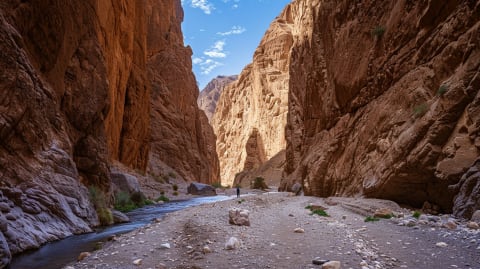
Morocco's deepest canyon — three hundred metres of vertical limestone with barely enough room for the river and your held breath.
4 Days
From €2,000 per person
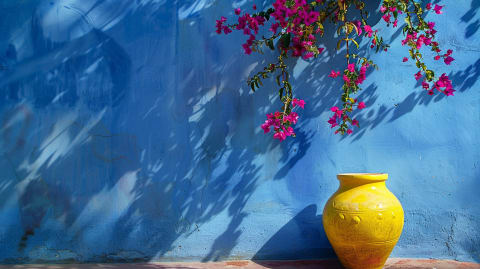
The blue garden, the red city, and the painters who came for a visit and never left — which says more about Marrakech than any guidebook.

4 Days
From €2,000 per person
North Africa's highest peak — 4,167 metres above the Marrakech plain. Four days to stand on Morocco's roof.
4 Days
From €2,000 per person
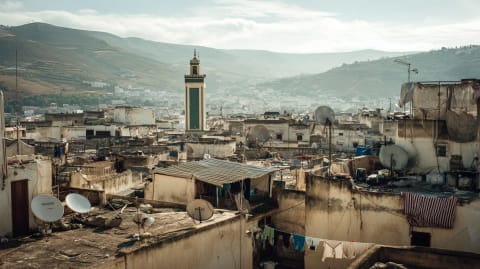
The classic desert crossing — medieval labyrinth to red city, with the Sahara in between.
4 Days
From €2,000 per person
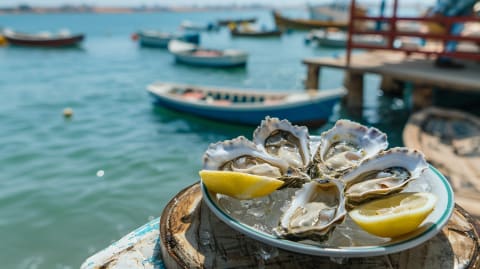
A lagoon between Casablanca and Essaouira produces the only oysters in Morocco. Four days of birds, salt marshes, and a kitchen that knows what to do with both.
4 Days
From €2,000 per person
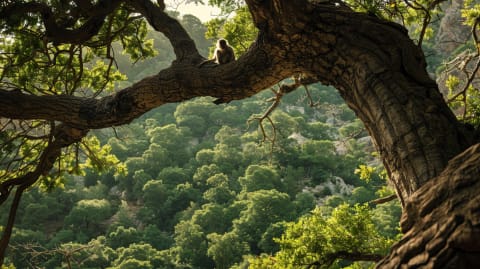
The cedar forests above Azrou hide Barbary macaques and trees older than the Alaouite dynasty. Four days at altitude, where Morocco gets cold and quiet.

4 Days
From €2,000 per person
Bowles, Burroughs, and the writers who made Tangier legendary — the cafés still serve the same mint tea and the city still doesn't explain itself.
4 Days
From €2,000 per person
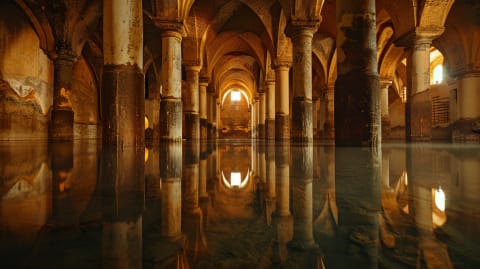
El Jadida, Mazagan, and the fortresses Portugal left in Morocco's stone — the empire sailed away but the architecture refused to follow.
5 Days
From €3,000 per person
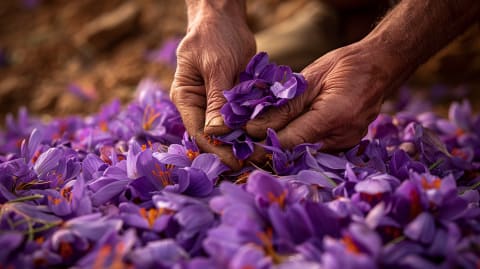
Taliouine to Tafraoute — hiking through saffron fields and thyme hills where the honey is dark as molasses.
5 Days
From €3,000 per person
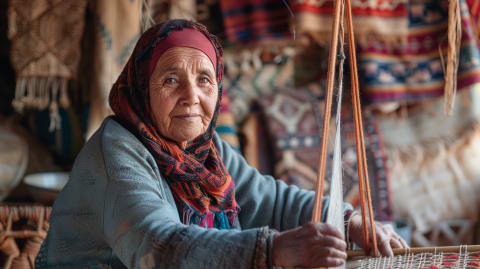
The carpet capital — Berber women weaving geometric masterpieces in natural dyes, each one a map of something unnamed.

5 Days
From €3,000 per person
Every May, the Valley of Roses blooms pink. The air doesn't just smell of roses — it tastes of them.
5 Days
From €3,000 per person
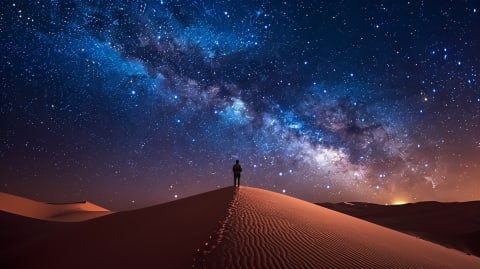
The Sahara has the darkest skies in North Africa. Berber astronomers named these stars before the Greeks did. Five nights, no light pollution, no city.
5 Days
From €3,000 per person
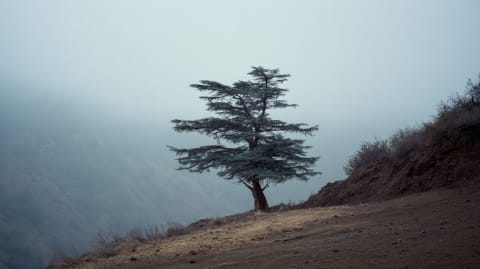
Indigo walls, cedar forests, and cannabis fields nobody mentions — the Rif runs on a frequency the rest of Morocco can't quite tune into.
5 Days
From €3,000 per person
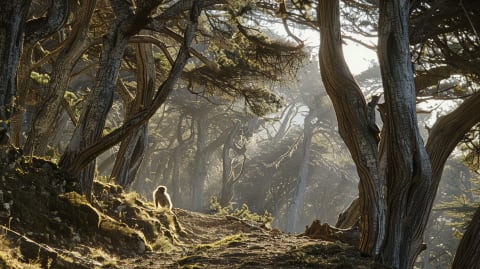
The range tourists drive past on the way to the Sahara. Cedar forests, lakes, Amazigh villages, the Barbary macaque. Five days where Morocco breathes.
Private journeys, day trips from Marrakech, and overnight experiences across Morocco. Every route is a starting point you can shape around what matters to you.
Written from the medina. Sent when it matters.