7 Days
Tangier to Marrakech
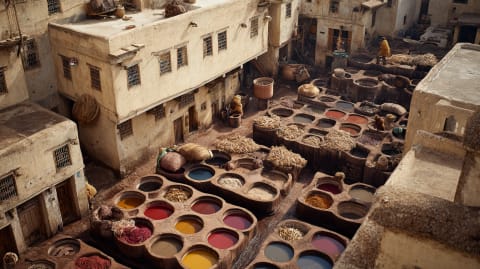
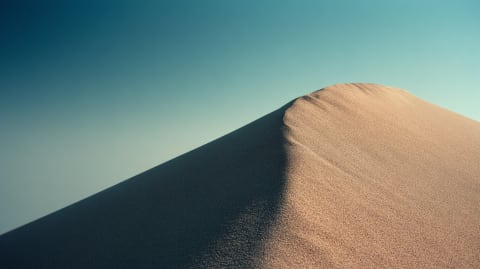
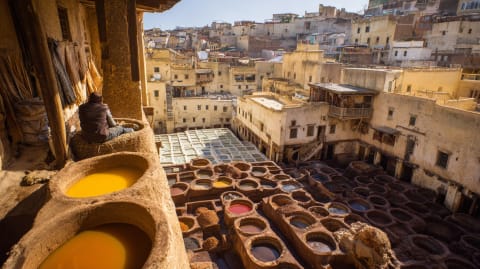
Start where the ferries land — Tangier, threshold city, the smell of the port and the café terraces facing Spain. End in the red city — Marrakech, the square filling at dusk, drums and smoke and orange juice squeezed for three dirhams by a man whose family has held that spot for longer than you have held your job. Between them: Chefchaouen's blue streets pouring down the mountainside. The medieval density of Fes where the tannery vats glow and the leather smell follows you through streets that haven't widened in a millennium, because nobody asked them to and they declined on principle. The long road south through country that opens and dries and warms. Seven days. Morocco unfolding in the direction it was meant to be crossed — north to south, strait to desert, rain to dust, blue to red.
Day 1
Chefchaouen
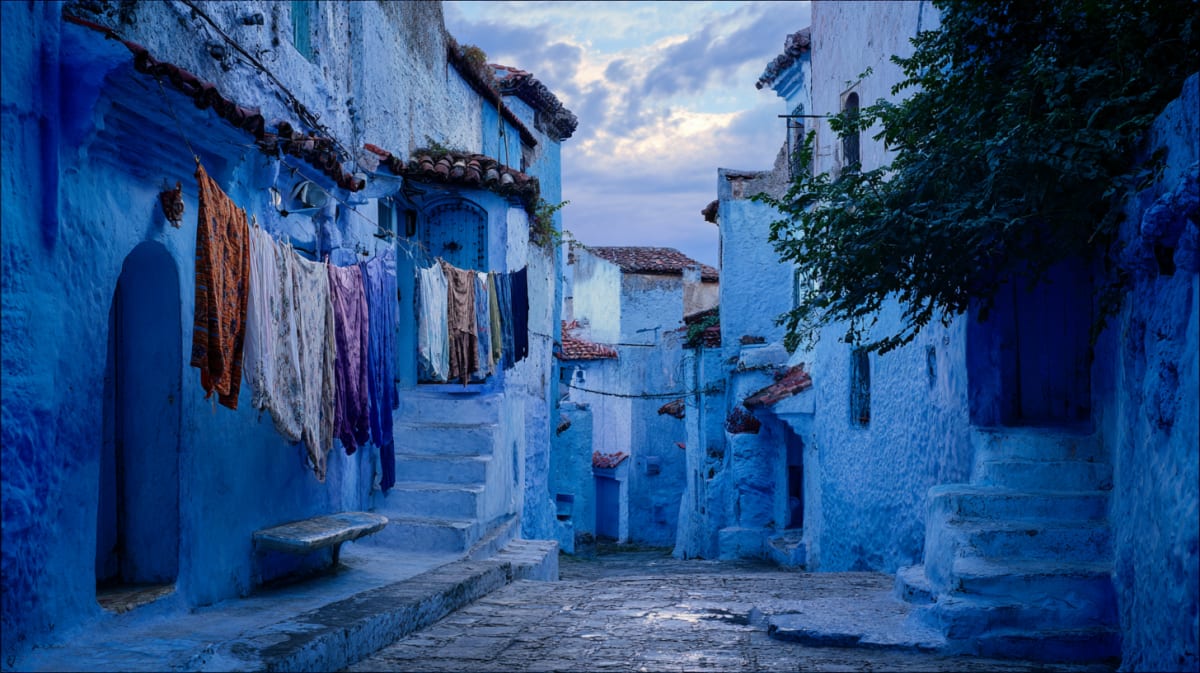
A drive south from Tangier into the Rif Mountains to reach the blue town of Chefchaouen.
Day 2
Chefchaouen
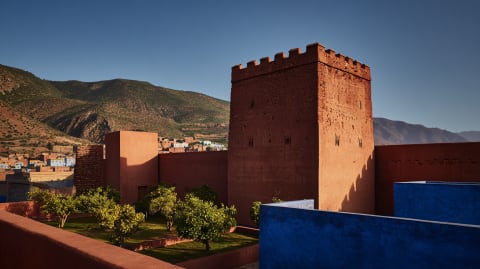
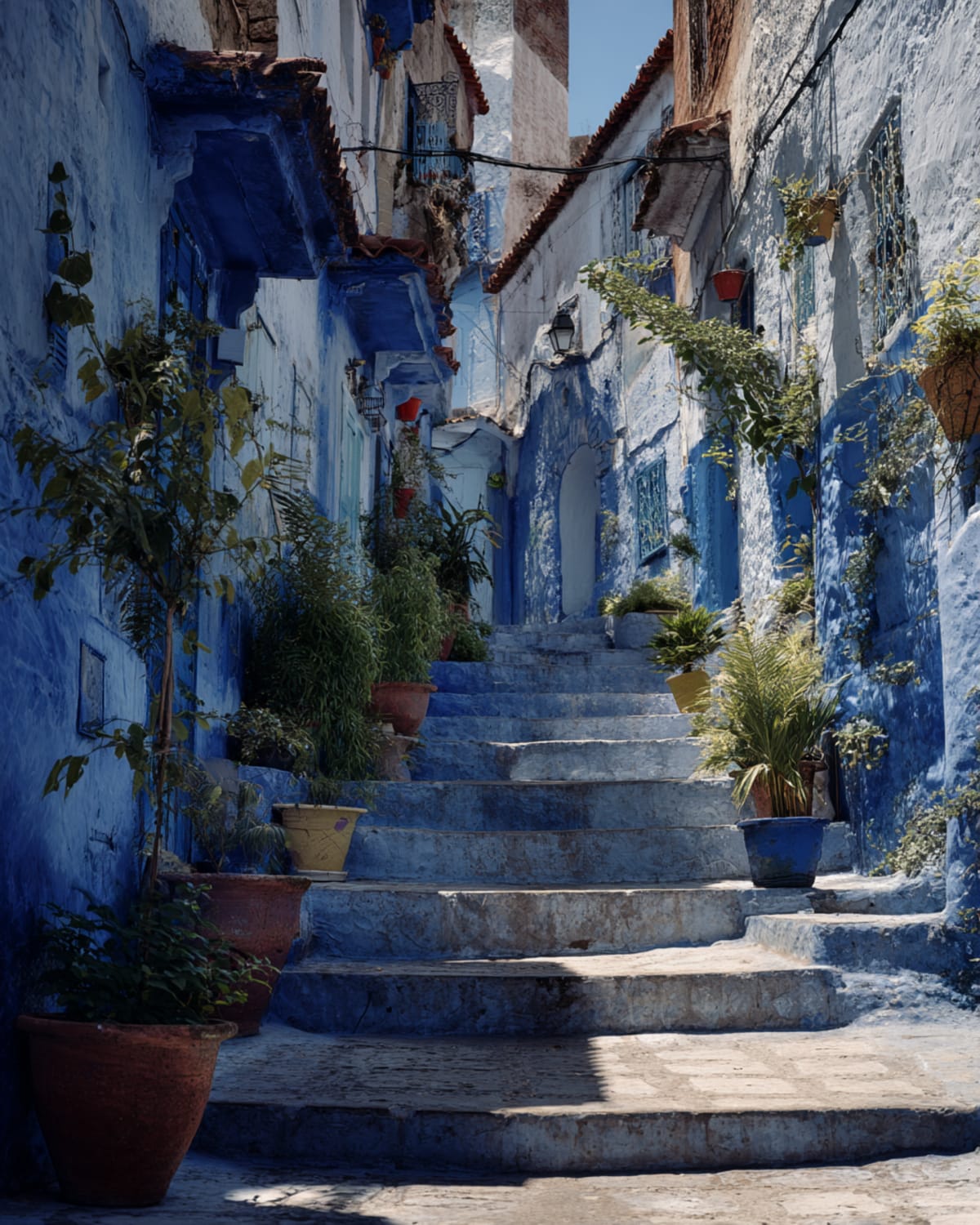
Blue on blue on blue. Every surface painted—walls, steps, doorways, pots. The tradition started with Jewish refugees in the 1930s. No one remembers exactly why. The color just is now. You climb to the Spanish Mosque at sunset. The blue rooftops spread below. The Rif peaks watch. The town doesn't explain itself. Neither should you.
Day 3
Fes
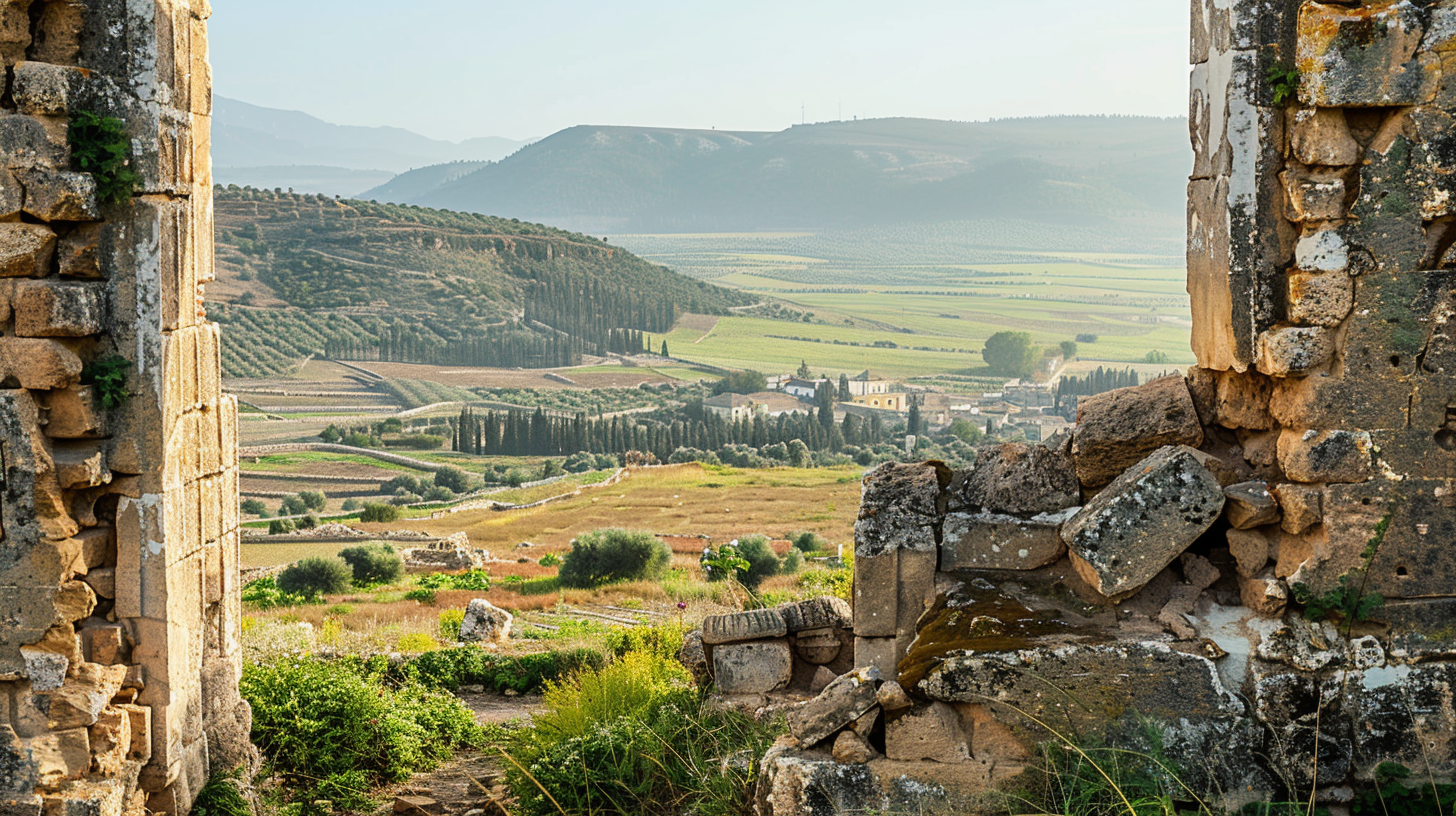
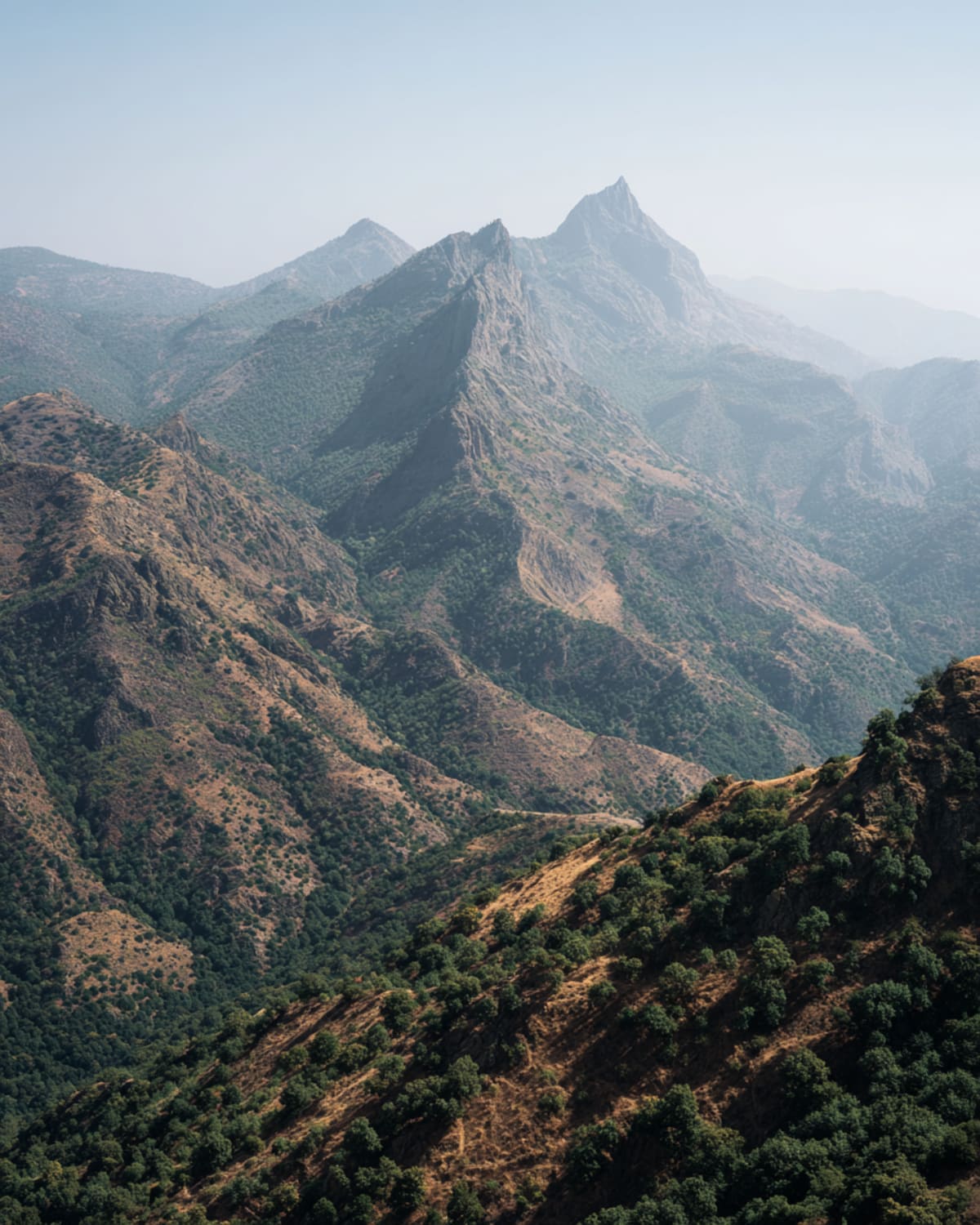
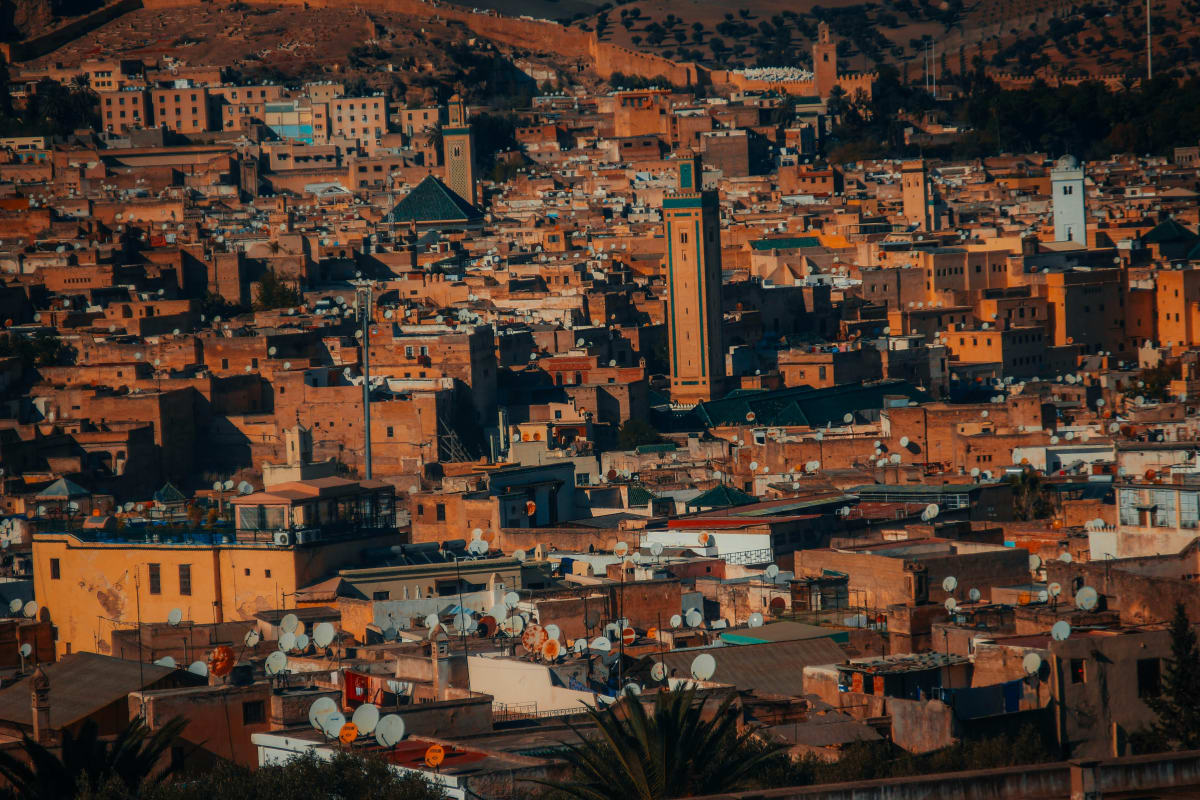
South from the blue hills. The Rif releases you in stages — blue walls fading, green slopes opening, the road finding its rhythm through olive groves and small towns where men play cards outside cafés that have served the same coffee for thirty years. The land flattens into the Saïss plain, golden and vast. Fes appears in its valley the way all great cities should — gradually, the minarets first, then the walls, then the scent of cedar and leather reaching you before you've parked. The medina awaits with its twelve centuries of accumulated intensity. You enter and the maze begins.
Day 4
Fes
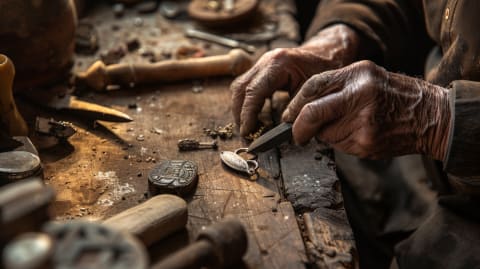
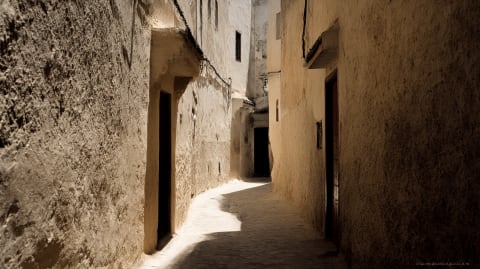
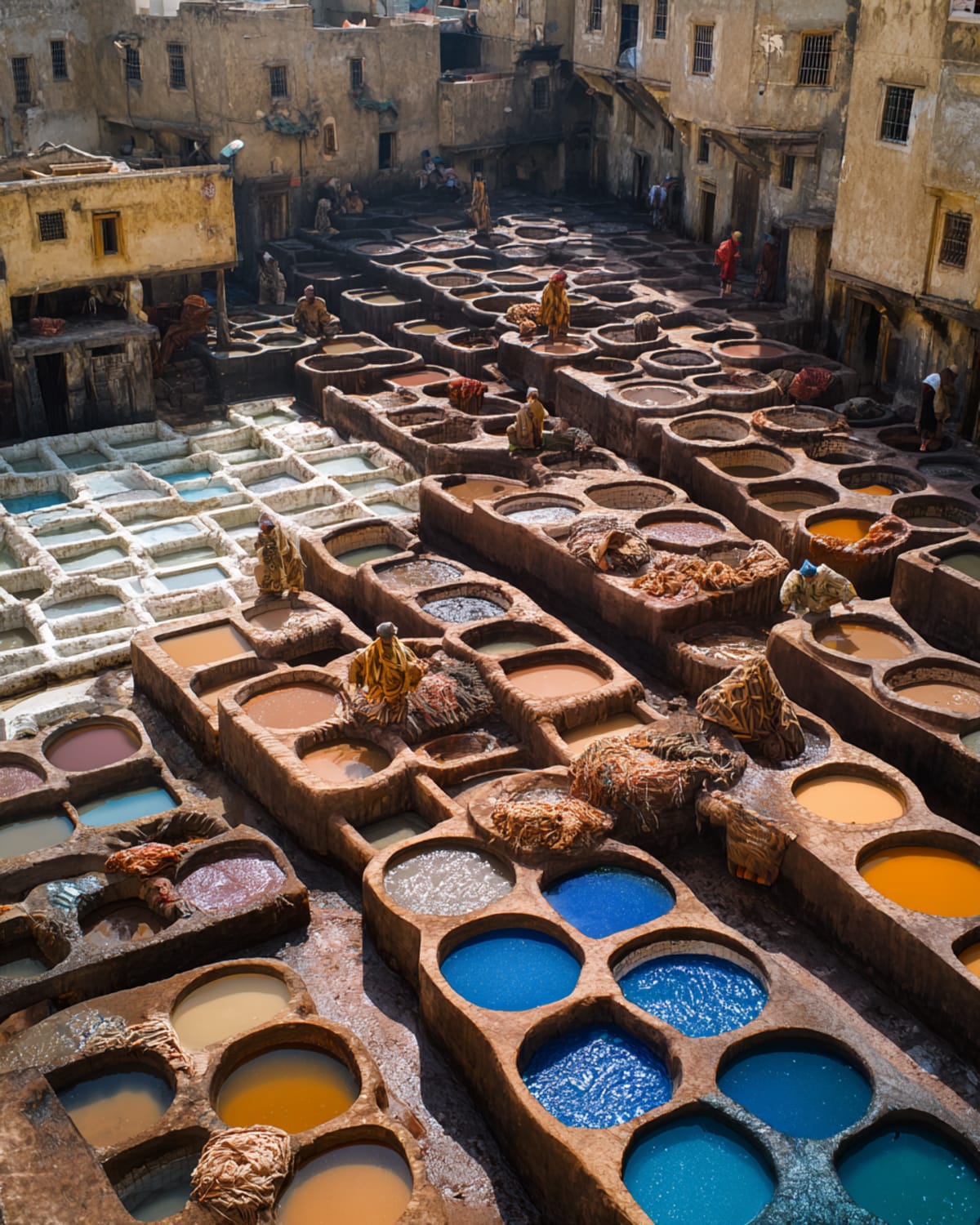
Nine thousand alleys. The medina hasn't changed in a thousand years—same crafts, same quarters, same calls echoing off the walls. The tanneries still use pigeon dung. The brass workers still hammer by hand. You get lost. Everyone does. A boy leads you out for a coin. By evening, you've stopped trying to map it. The labyrinth is the point.
Day 5
Fes
Nine thousand alleys. The medina hasn't changed in a thousand years—same crafts, same quarters, same calls echoing off the walls. The tanneries still use pigeon dung. The brass workers still hammer by hand. You get lost. Everyone does. A boy leads you out for a coin. By evening, you've stopped trying to map it. The labyrinth is the point.
Day 6
Marrakech
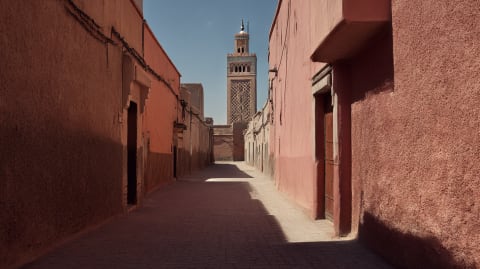
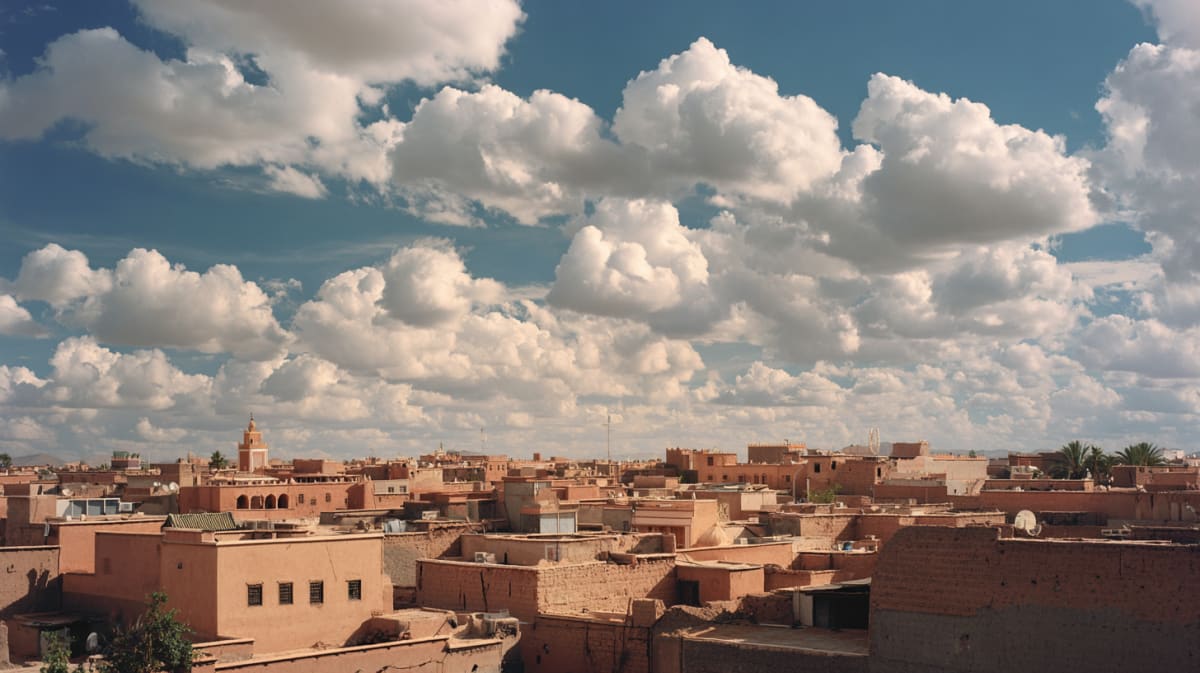
Six hours across the interior. The highway stitches together two cities that have competed for a thousand years — Fes the intellectual, Marrakech the merchant. Between them: the Saïss plain, then the Haouz, flat agricultural land where the sky is enormous and the road dissolves into heat shimmer. You cross the invisible line where the dialect shifts, where couscous changes shape, where the spice blend recalibrates. Marrakech appears under the Atlas — rose-pink walls, the Koutoubia minaret rising above the palms. The square begins to fill. A different city. A different argument about what Morocco is.
Day 7
Marrakech
The souks spiral inward by specialty—leather, brass, carpets, spices. Each turn narrows. Bahia Palace holds its painted ceilings in afternoon shadow. The hammam strips you down to quiet. By evening, Jemaa el-Fna transforms. Smoke rises from a hundred grills. Storytellers gather crowds. The square has done this for centuries. It doesn't need your permission.
Private Journeys
Plan this journey.
This route is private, and shaped around how you want to move through the country. Tell us what you're hoping to find — we'll design the trip around it.
There is more
This is just the shape of the route.
The full story — where the road changes, what the maps don't name, which detours are worth the dust — lives in the Slow Morocco letter. Written from the medina. Sent when it matters.
No frequency promises. Unsubscribe anytime.